Warning Road Signs in Ireland
83 signs, each with what it means and the rule behind it.All 83 signs
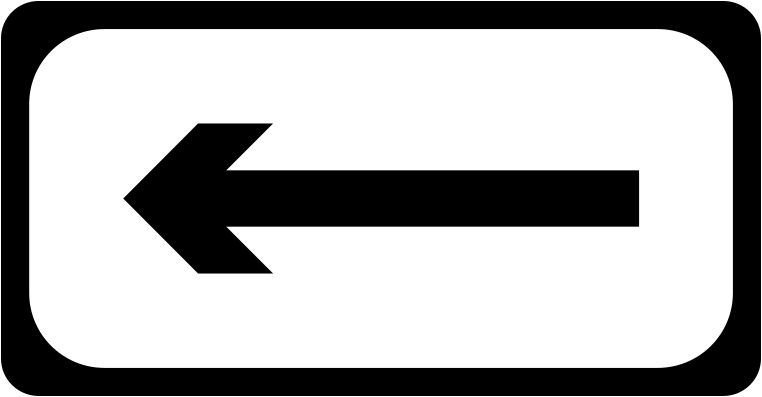
Direction to the hazard, left
This arrow plate points left to show the side of the road on which the hazard lies, fixed beneath a warning sign.
Plates take a hand as well, and a plate is always read with the sign above it rather than on its own.
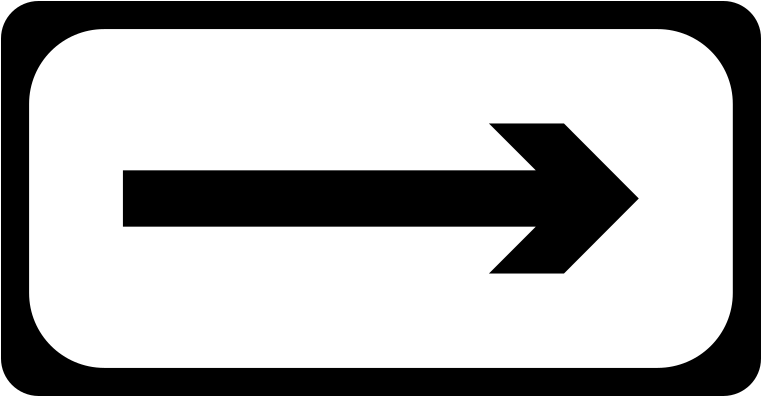
Direction to the hazard, right
Pointing right, this plate shows that the hazard named by the warning sign above is on that side of the road.
The plate is where the detail sits: the class of vehicle, the direction or the period the sign is talking about.
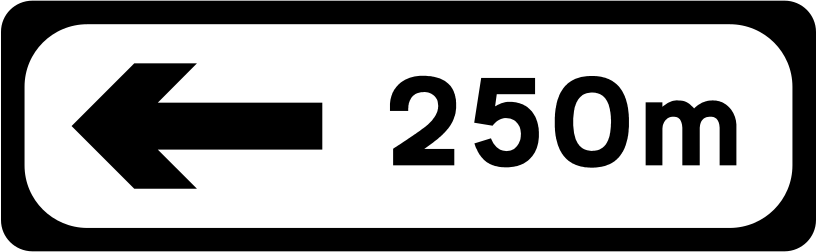
Distance and direction to the hazard, left
A left arrow and a distance in metres to the hazard are given on this plate below a warning sign; the distance is set for each site.
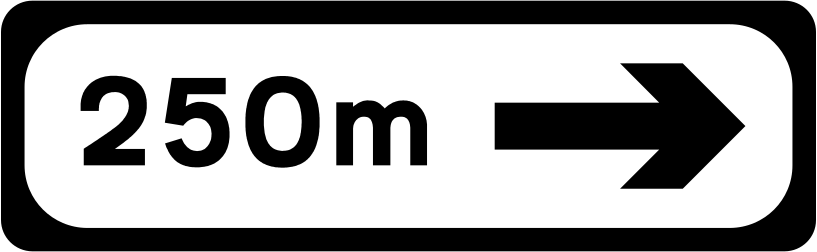
Distance and direction to the hazard, right
How far off the hazard sits is shown by a right arrow and a distance in metres on this plate under a warning sign; that distance changes from site to site.
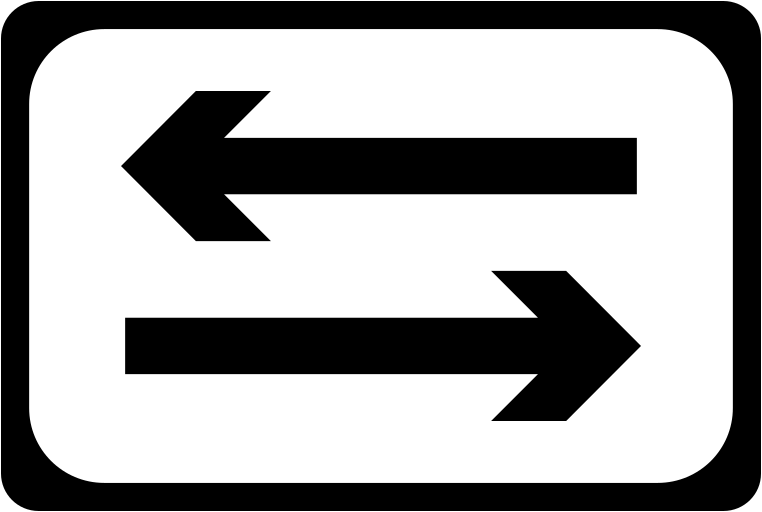
Hazard lies in both directions
The hazard named by the warning sign above lies in both directions from this point, as two arrows, one pointing each way, show.
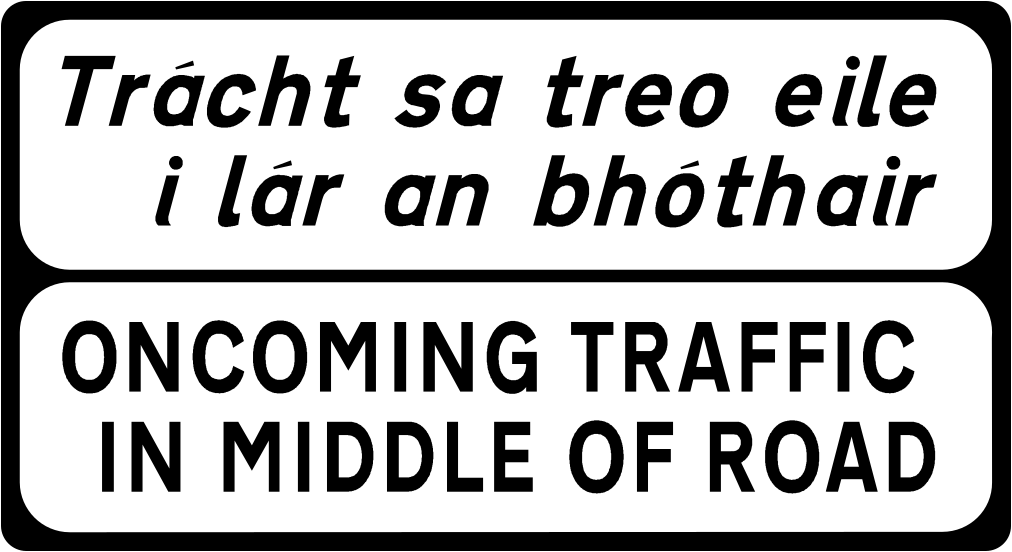
Oncoming traffic in the middle of the road
Where the warning sign above applies, this bilingual plate warns that vehicles coming the other way may be travelling in the middle of the road.
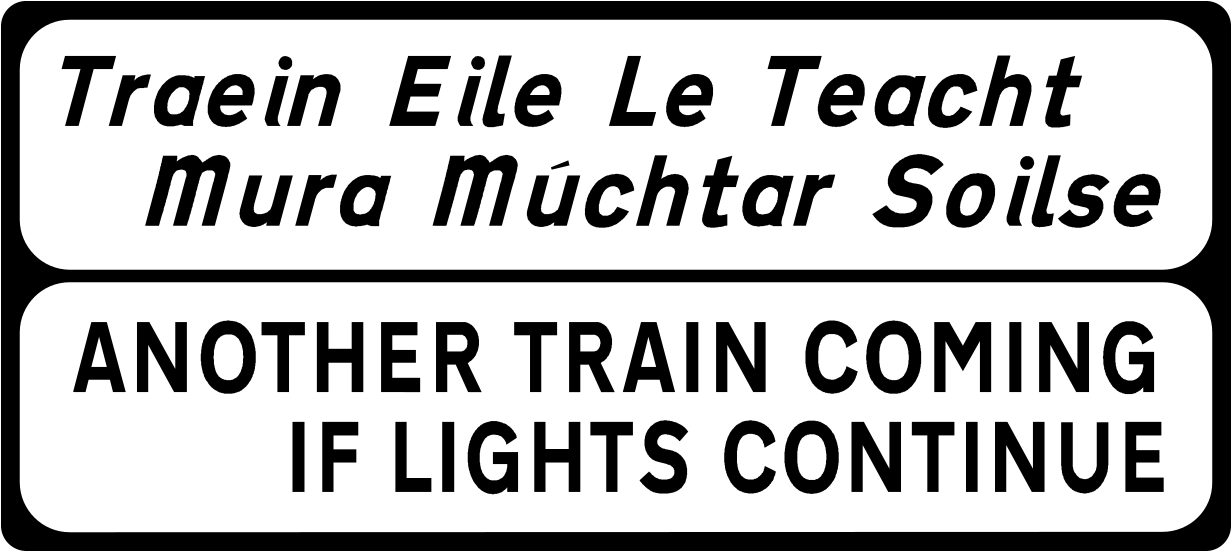
Another train may be coming
Whenever the crossing lights keep showing at a level crossing, the wording tells drivers that another train is coming.
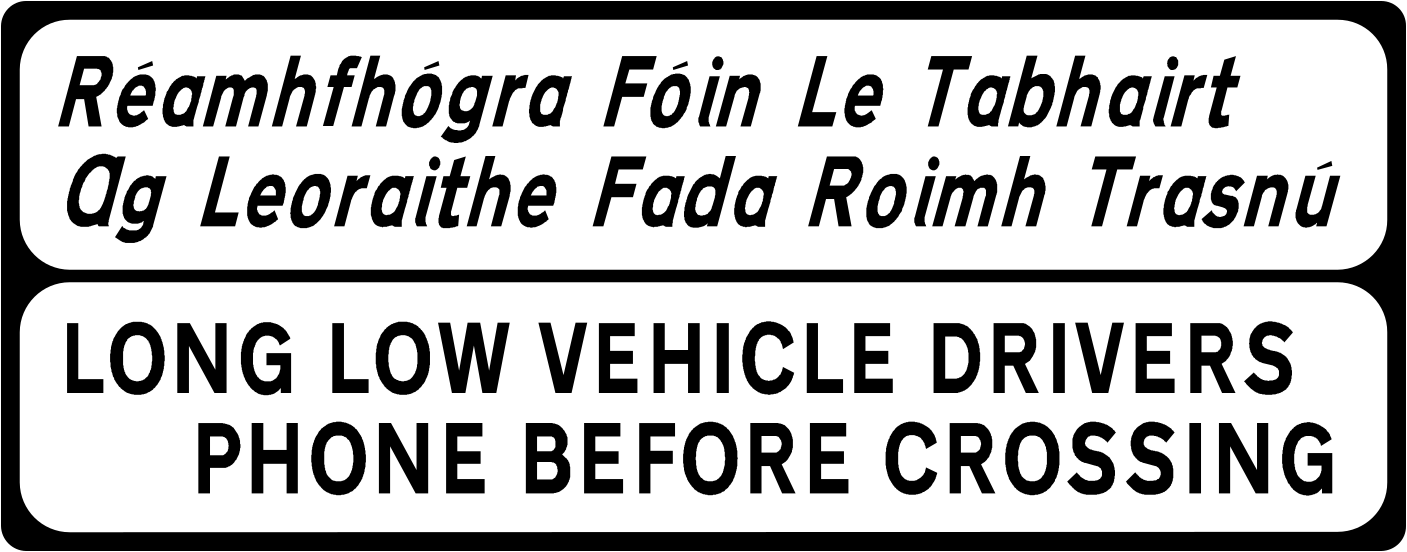
Long low vehicles must phone first
This plate goes under the level crossing warning sign, where drivers of long low vehicles are told to phone before crossing.
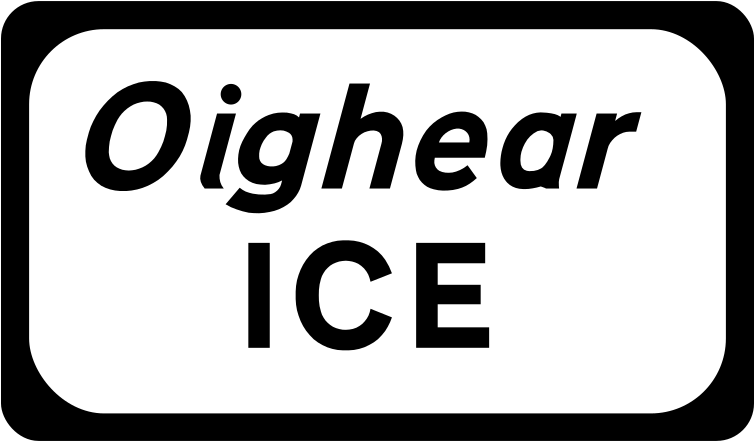
Ice on the road ahead
The reason for the warning sign above is given in Irish and English wording for ice: ice forming on the road surface.
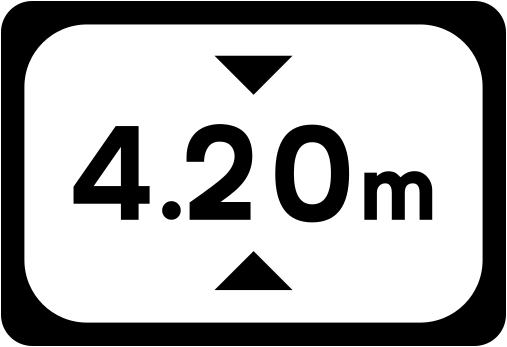
Safe headroom under the structure
The clear headroom at the low structure the warning sign marks is given by arrows above and below a height in metres; the measurement differs from place to place.
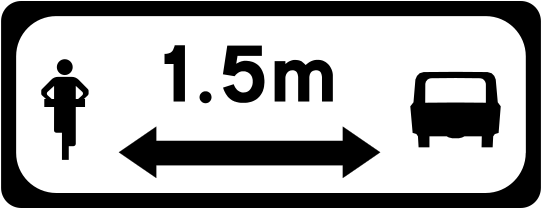
Leave 1.5 m when passing a cyclist
A cyclist, a double arrow and 1.5 m beneath the warning sign set out the space a driver should leave when overtaking.
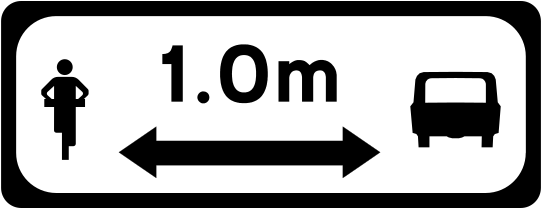
Leave 1.0 m when passing a cyclist
This plate sits under the warning sign and marks the gap a driver should allow when passing, showing 1.0 m between a cyclist and a car.
A plate printed with a lower-case letter is its own code, so folding the letter up to a capital points at a different plate.
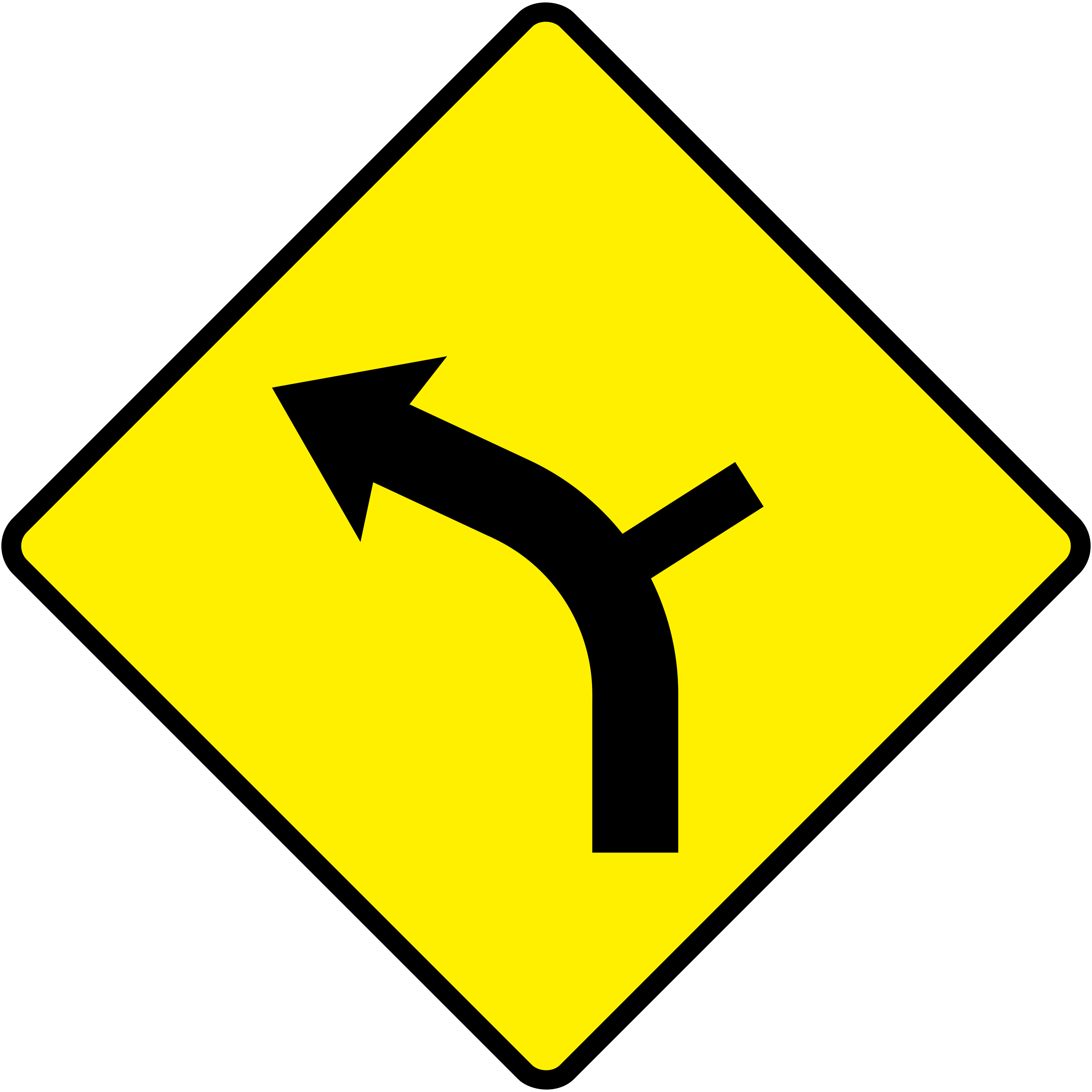
Sharp left bend, side road on the outside
The road swings sharply left, with a side road joining on the outside of the bend; expect traffic pulling out as you turn.
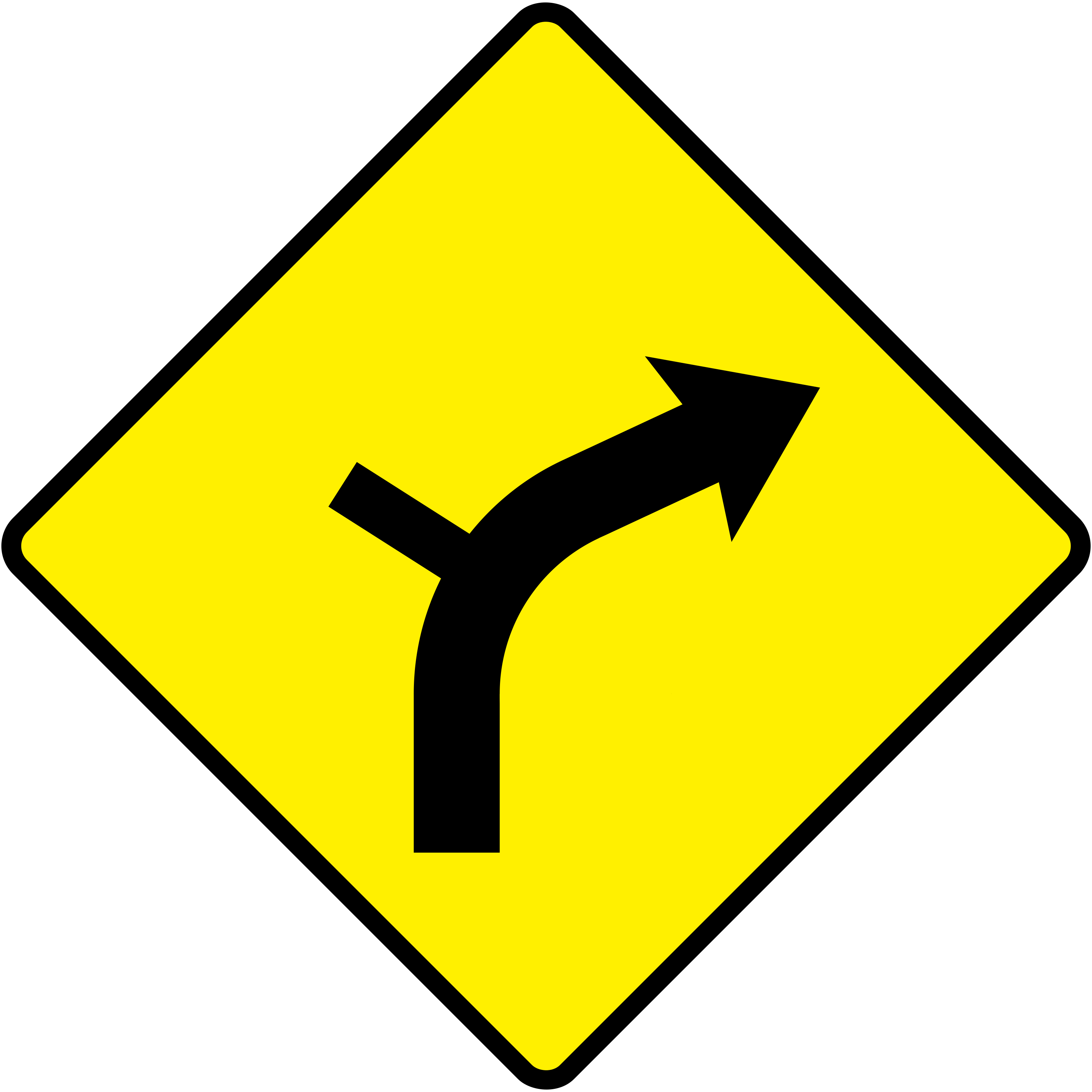
Sharp right bend, side road outside
Slow early and watch for vehicles emerging as you steer round: a side road meets the outside of a sharp right-hand bend just past this point.
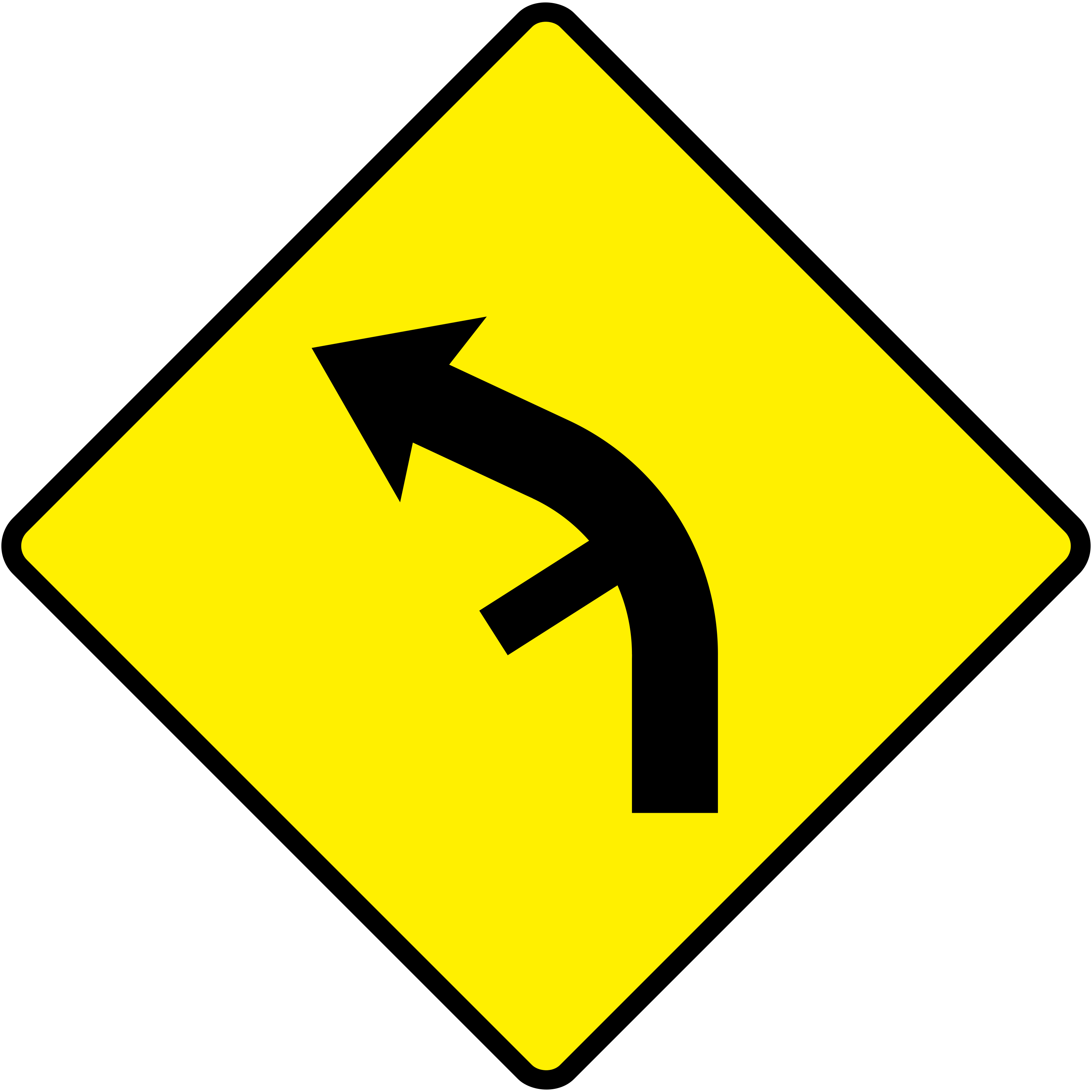
Sharp left bend, side road on the inside
The road bends sharply left further on, and a side road meets it on the inside of the curve where your view is short.
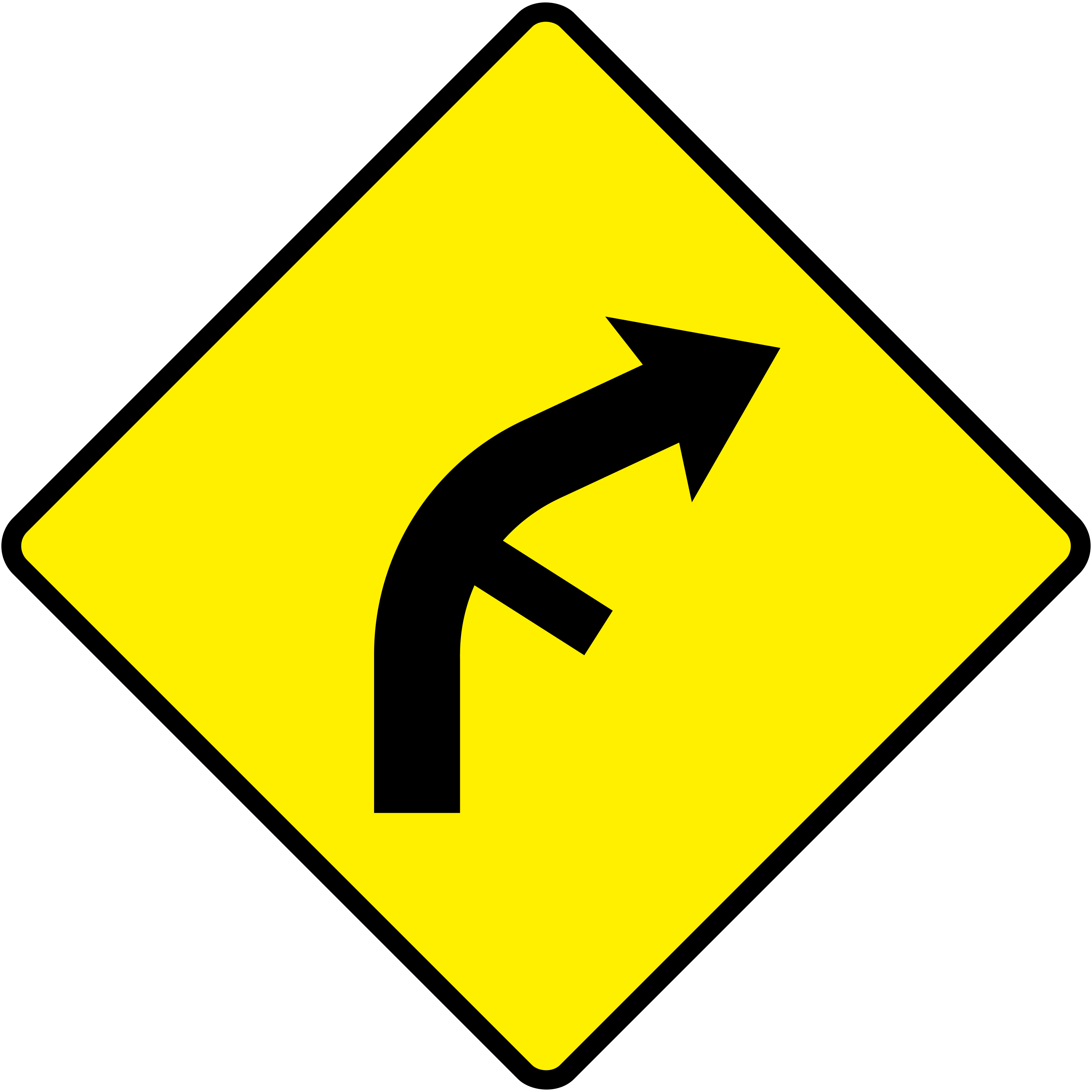
Sharp right bend, side road inside
A side road joins from the inside of the curve round this sharp right-hand bend; keep your speed down and look well ahead.
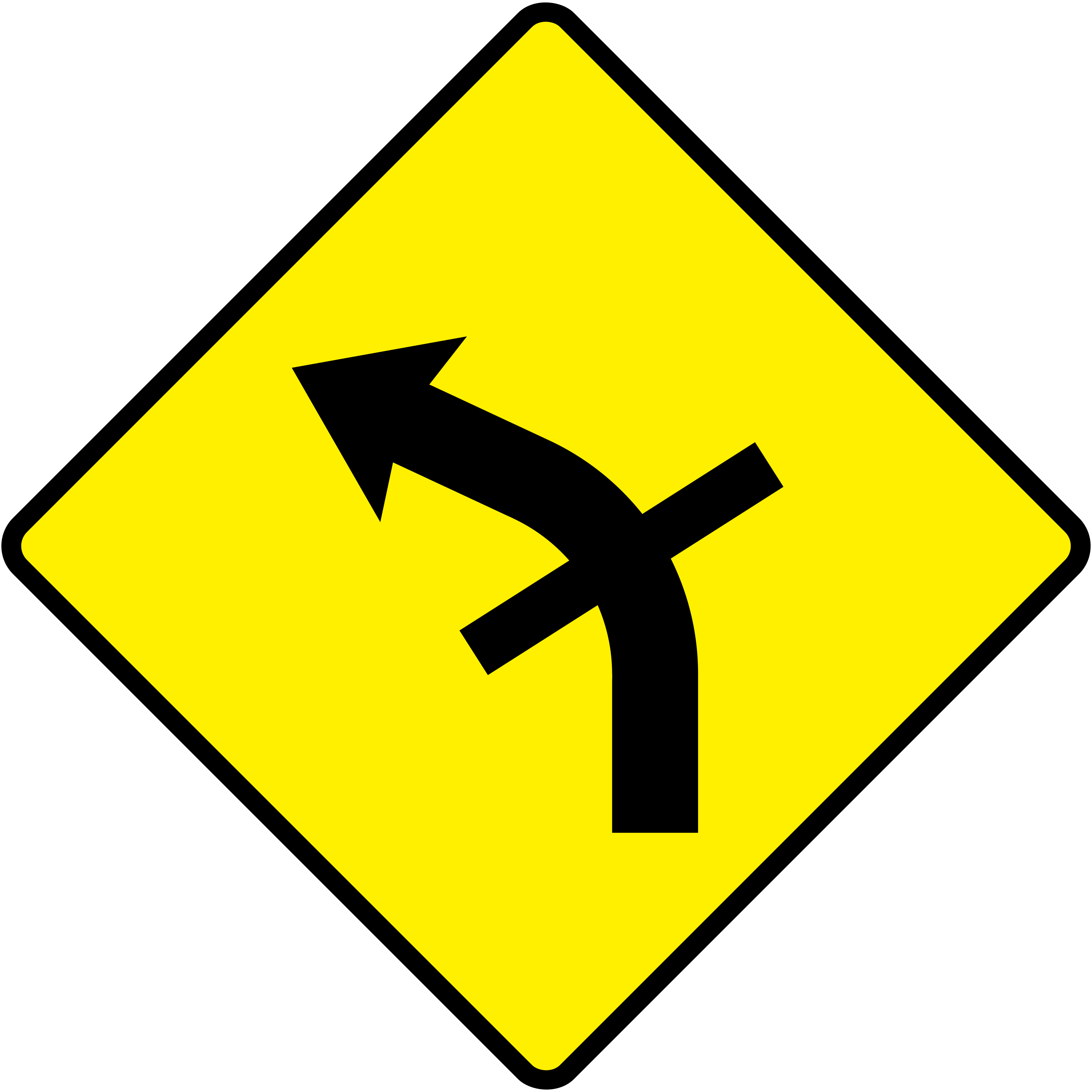
Sharp left bend with a crossroads
A crossroads sits on a sharp left-hand bend; traffic can cross or turn while you are still steering through the curve.
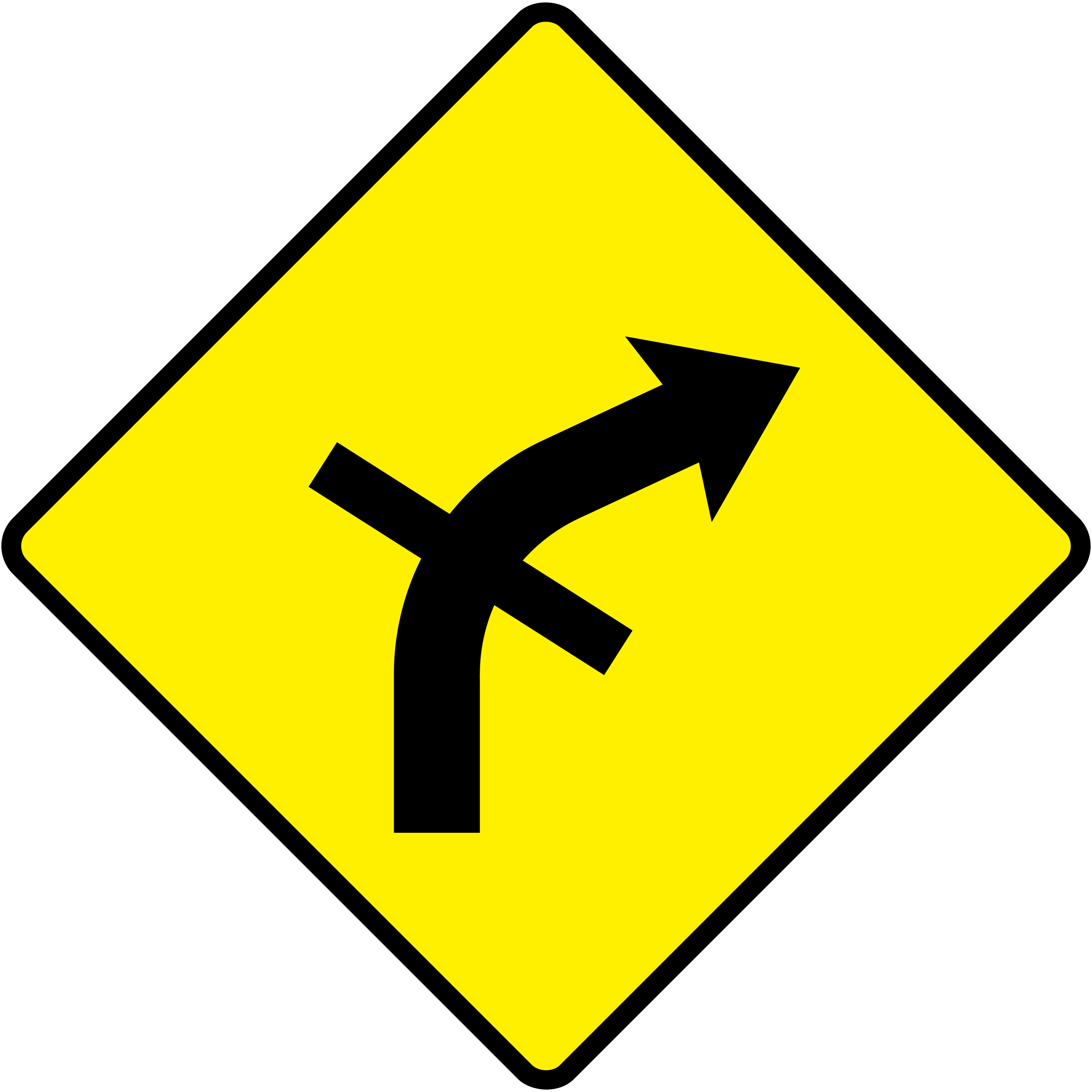
Sharp right bend with a crossroads
Slow before the turn and check both sides as you pass through, because two side roads meet the road on a sharp right-hand bend coming up.
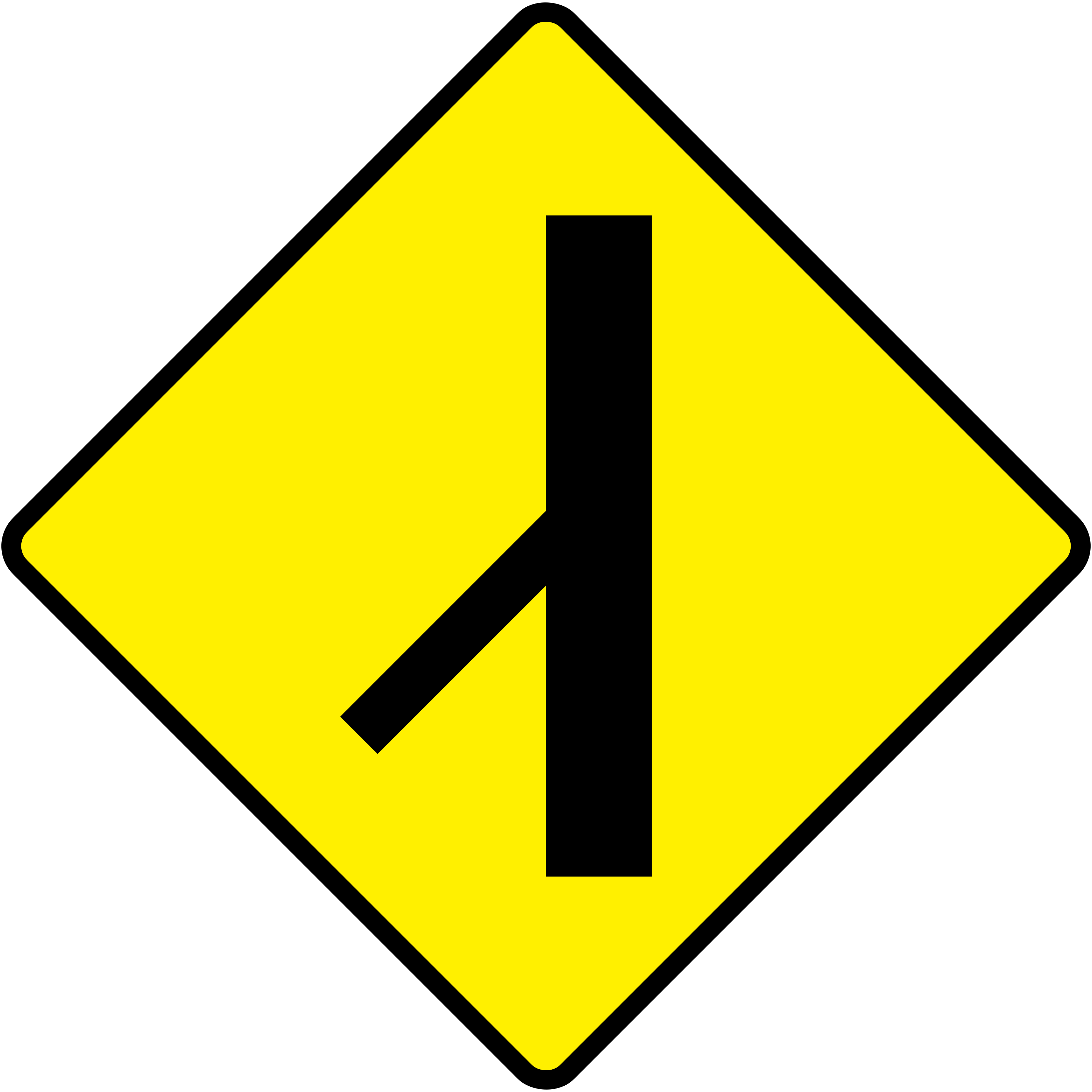
Traffic merging from the left
Check your left mirror and leave room for vehicles coming in; they join your road from the left a short way on.
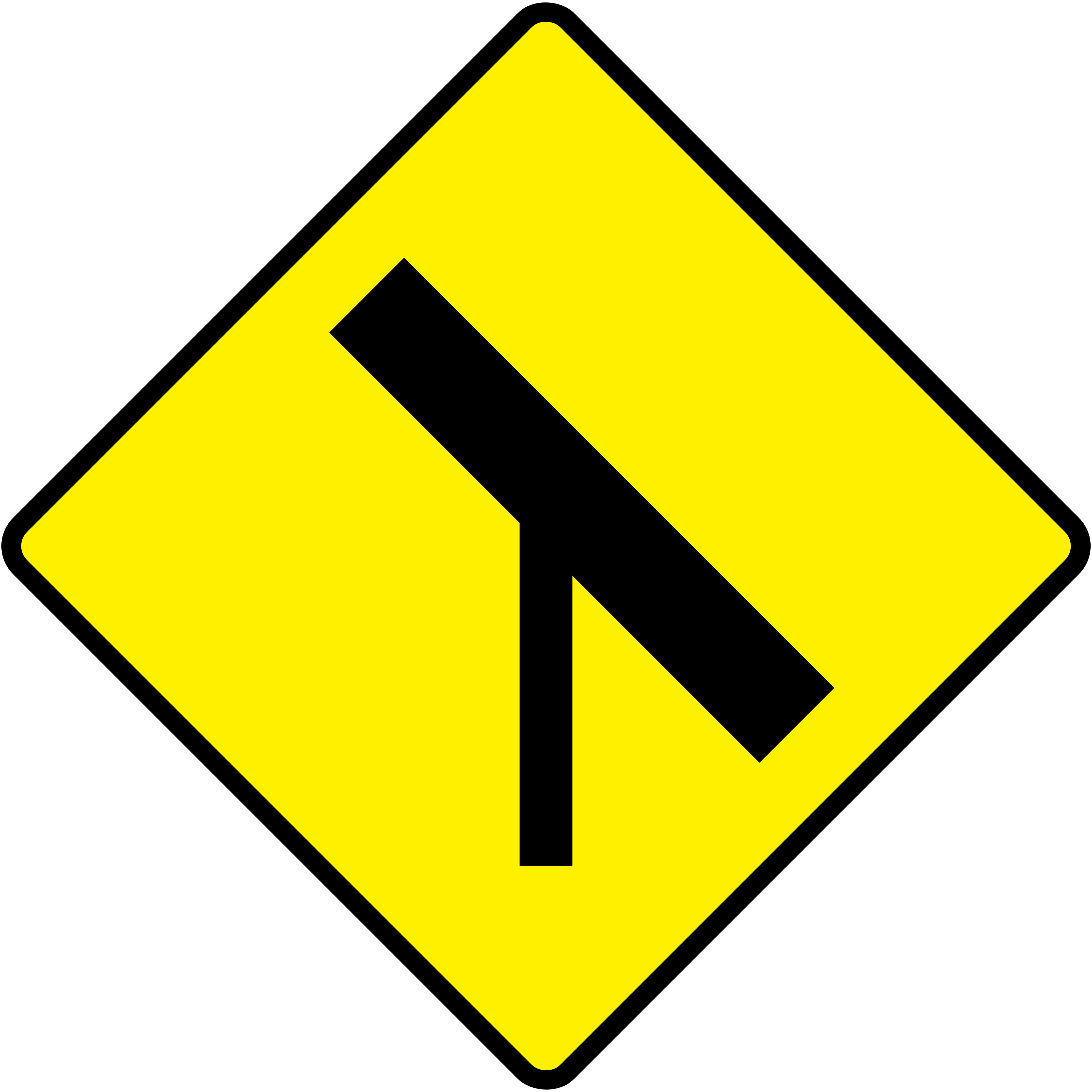
Your lane merges with the main road
The lane you are in ends where it joins the main carriageway; match your speed and fit into a gap in the traffic already there.
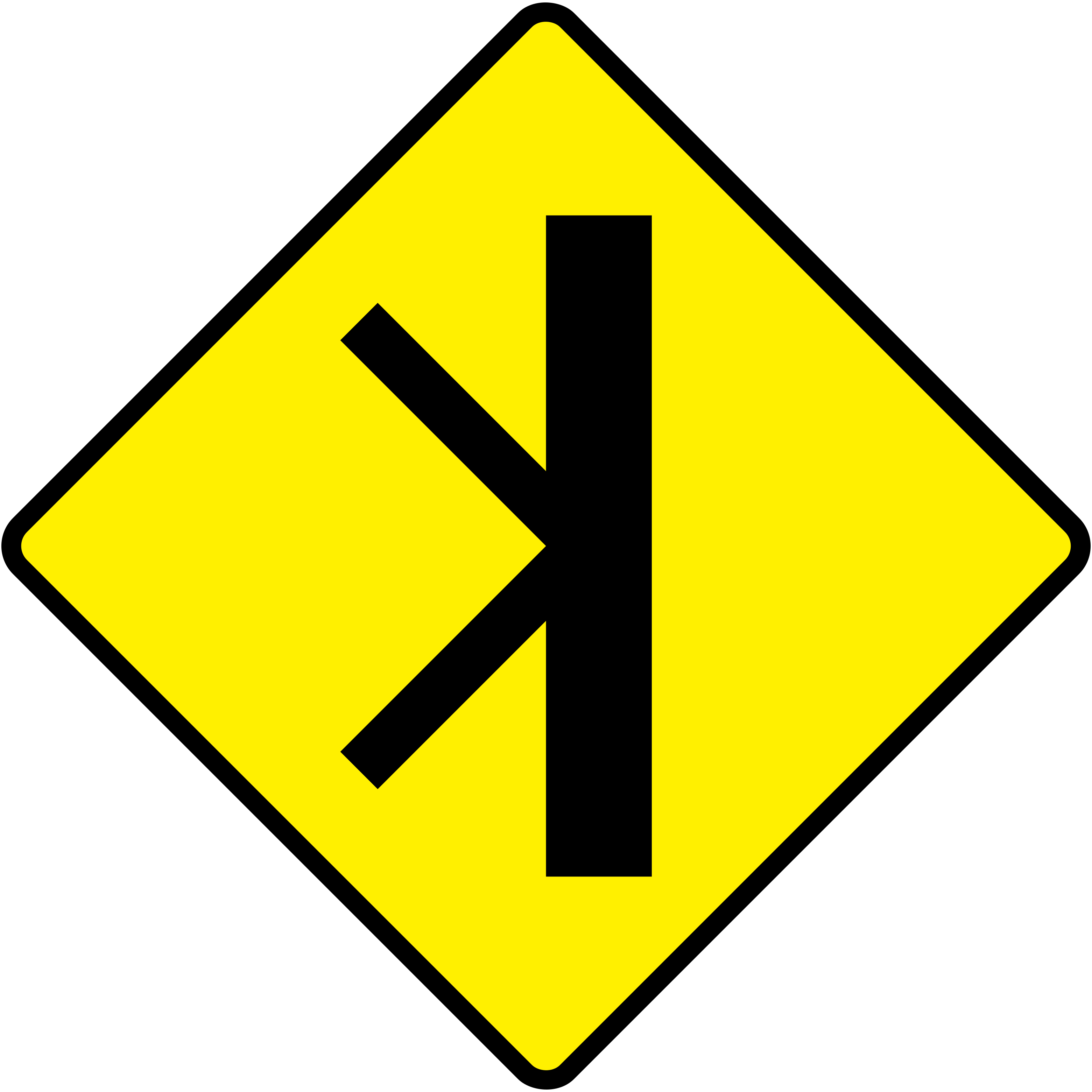
Traffic merging and leaving on the left
On the left further on, one stream of traffic joins your road while another leaves it; expect vehicles moving in and out beside you.
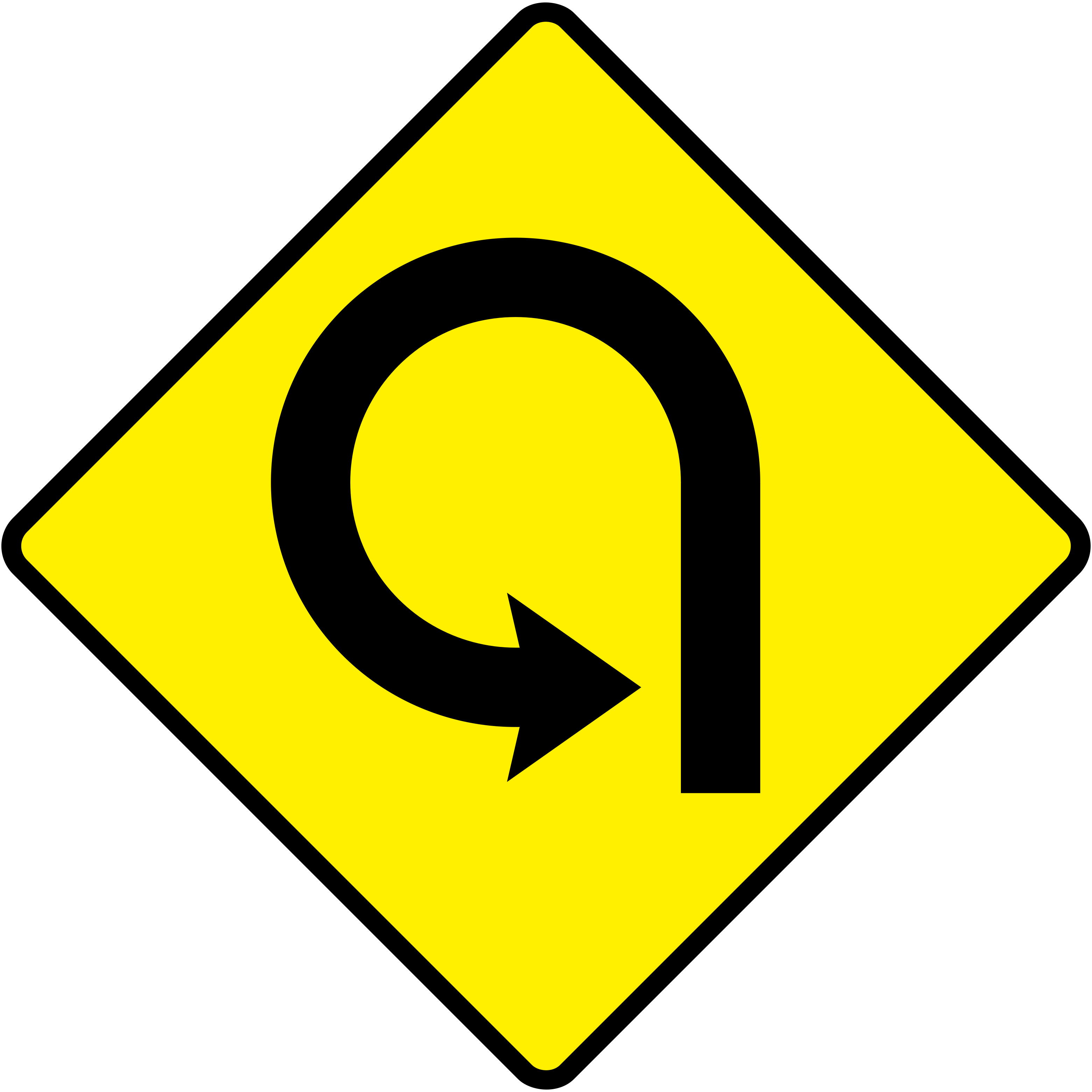
Loop curve ahead
Further on the road swings through a tight loop that doubles back on itself; cut your speed well before you reach it.
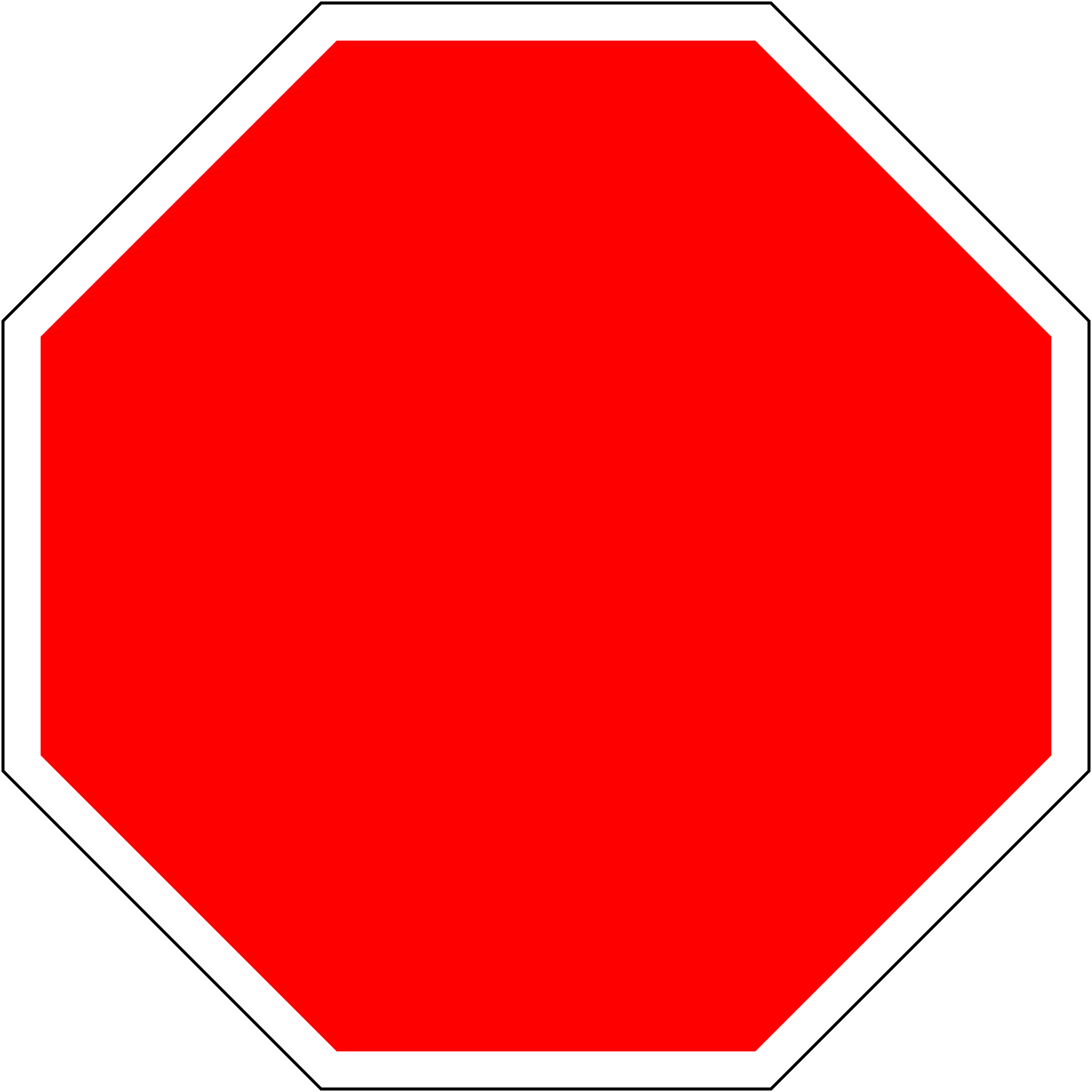
Stop sign ahead
Start slowing now: a stop sign is coming up, and you will have to come to a complete halt at the line.
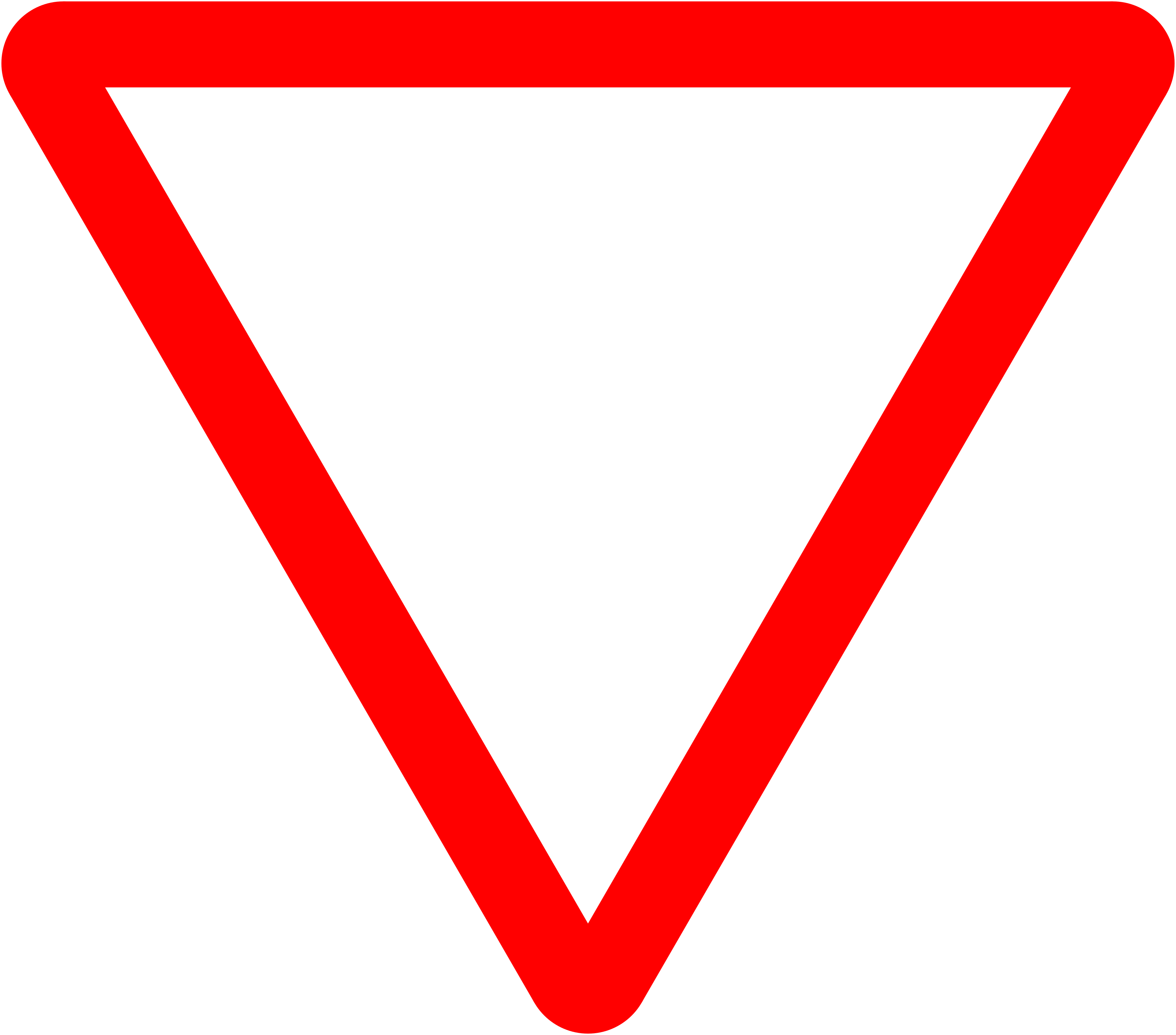
Yield sign ahead
A yield sign comes shortly; give way to traffic on the road you are joining there, and stop if the way is not clear.
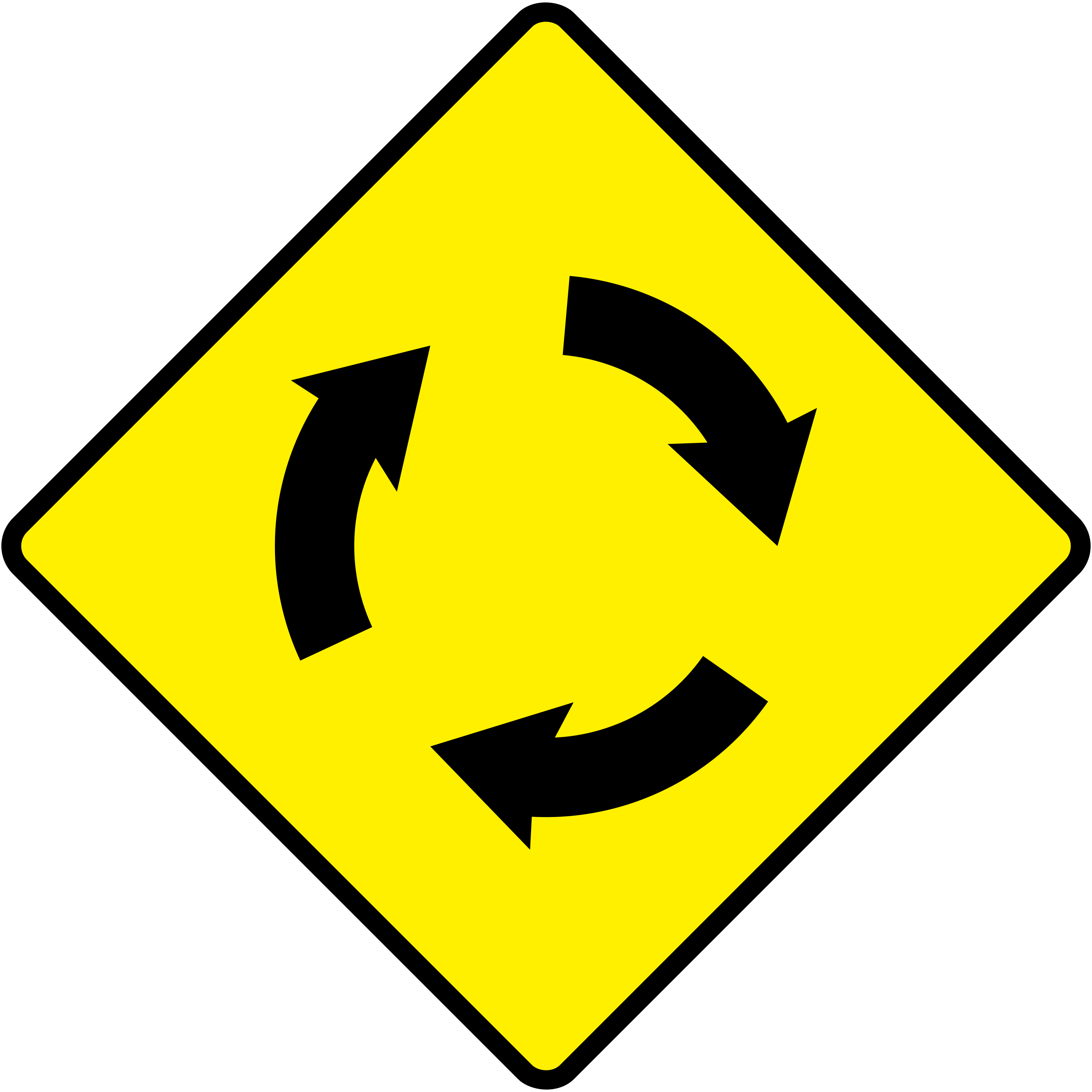
Roundabout ahead
Slow on the approach to the roundabout, pick your lane early and yield to traffic already on it coming from your right.
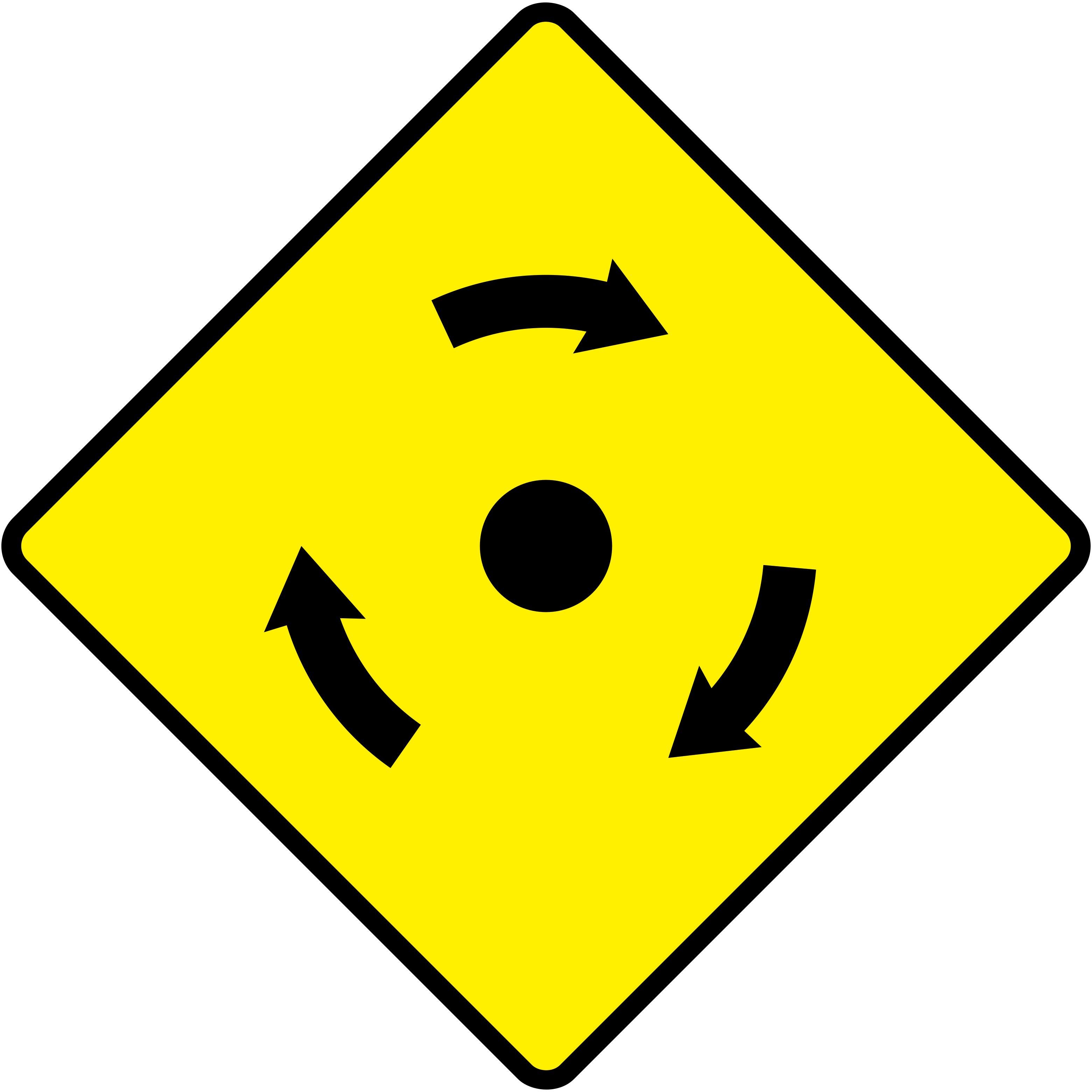
Mini roundabout ahead
Treat this small roundabout like any other: slow down and yield to traffic already coming from your right.
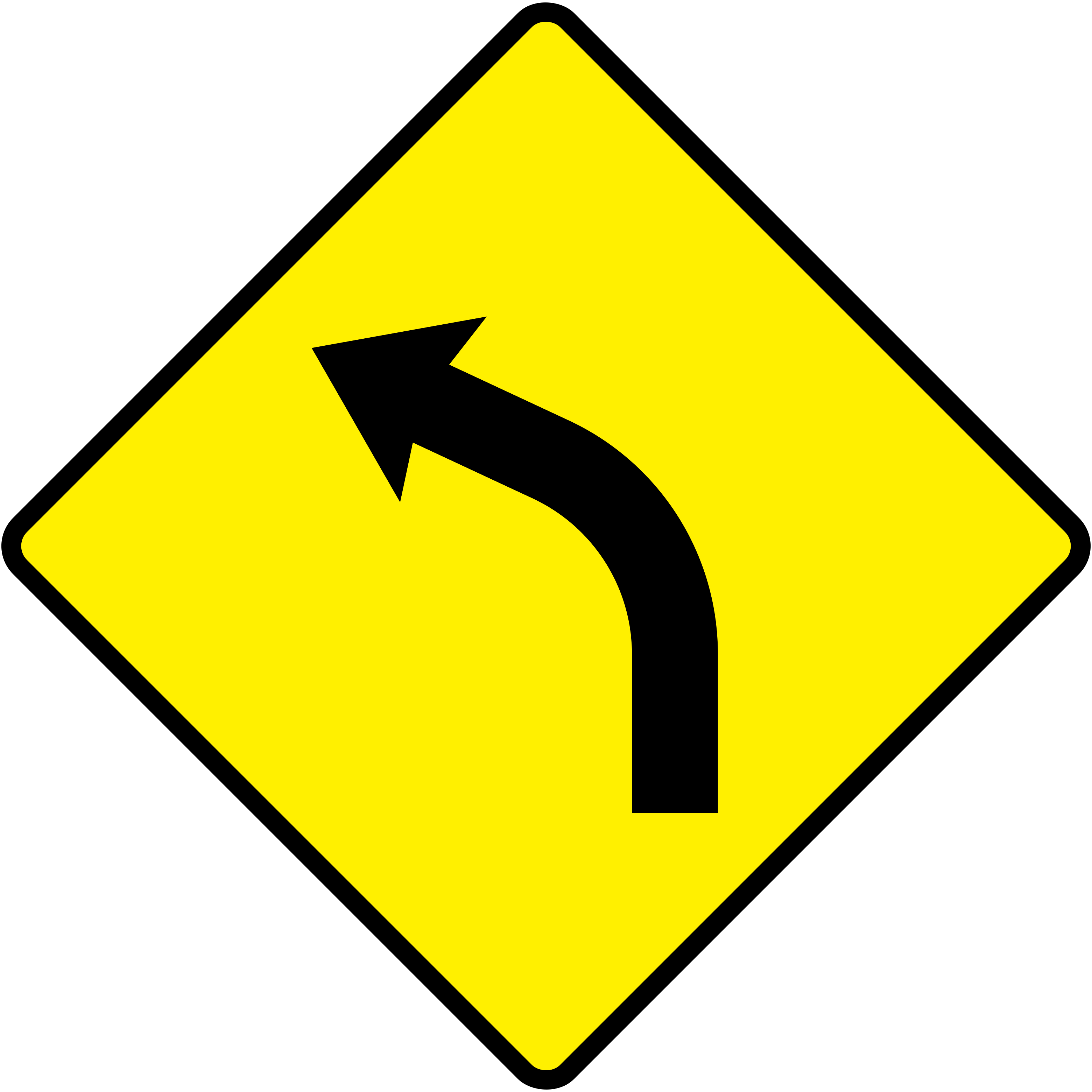
Sharp bend to the left
Brake before the sharp left-hand bend, not in the curve, and keep well to your own side.
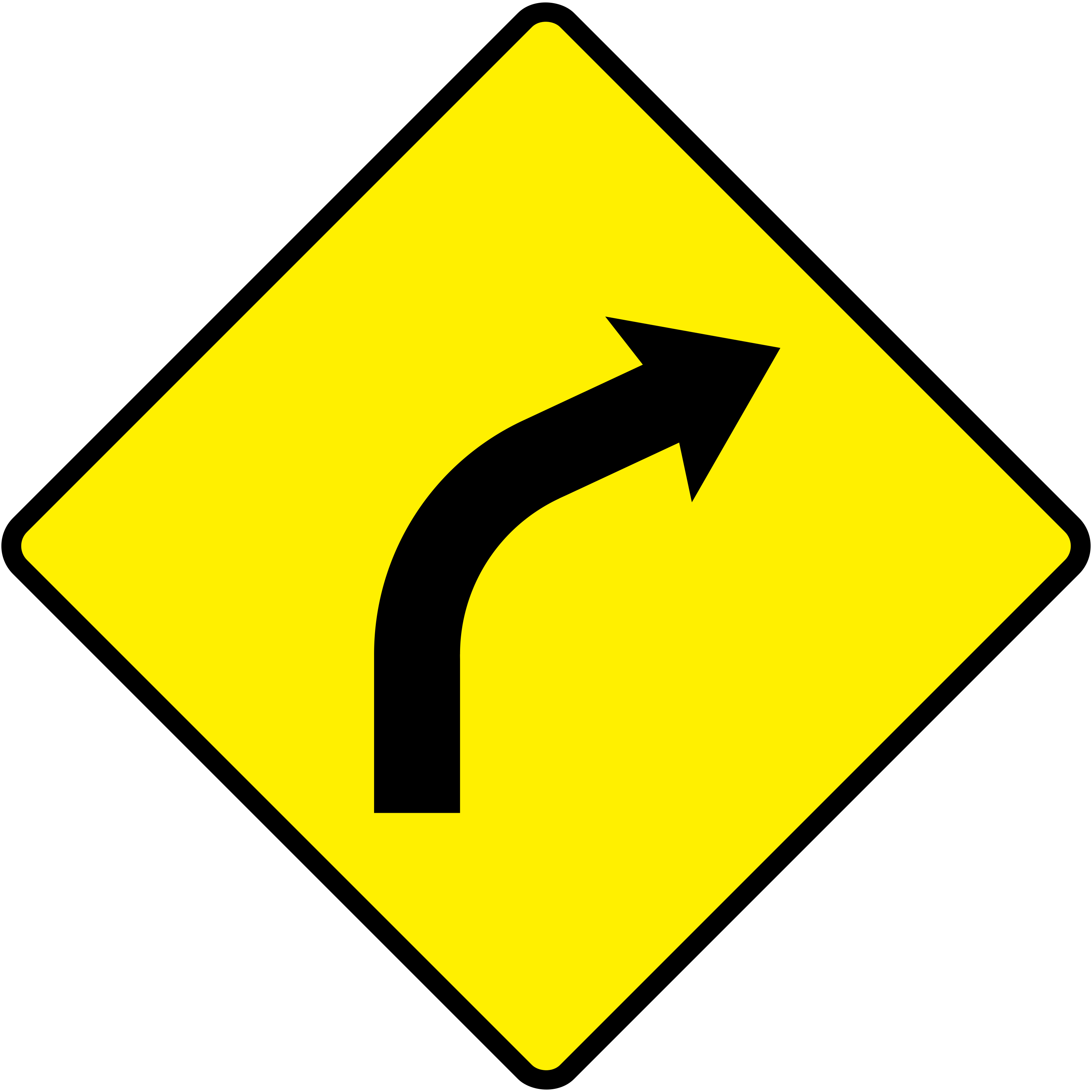
Sharp bend to the right
Because your view round this sharp right-hand bend is short, cut your speed on the straight before it.
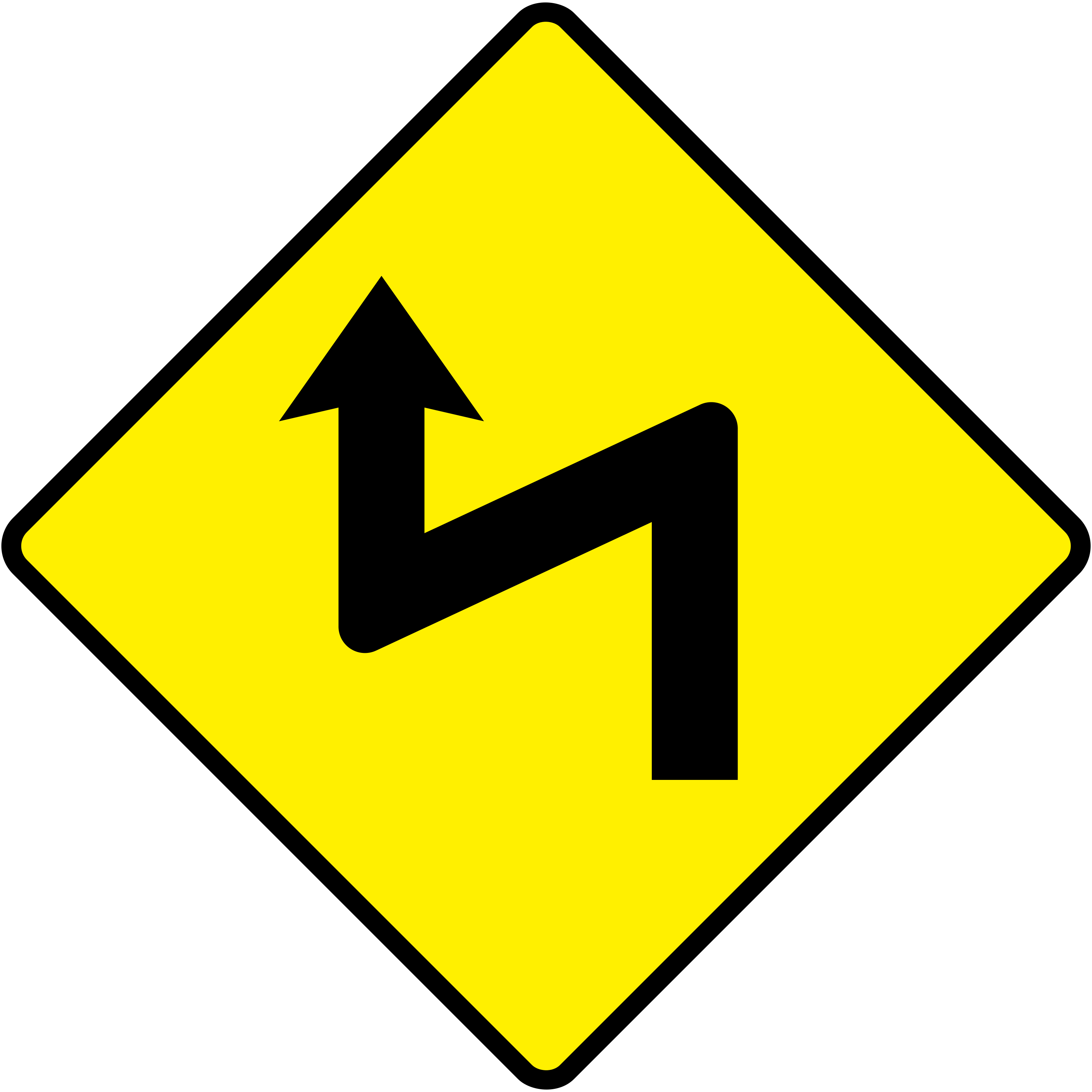
Series of sharp turns, first to the left
Settle on a low speed rather than braking at each one: several sharp turns follow one another, the first to the left.
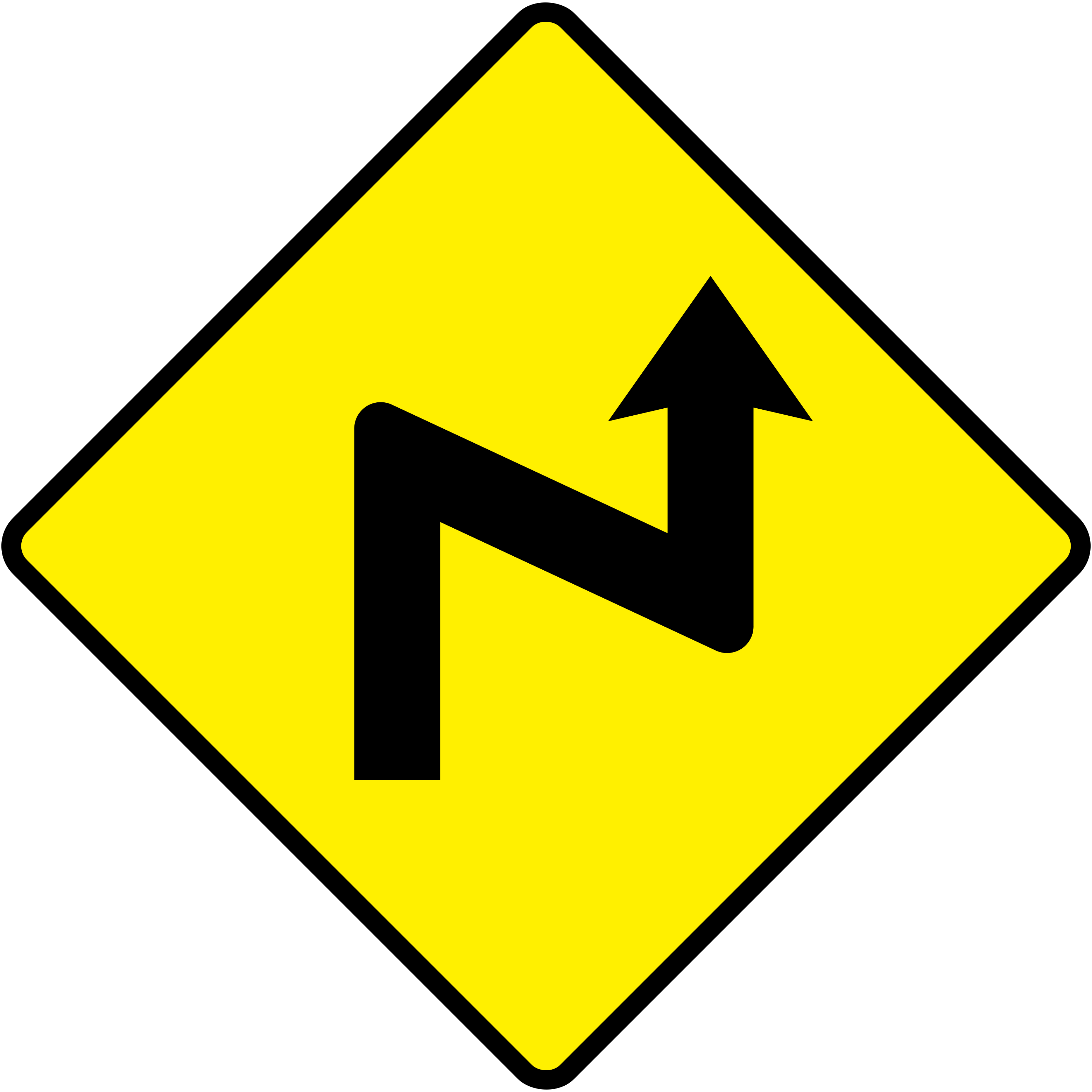
Series of sharp turns, first to the right
Hold a steady low speed and expect little room to overtake, because the road turns sharply several times beginning to the right.
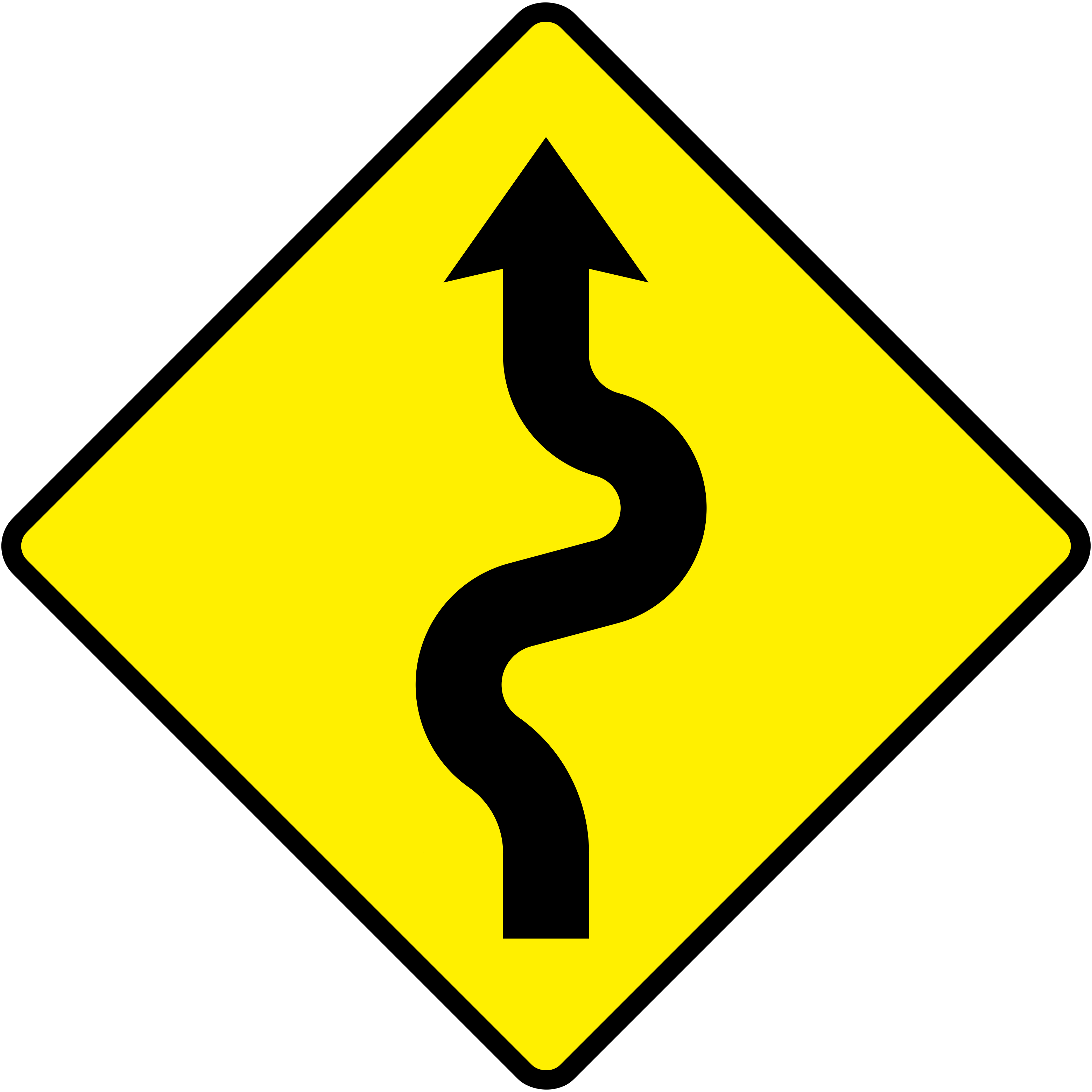
Winding road, first bend to the left
Stay well in on your own side and keep your speed down through this run of bends, which starts to the left.
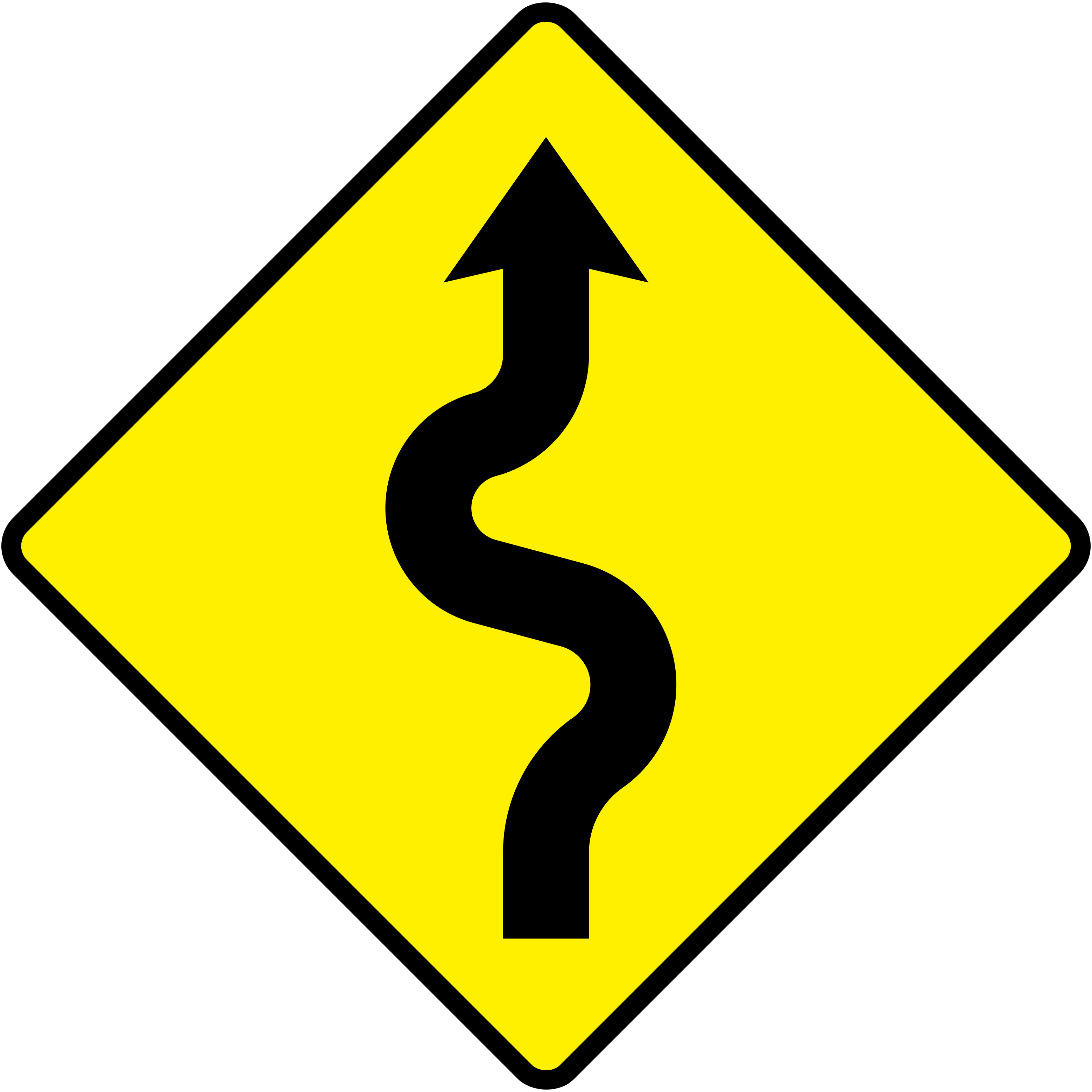
Winding road, first bend to the right
From here the bends follow one after another, the first to the right; read the road ahead and do not commit to overtaking.
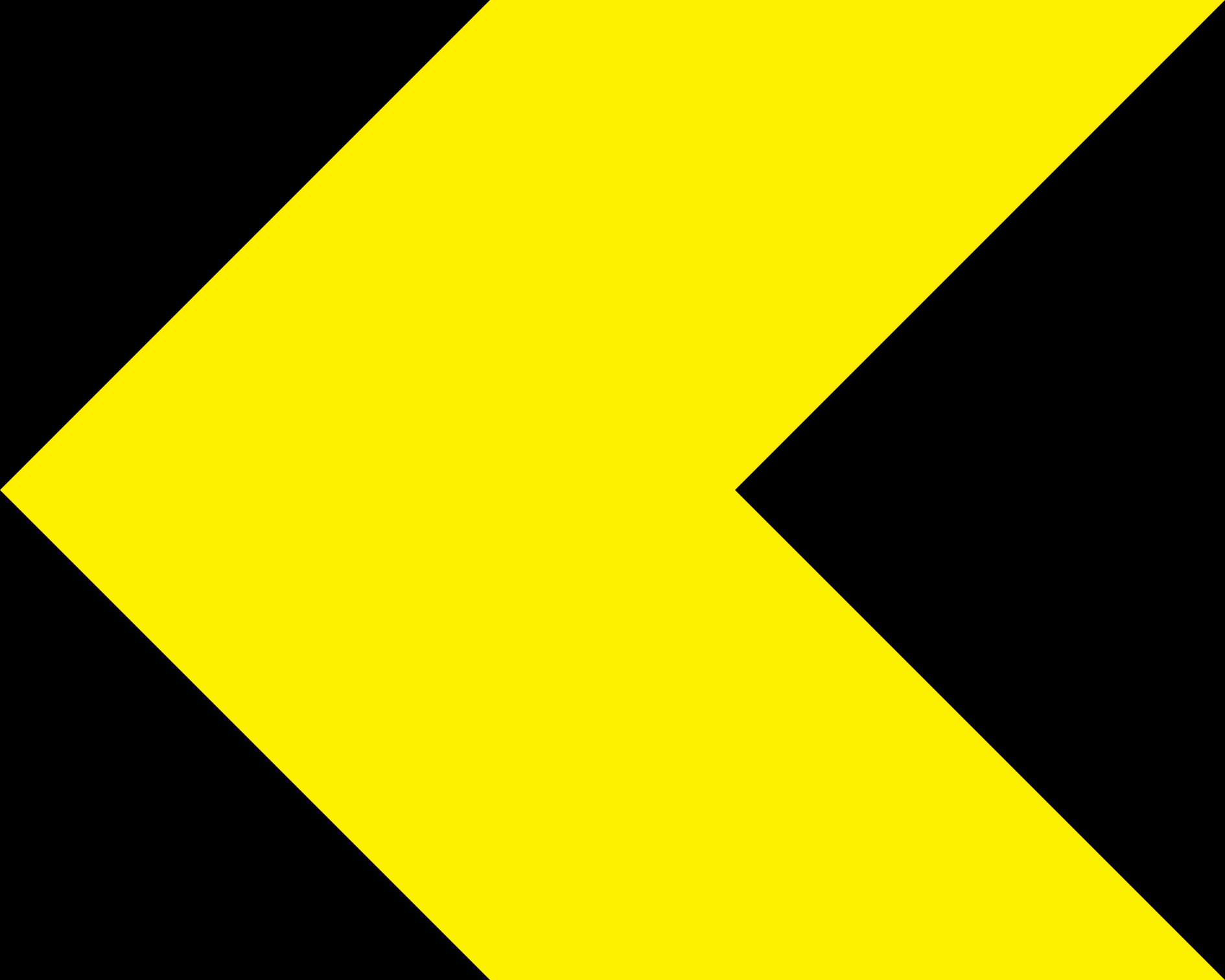
Chevron board, road bends left
Placed on the outside of the bend, this board carries a single chevron that points left and shows the direction the road turns here.
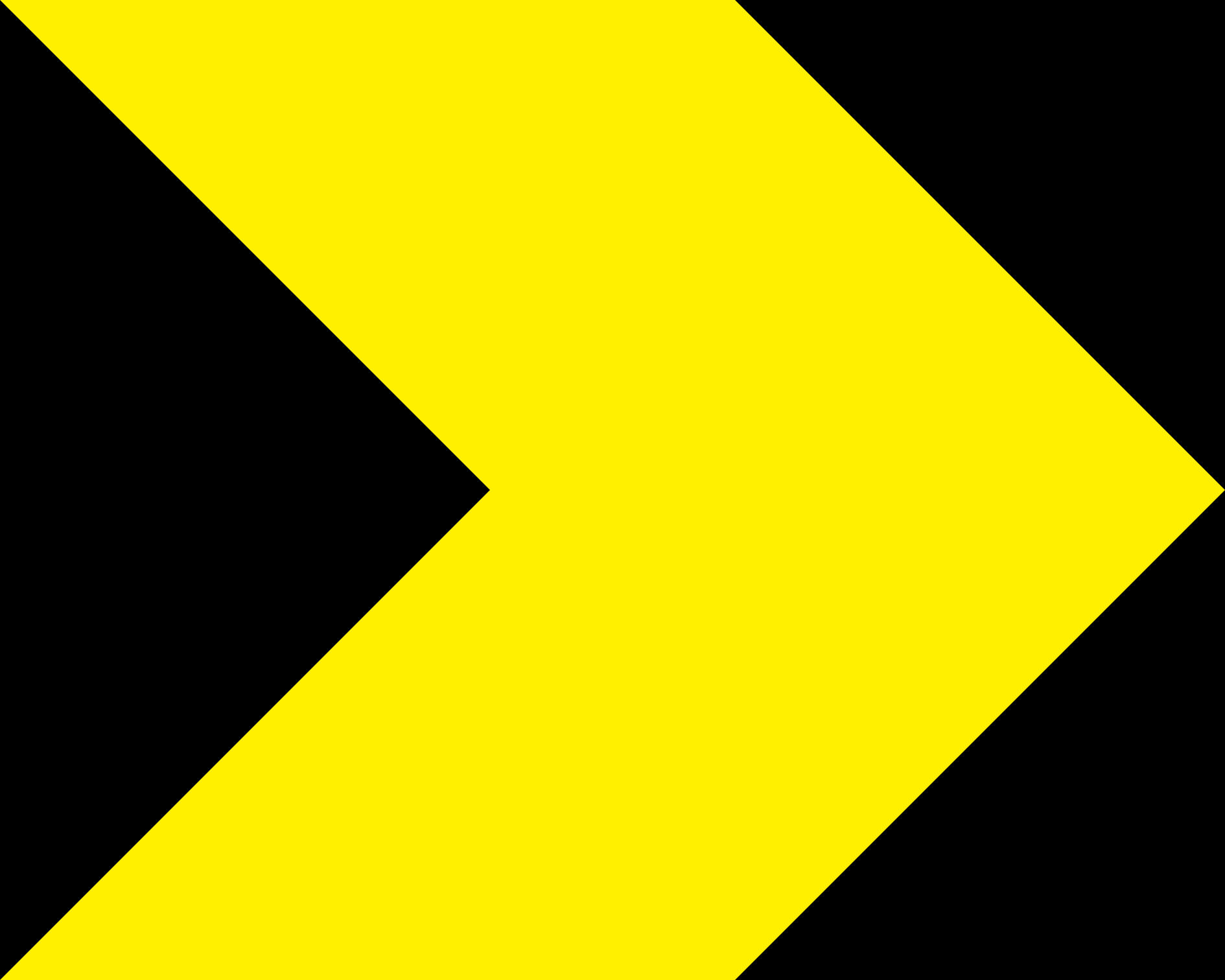
Chevron board, road bends right
The road turns right here and you should not run wide: a single chevron marks the far side of the bend.
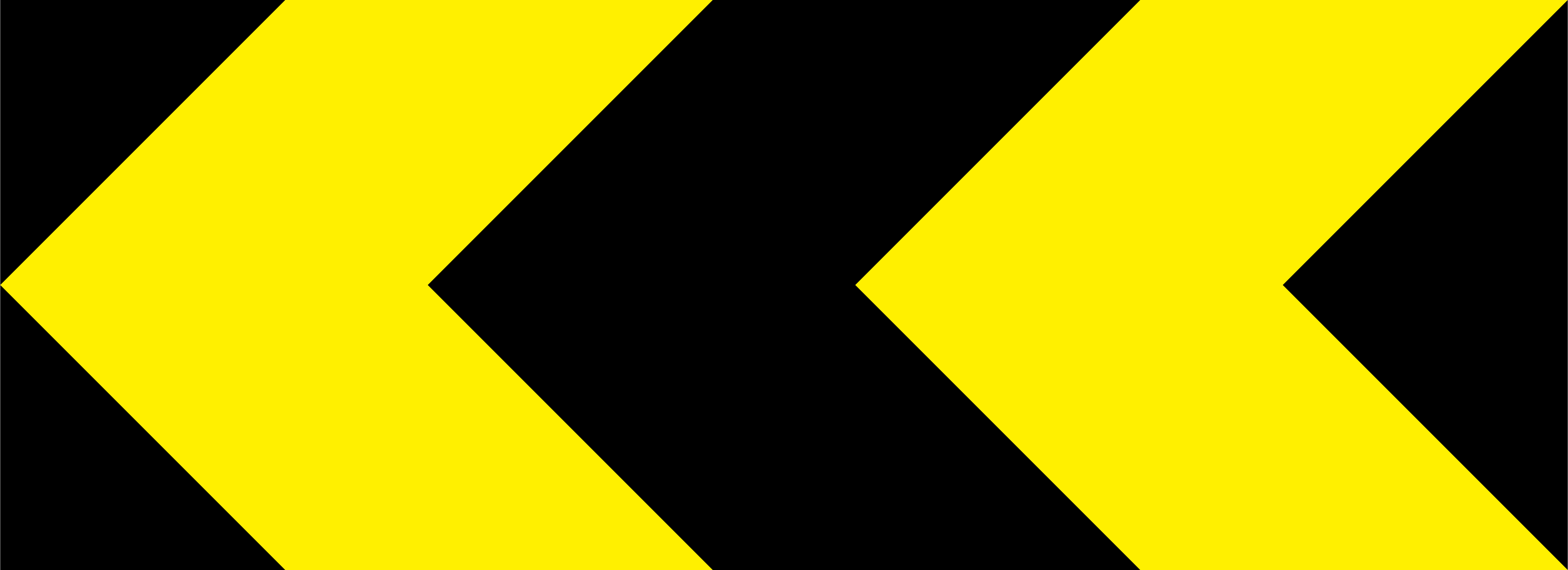
Double chevron board, bends left
Two chevrons face you from the outside of the bend, a wider marker of the direction the road takes to the left.
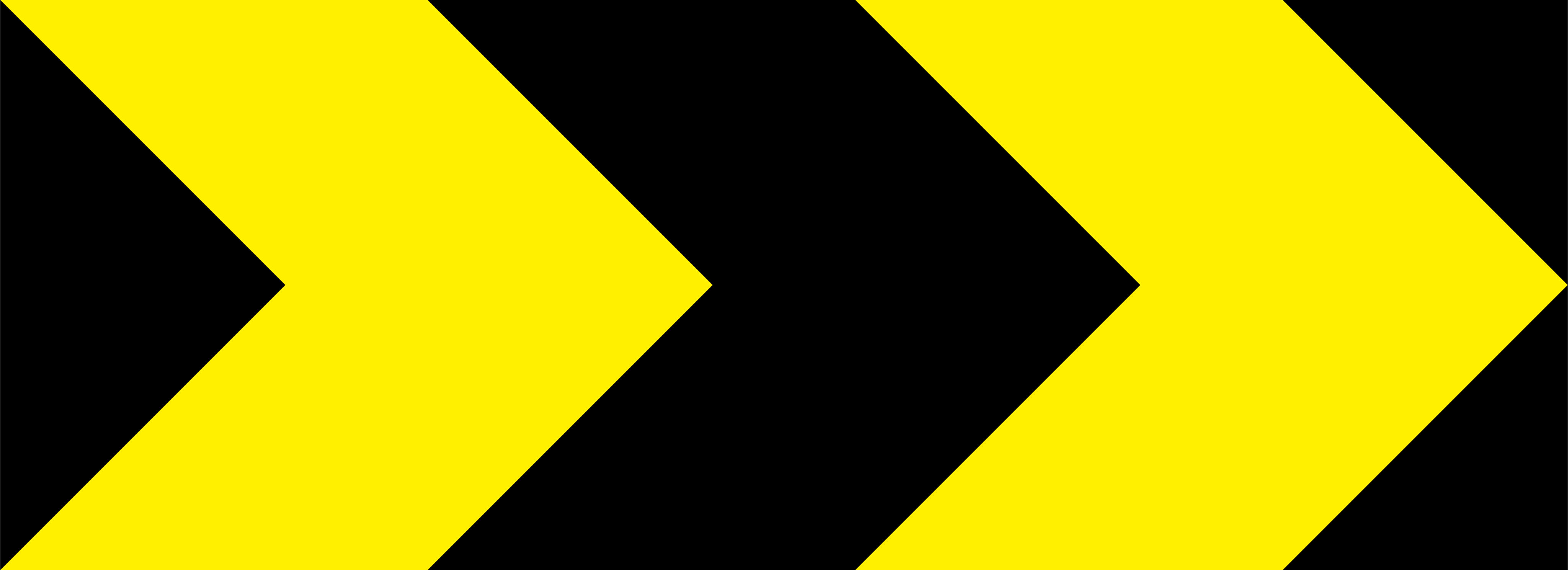
Double chevron board, bends right
See the line of the right-hand turn early: this board is set on the outside of the bend and carries two chevrons pointing right.
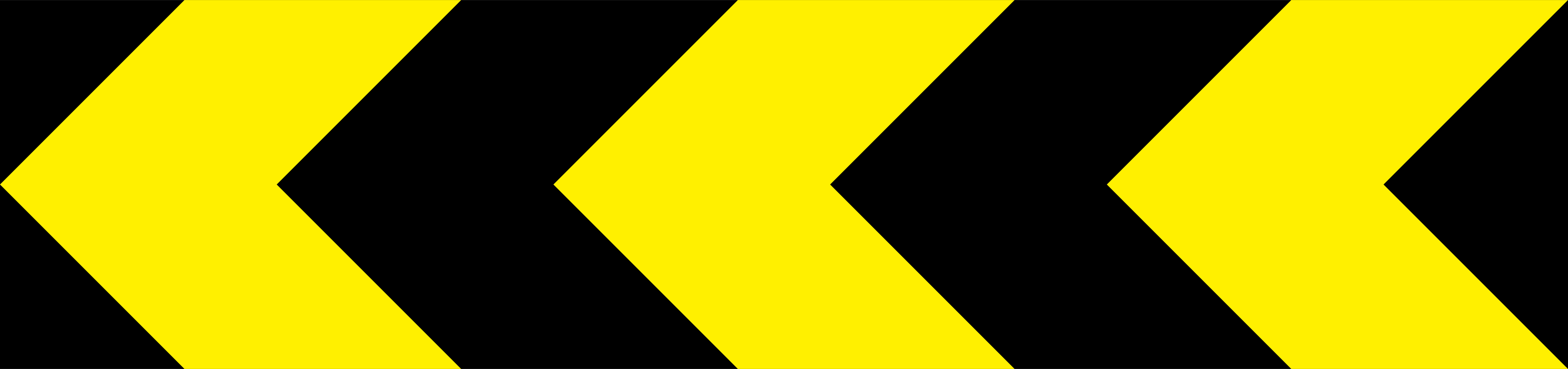
Triple chevron board, bends left
This long board, made up of three chevrons pointing left, is placed where drivers need a clear view of a left-hand turn from a distance.
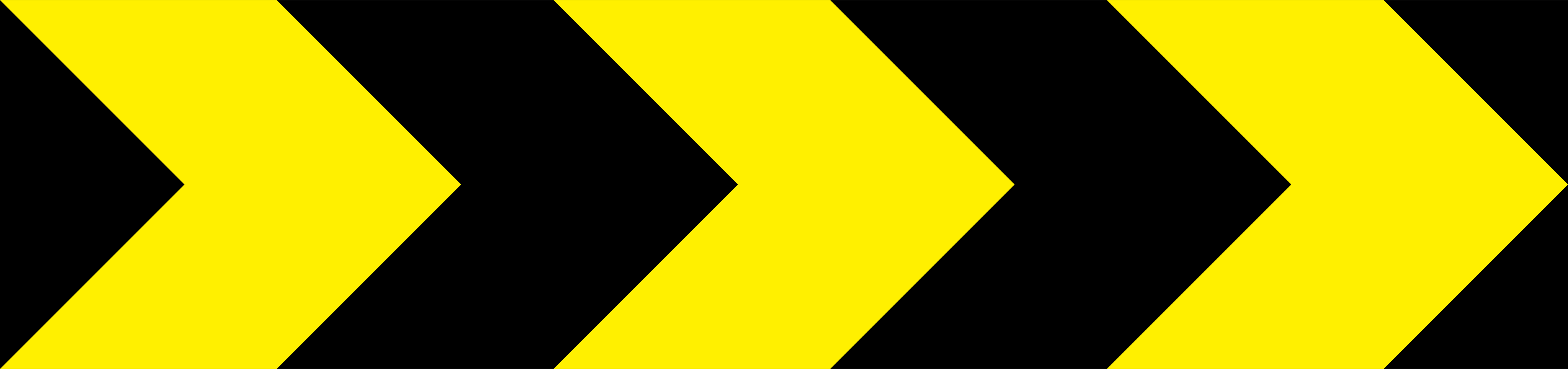
Triple chevron board, bends right
To show the line the road takes, three chevrons fill this long board on the outside of the right-hand bend.
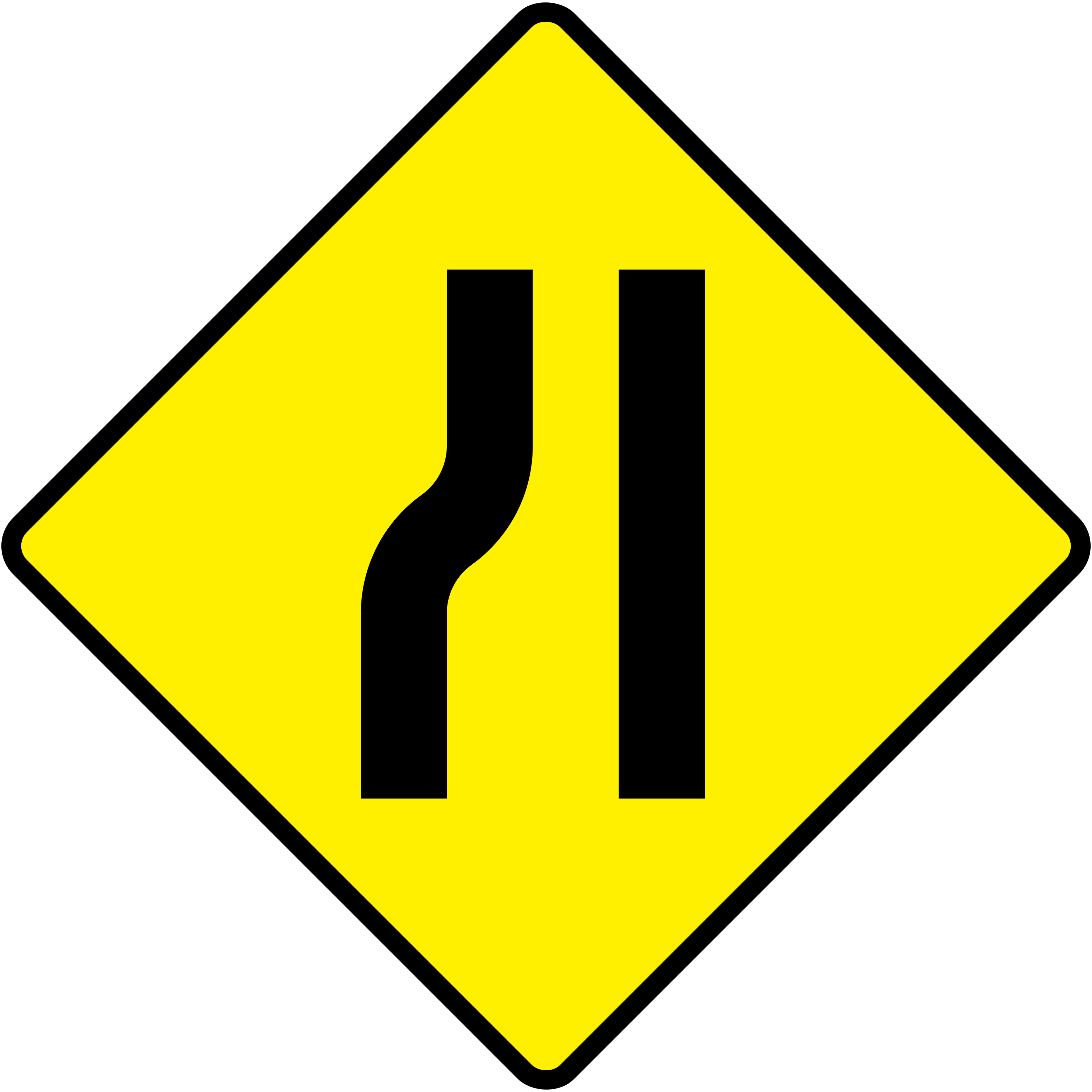
Road narrows on the left
The left-hand edge of the road closes in further on; there is less room on that side, and oncoming traffic may need space.
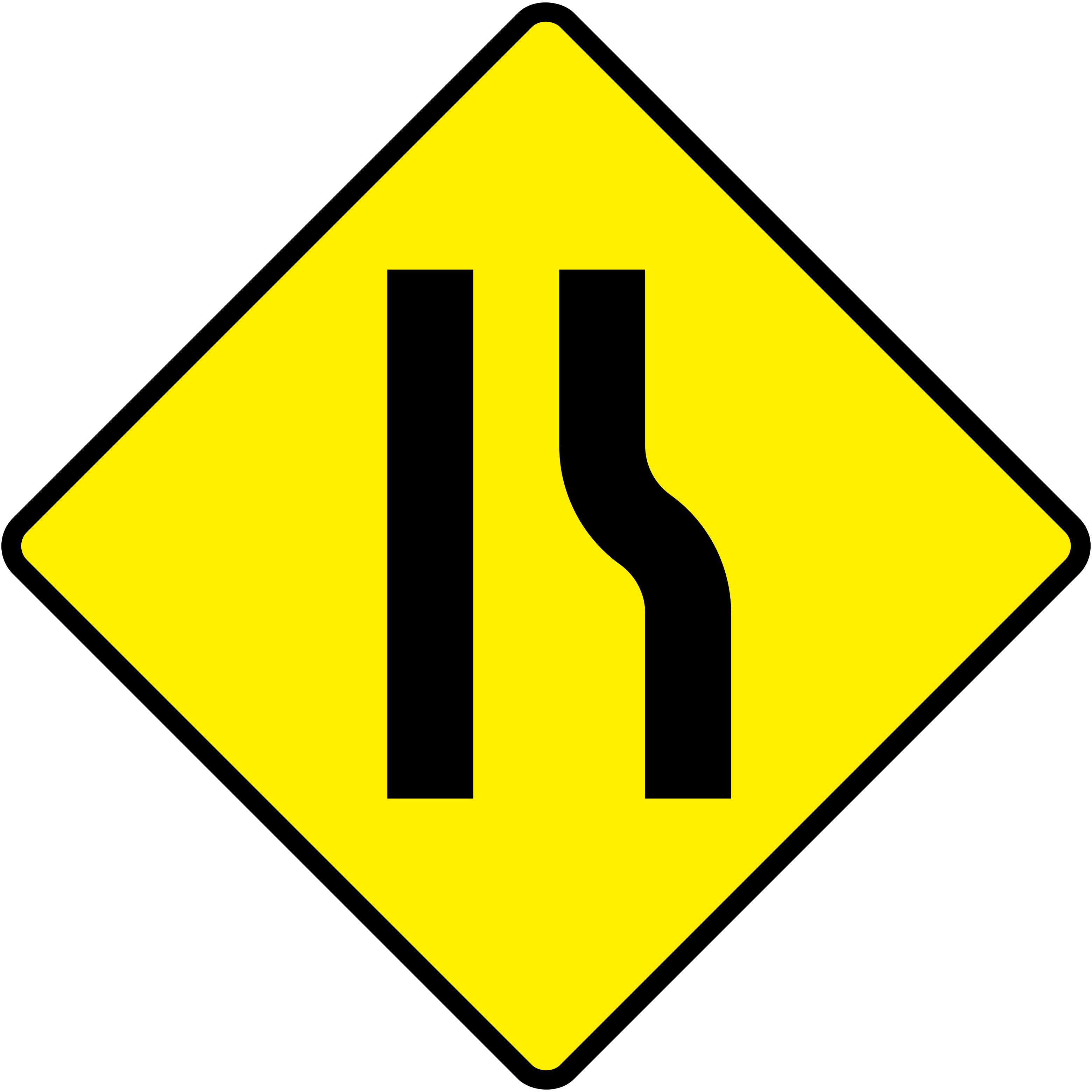
Road narrows on the right
Move slightly left if it is safe and be ready to slow for oncoming traffic: the road loses width on its right-hand side further on.
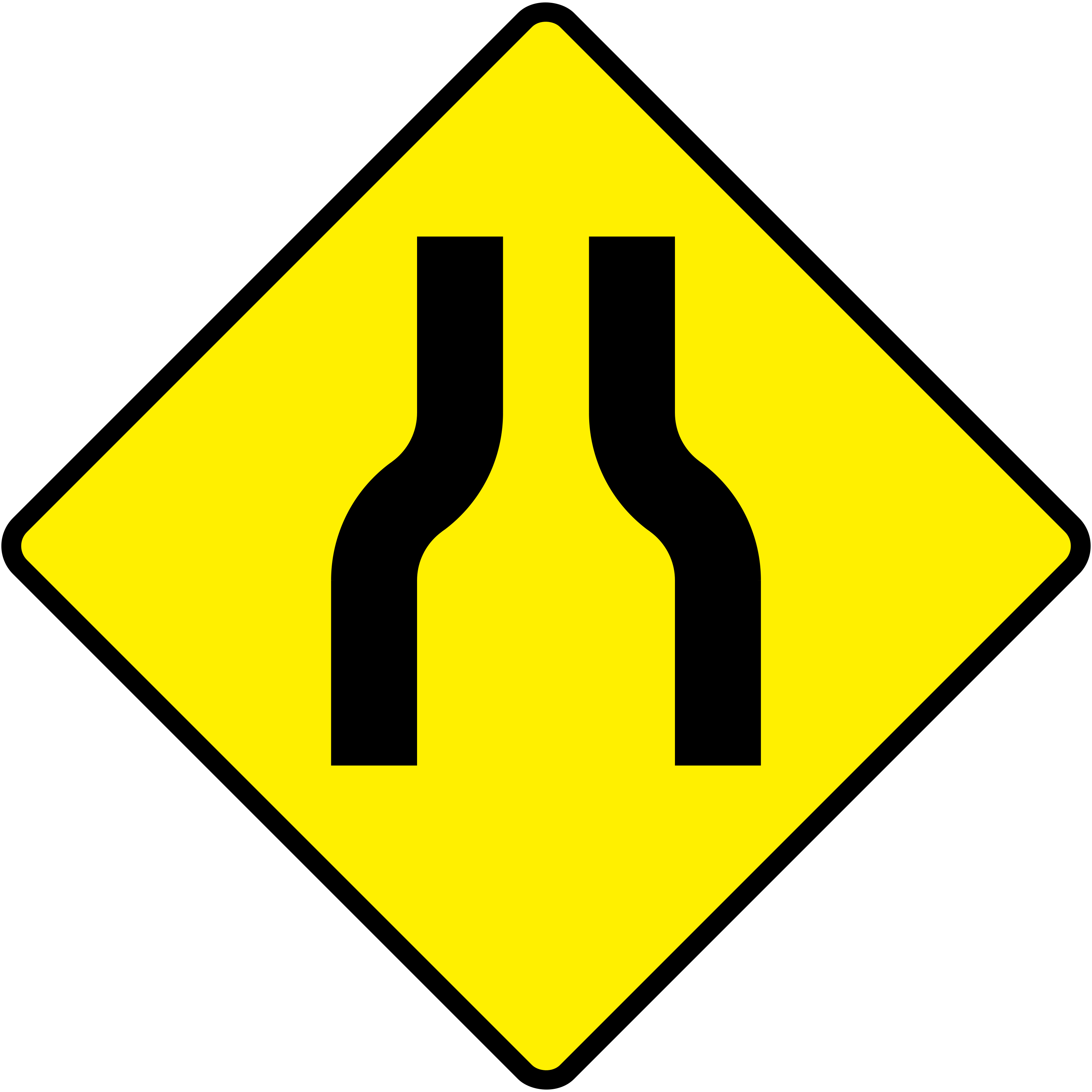
Road narrows on both sides
Both edges of the road come in further on, leaving a narrow stretch where two vehicles may not pass easily; slow and judge the gap.
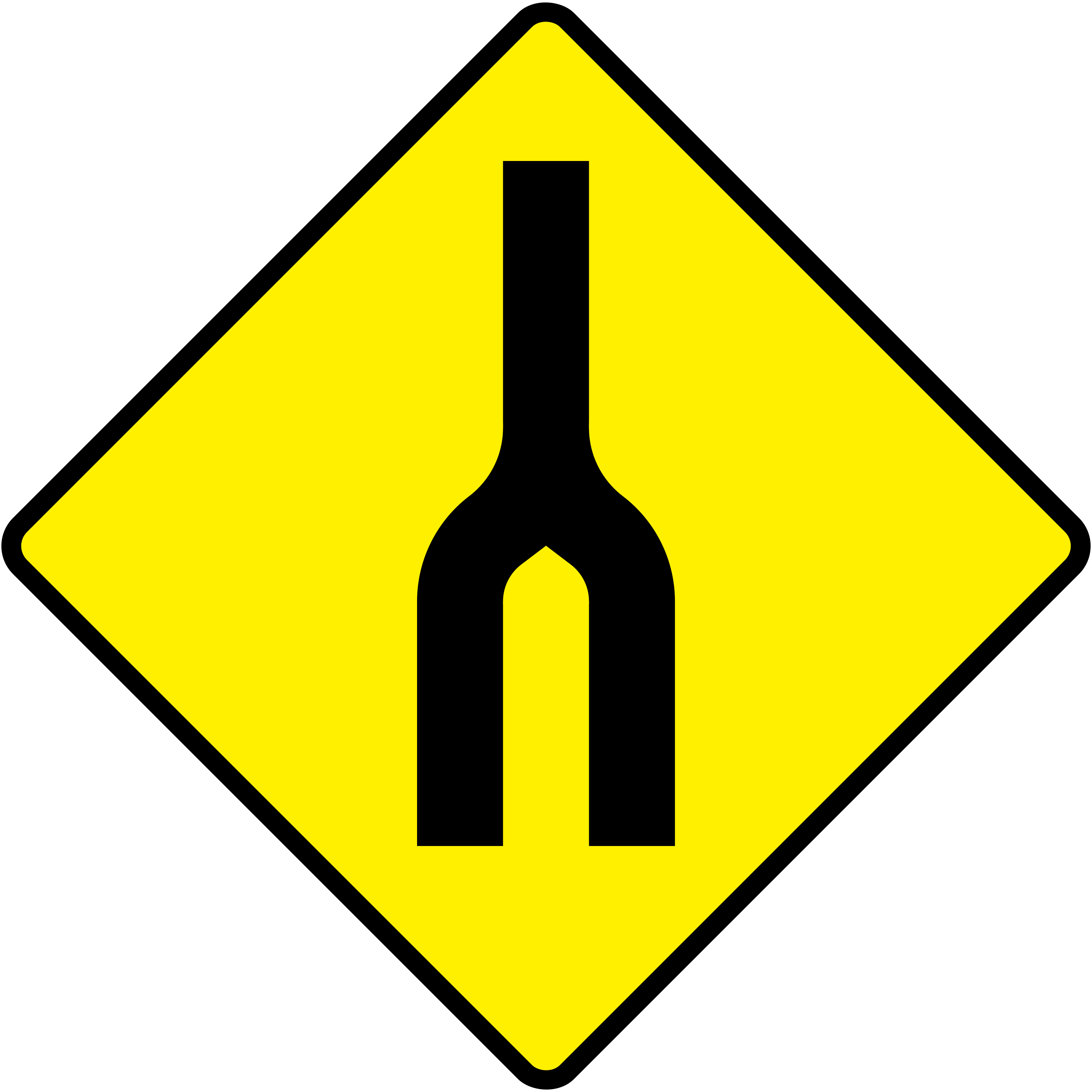
Dual carriageway ends
From the point where the two separated carriageways come back together, you face oncoming traffic on the same road again.
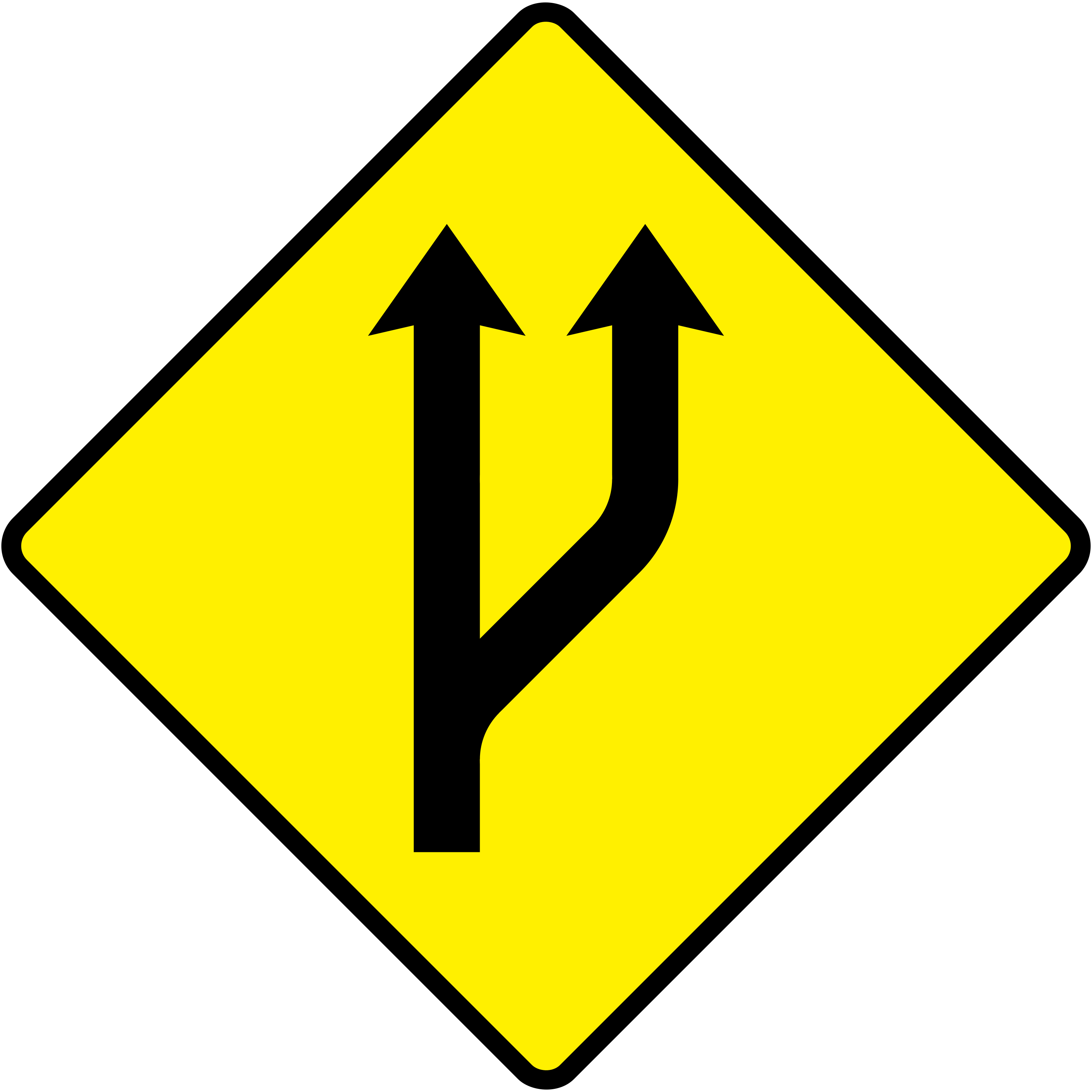
Overtaking lane ahead
An extra lane opens up further on for overtaking; use it to pass and return to the left before it ends.
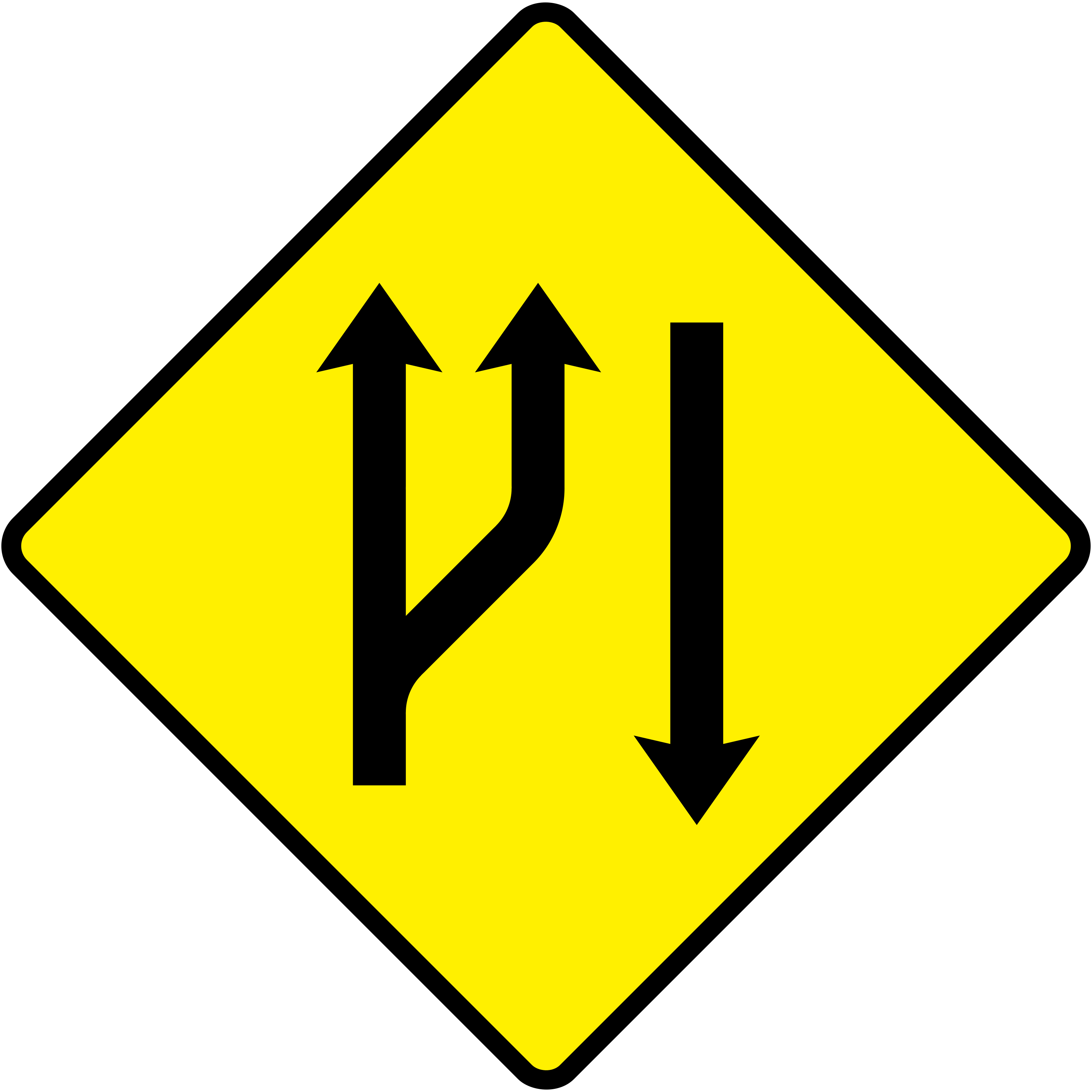
Climbing lane ahead
Slower vehicles can keep left while faster traffic passes them, because an extra lane is added on the climb.
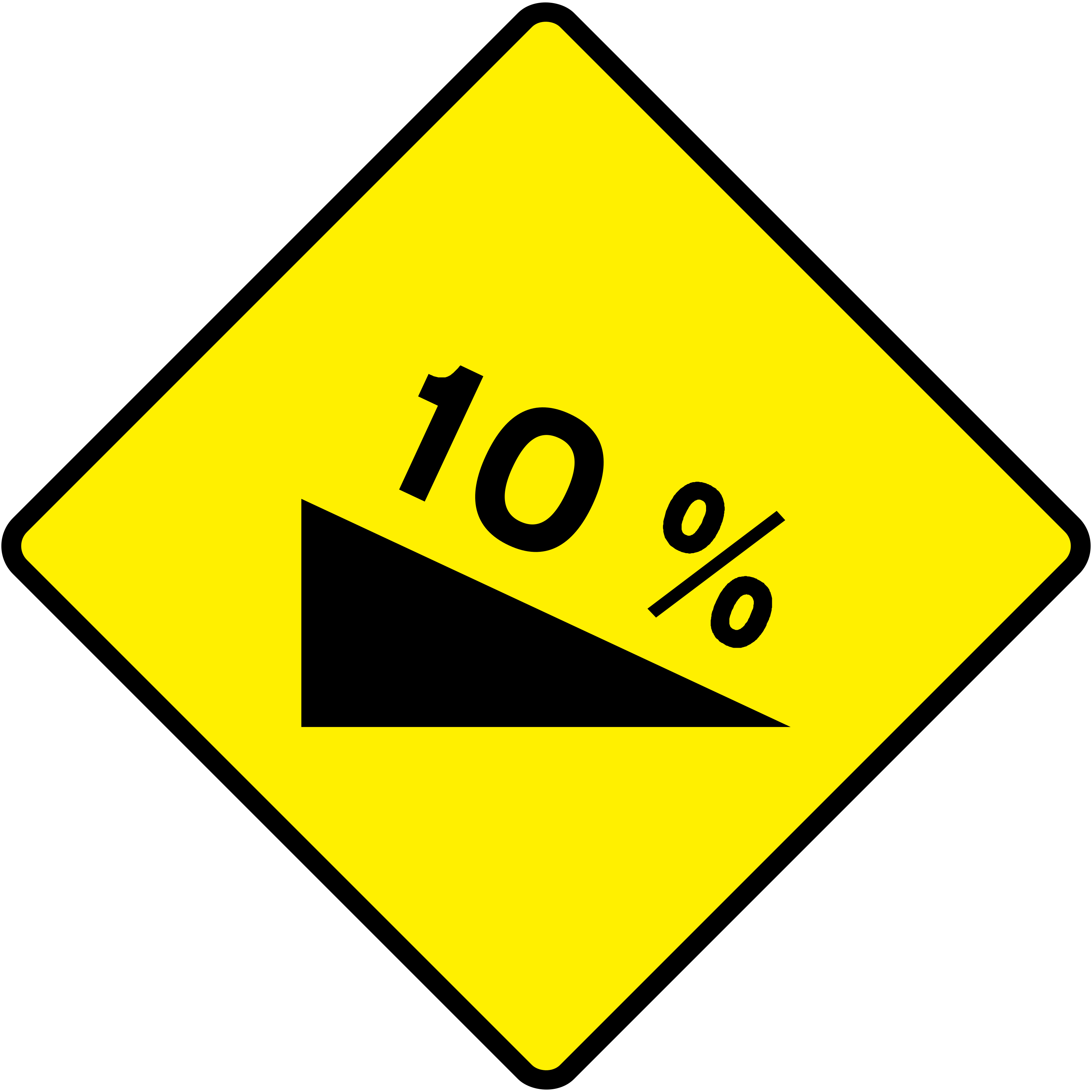
Steep descent ahead
Choose a lower gear before you start down and use the engine to hold your speed: the road drops steeply from here.
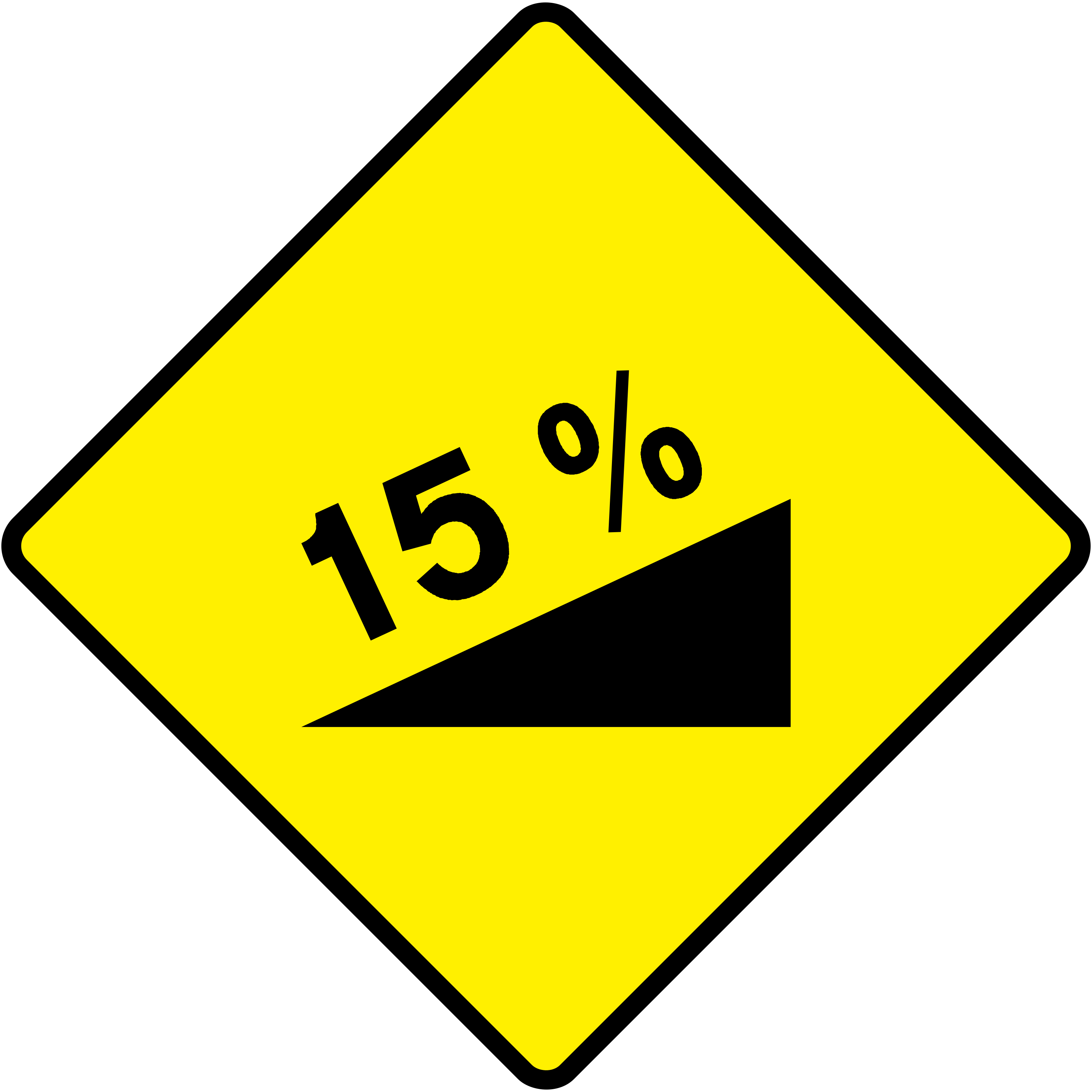
Steep climb ahead
Select a gear that will pull the steep uphill stretch coming up, and expect slower vehicles in front of you.
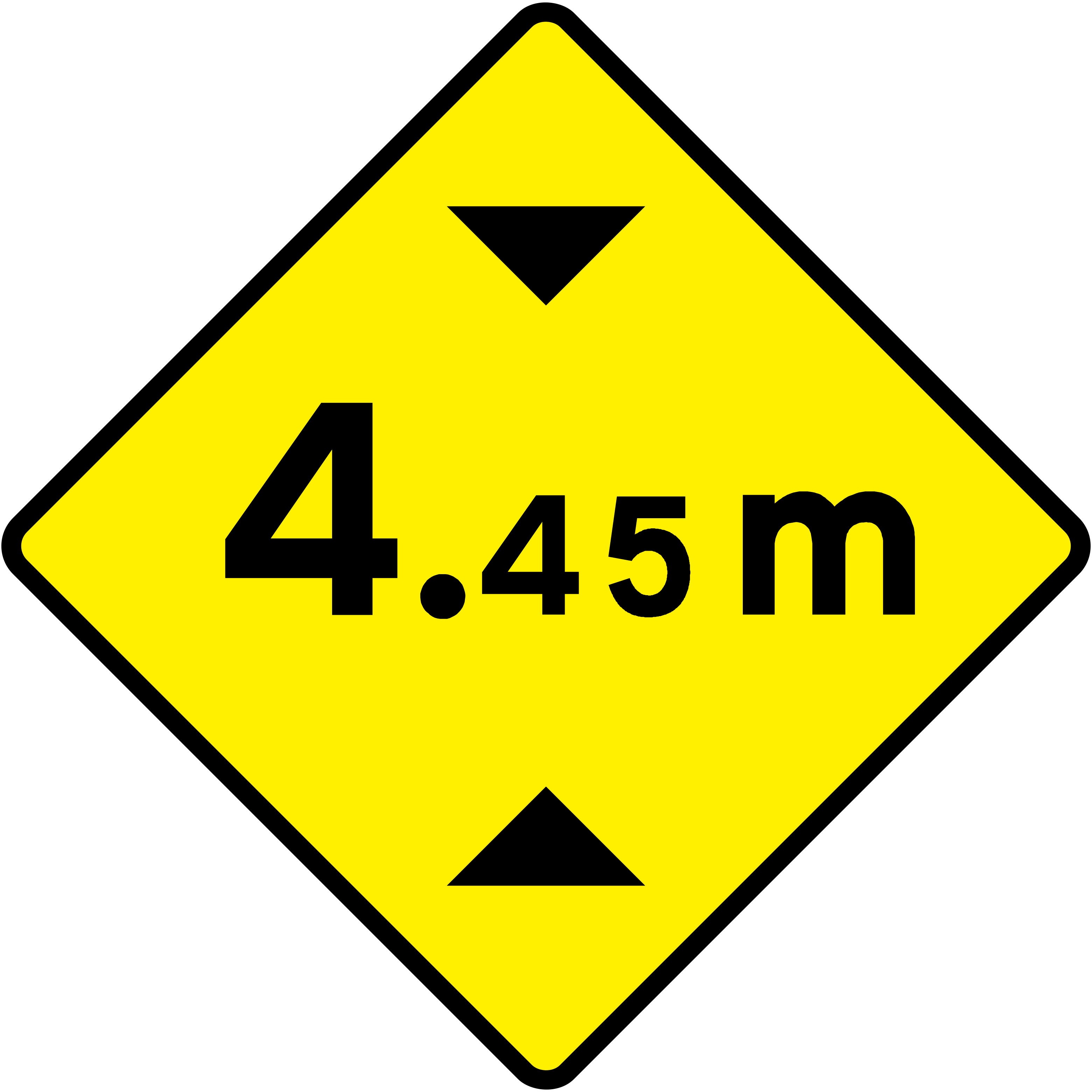
Height limit ahead
Check the figure on the sign against your own vehicle: a low structure on this road limits the height of vehicles that can pass.
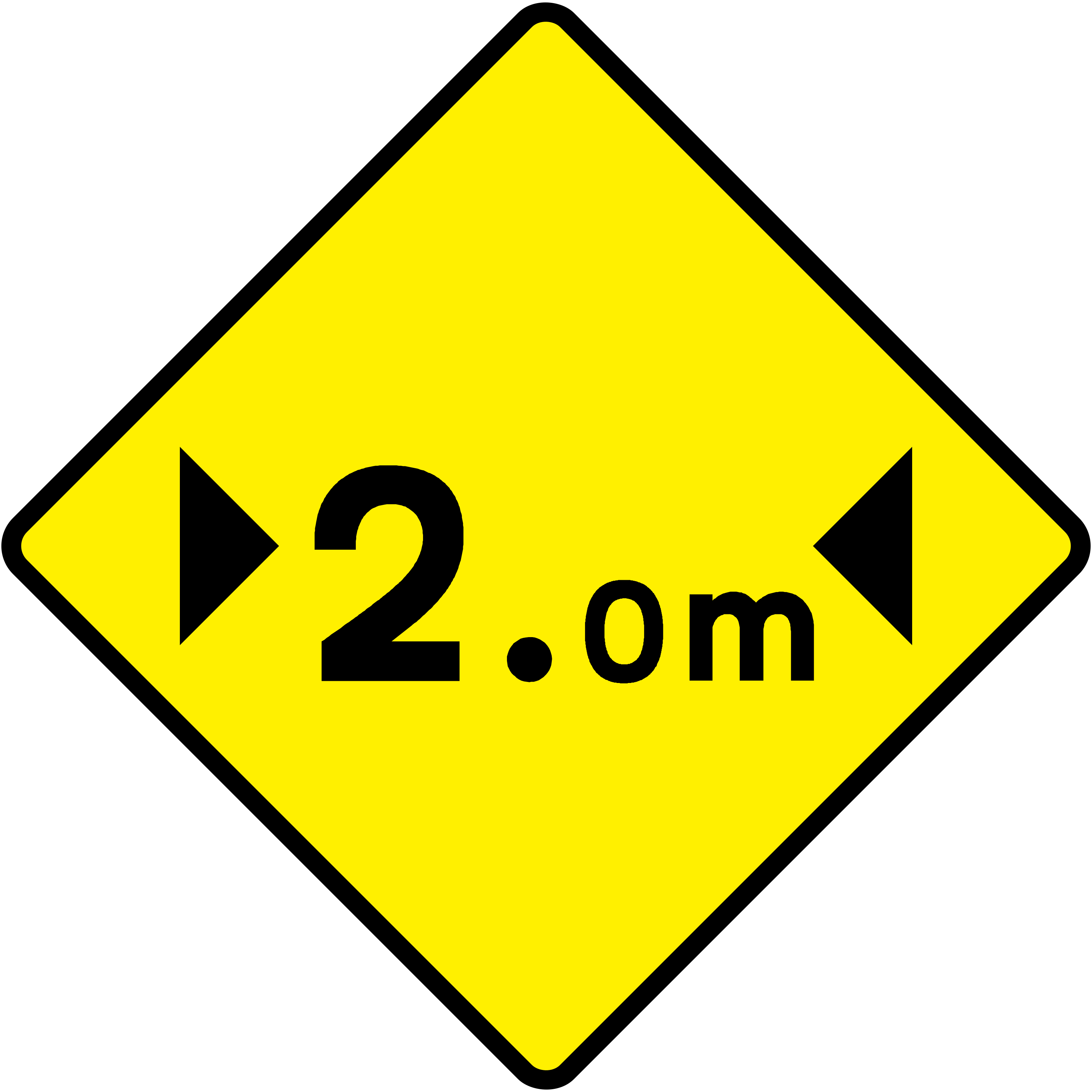
Width limit ahead
The road or a structure here is too narrow for wide vehicles; the figure shown gives the greatest width that will fit.
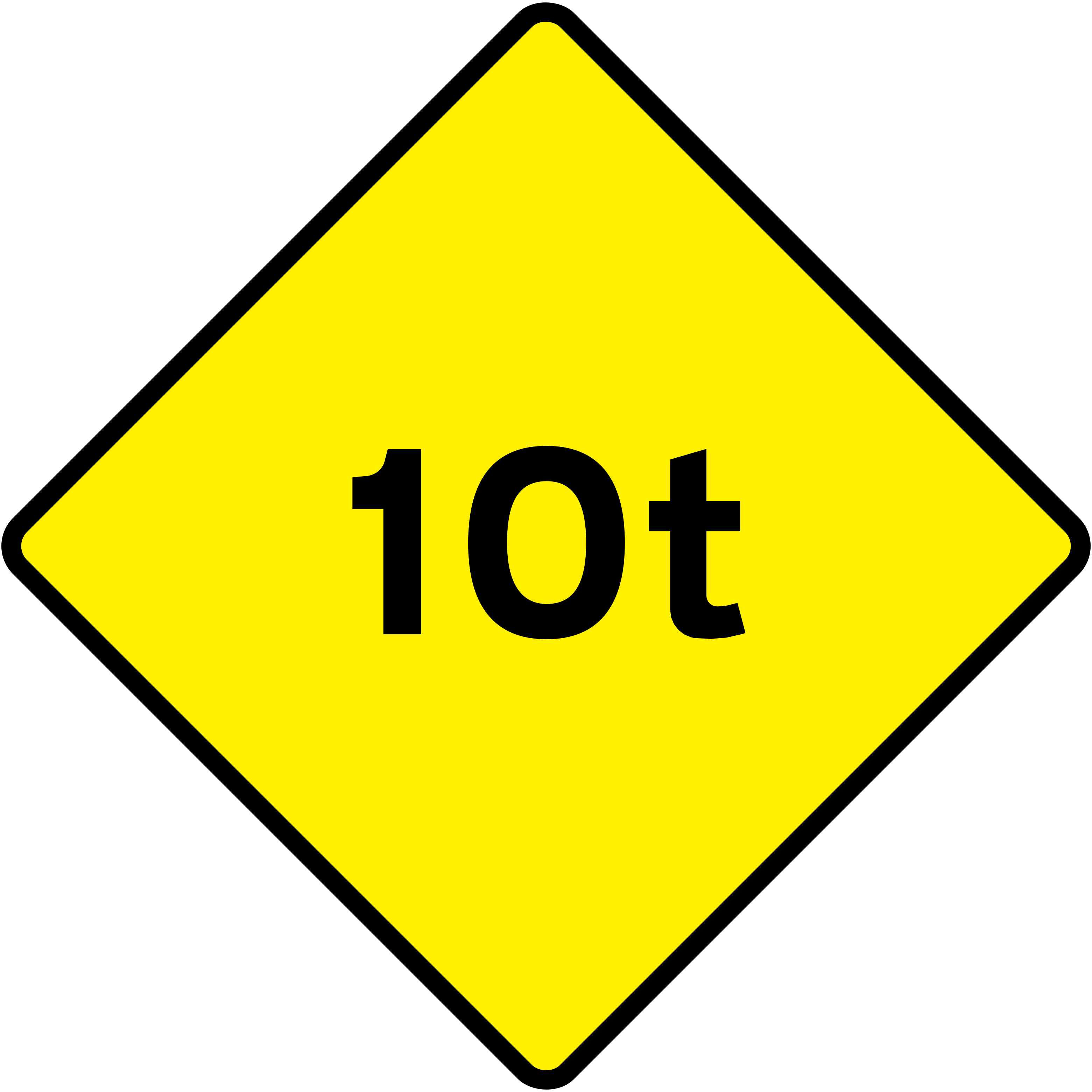
Weight limit ahead
Drivers of heavy vehicles should compare the figure on the sign with their laden weight, because a weight limit applies on this road.
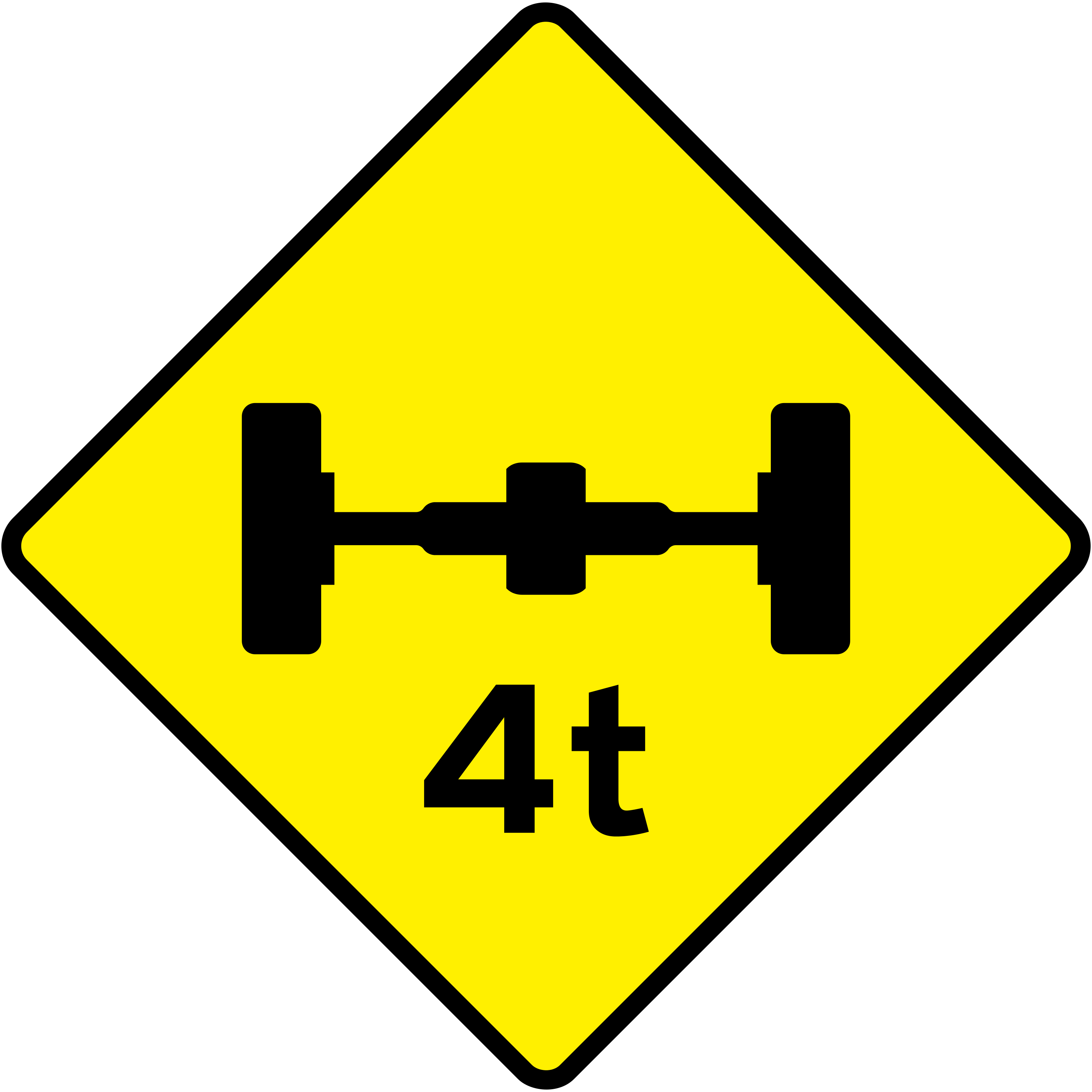
Axle weight limit ahead
This matters for lorries and loaded trailers rather than ordinary cars: this road restricts how much weight one axle may carry.
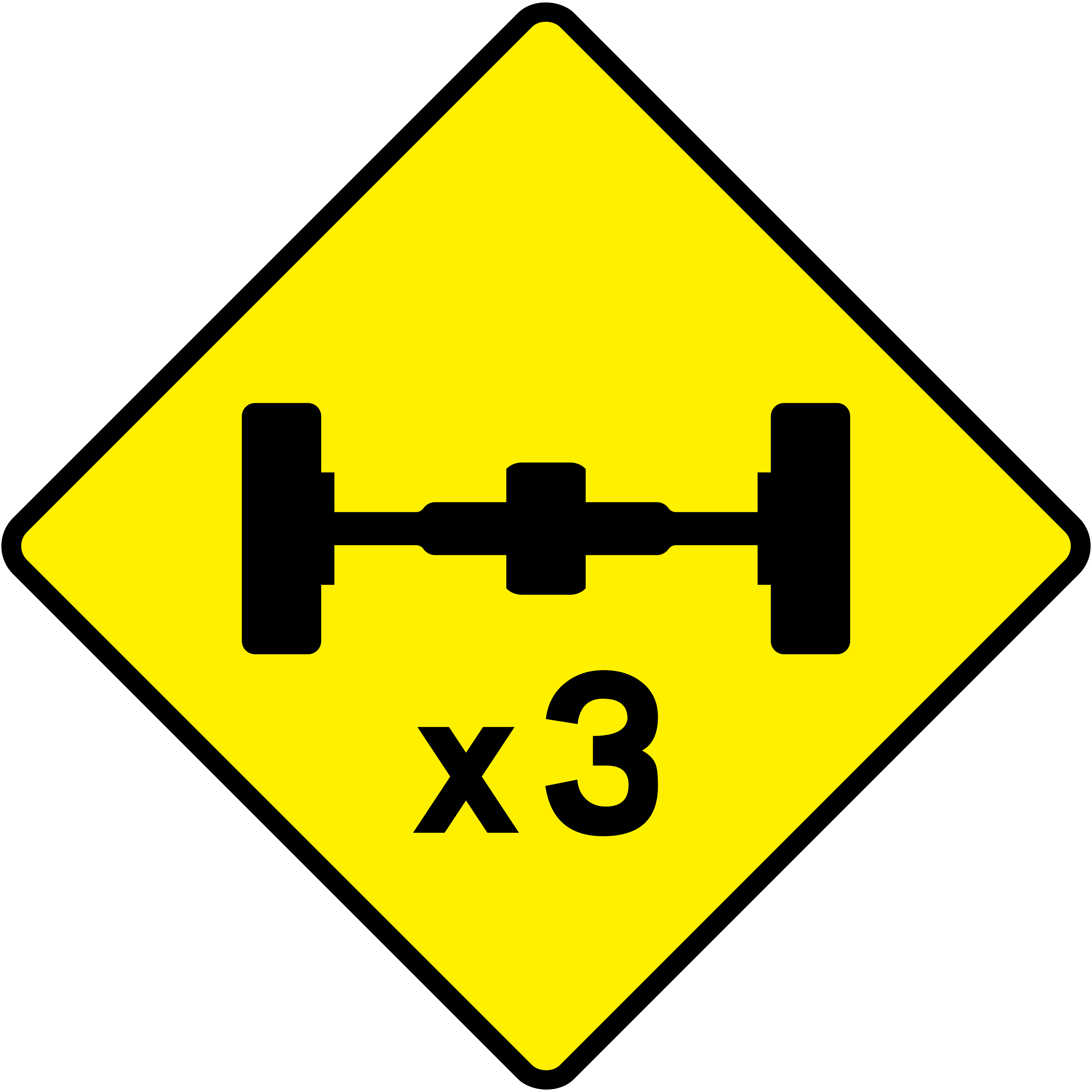
Limit on the number of axles
Long lorries need to find another route: vehicles with more than the number of axles shown are kept off this road.
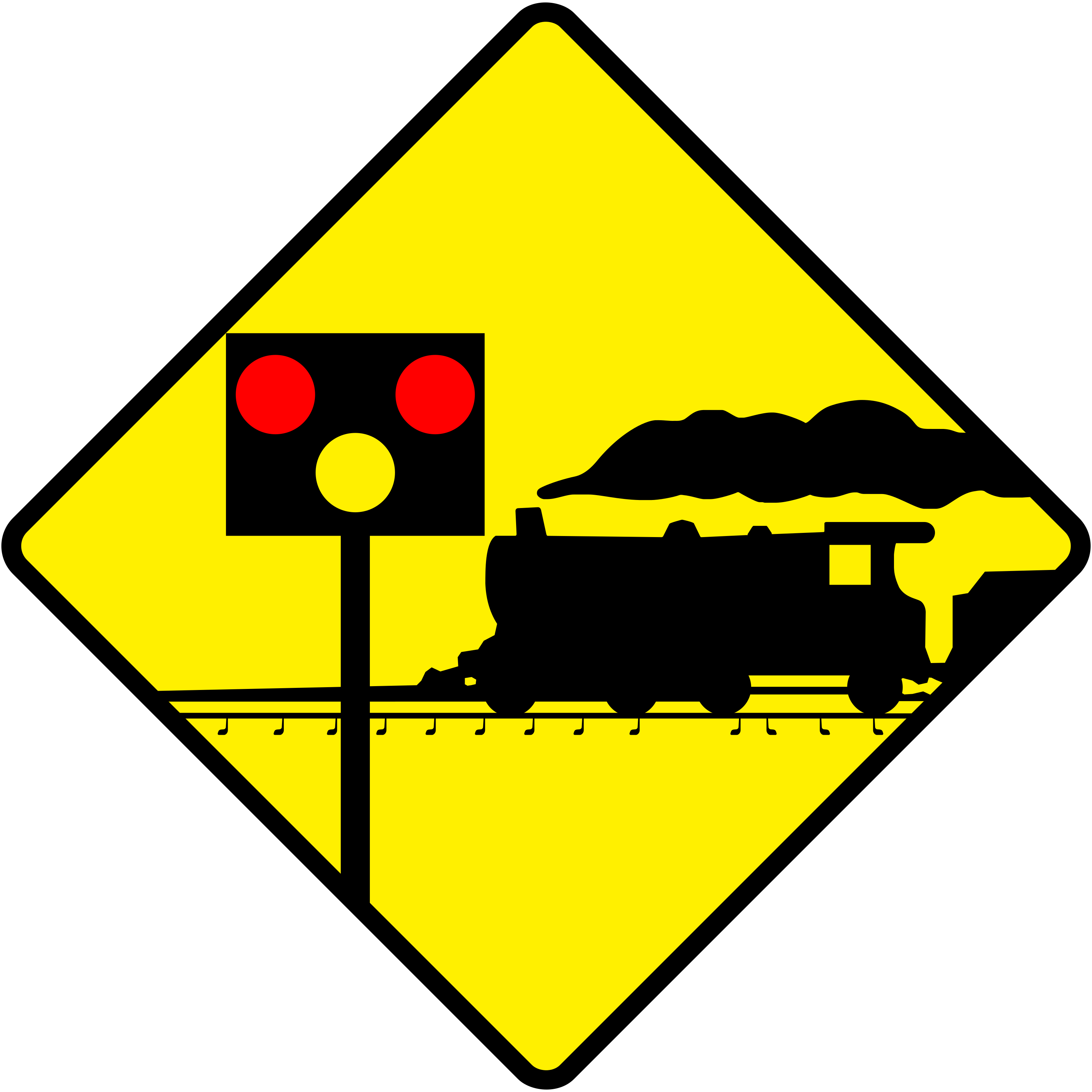
Level crossing with flashing signals
When the red lights at the railway crossing flash, you must stop and wait clear of the tracks.
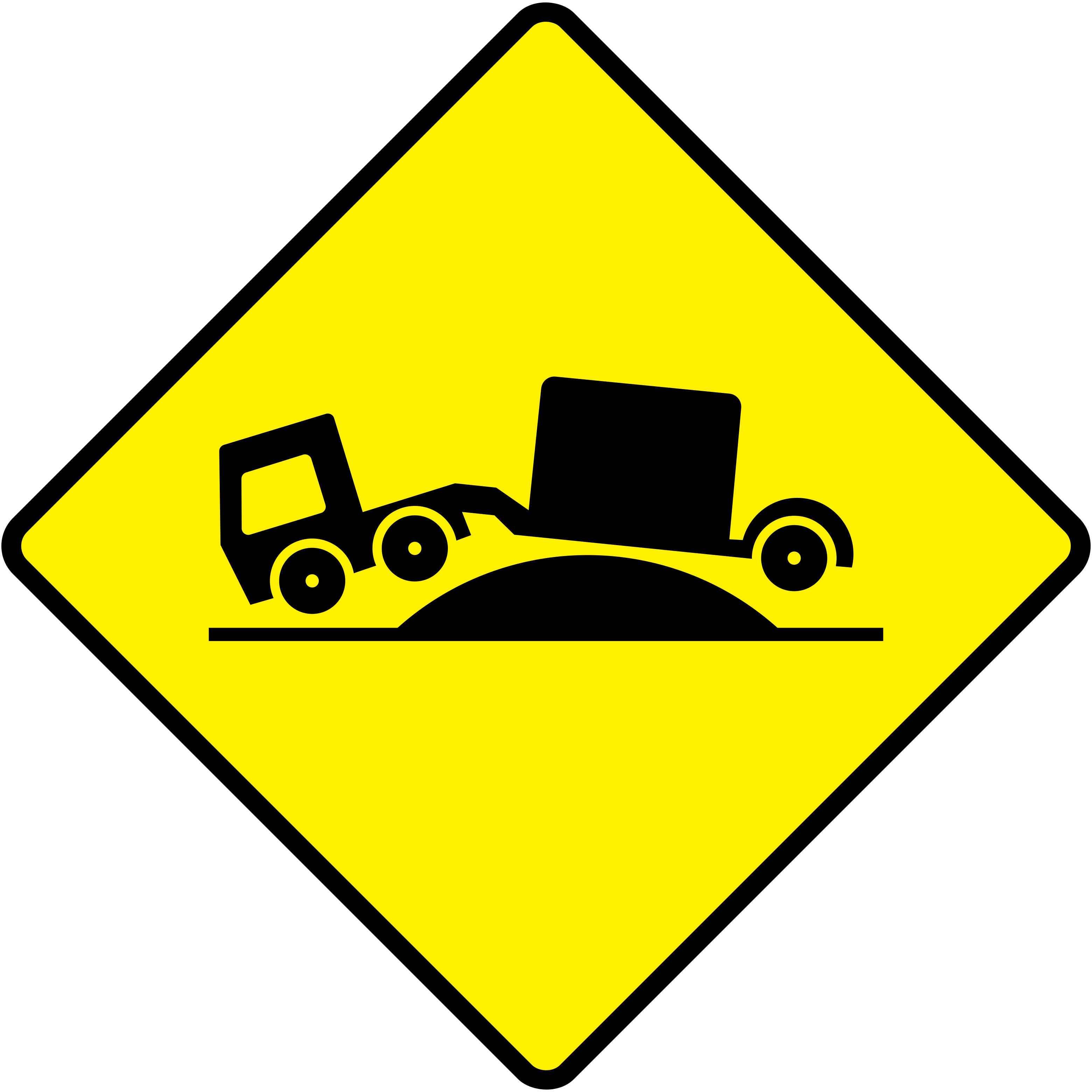
Risk of grounding
Drivers of long low vehicles should cross the hump or dip slowly and with care, as it can catch the underside.
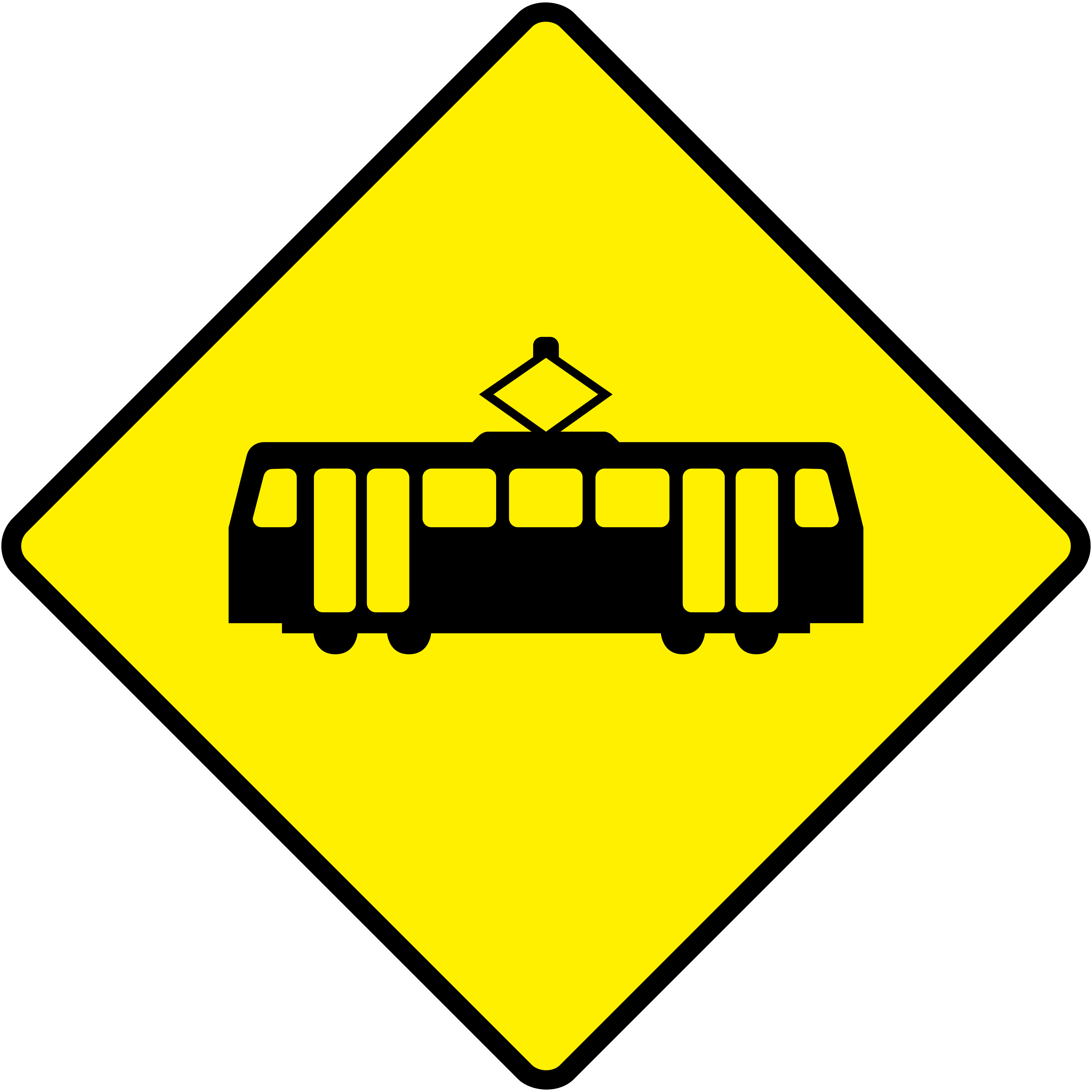
Tram crossing ahead
Look along the tracks in both directions, and never stop where you would block them: trams cross the road here.
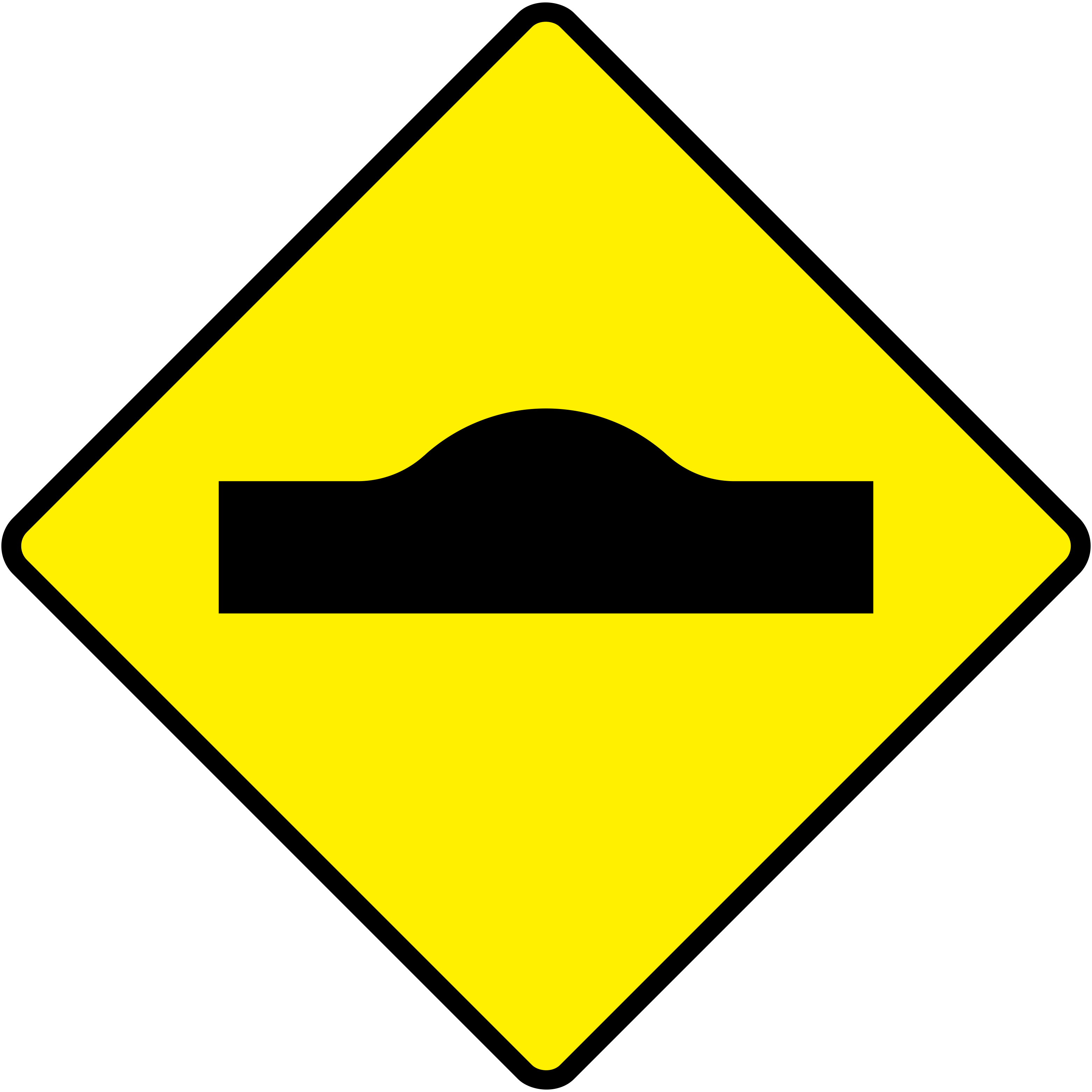
Road hump or ramp ahead
Ease off well before the raised humps rather than braking on top of one; one or more of them cross the road to slow traffic.
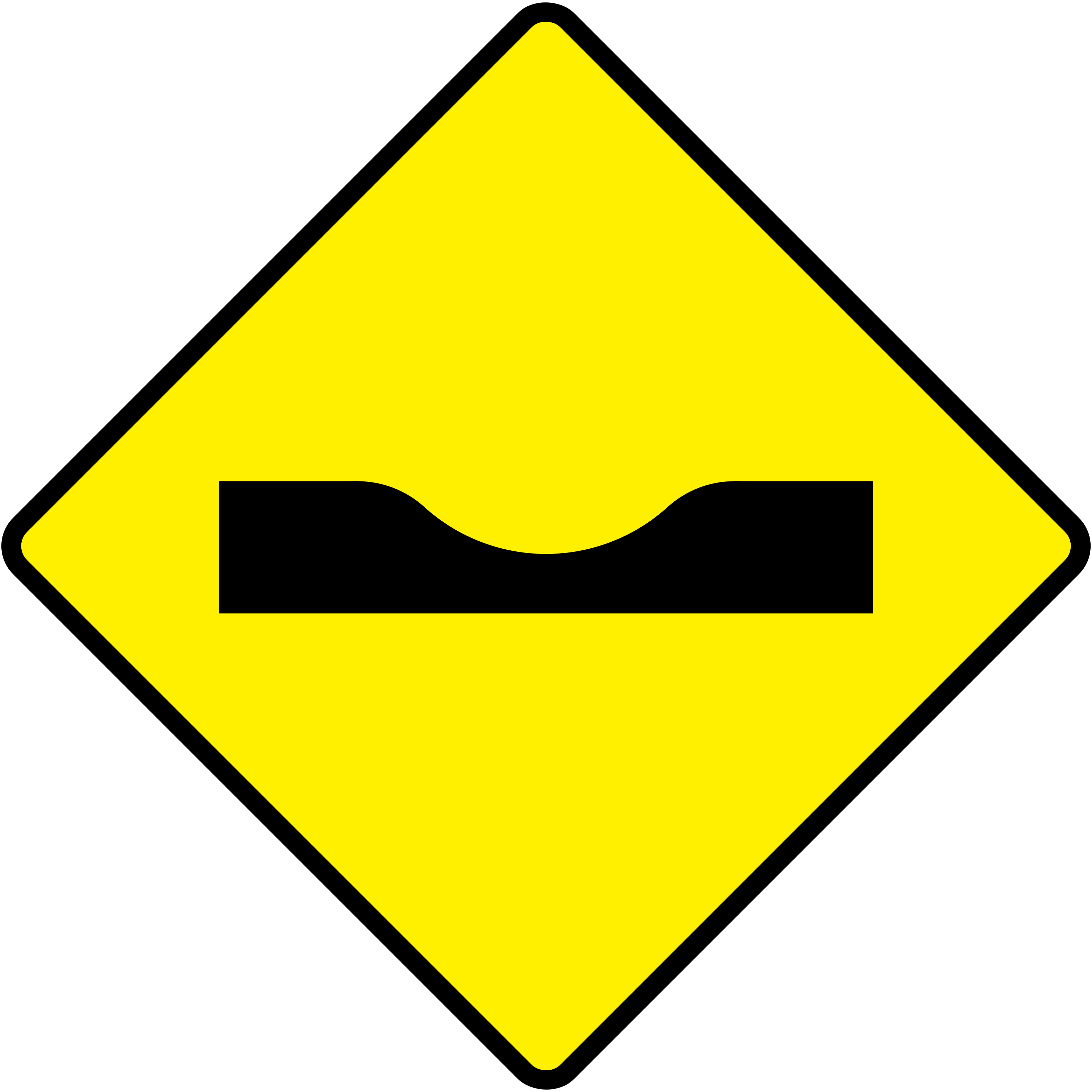
Dip in the road
A dip can hide an oncoming vehicle and unsettle the car if you take it fast; the surface drops away into it.
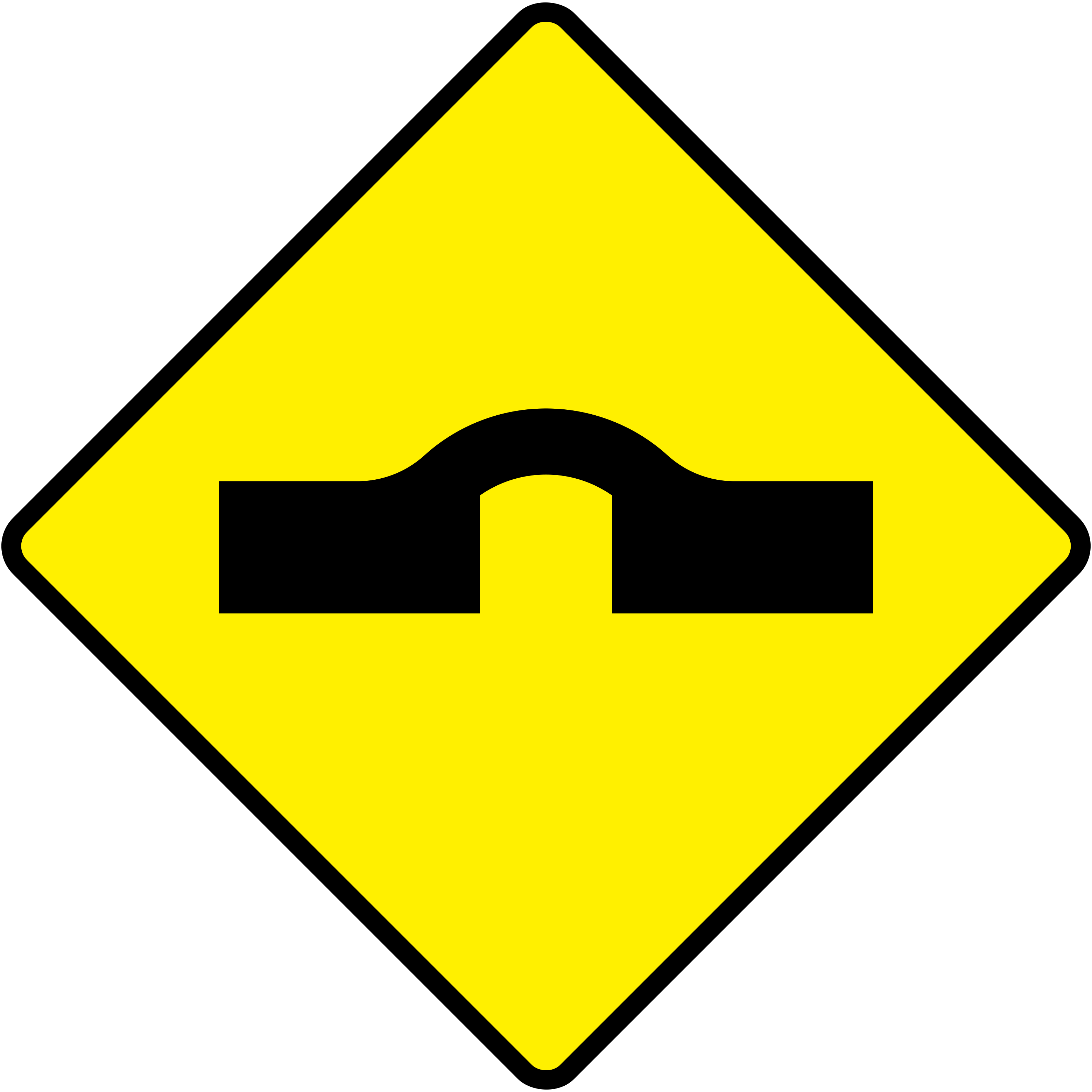
Humpback bridge ahead
Slow down, keep left and do not overtake on the bridge, which rises to a hump that hides the road beyond.
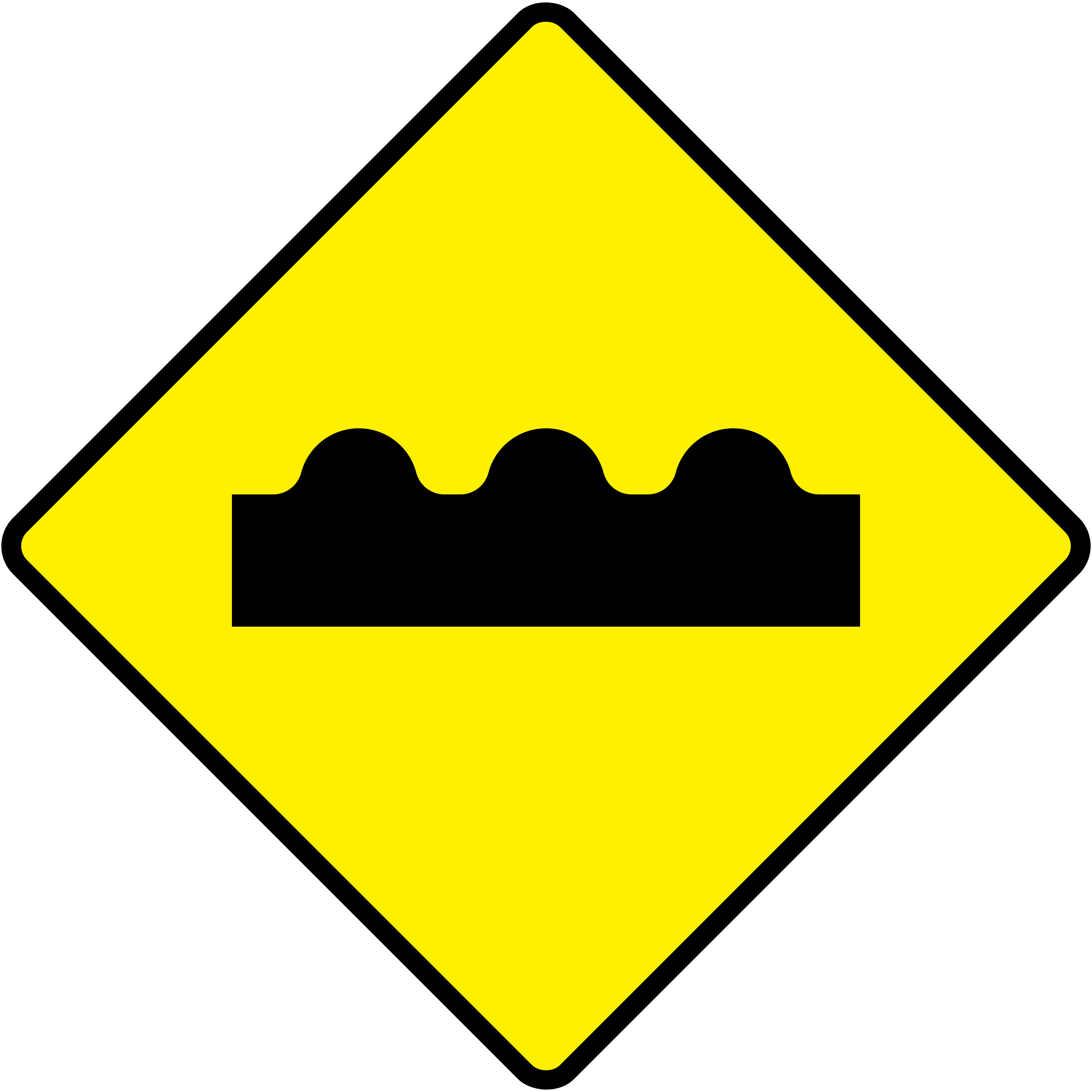
Uneven road surface
Where bumps, ruts or broken surface lie, hold the wheel firmly and reduce speed, and give cyclists and motorcyclists extra room.
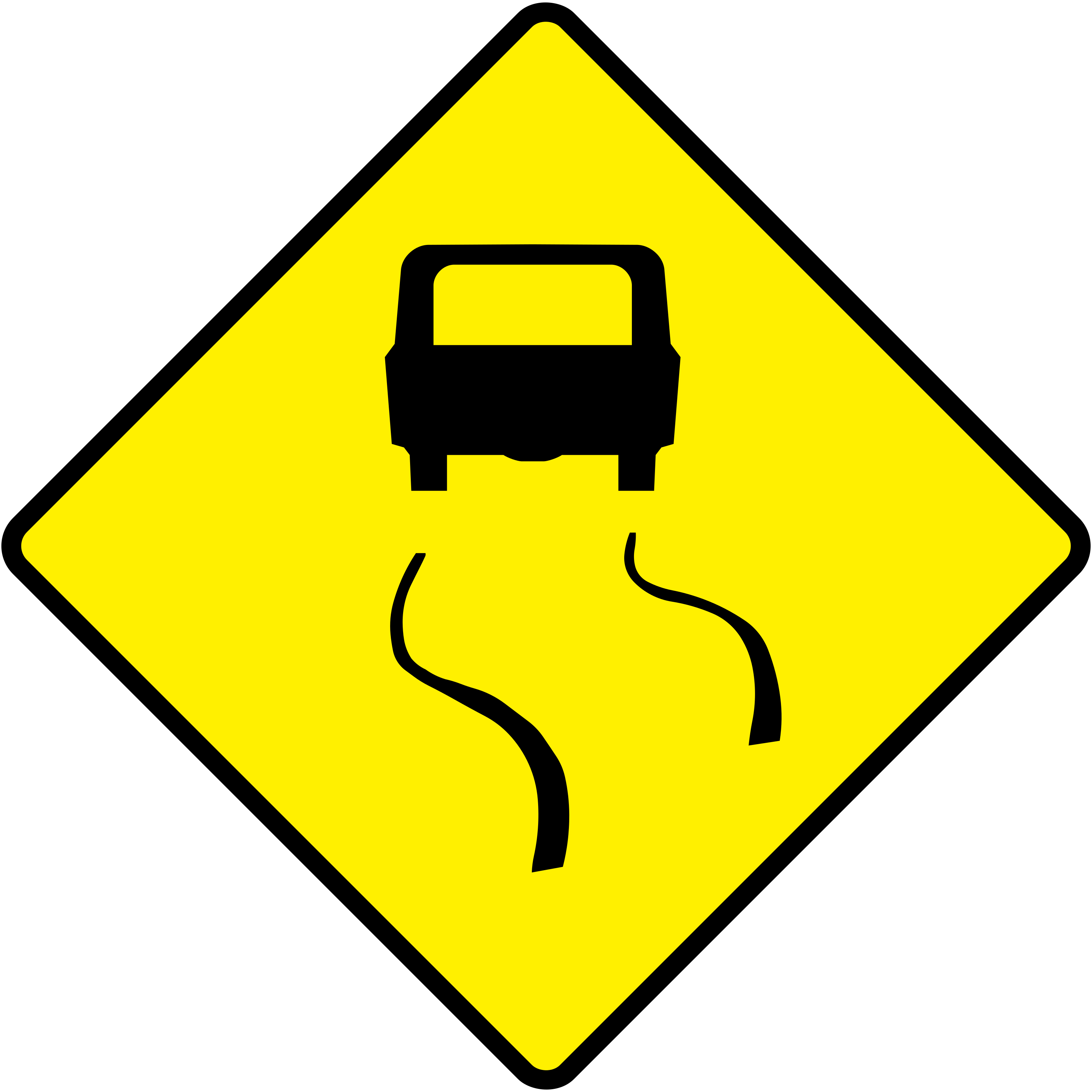
Slippery road surface
Brake and steer gently, leave a longer gap and avoid sudden changes of direction: grip is poor on this stretch.
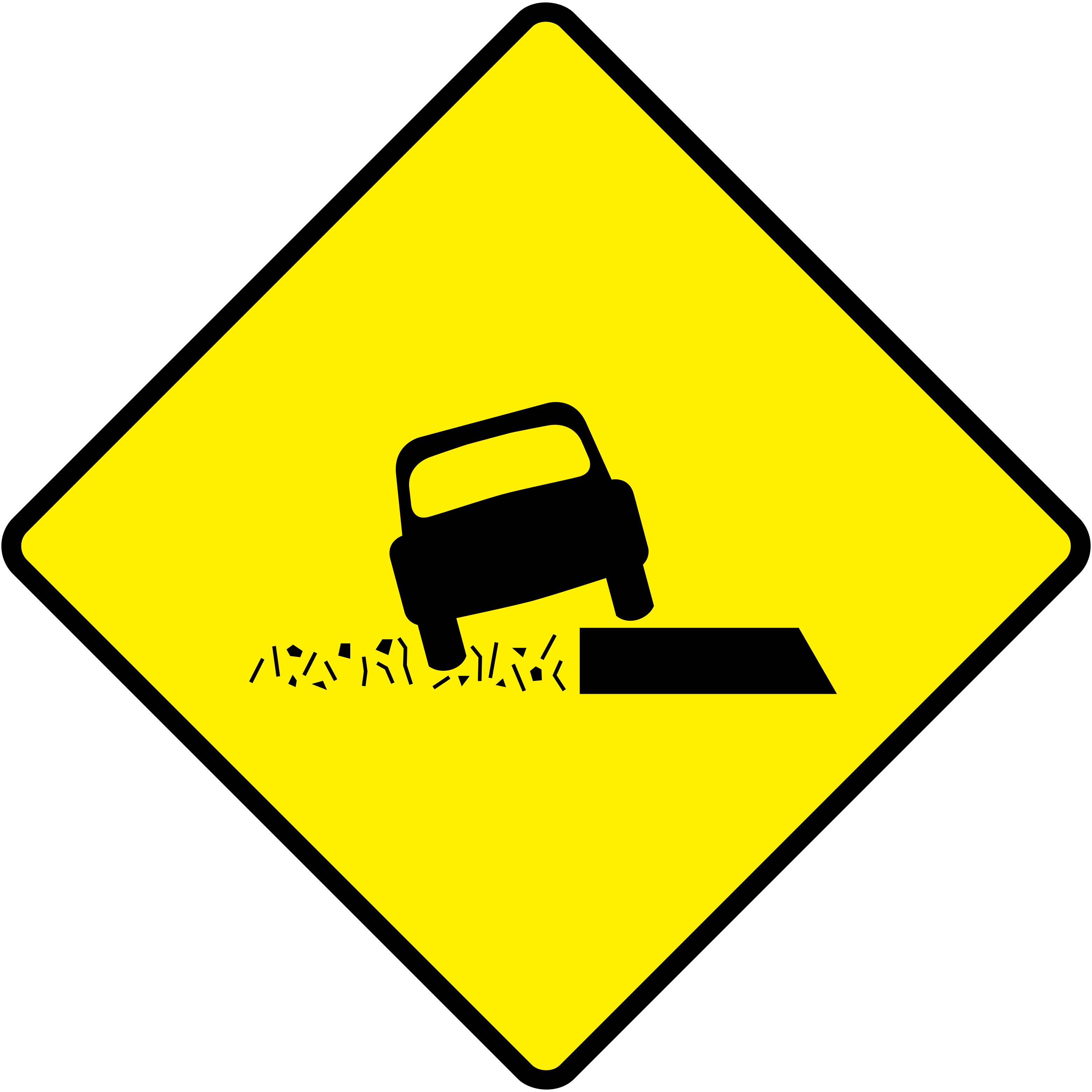
Soft verges
Keep your wheels on the hard surface, because the ground beside the road is soft and a verge can give way under weight.
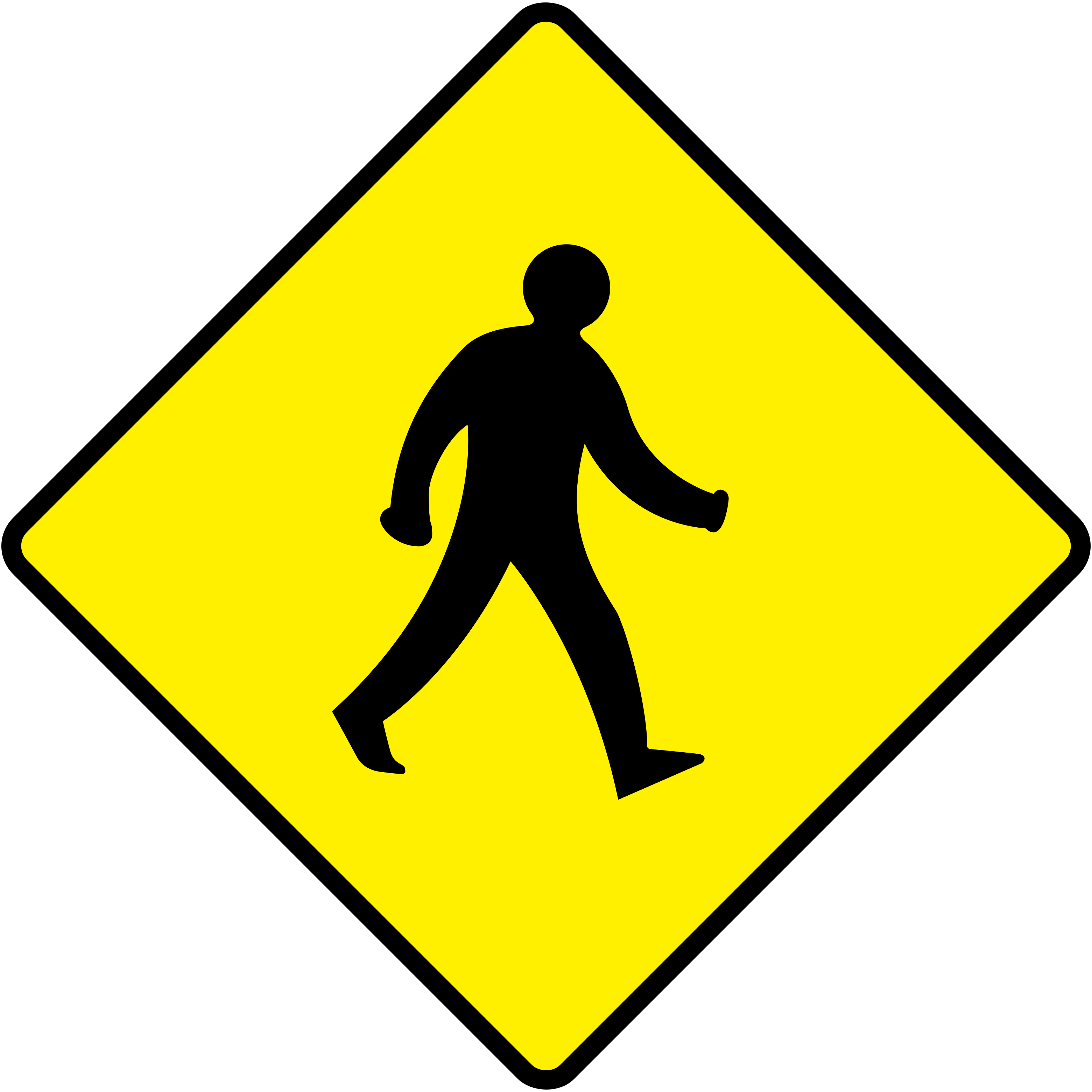
Pedestrians ahead
Watch the edges, cover the brake and be ready to stop: people on foot are likely on or near this road.
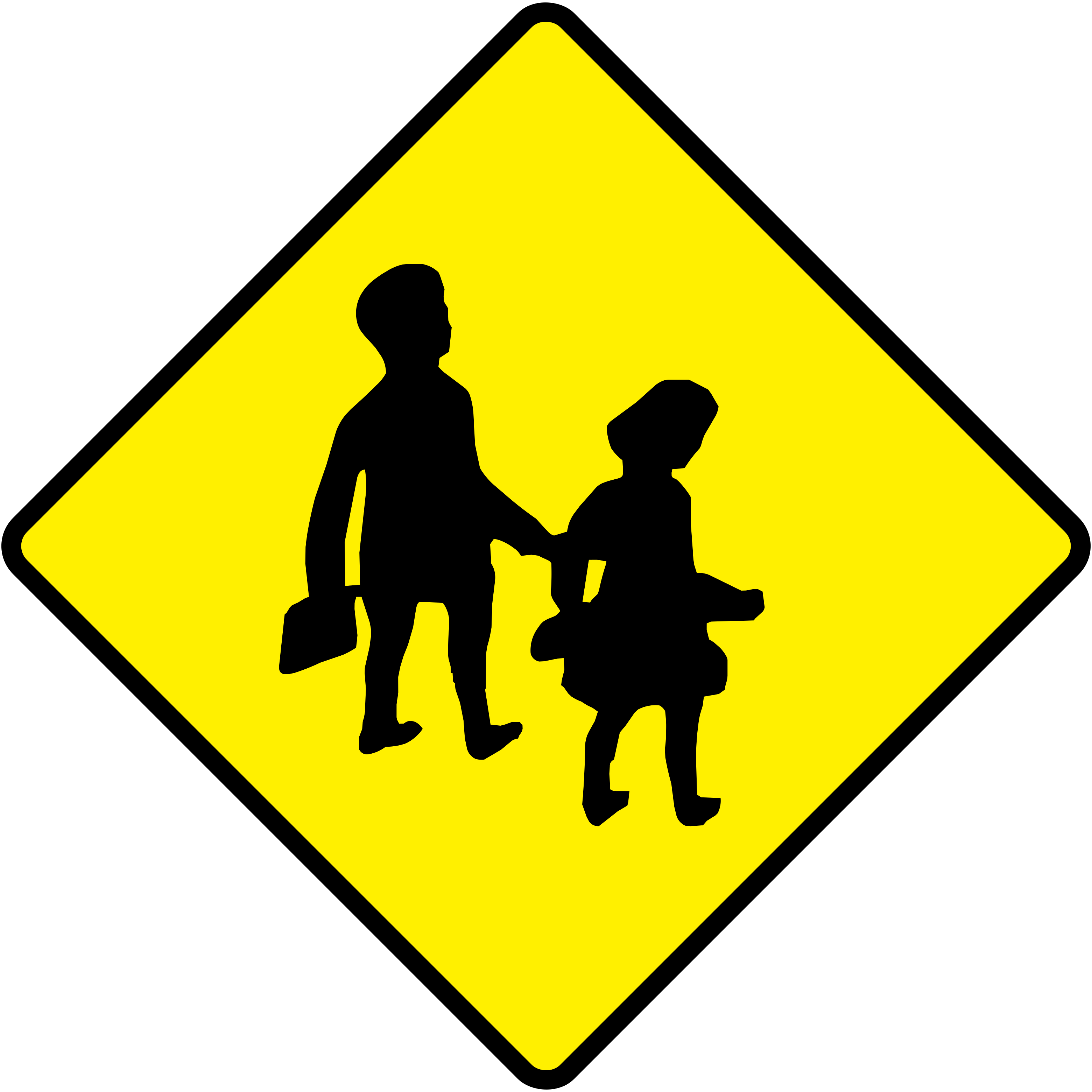
School or playground ahead
Reduce speed and expect children to step out without looking, because they gather near the road at a school or playground.
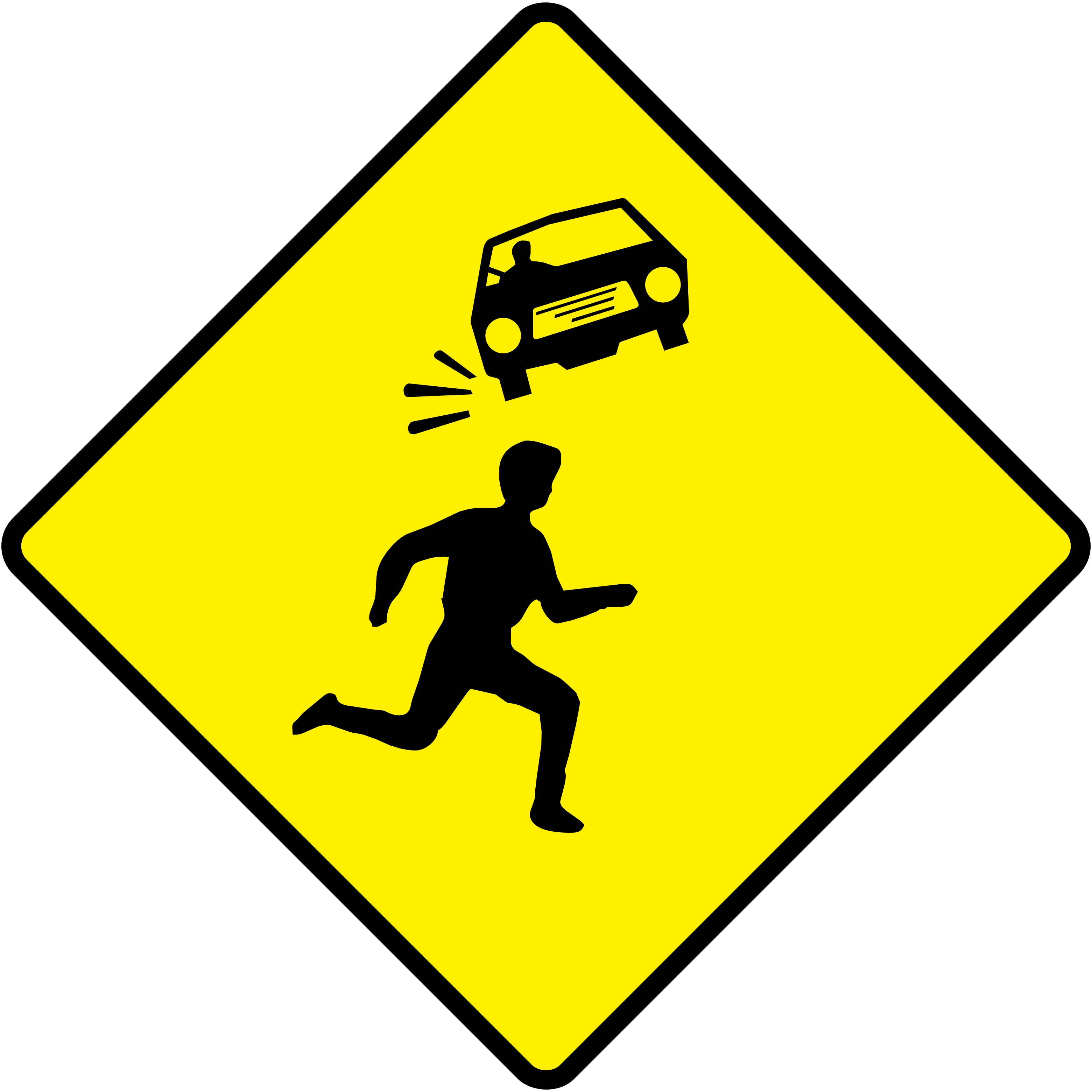
Children on the road ahead
Slow right down and keep looking between parked vehicles, because children may be crossing or playing in the road.
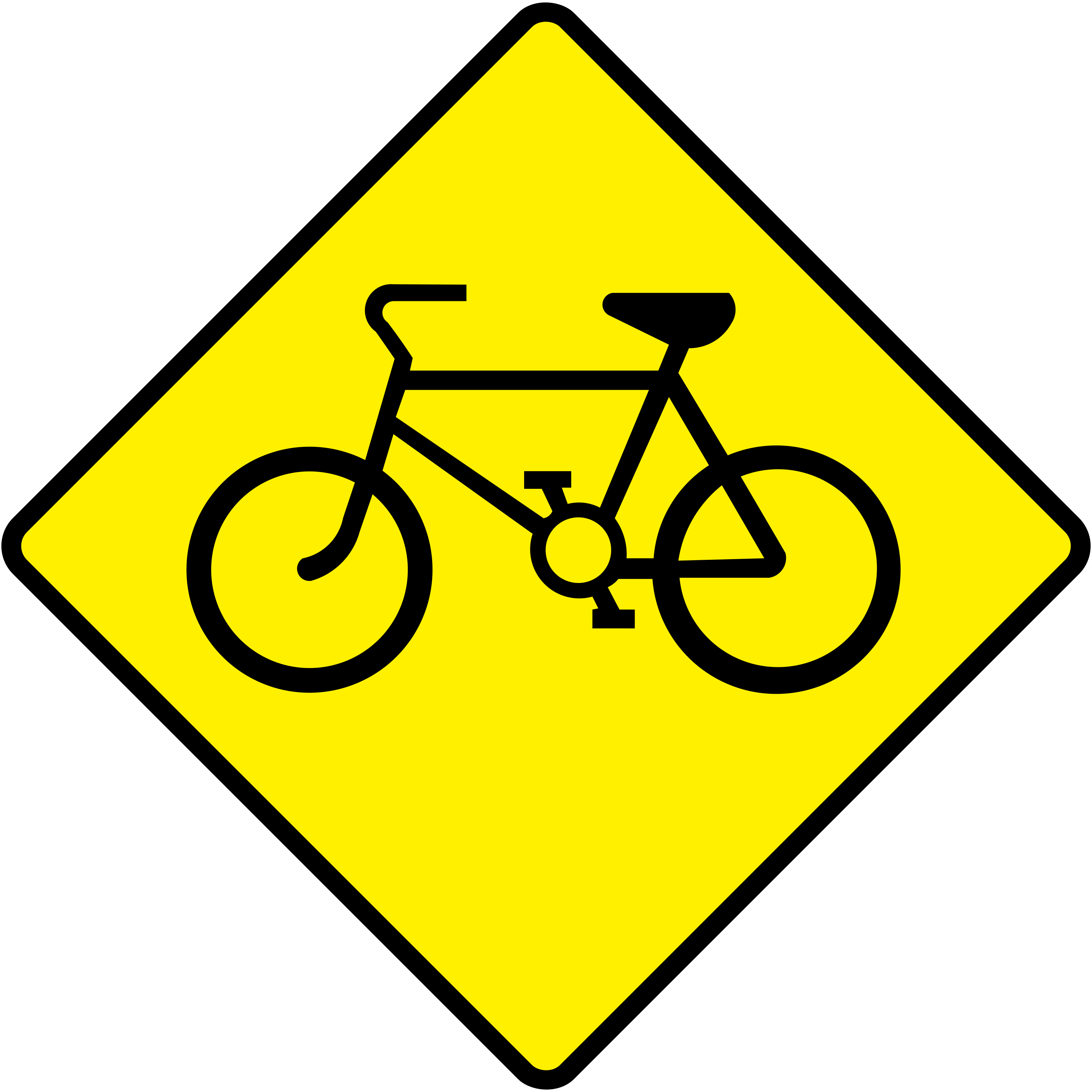
Cyclists ahead
Pass people cycling on or crossing the road wide and slowly, check your mirrors and never cut across.
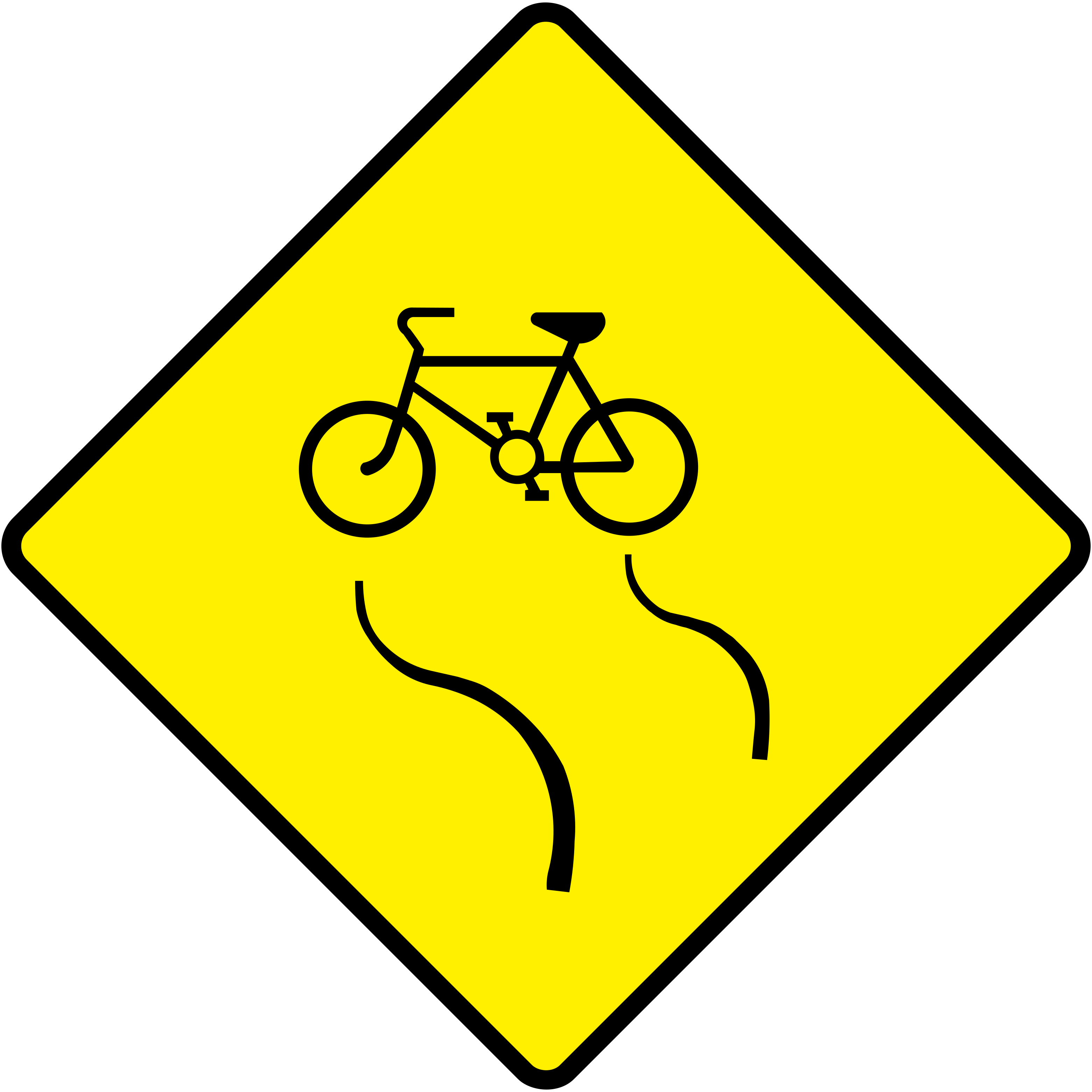
Surface slippery for cyclists
People cycling should slow before this surface, which offers poor grip to bicycles, and avoid braking or turning sharply.
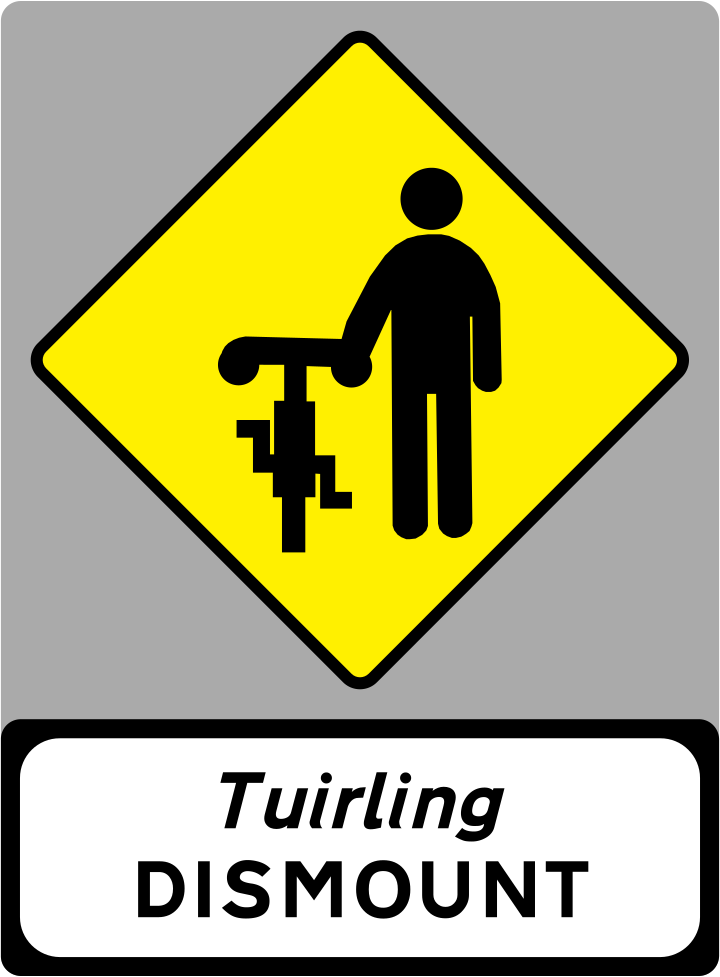
Cyclists dismount
Expect bicycles being wheeled along on foot, because this tells people cycling to get off and walk the next stretch.
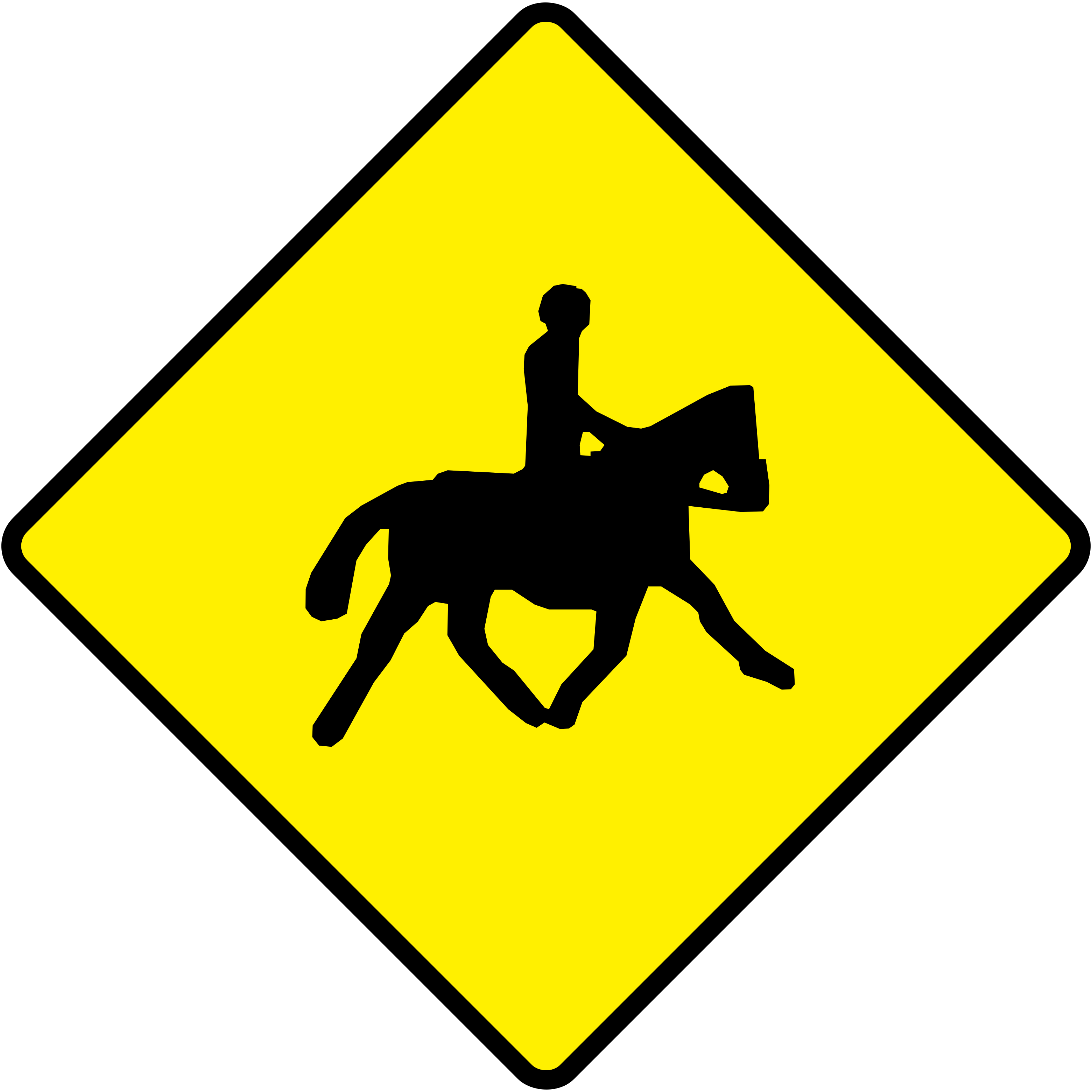
Horses and riders ahead
Pass slowly and widely and avoid revving or sounding the horn: horses may be ridden or led along this road.
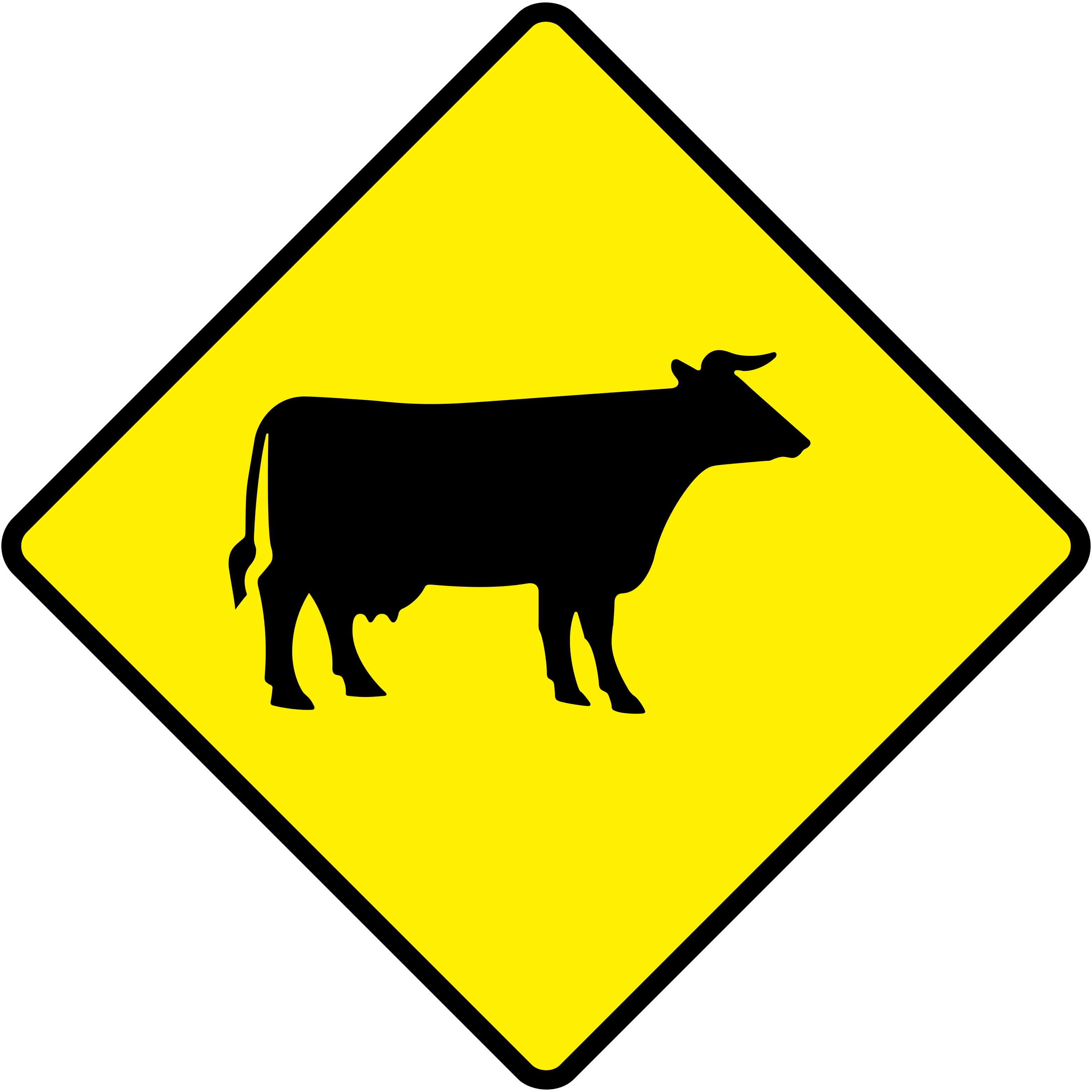
Cattle on the road ahead
Cattle may be on or crossing the road, often being moved between fields; reduce speed and wait for them to clear.
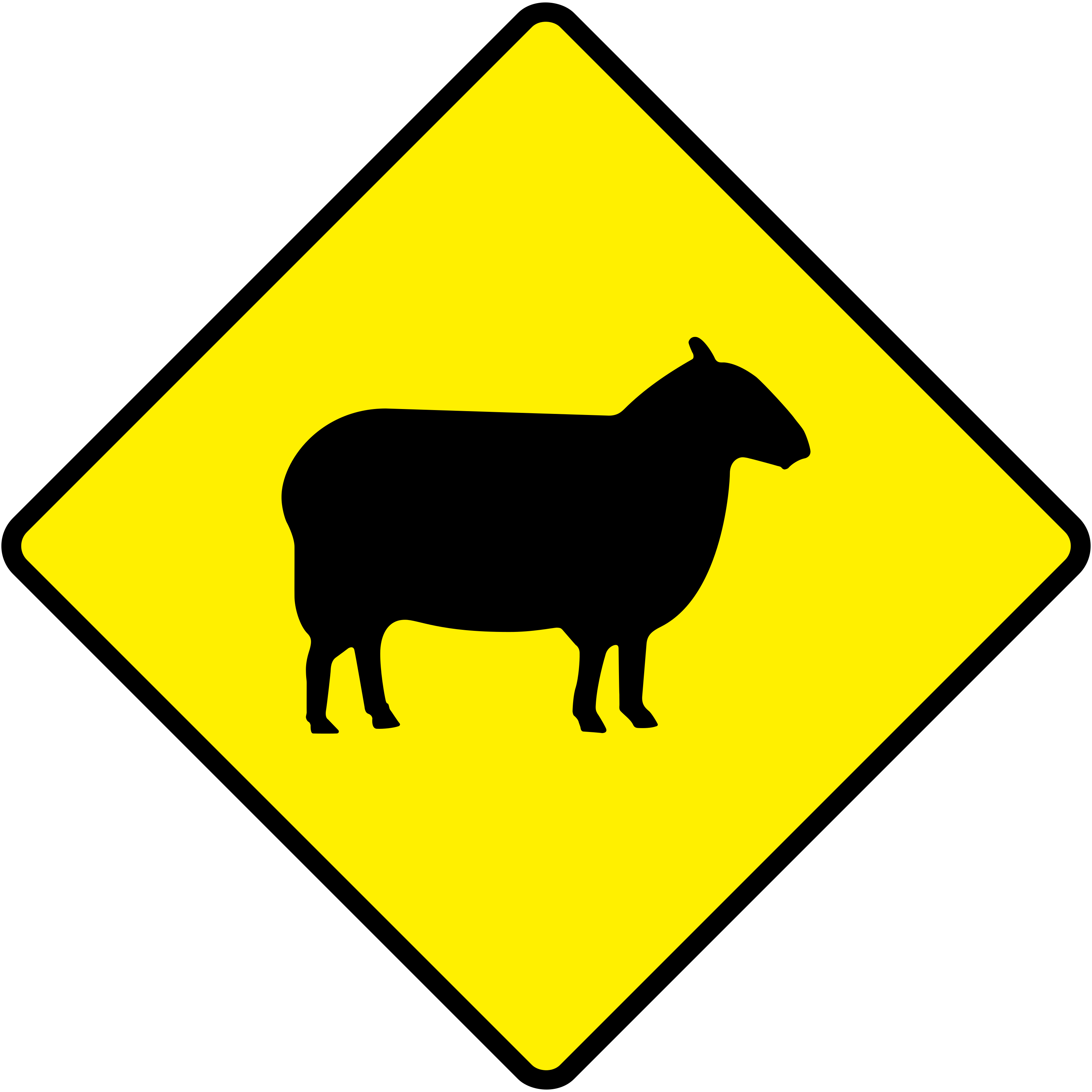
Sheep on the road ahead
Ease off early and give the flock time to move aside, because sheep stray onto or are driven along this road.
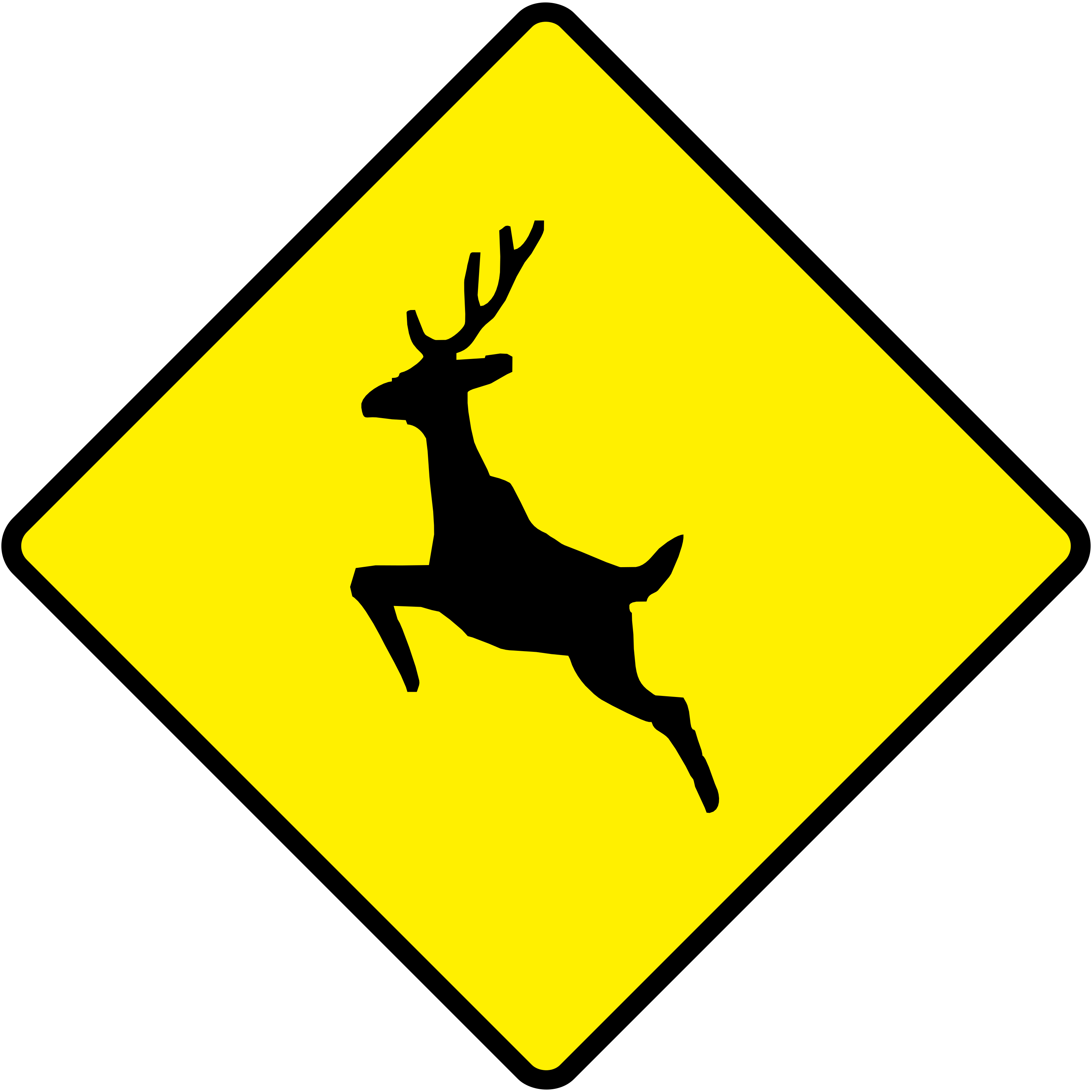
Deer or wild animals ahead
Watch the verges along this stretch, where deer and other wild animals cross, and remember that one animal is often followed by others.
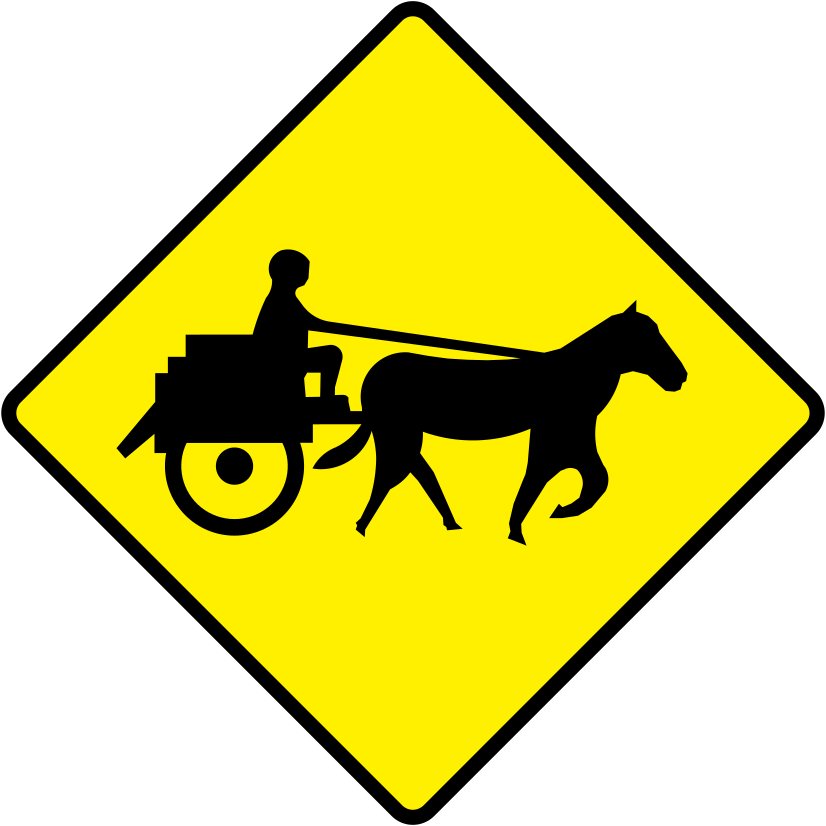
Jaunting cars ahead
Pass horse-drawn jaunting cars slowly and widely and be ready for them to stop or turn as they use this road.
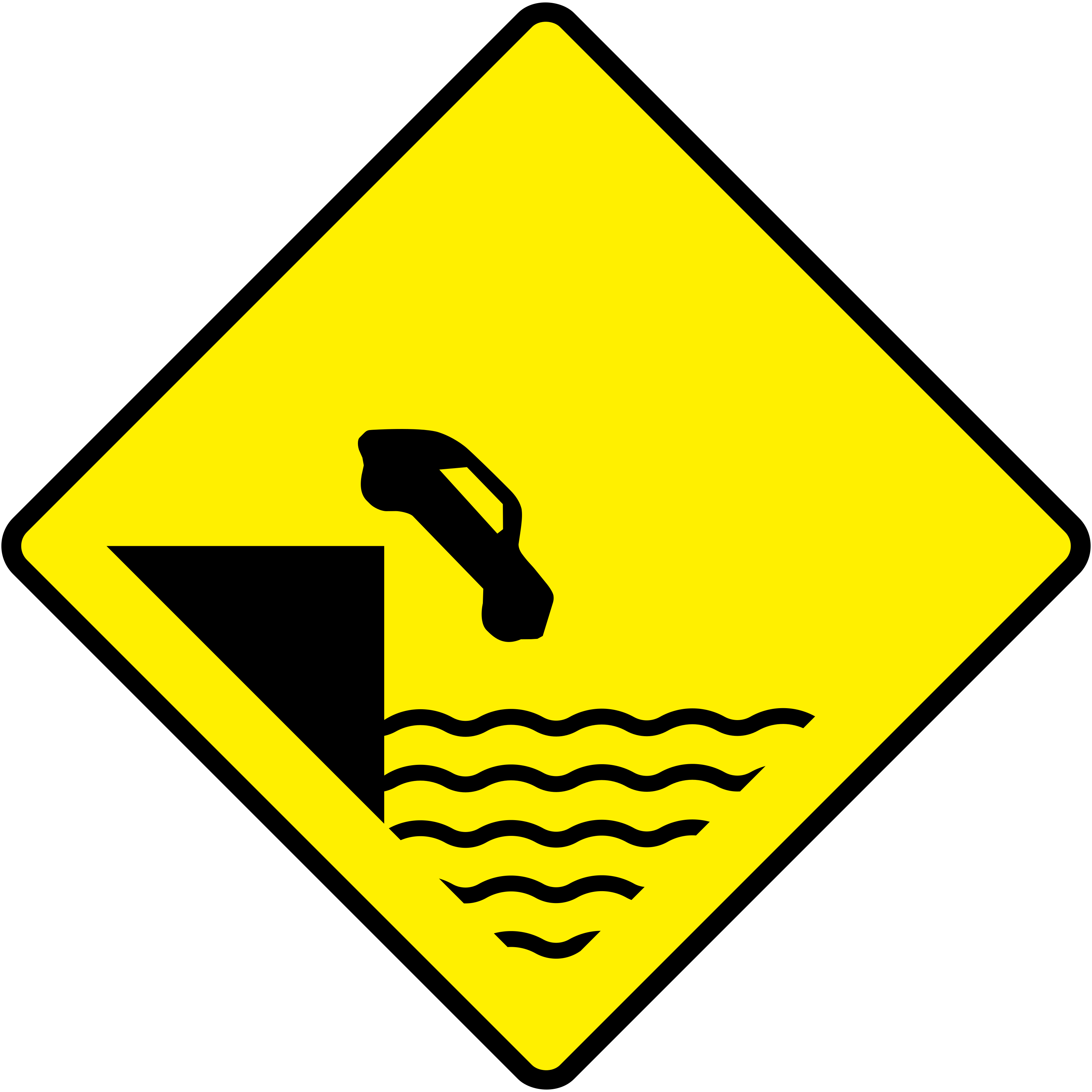
Unprotected water beside the road
Keep well away from the edge and take extra care in the dark, because the road here runs beside open water with no barrier in between.
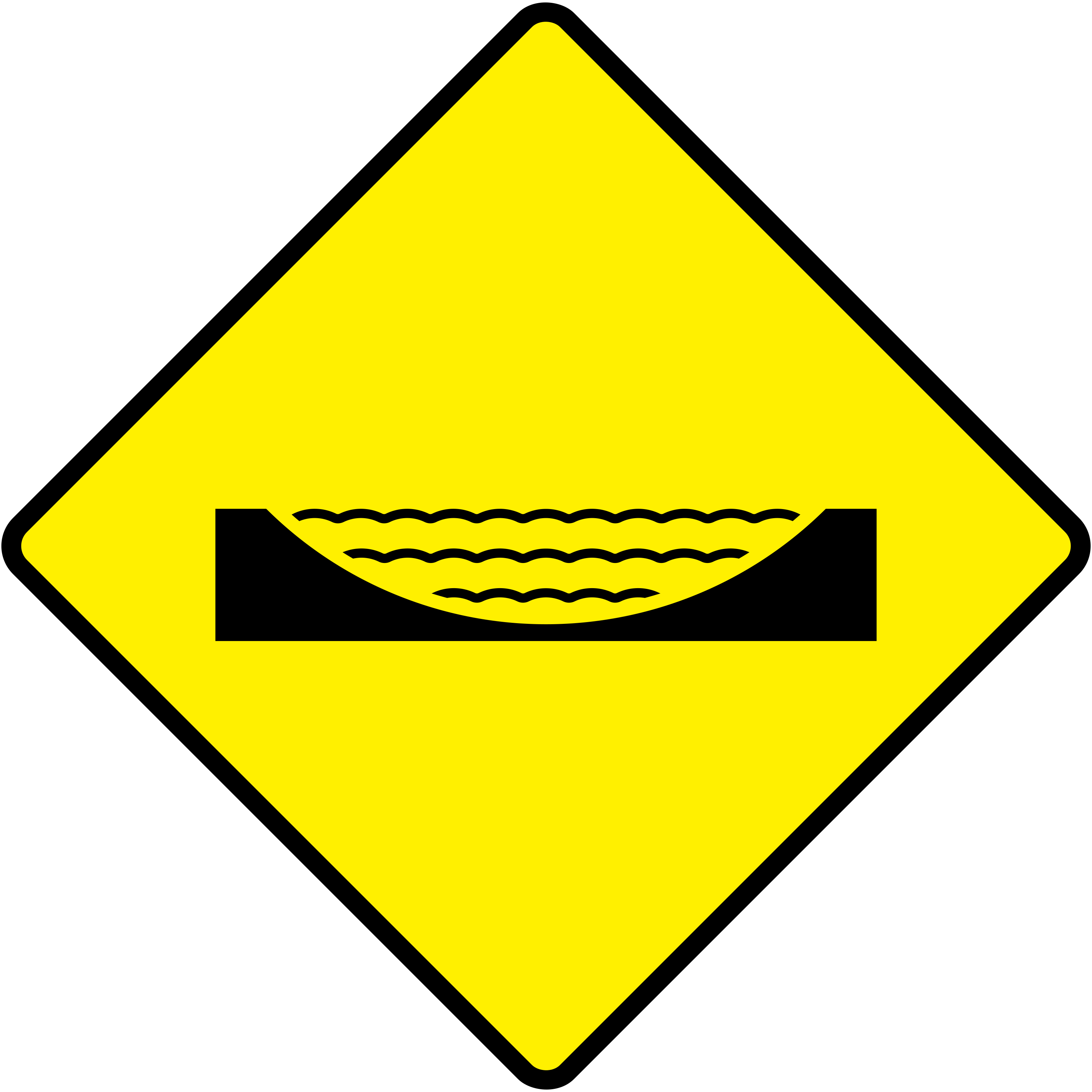
Ford ahead
Check the depth before entering the ford where water crosses the road, drive through slowly and test your brakes afterwards.
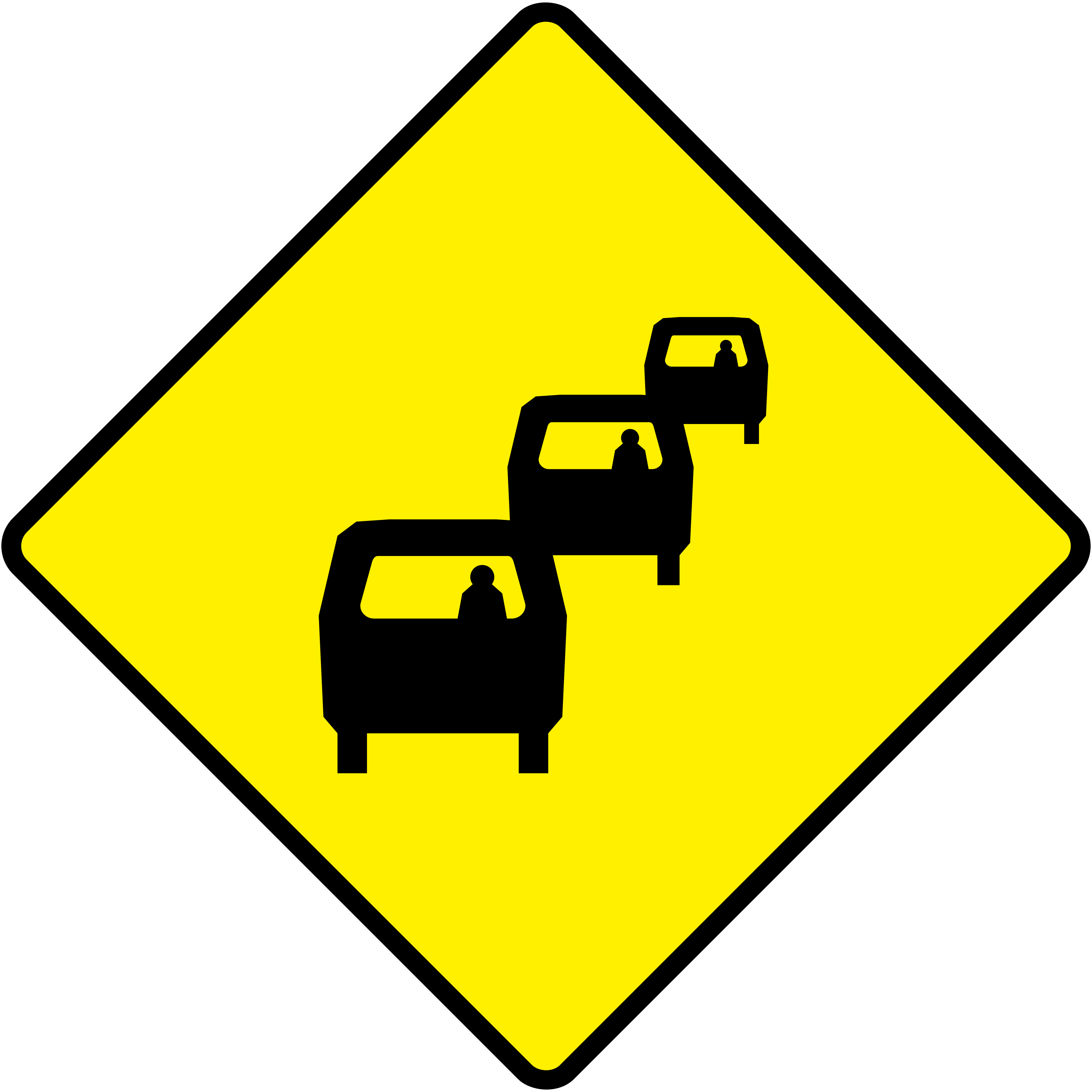
Traffic queues likely
Drop your speed early and watch for stopped vehicles around bends or crests, because traffic often backs up on this road.
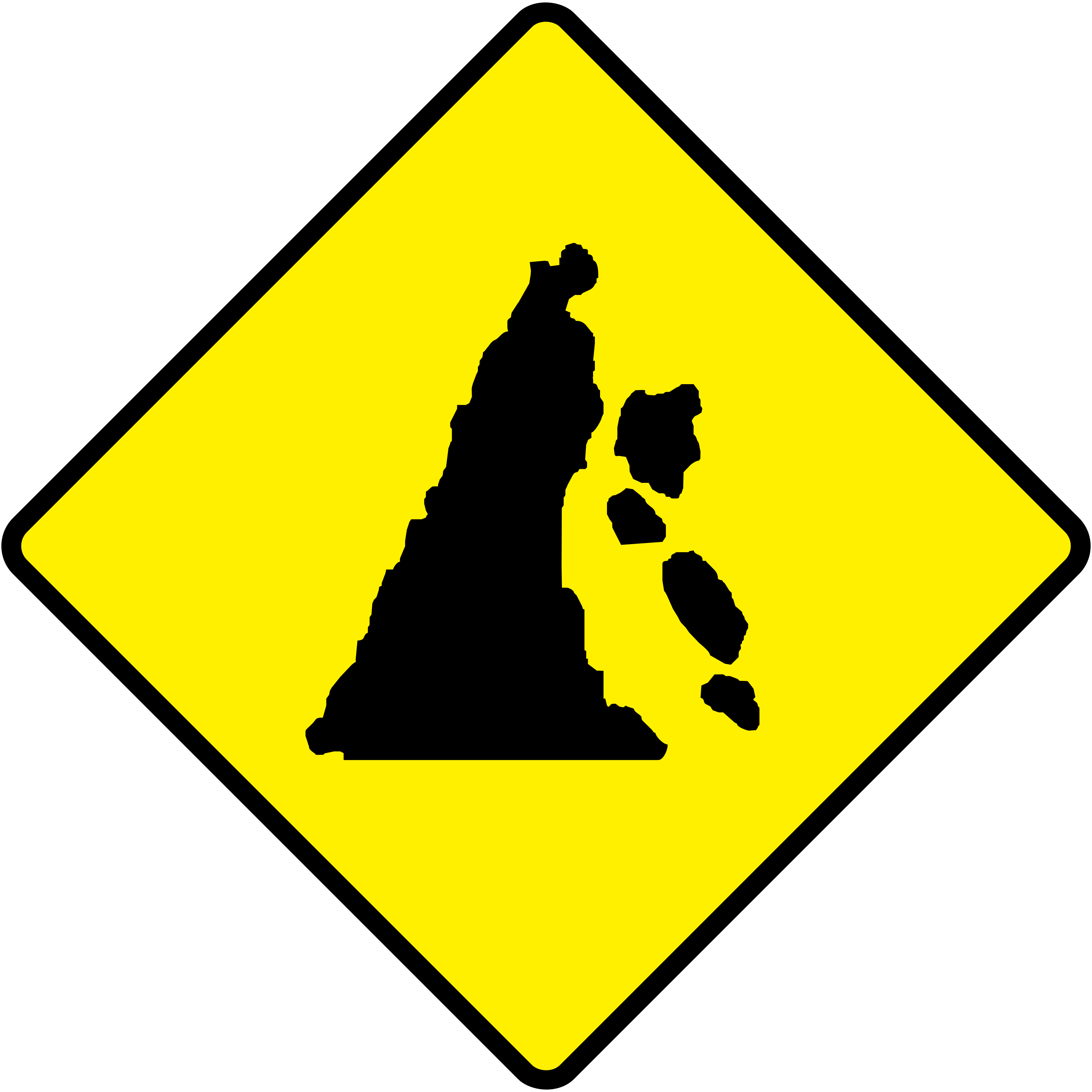
Falling rocks
Look out for loose stones on the surface and do not stop here: rocks can fall onto the road from the slope beside it.
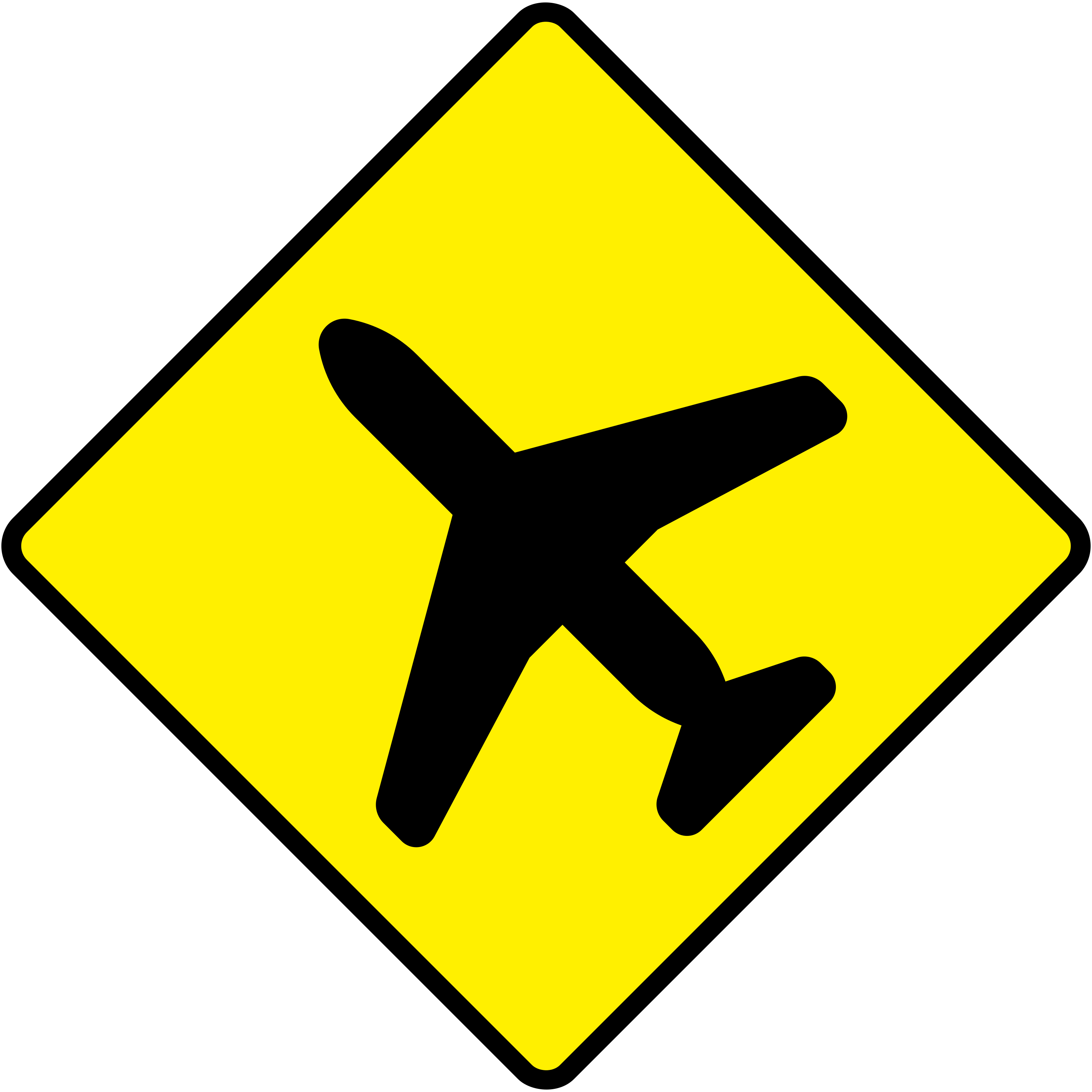
Low flying aircraft
Keep your attention on the road, because aircraft pass low over the road and the sudden noise or shadow can startle drivers.
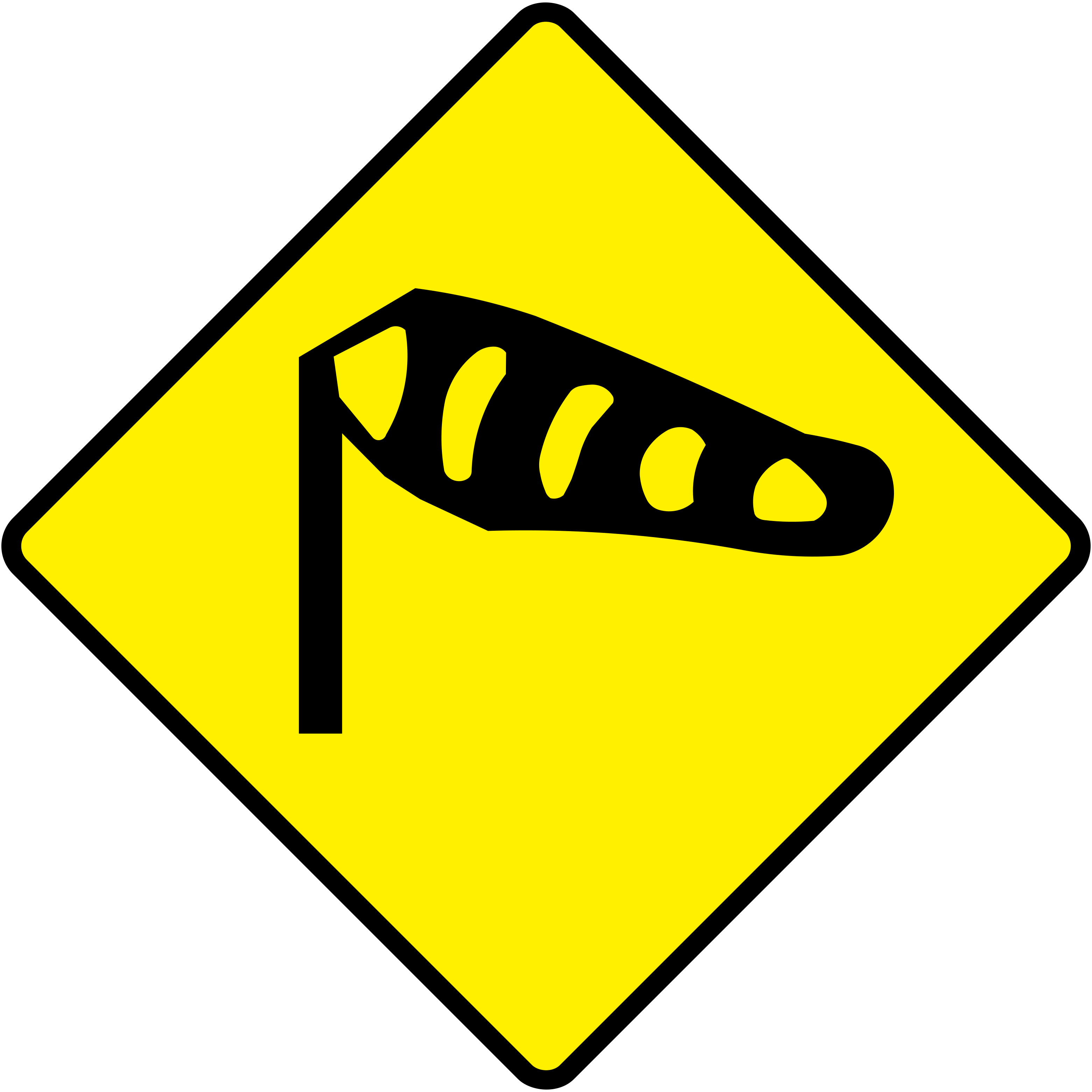
Strong crosswinds
Hold the wheel firmly, allow for a push as you leave shelter and give high vehicles room: strong side winds hit this stretch.
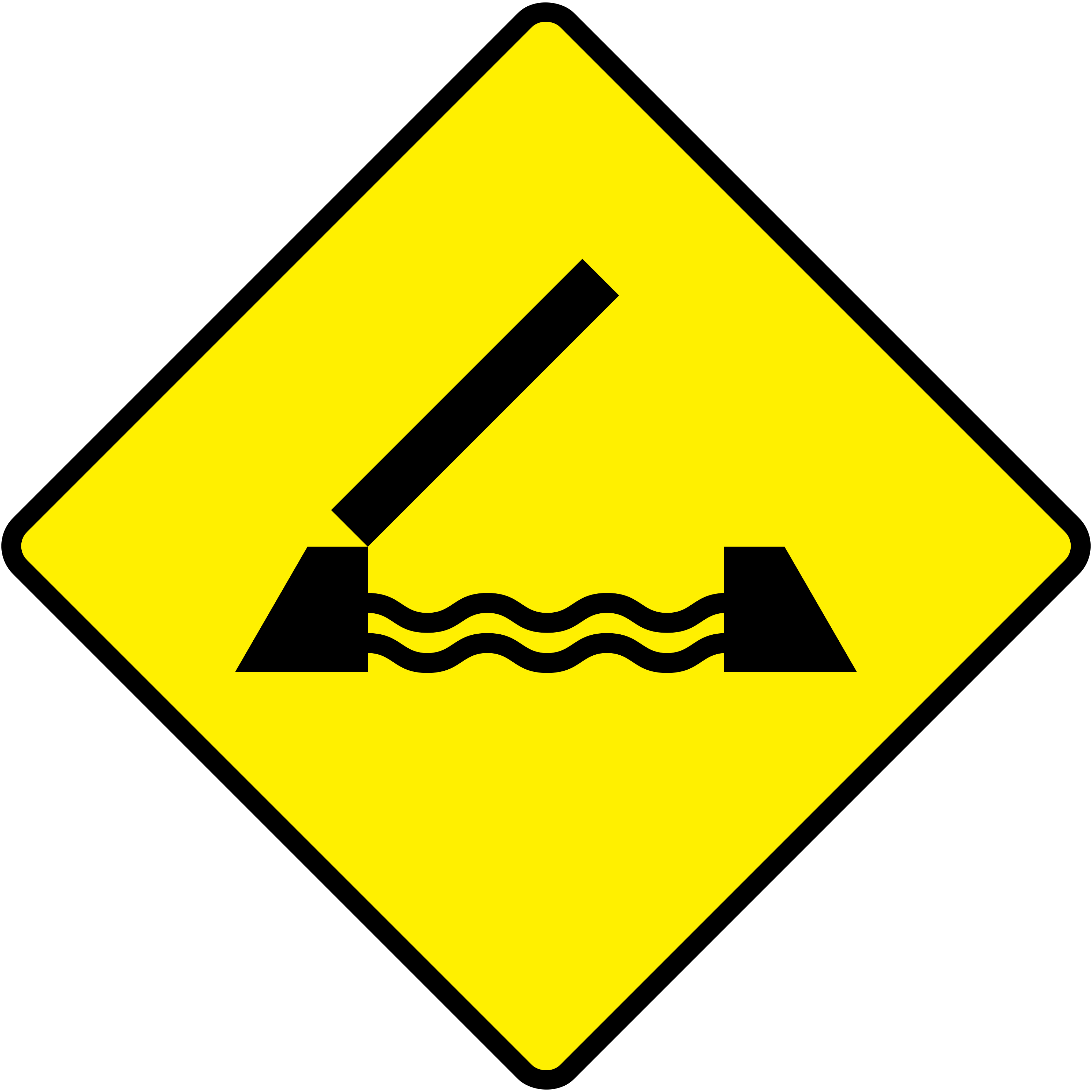
Opening bridge ahead
Be ready to stop and wait until it closes again, because the bridge lifts or swings open for boats.
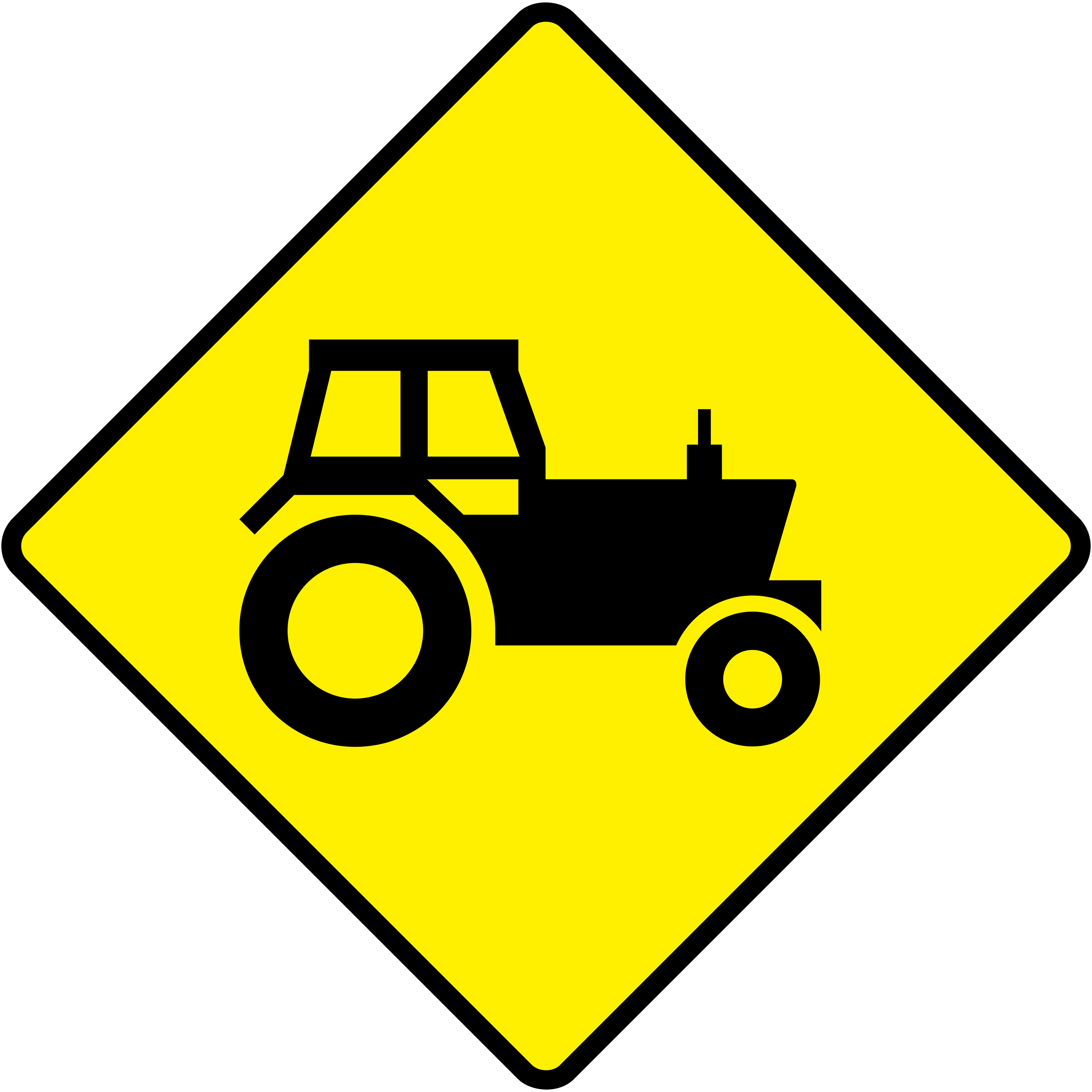
Farm vehicles ahead
Expect slow wide vehicles and mud carried onto the surface, as tractors and other farm machinery join or cross the road.
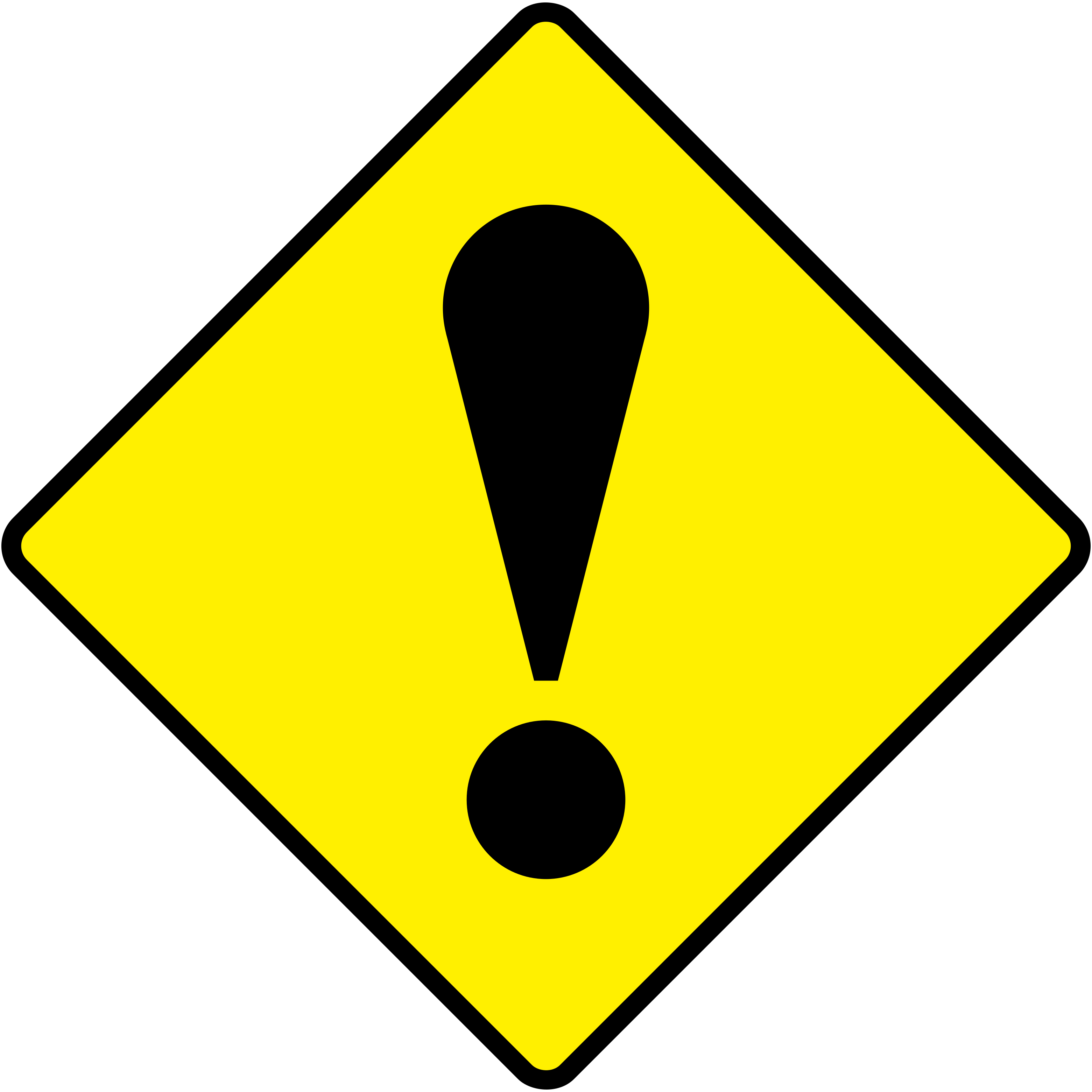
Other hazard ahead
Read the plate below and slow down: something not covered by the other warning signs lies just here, and the plate names it.

Barrier board, 1 metre wide
Do not pass the red and white banded board that blocks or marks an obstruction here; follow the route left open to you.

Barrier board, 1.4 metres wide
This red and white barrier marks a closed or obstructed part of the road; keep to the side left open.

Barrier board, 1.8 metres wide
Do not drive past it: the longest of the barrier boards carries four white bands on red and marks an obstruction or a closed road.
The Traffic Signs Manual numbers a further 117 codes in this chapter. They are not prescribed in the Road Traffic (Traffic Signs) Regulations 2025, and the manual's own wording is not ours to reprint, so they are not listed here. Sources: Department of Transport, Traffic Signs Manual; Irish Statute Book, Road Traffic (Traffic Signs) Regulations 2025, S.I. No. 433 of 2025; checked on 2026-09-15
168 sign codes
Source: Department of Transport, Traffic Signs Manual, Chapter 6 Warning Signs, Final Version 3 (October 2025), undated, checked on 2026-09-15
Warning signs tell you that something is coming and leave the judgement to you, and not one of them is prescribed in the Road Traffic (Traffic Signs) Regulations 2025. They are set out in the warning signs chapter of the Traffic Signs Manual, the Direction the Minister gives to road authorities under section 95(16) of the Road Traffic Act 1961, which we cite by chapter and never copy. The duty a warning sign triggers comes from the rules of the road instead: article 7 of the Road Traffic (Traffic and Parking) Regulations 1997 requires a speed that lets you stop within the distance you can see to be clear.
What a warning sign does in law
Section 95(1) of the Road Traffic Act 1961 defines a traffic sign as a sign, device, marking or signal that informs, warns, or indicates or implements a road regulation. A warning sign is on the informing side of that line: it does not order you to do anything in particular.
What binds you is the general rule. Article 7 of the Road Traffic (Traffic and Parking) Regulations 1997 requires a speed that lets you stop within the distance you can see to be clear, and that is the only legal rule on stopping distance we found in the instruments. No number goes with it, which is why a question about a warning sign is usually asking what a careful driver does next rather than for a figure.
One more rule is worth knowing: under section 95(18), a traffic sign on or near a public road is presumed in a prosecution to have been lawfully placed and to comply with the Regulations, unless the defendant proves otherwise.
The only diamond the Regulations prescribe
It surprises people that no warning code appears in the signs Regulations at all. The one diamond shape the Regulations do prescribe belongs to light rail: the speed limit sign for a light rail vehicle, the light rail stop sign and the light rail yield sign are diamonds with a black border on a white background (Regs. 87 to 89), and they speak to the tram driver.
So if a question asks which instrument prescribes a warning sign, the honest answer is none of them. The design comes from the warning signs chapter of the Traffic Signs Manual, and the manual is a Direction to road authorities rather than an enactment.
How to read a warning code
A code is the family letters, three digits and any suffix exactly as the chapter prints it. Suffixes do real work here, and there are four kinds you meet.
None of them can be guessed at from the drawing, and the mirror image of a sign is never the other hand of the same code.
- L and R mark the two hands of a warning, and a few pairs carry both letters, such as LR and RL.
- A capital A marks a separate designation that shares a number with the plain code.
- A lower-case v marks the variable message version of the same warning.
- W, G and S turn up as suffixes too, and each makes its own sign.
Which language a warning sign carries
Fixed information and warning signs are bilingual, and that includes the text plates that go under them. The chapter records one warning sign that needs no Irish version even in a Gaeltacht area, and that exception is the kind of detail that only matters if you are asked about it.
The plates themselves are a family of their own in the manual, the P codes, and they sit with the warning signs on this page because the warning chapter is where most of them are set out.
Sources
Source: irishstatutebook.ie, Road Traffic (Traffic Signs) Regulations 2025 (S.I. No. 433 of 2025), checked on 2026-09-16
Source: irishstatutebook.ie, Road Traffic (Traffic and Parking) Regulations 1997 (S.I. No. 182 of 1997), checked on 2026-09-16
Source: irishstatutebook.ie, Road Traffic (Traffic and Parking) (Amendment) Regulations 2025 (S.I. No. 473 of 2025), checked on 2026-09-16