Practise the Irish AM mock over 45 minutes and aim for 35 correct from 40; Citizens Information sets the format, while the runner lets you flag and revisit answers. Source: Citizens Information, page edited 6 May 2026, checked on 15 September 2026.
A built-in countdown timer and progress tracking are shown on screen
Source: Prometric Ireland Ltd (Driver Theory Test Service), Accessibility and support options, dated 2026-06-11, checked on 2026-09-15
Skipping and flagging questions
Questions can be skipped or marked and returned to at any stage within the test time
Source: Prometric Ireland Ltd (Driver Theory Test Service), Driver Theory Test FAQs, dated 2026-08-14, checked on 2026-09-15
Changing and reviewing answers
An answer can be cancelled and another selected, and all answers can be reviewed and changed before finishing
Source: Prometric Ireland Ltd (Driver Theory Test Service), Driver Theory Test FAQs, dated 2026-08-14, checked on 2026-09-15
How questions are drawn
Questions are selected at random from the question bank for the relevant test sections
Source: Prometric Ireland Ltd (Driver Theory Test Service), Driver Theory Test FAQs, dated 2026-08-14, checked on 2026-09-15
Try it now
Sample questions and answers
1 of 20
Question 1
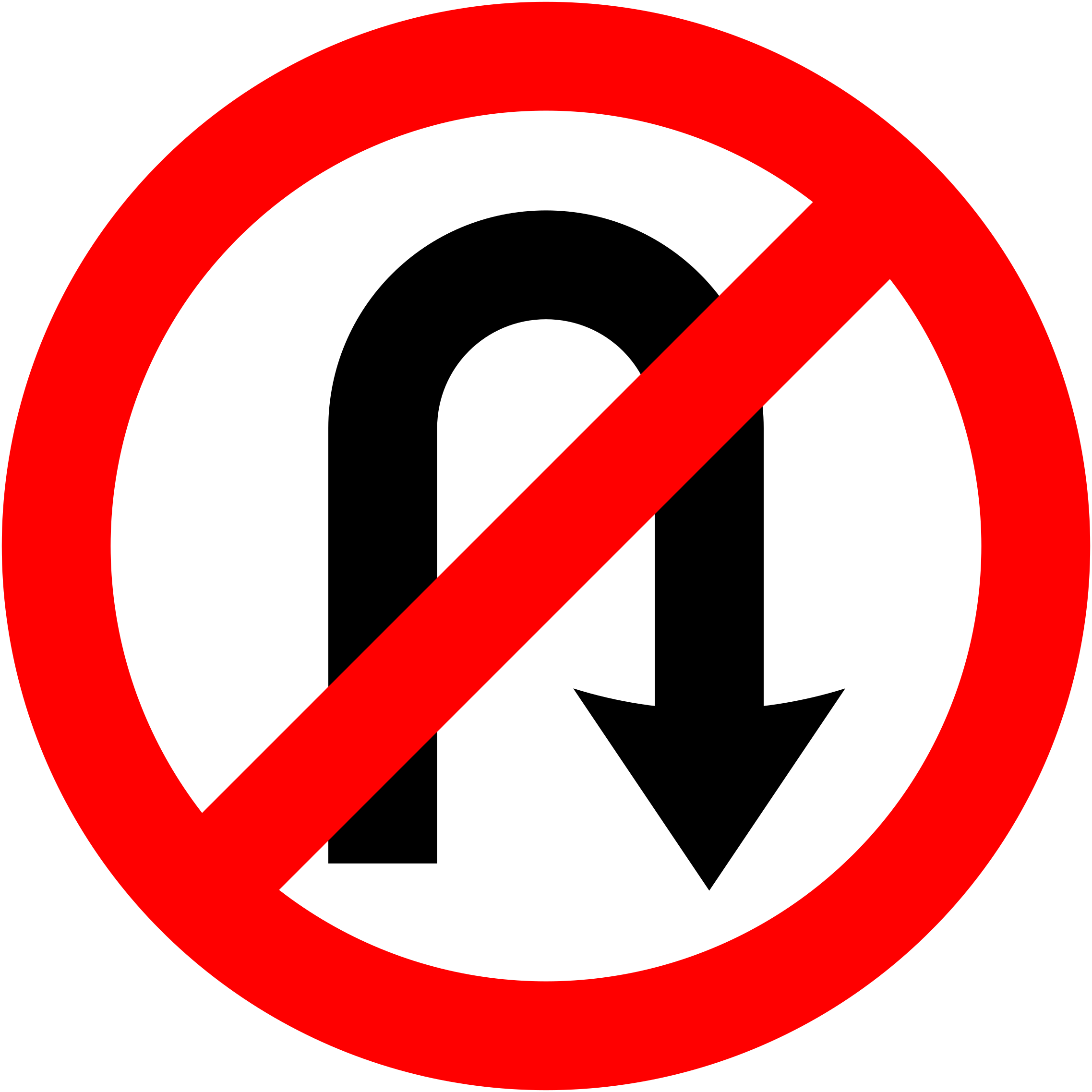
You are approaching a junction and see this sign. Which of these does it not allow?
ATurn left at the junction
BMake a U-turnCorrect answer
COvertake another vehicle
DPark at the side of the road
Show the answerHide the answer
Correct answer: B
The no U-turn sign is a prohibitory sign under Regulation 14 of the Road Traffic (Traffic Signs) Regulations 2025, listed in Part 1 of Schedule 2. It forbids a U-turn. Turning left, overtaking and parking are not what this sign controls.
Source: Road Traffic Act 2014 (No. 3 of 2014), Section 10(b), inserting Part 1A of Schedule 1 to the Road Traffic Act 2002 (reference 1), checked on 2026-09-15.
Question 3
You see a bay on a town street with LOADING painted in white between end lines. What is that bay?
AA bus stop
BA loading bayCorrect answer
CA lay-by any vehicle may use
DA taxi rank
Show the answerHide the answer
Correct answer: B
Under Regulation 64 of the Road Traffic (Traffic Signs) Regulations 2025, that marking indicates the location of a loading bay. The word and the end lines are what identify it. It is not a bus stop, a general lay-by, or a taxi stand.
What is a continuous white line along the centre of the roadway?
AA broken centre line that marks the edge of the road
BA yellow line along the centre
CA continuous centre lineCorrect answer
DA line that always sits exactly in the middle and nowhere else
Show the answerHide the answer
Correct answer: C
Regulation 58 of the Road Traffic (Traffic Signs) Regulations 2025 provides for a continuous white line along the centre of the roadway as a continuous centre line. Centre lines are white, not yellow. A broken centre line is a different marking, and the continuous line may also be laid away from the centre where the lane layout makes that right.
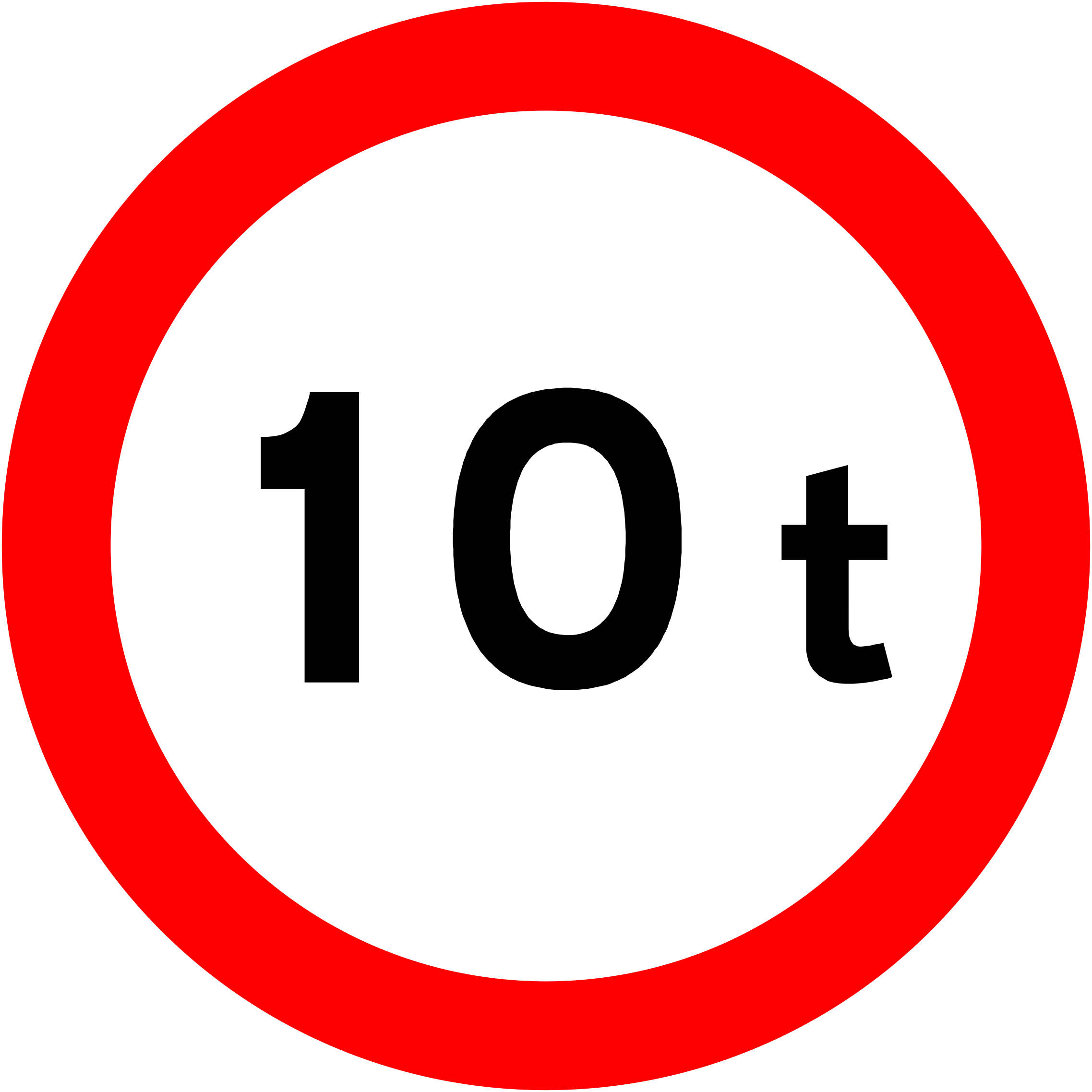
Your lorry weighs less than the figure on this sign when it is empty, but its design gross vehicle weight is over the figure. May you drive past the sign while it is empty?
AYes, because its actual weight while empty is under the figure
BYes, because the load alone would be under the figure
CNo, its design gross vehicle weight is over the figure, so you must not go pastCorrect answer
DYes, because the weight on each axle is under the figure
Show the answerHide the answer
Correct answer: C
Regulation 27 of the Road Traffic (Traffic Signs) Regulations 2025 tests the design gross vehicle weight, which is fixed for the vehicle and does not change with the load. If that weight is over the figure on the sign, the driver must not go past, even with the lorry empty. The actual weight on the day, the load alone and the weight on one axle are not the test.
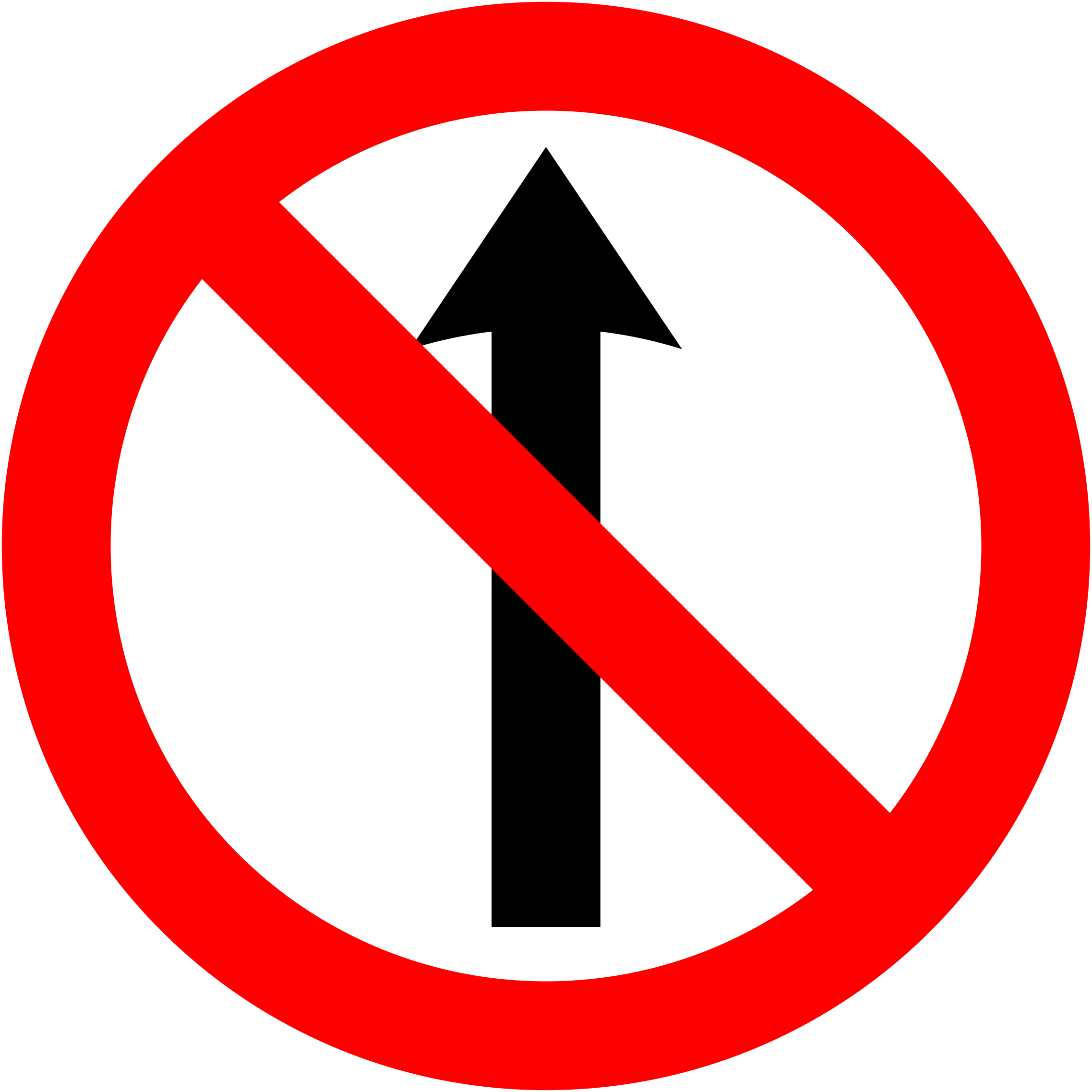
On a quiet housing estate road you meet this sign. The way ahead is empty. May you go straight on?
AYes, because nothing is coming
BYes, for a quick drop off beyond the sign
CNo, you must not go straight ahead past the signCorrect answer
DYes, because the sign applies to large vehicles only
Show the answerHide the answer
Correct answer: C
Under Regulation 14 of the Road Traffic (Traffic Signs) Regulations 2025, the no straight ahead sign forbids going straight ahead past it. An empty road, a short drop off, or reading it as a large-vehicle rule does not change that. Exception plates are a separate matter and are not part of this sign on its own.
You want to wait at a marking that reads TAXIS in white between end lines while a passenger walks over. What is that marking?
AA bus stop
BA taxi standCorrect answer
CA loading bay
DA pay parking area
Show the answerHide the answer
Correct answer: B
Under Regulation 80 of the Road Traffic (Traffic Signs) Regulations 2025, that marking shows where a taxi stand is. It is not a bus stop, a loading bay, or a pay parking area. The marking tells you what the place is.
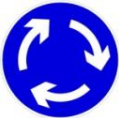
On the approach to a junction, this sign faces you. How should you read it?
AA mini-roundabout aheadCorrect answer
BKeep to the left of the sign
CTurn left at the junction ahead
DVehicles must not turn right
Show the answerHide the answer
Correct answer: A
That is the mini-roundabout sign. Regulation 12 of the Road Traffic (Traffic Signs) Regulations 2025 provides that it indicates a mini-roundabout ahead, and its three white arrows show the direction traffic must go on entering.
This sign stands at the entrance to an area, with a plate below it giving a date and times. What does it mean?
APedal cycles, e-mopeds and electric scooters must not go past
BVehicles must not turn right
CYield right of way to traffic on the major road ahead
DBye-laws restrict or ban parking there for a specified eventCorrect answer
Show the answerHide the answer
Correct answer: D
This is the restriction on parking sign for specified events. Regulation 21 of the Road Traffic (Traffic Signs) Regulations 2025 provides that it tells drivers that bye-laws restrict or prohibit parking there, and the plate with it gives the date or day and the period.
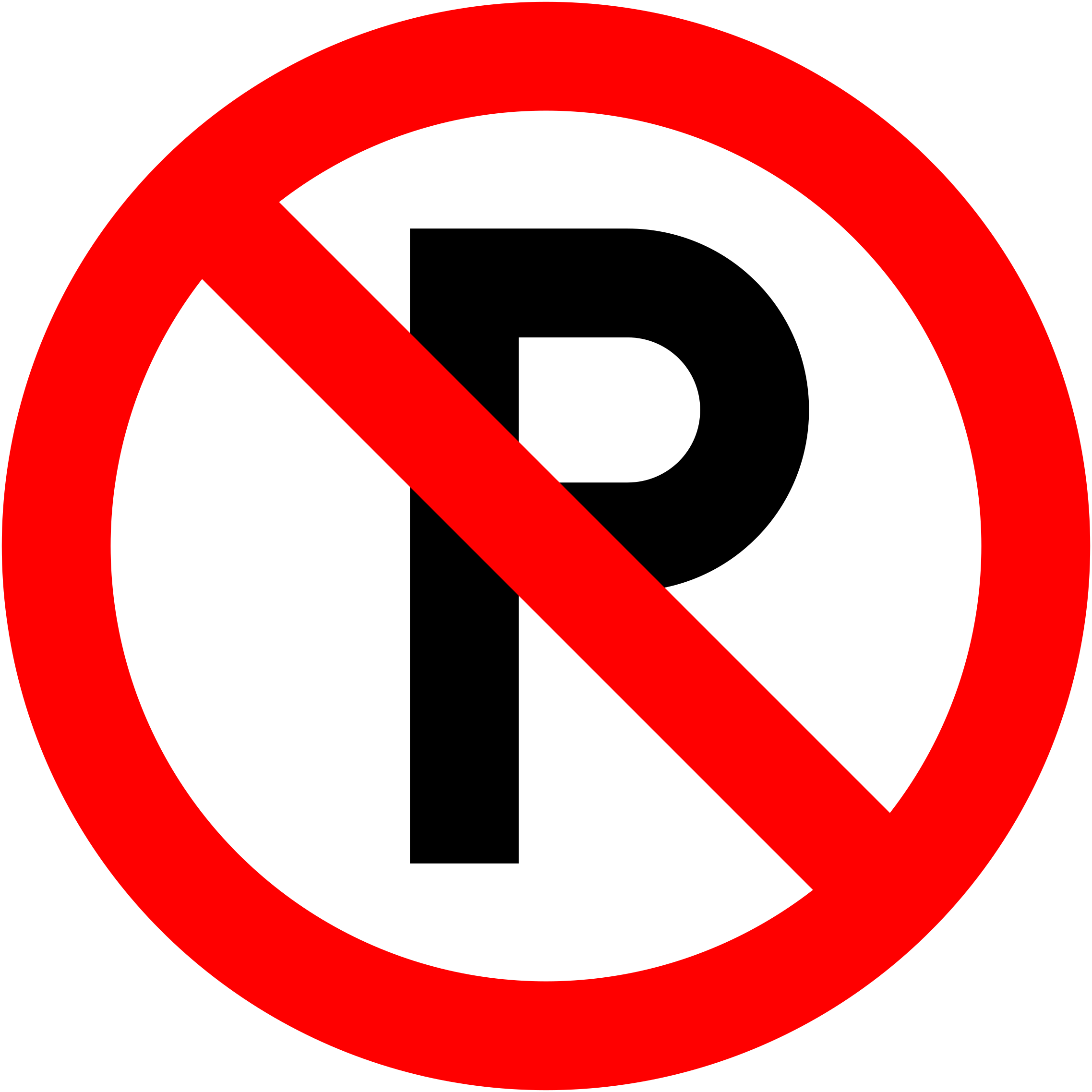
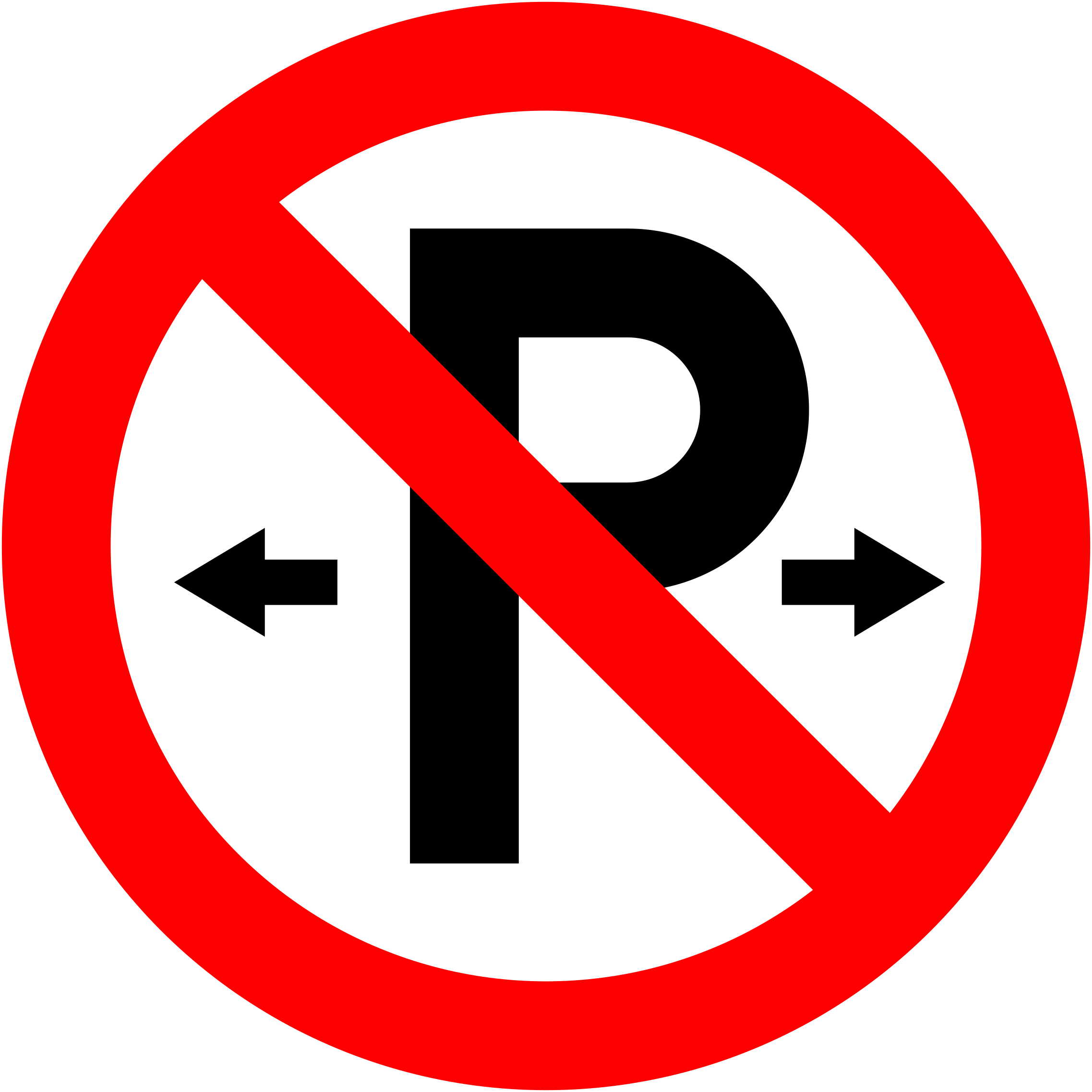
Sign A is the no parking sign. It is a prohibitory sign in Part 1 of Schedule 2 to the Road Traffic (Traffic Signs) Regulations 2025. Article 36(2)(b) of the Road Traffic (Traffic and Parking) Regulations 1997 says a vehicle must not be parked where it is provided, during any period on the plate below it. It is the clearway sign that also bans stopping.
On the approach to a town junction you pass this sign. Where is the compulsory turn?
AAs soon as you pass the sign
BThe sign warns of a right-hand bend
CAt the junction ahead, not at the signCorrect answer
DThe sign marks a slip road you must take at once
Show the answerHide the answer
Correct answer: C
The turn right ahead sign, under Regulation 4 of the Road Traffic (Traffic Signs) Regulations 2025, Schedule 1, Part 1, requires traffic to turn right at the junction ahead. It is not an immediate turn at the sign, not a bend warning, and not a slip road marking. It is a different sign from turn left ahead.
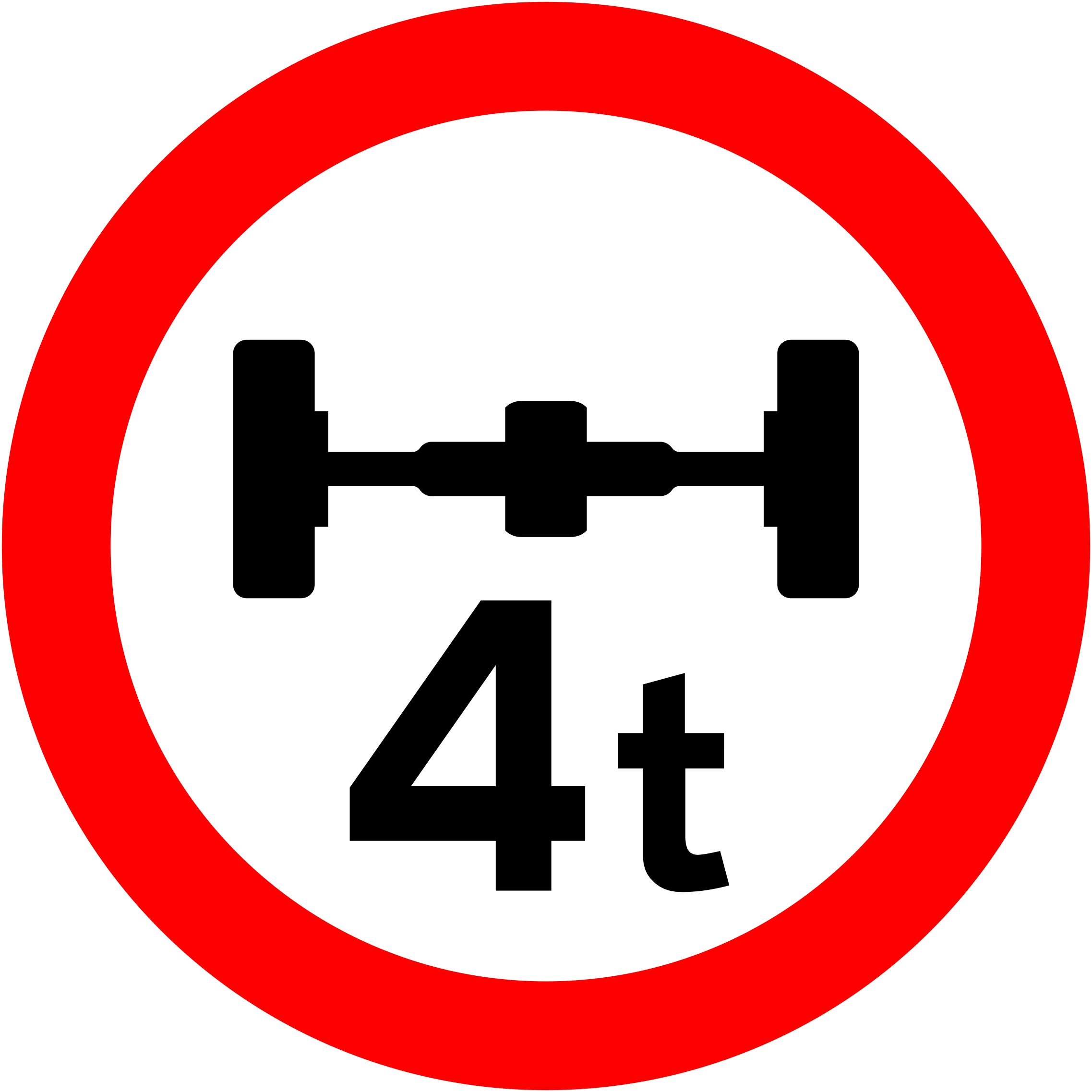
Regulation 28 of the Road Traffic (Traffic Signs) Regulations 2025 provides that the driver of a vehicle whose axle loading weight exceeds the figure on the sign, in tonnes, must not go past. That is not the design gross vehicle weight, not a per-wheel figure, and not the trailer weight as such.
What must be shown on the tabard worn by a learner motorcyclist?
AAn L on both the front and backCorrect answer
BAn L on the back only
CAn L on the front only
DA number on the front and back
Show the answerHide the answer
Correct answer: A
Regulation 17(6)(b)(iii)(II) of the Road Traffic (Licensing of Drivers) Regulations 2006, as substituted in 2007, requires an L on both the front and back of the learner's tabard.
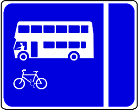
On a busy city street, this sign stands at the start of the lane nearest the kerb. What does it tell you?
AA cycle track running against the flow of traffic
BA tram lane
CA bus lane running with the flow of trafficCorrect answer
DThis stretch of road is a clearway
Show the answerHide the answer
Correct answer: C
You are looking at the nearside with-flow bus lane sign. Regulation 10(1) of the Road Traffic (Traffic Signs) Regulations 2025 provides that, with the bus lane road marking, it indicates a bus lane, and the with-flow design shows buses travelling the same way as the traffic beside them.