Roadworks and Temporary Signs in Ireland
76 signs, each with what it means and the rule behind it.All 76 signs

Concealed entrance ahead
This plate adds, when used with roadworks signs, that an entrance is hidden from view until a driver is almost level with it.
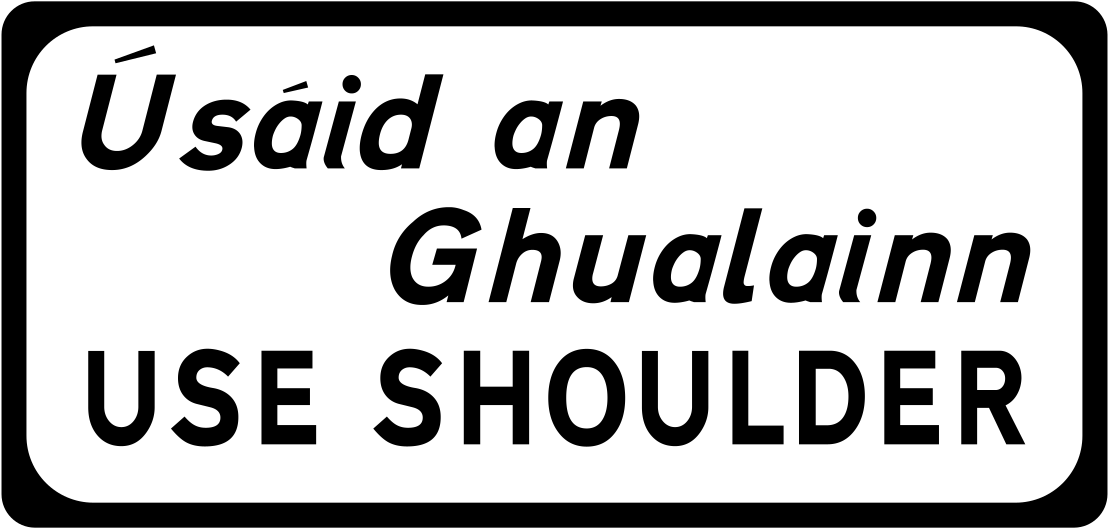
Use the hard shoulder
The wording directs traffic to move onto the hard shoulder past the works when fitted to a roadworks sign.
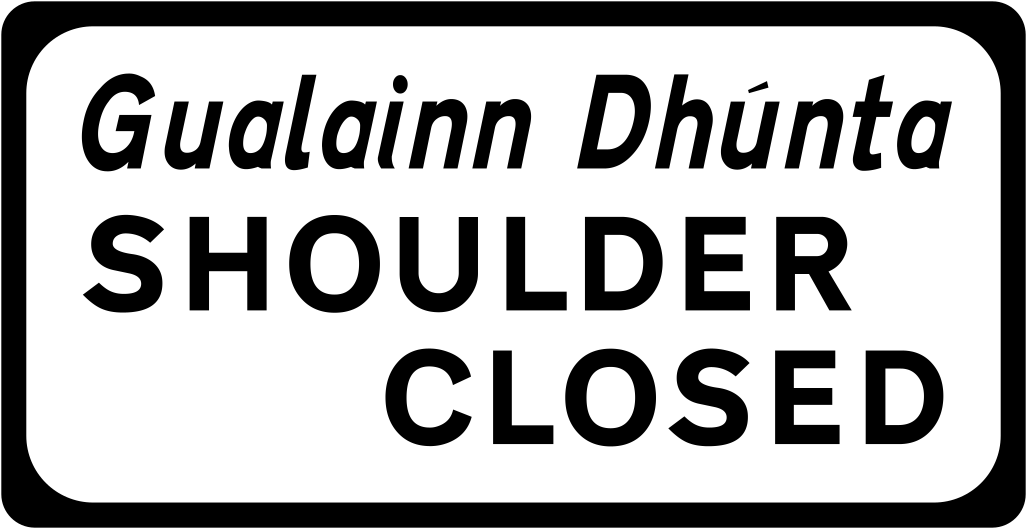
Hard shoulder closed
The wording states that the hard shoulder is closed and not available to traffic past that point when added to a roadworks sign.
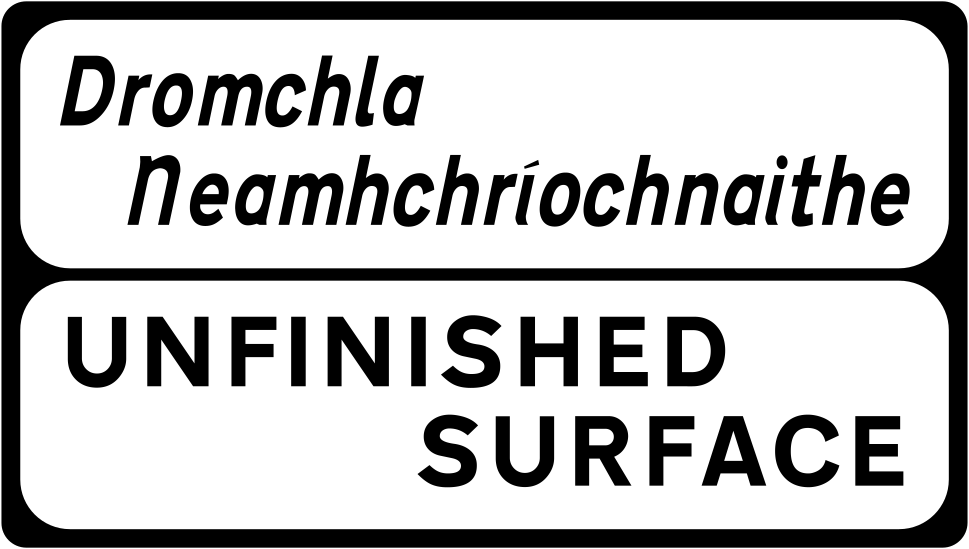
Unfinished road surface
This plate states that the road surface has not yet been completed, and sits beneath a roadworks sign.
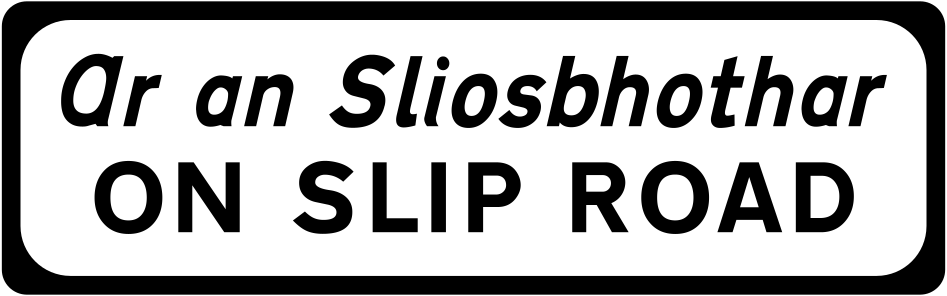
Condition applies on the slip road
The plate narrows the roadworks sign above so that it applies on the slip road rather than the main carriageway, which it names.
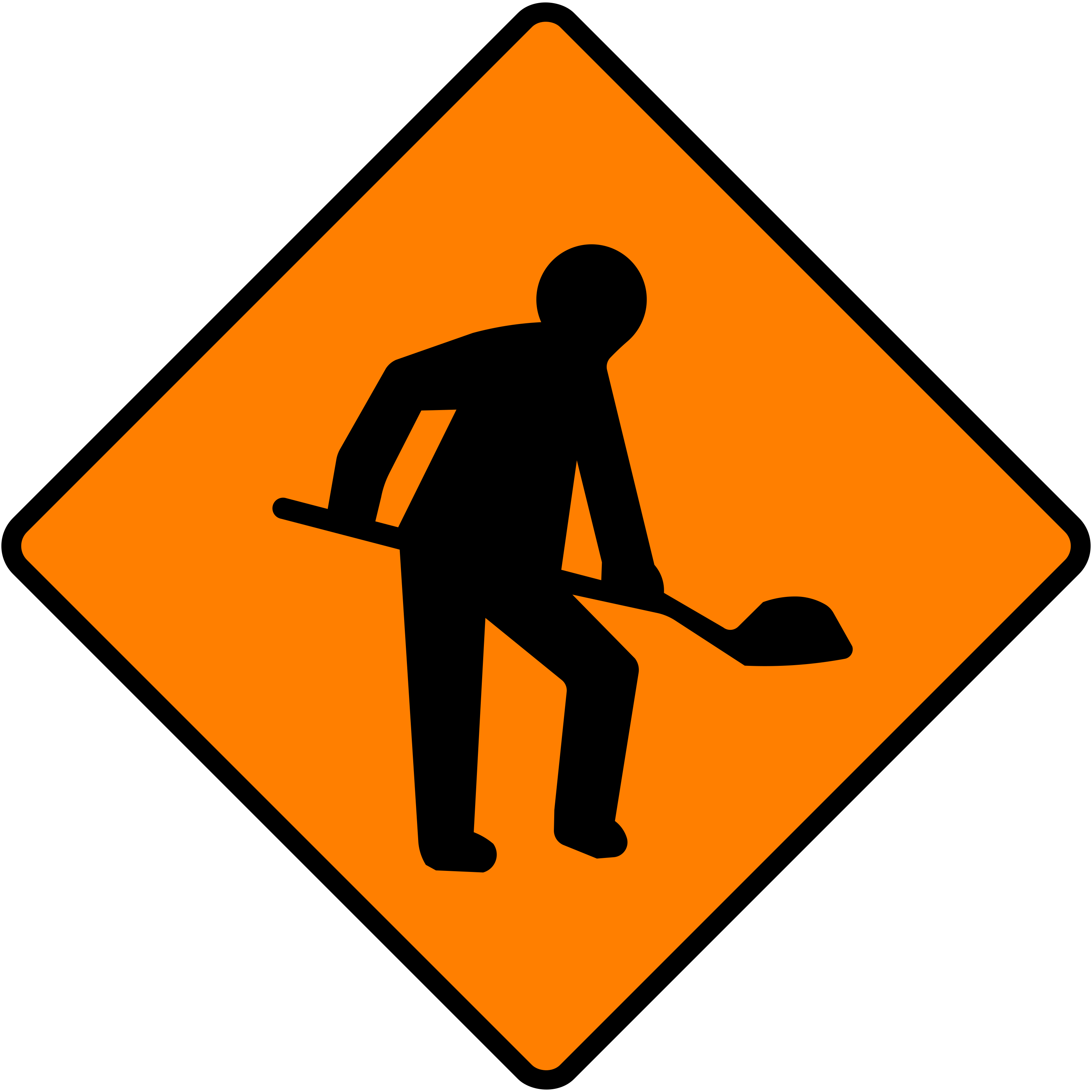
Road works ahead
Slow down, watch for workers and machinery, and be ready to stop: road works are under way on this stretch.
The roadworks chapter puts this one at the head of the run of signs, so it is the first thing a site tells an approaching driver.
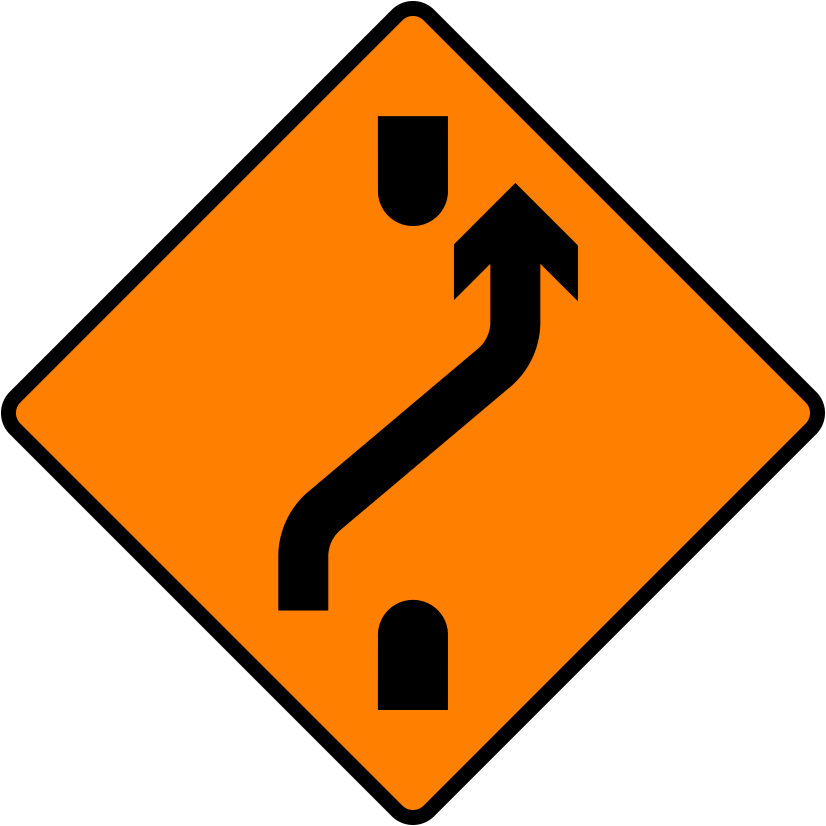
Single lane crosses to the far side
Follow the arrow and stay within the cones until you are told to cross back, because your lane crosses the central reserve onto the other carriageway here.
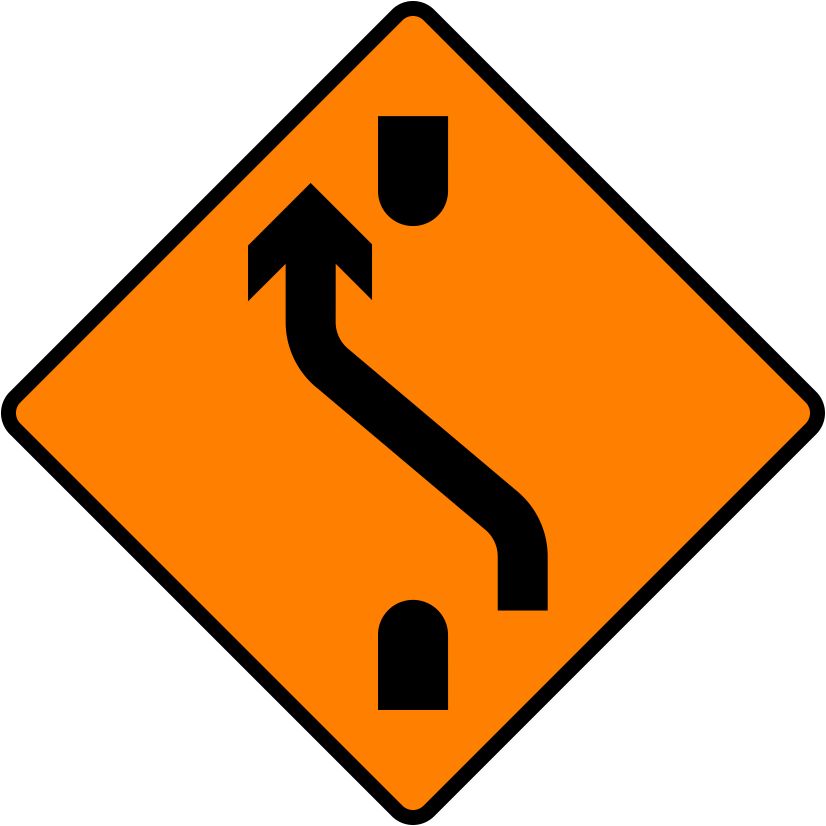
Single lane crosses back
Keep to your lane and follow the arrow: traffic that was running on the opposite carriageway is brought back across the central reserve here.
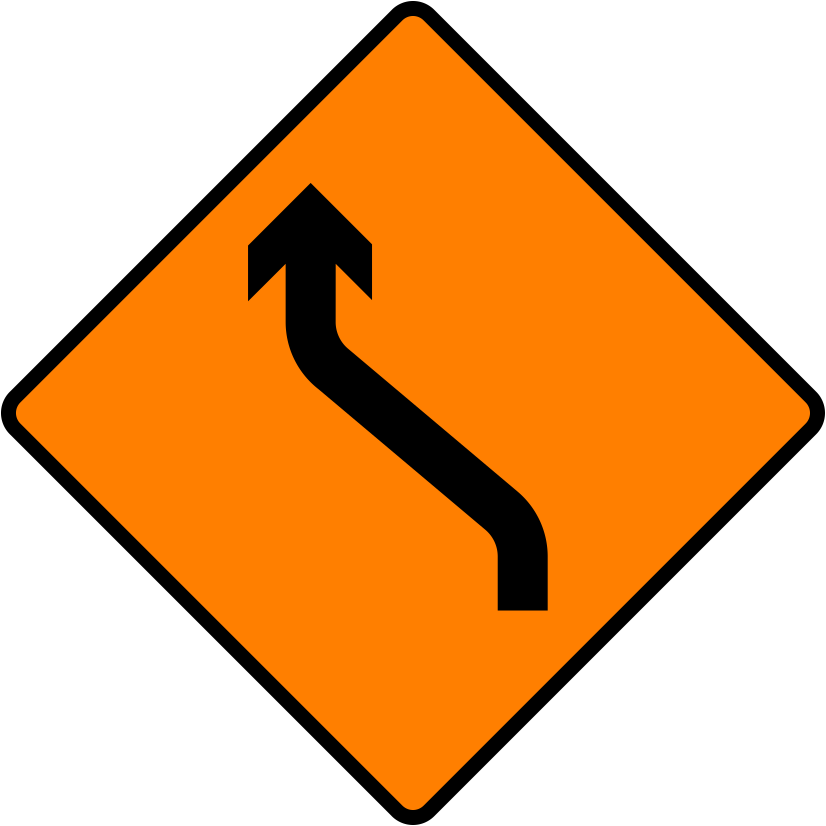
Single lane moves to the left
Ease over early and follow the line of cones rather than braking late: the single running lane shifts to the left.
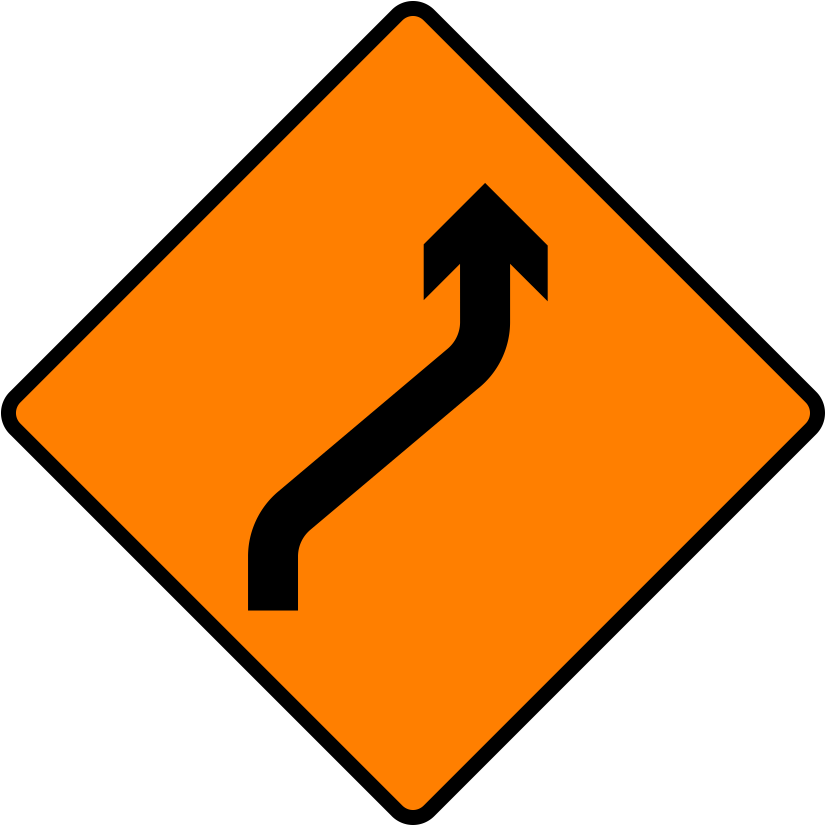
Single lane moves to the right
Start easing over early and hold your position until the cones straighten again, as the single running lane moves across to the right.
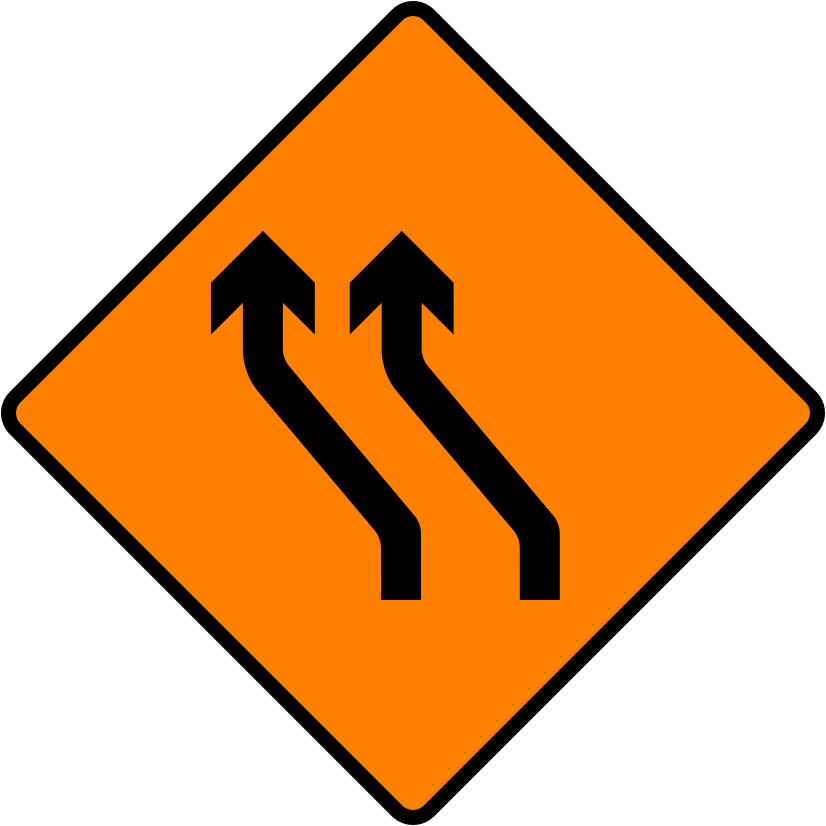
Two lanes move to the left
Stay in your own lane, follow the cones across and do not use the shift to overtake: both lanes swing to the left.
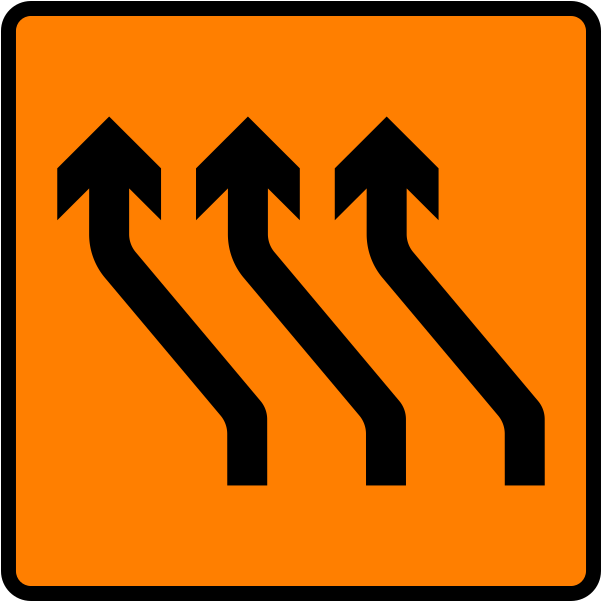
Three lanes move to the left
Hold your own lane through the shift and watch the vehicles either side of you, because three lanes are moved across to the left.
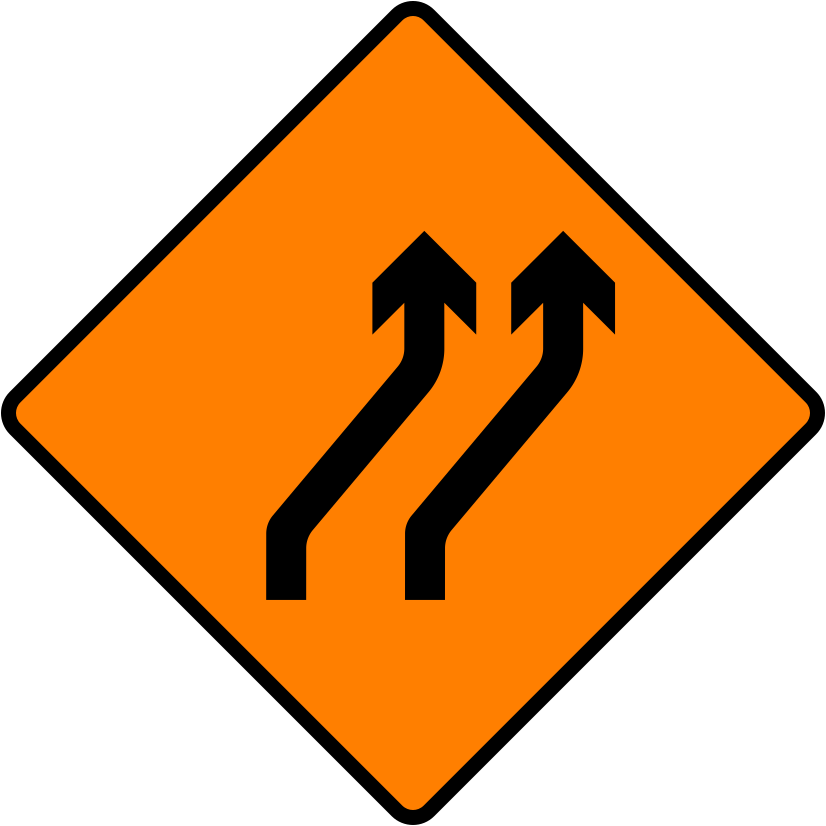
Two lanes move to the right
Keep your own lane, follow the cones and leave room for the vehicle beside you: two lanes swing across to the right.
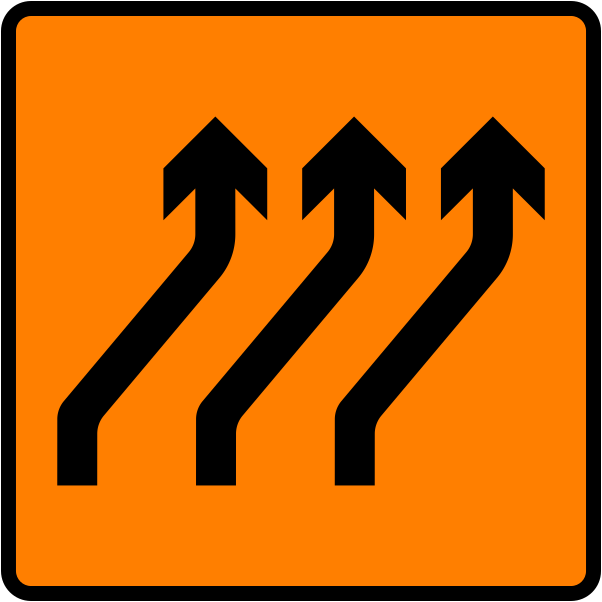
Three lanes move to the right
Stay in line, match the traffic around you and avoid sudden steering, because all three lanes are taken across to the right.
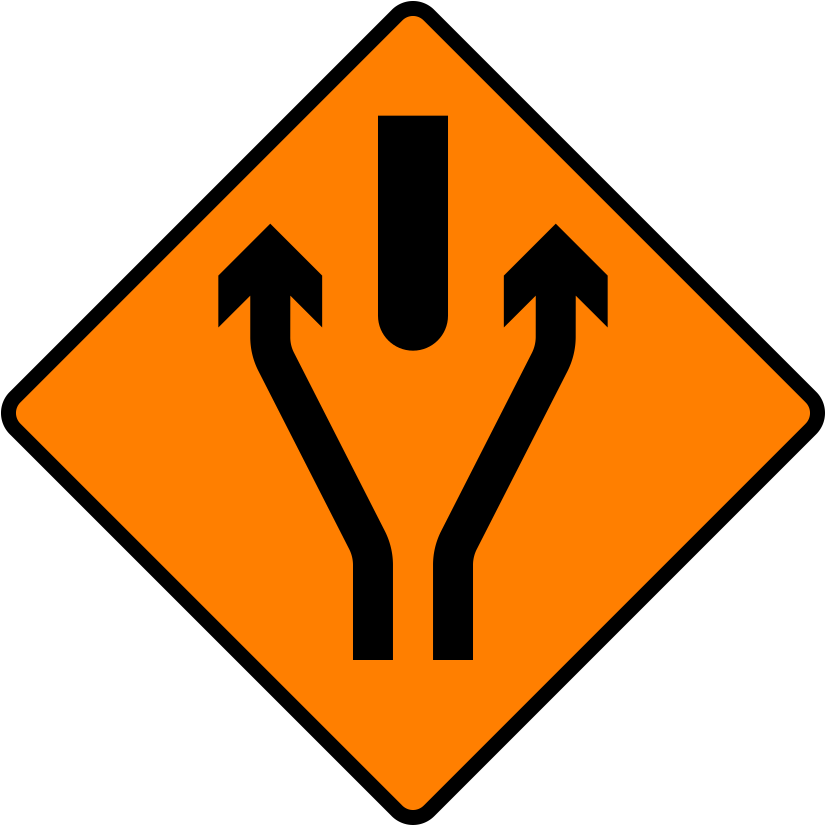
Obstruction between the lanes ahead
Pick your lane early and hold it: something blocks the space between the lanes and traffic passes on either side of it.
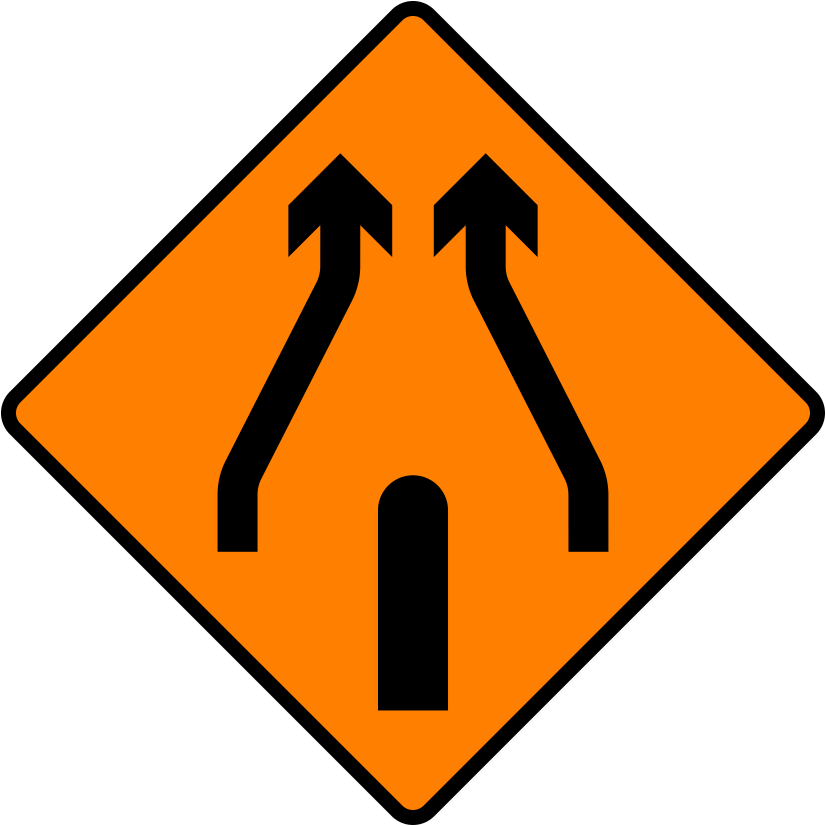
End of obstruction between lanes
The lanes run together again where the obstruction that stood between them finishes; traffic can move between them once it is safe.
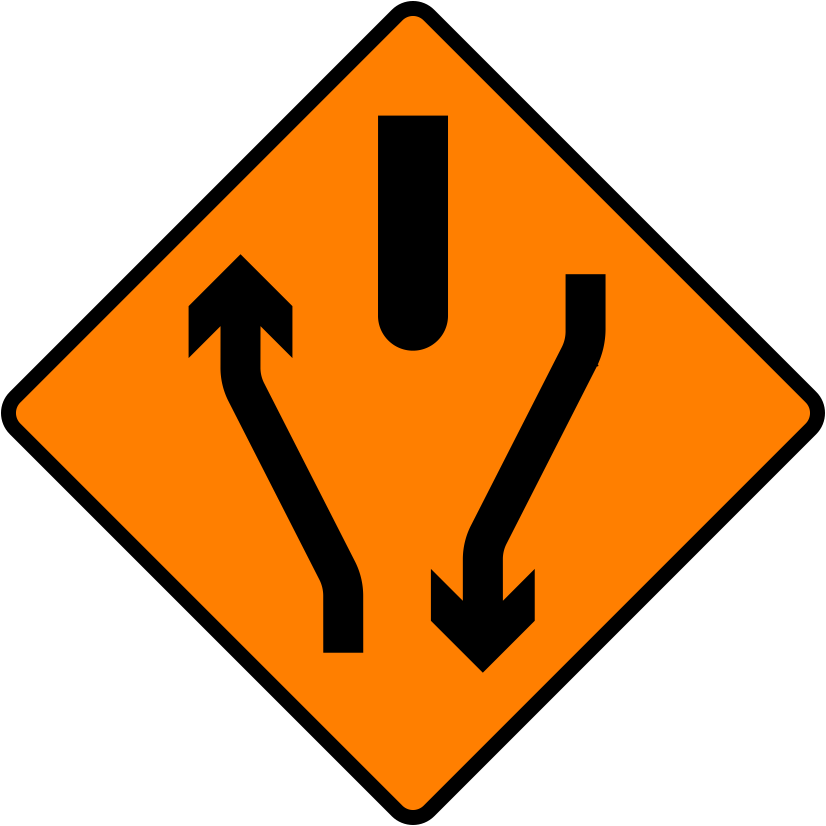
Central reserve or obstruction starts
Choose the correct side before you reach it: a central reserve or other barrier begins just past this point and divides the road.
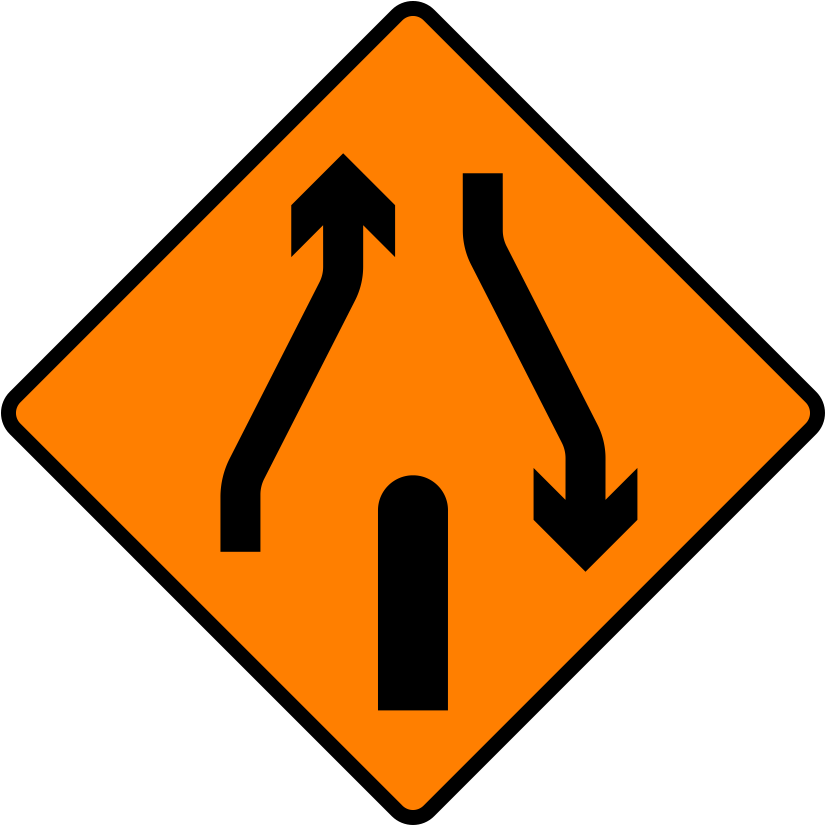
Central reserve or obstruction ends
Watch for traffic that can now move across, because the central reserve or barrier that divided the road comes to an end here.
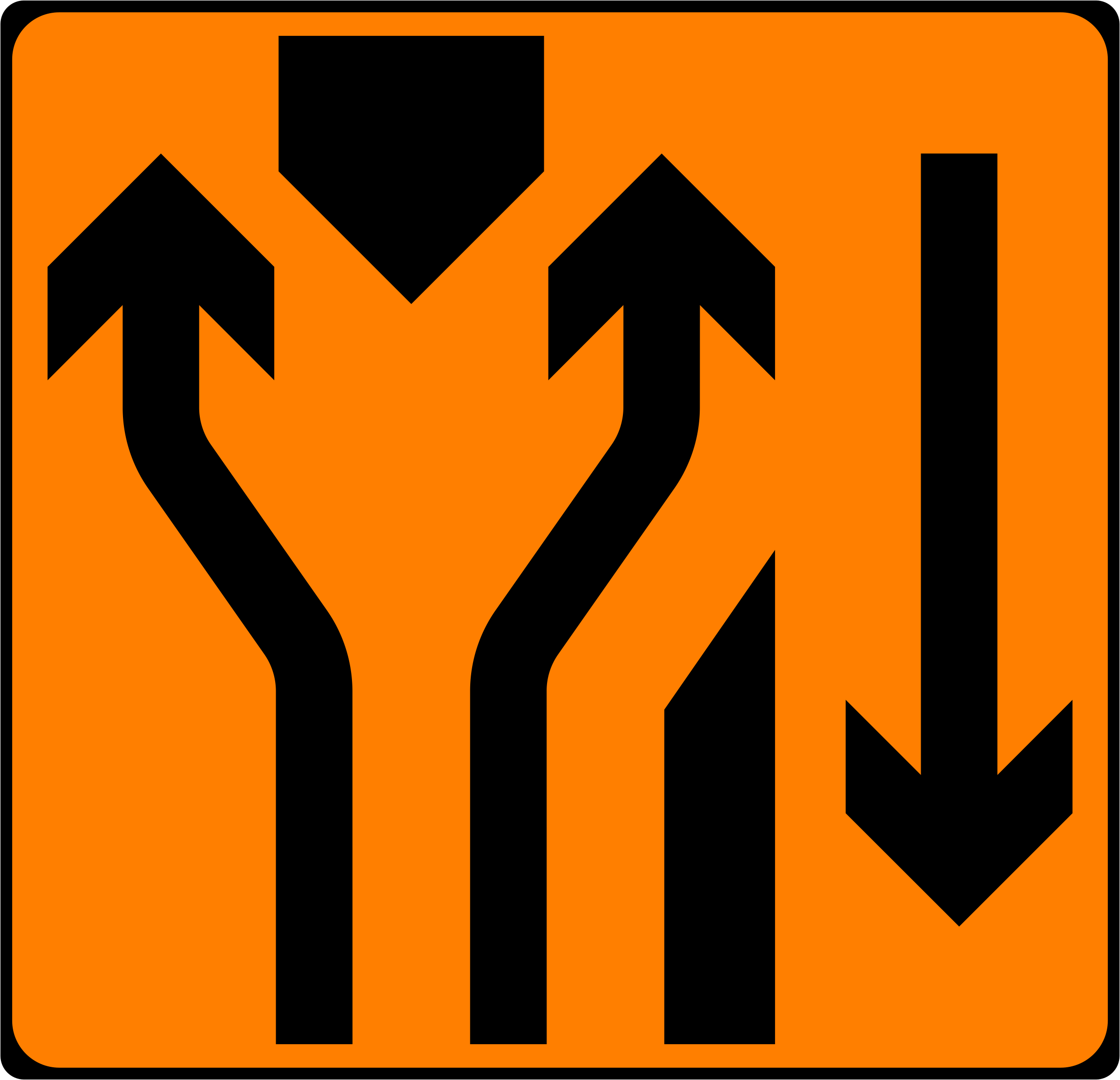
Lanes split at the crossover
Read the layout early and get into the lane you need: at the crossover the lanes separate and take different routes.
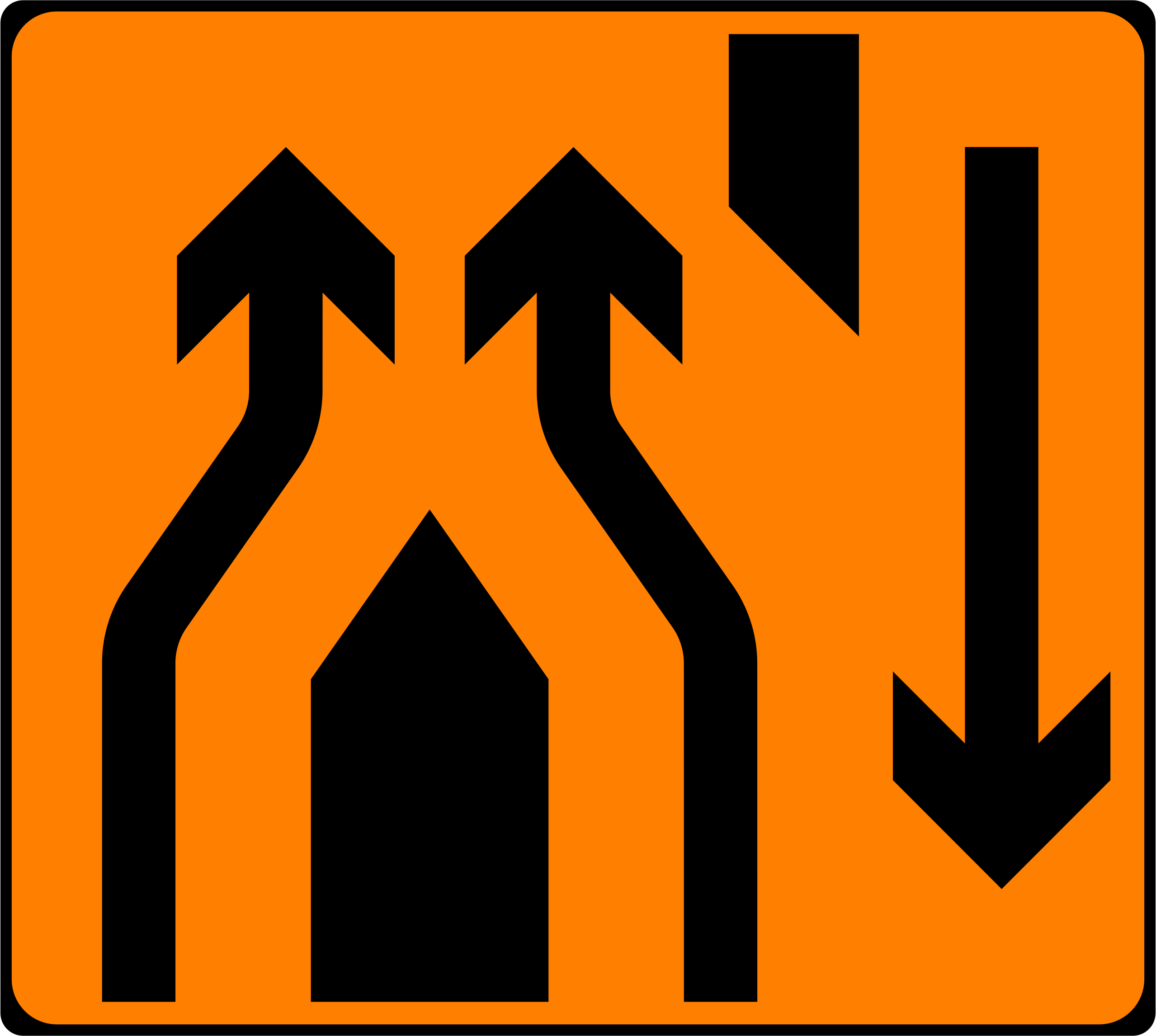
Lanes join again at the crossover
Check your mirrors, hold a steady speed and merge in turn, because lanes that were separated come back together at the crossover.
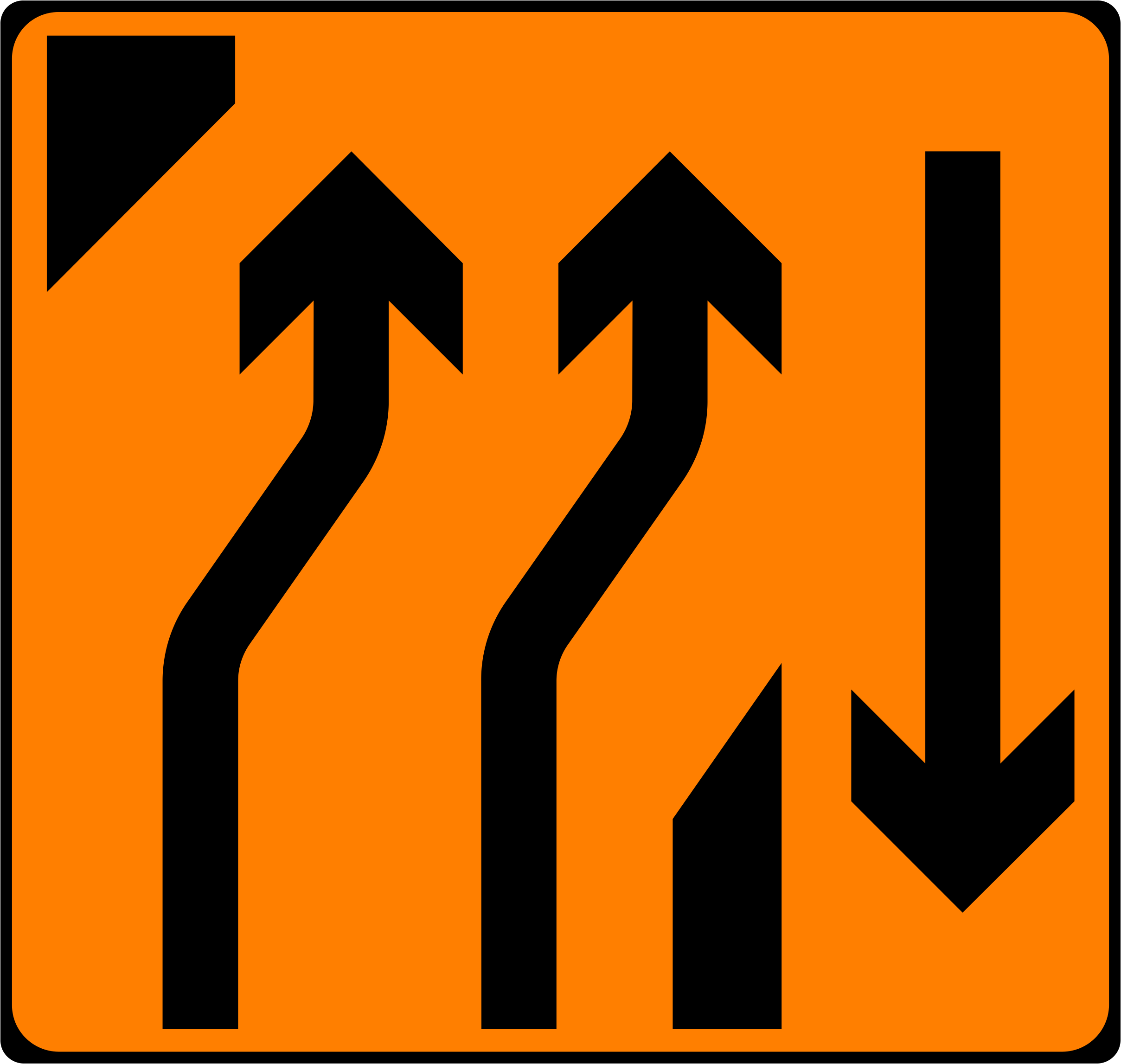
Two lanes cross to the far side
Follow the cones and stay in the lane you start in: both lanes are taken across the central reserve onto the other carriageway here.
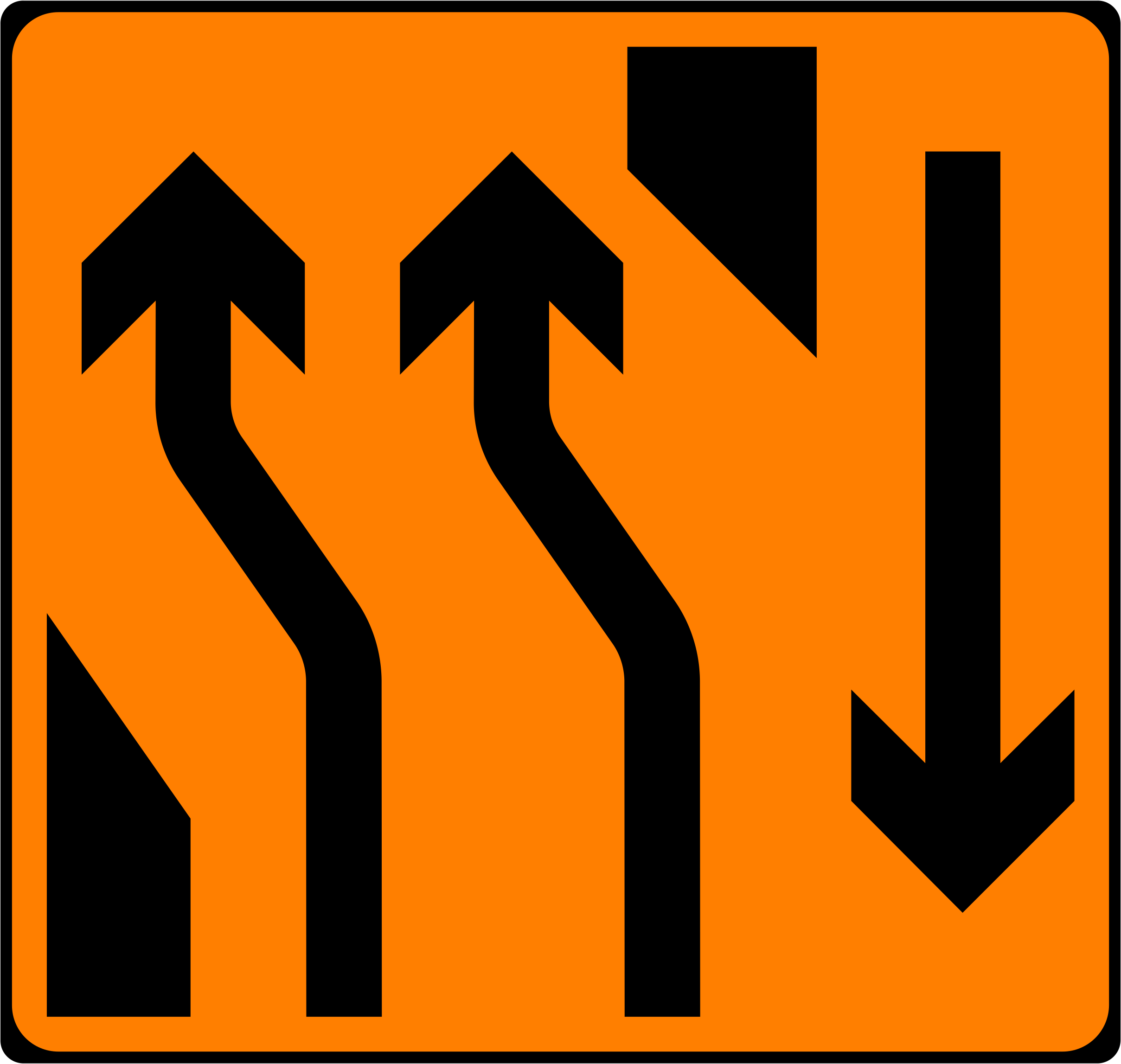
Two lanes cross back
Keep your lane and stay inside the cone line where two lanes of contraflow traffic are returned across the central reserve to their own side.
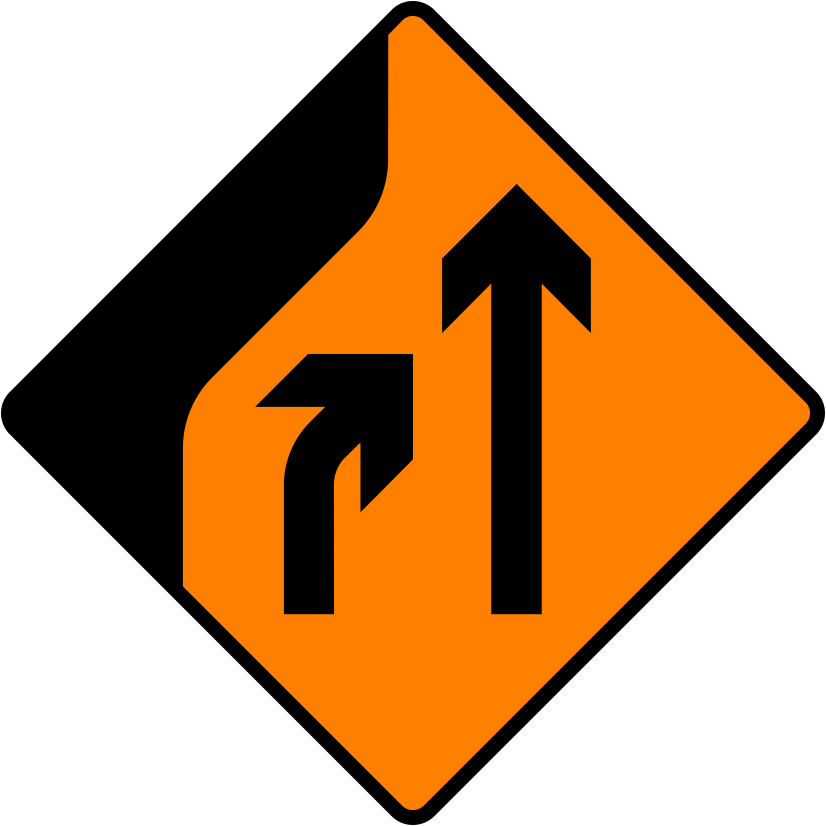
Merge right ahead
Take turns where two lanes become one: traffic on the left has to merge into the lane on the right.
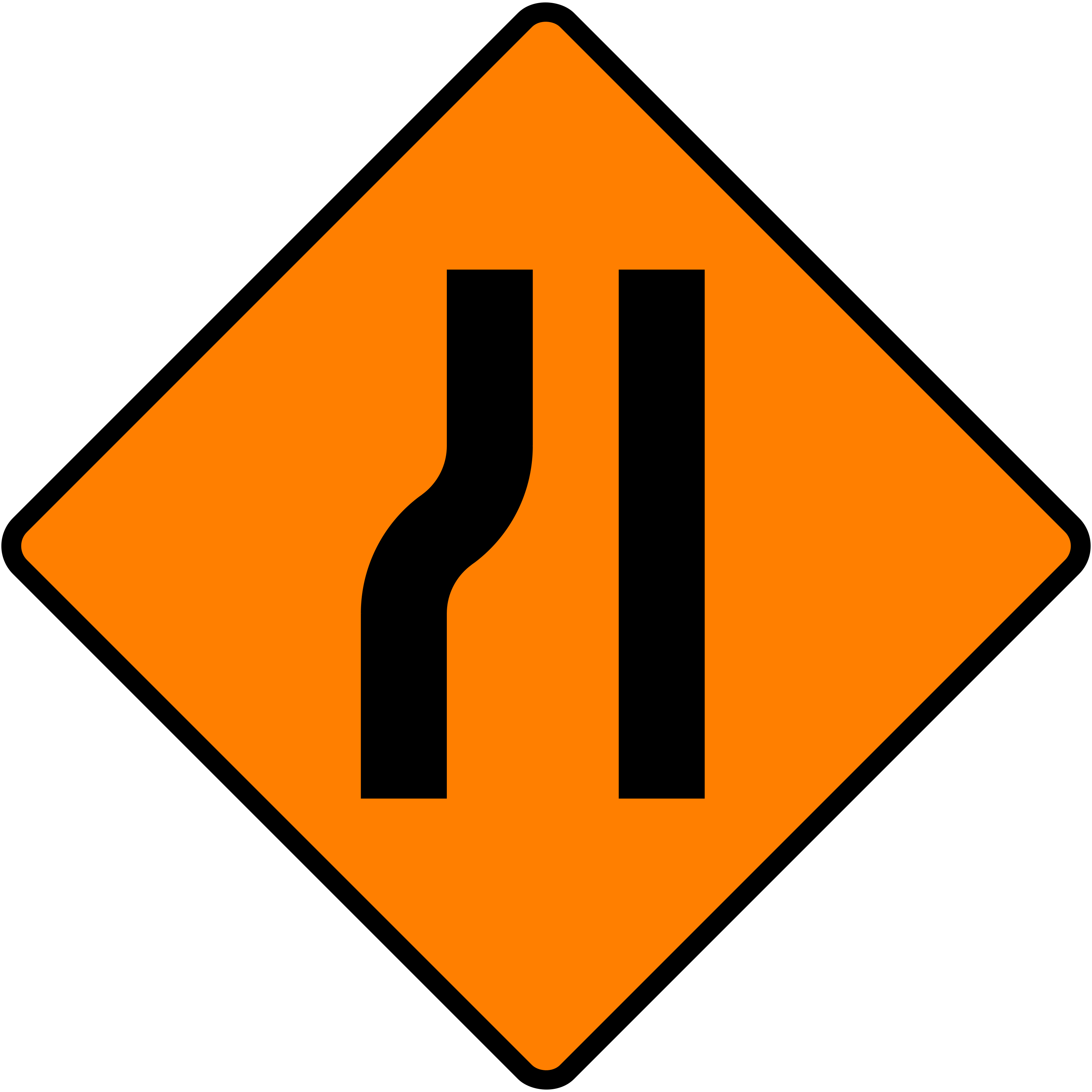
Road narrows on the left, works sign
The road gets narrower on the left, often because of a works area; reduce speed and keep clear of the left edge.
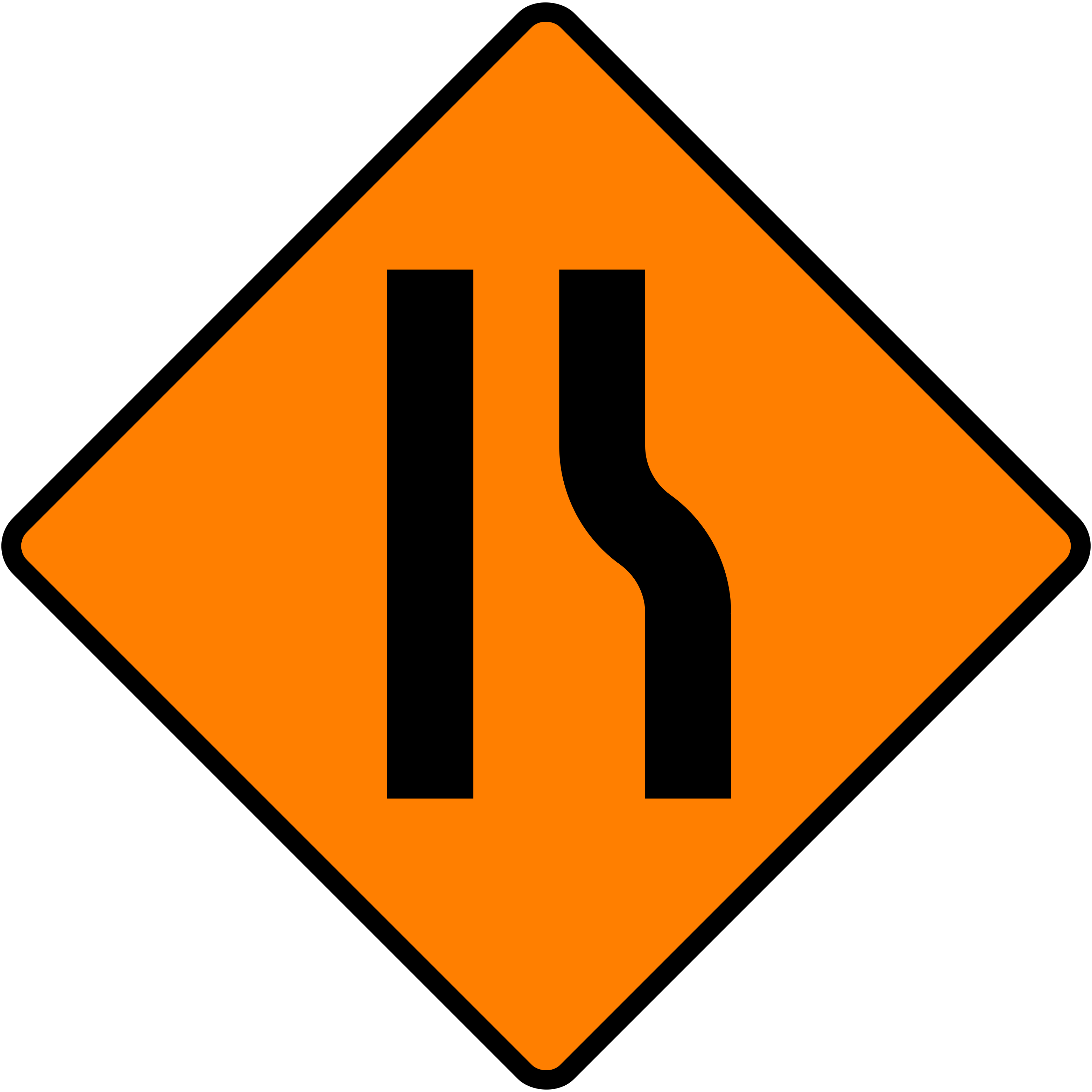
Road narrows on the right, works sign
Ease your speed, keep left and be ready to give way to oncoming traffic, because the road narrows on the right.
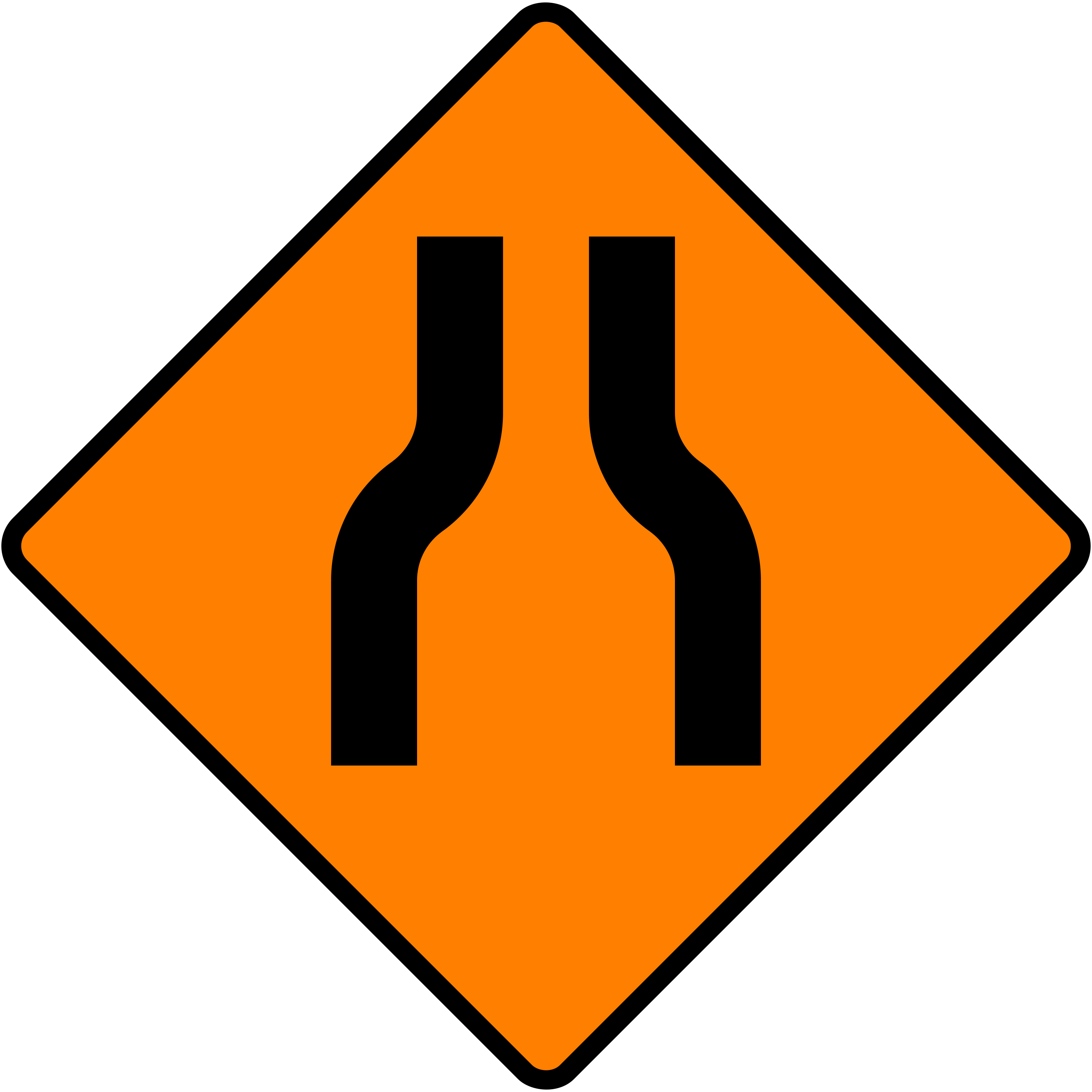
Road narrows both sides, works sign
The road loses width on both sides here, leaving less than usual; reduce speed and hold a steady line through the gap.
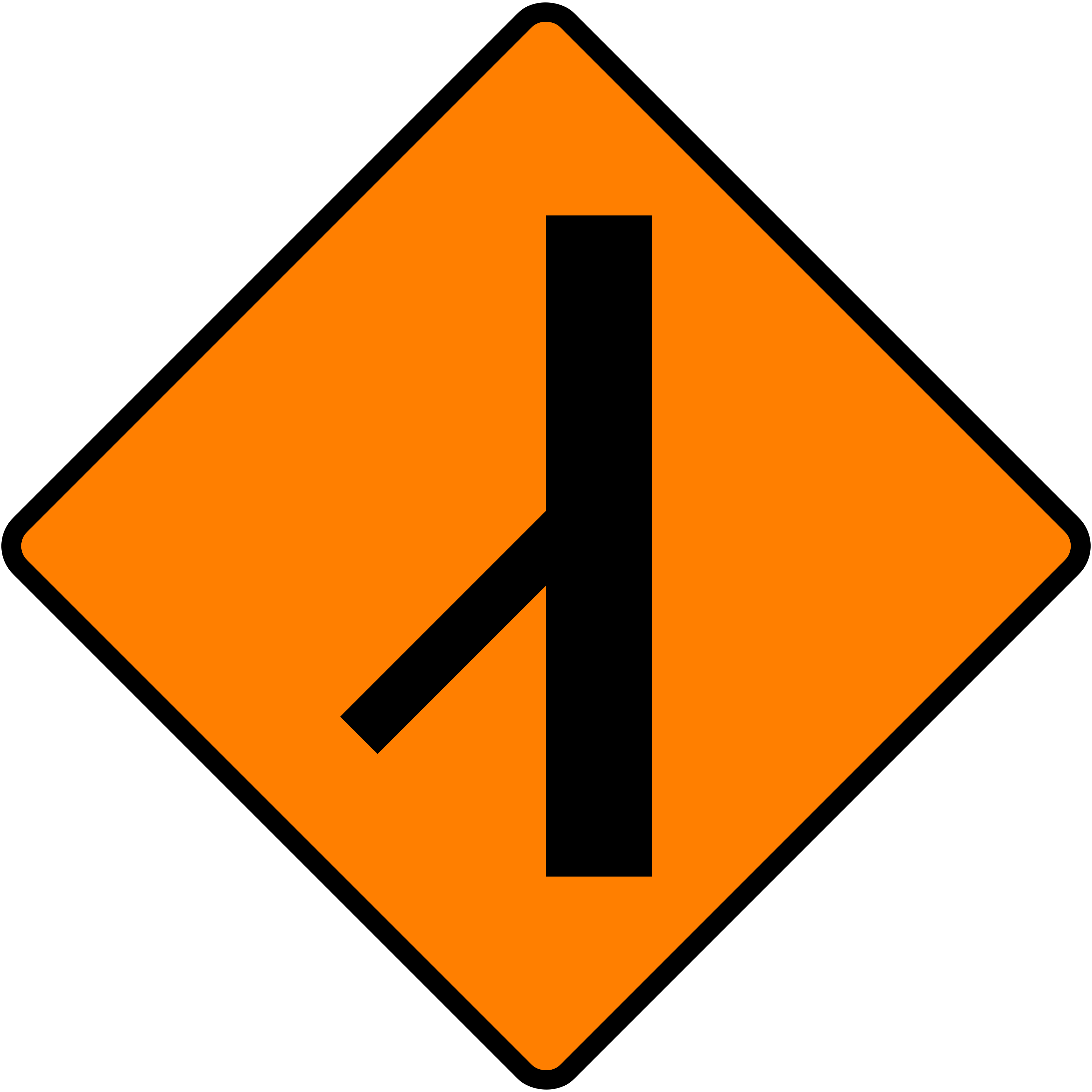
Traffic merging from the left, works sign
Check the left side, adjust your speed and leave a gap for vehicles coming in: traffic joins your road from the left.
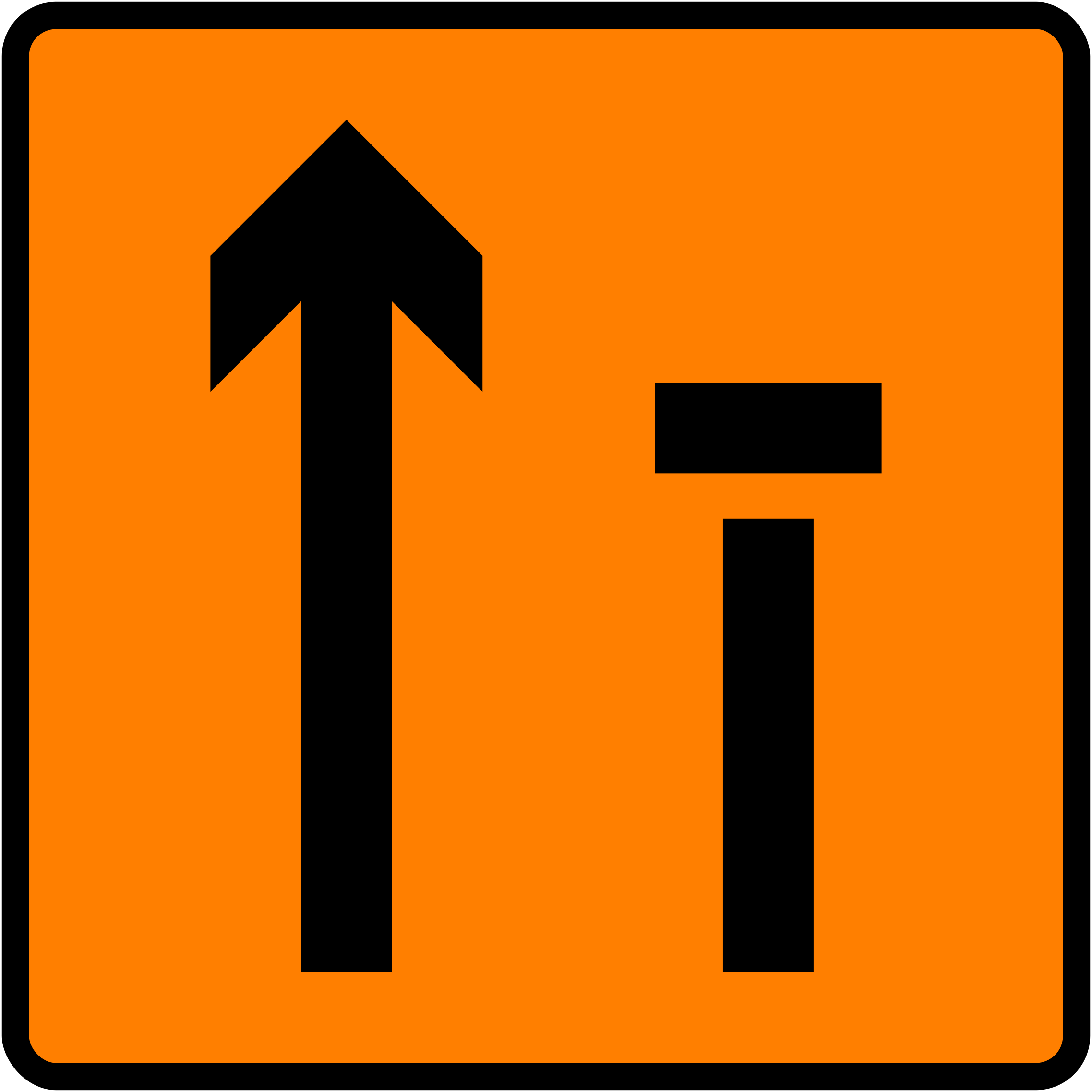
Right lane of two closed ahead
Of the two lanes, the right-hand one is closed; get into the left lane early and let one vehicle in at a time.
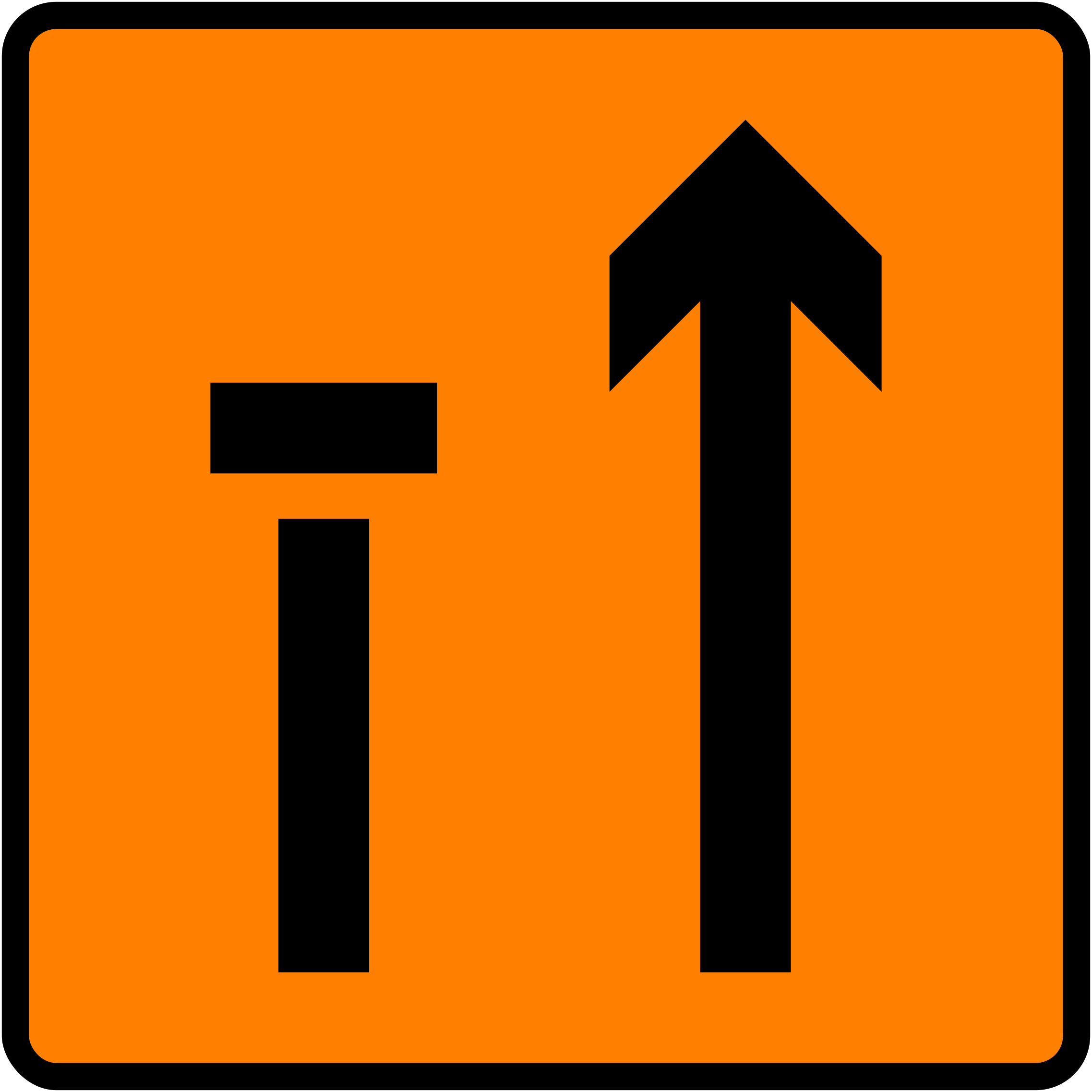
Left lane of two closed ahead
Move over to the right lane early and let others in as you go, because the left-hand of the two lanes is closed.
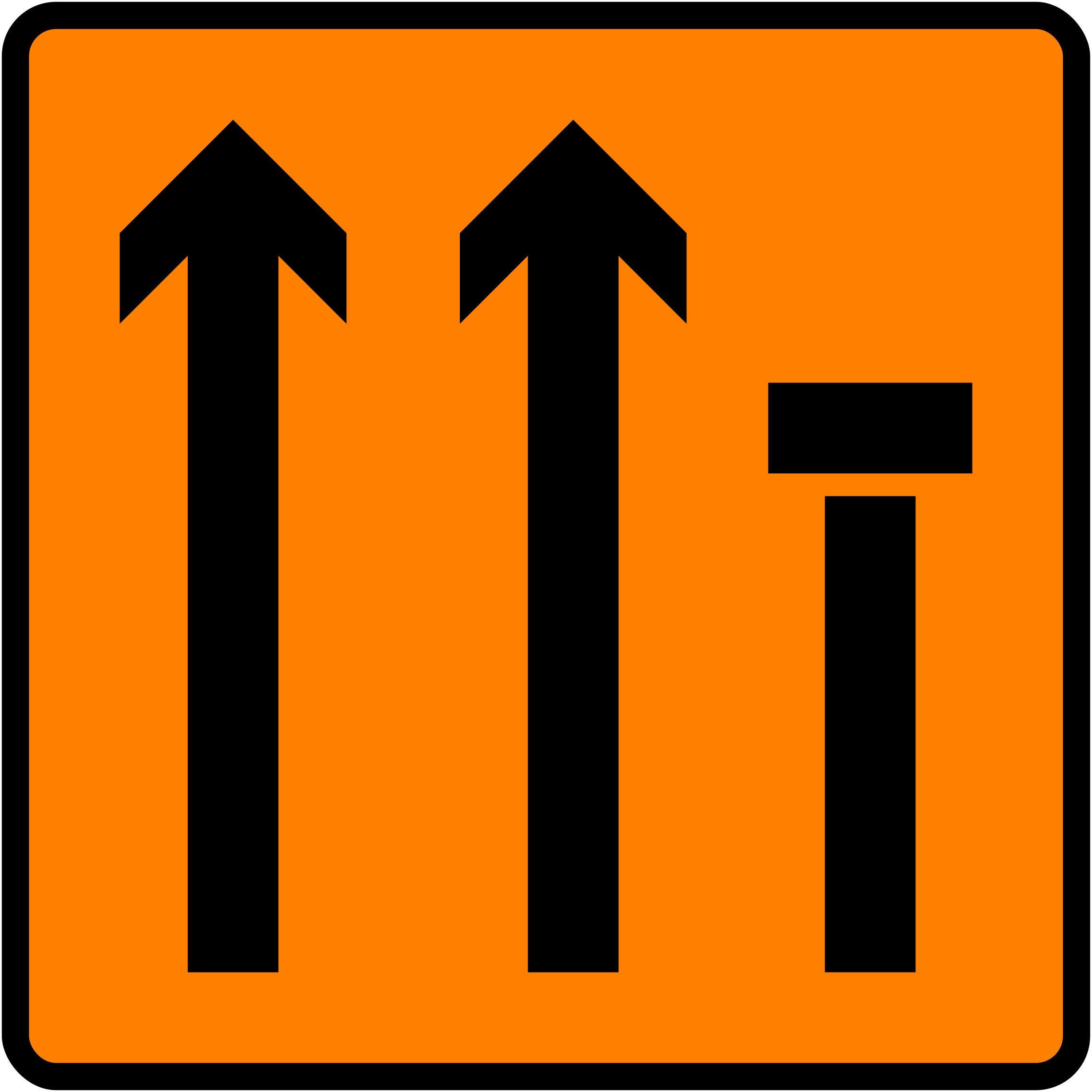
Right lane of three closed ahead
Settle into one of the other two lanes early, because three lanes run on and the right-hand one is closed.
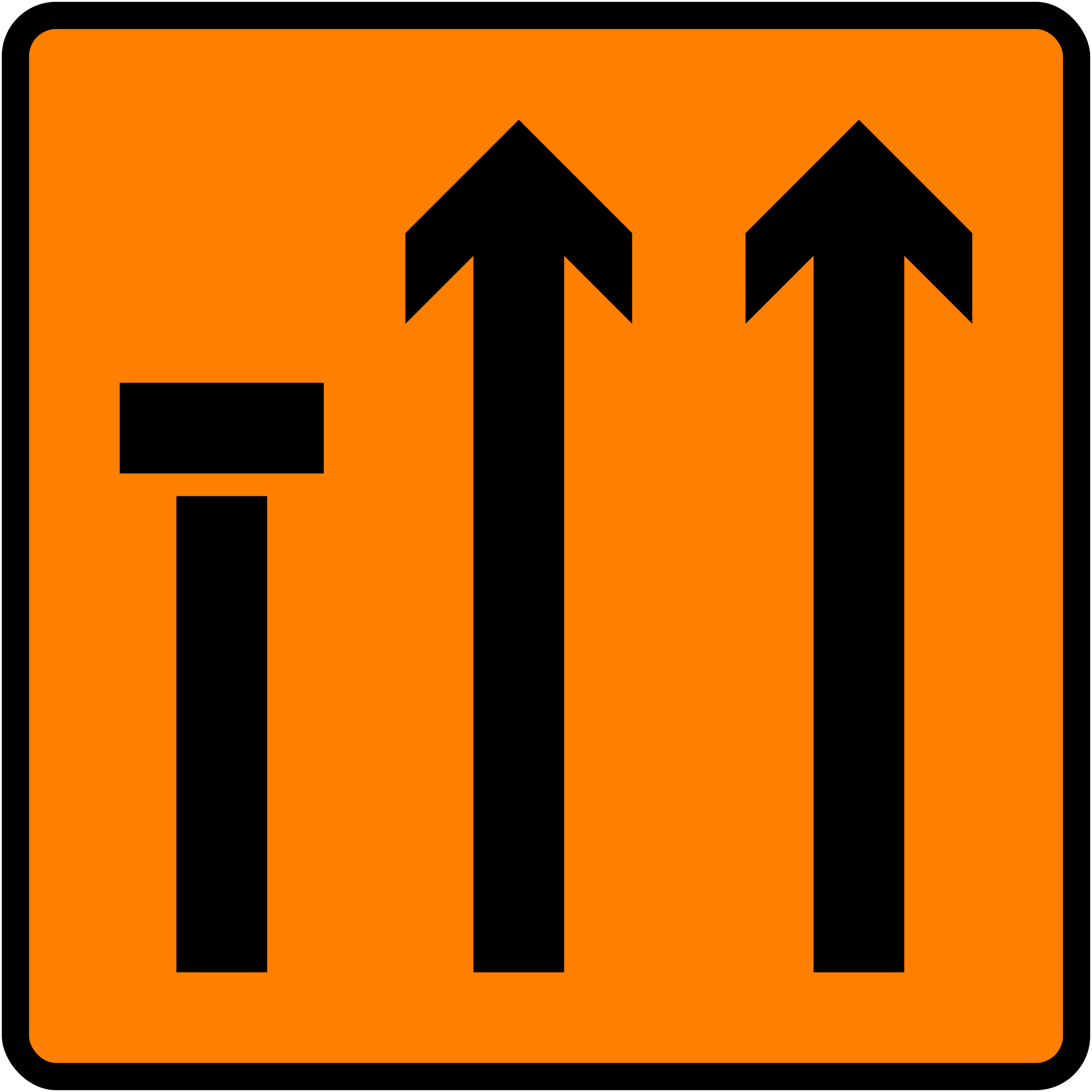
Left lane of three closed ahead
The left-hand lane closes on a three-lane road; change to the right early and expect vehicles merging across in front of you.
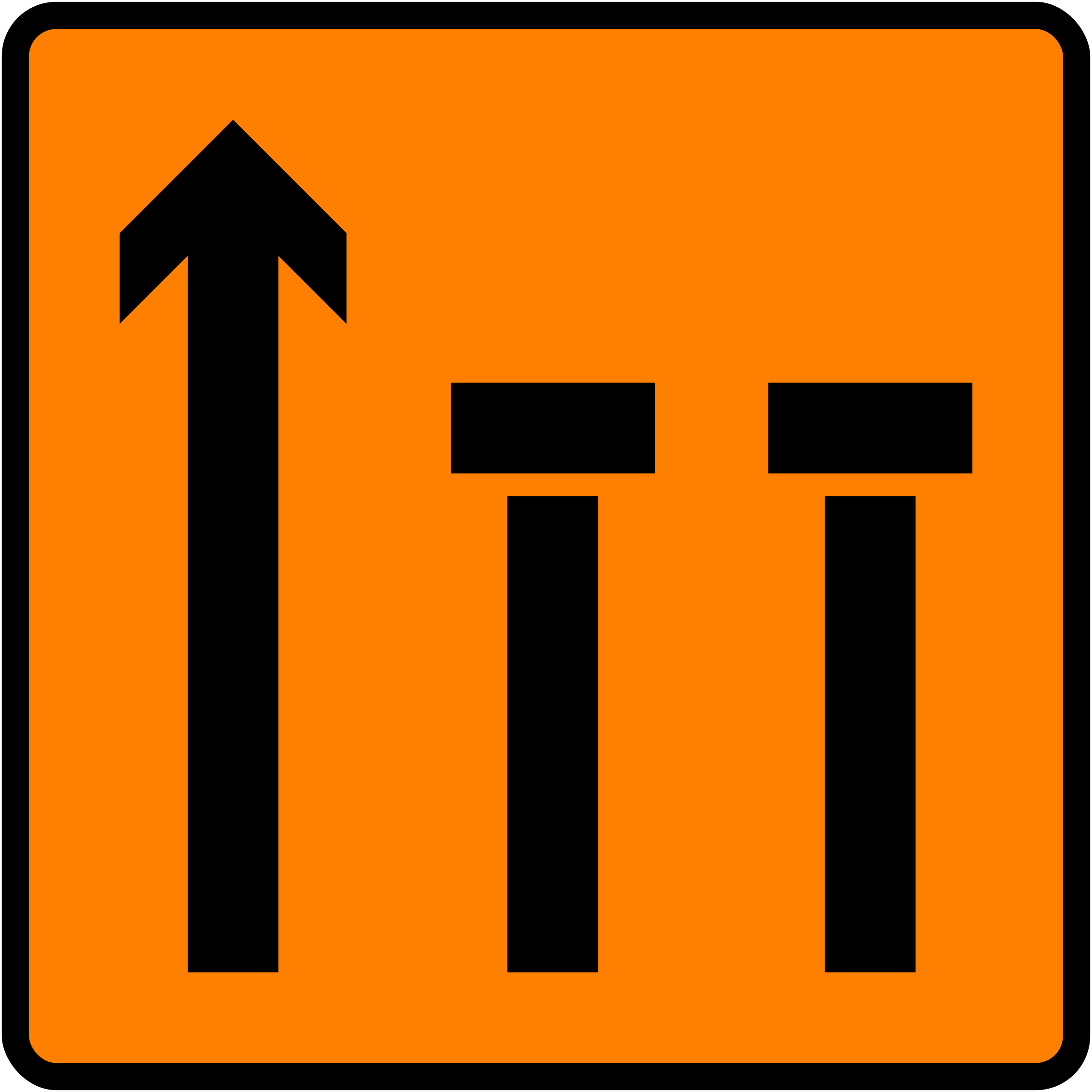
Two right lanes of three closed
Move across well before the works: two of the three lanes are closed on the right, leaving only the left-hand lane.
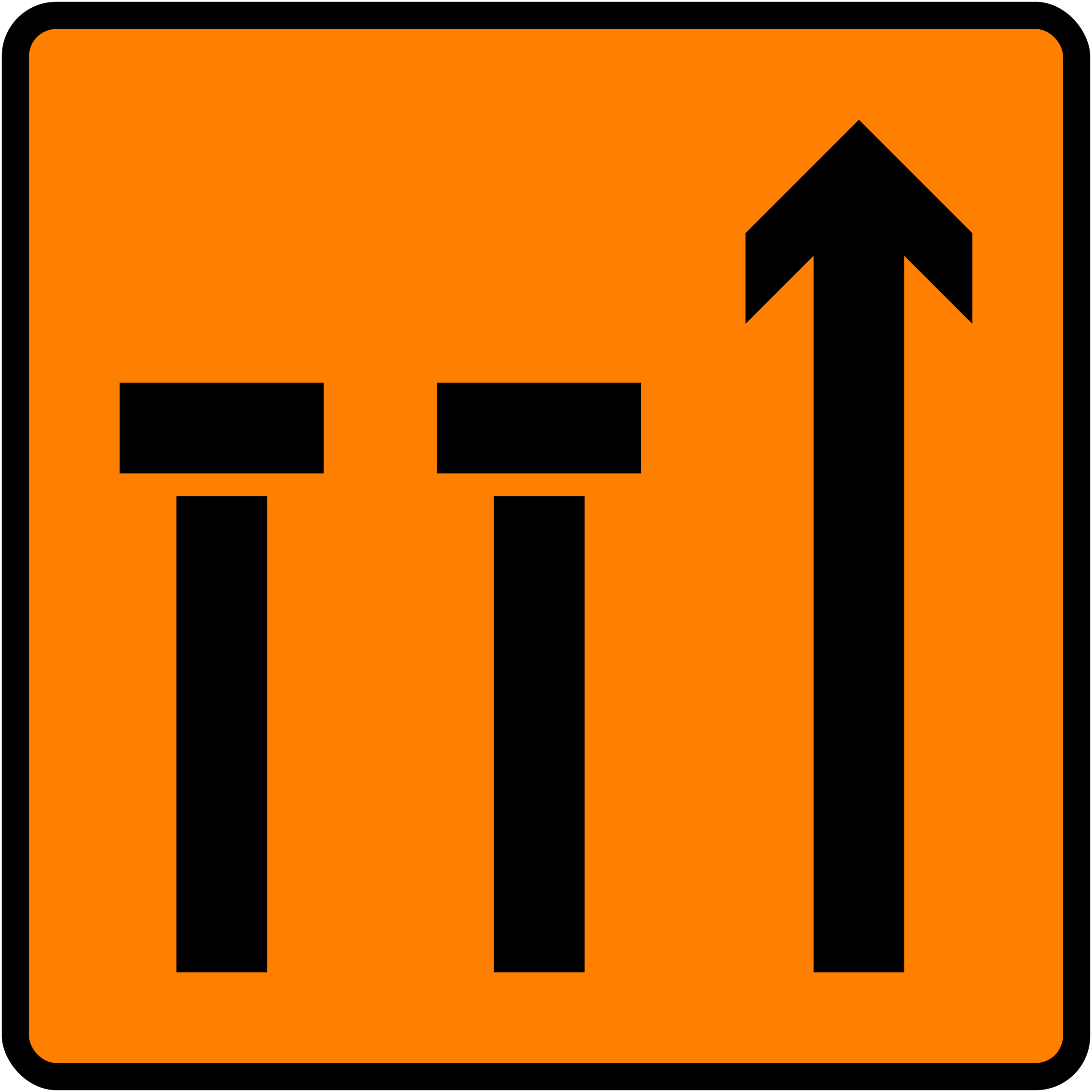
Two left lanes of three closed
Every vehicle must use the right-hand lane and take turns, because the two left-hand lanes of three are closed.
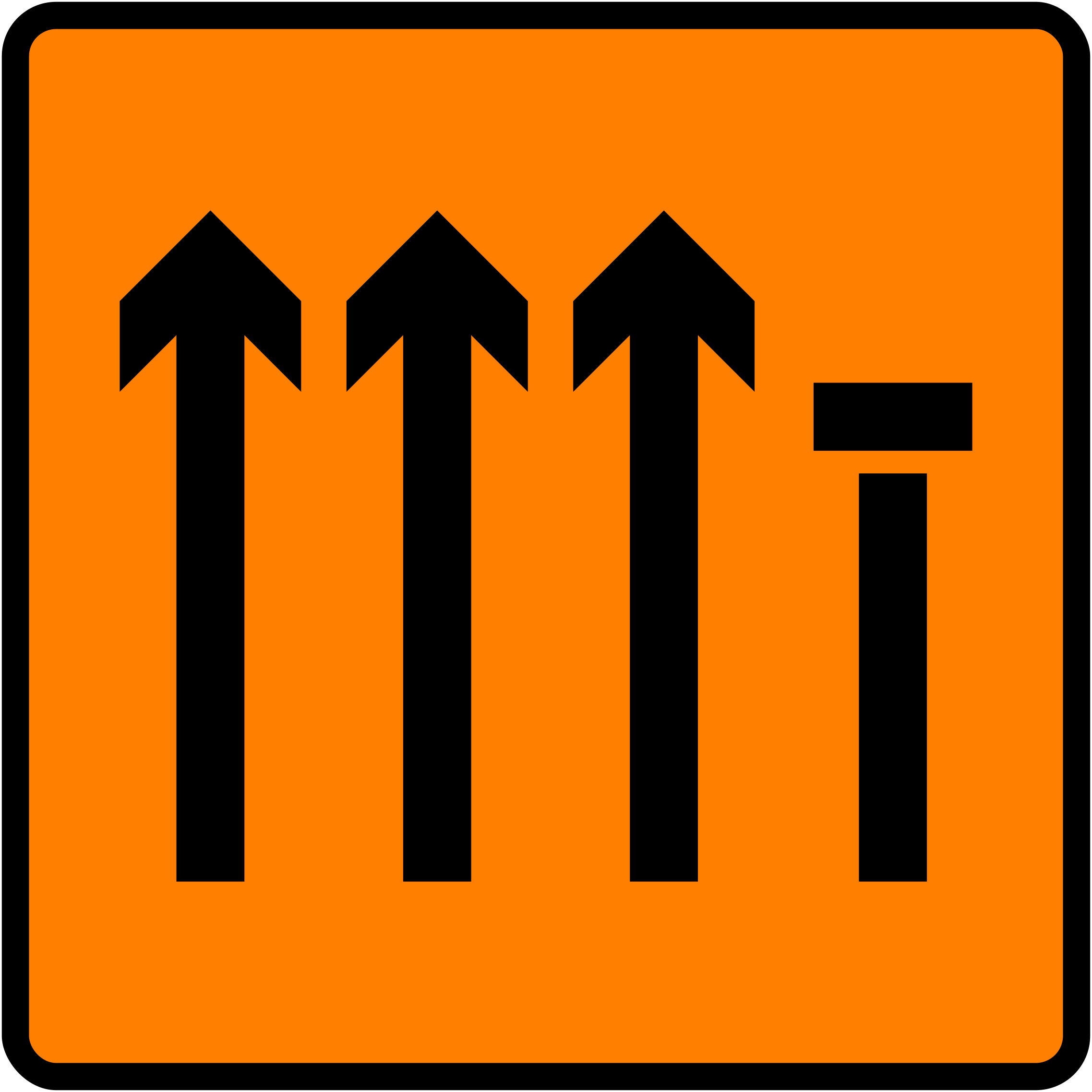
Right lane of four closed ahead
With four lanes running and the right-hand one closed, pull out of it early rather than pushing in at the cones.
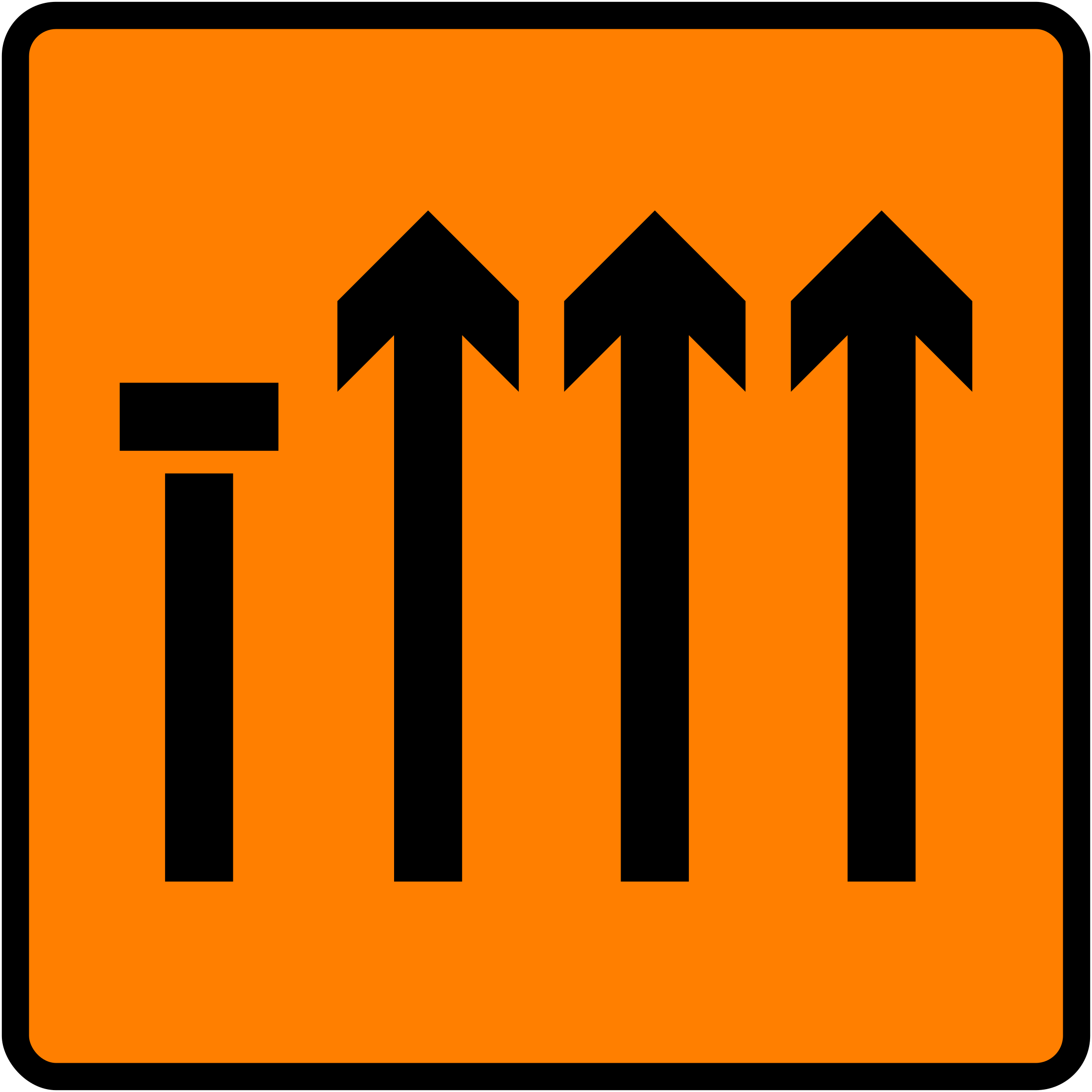
Left lane of four closed ahead
Where four lanes run, the left-hand one closes; pull right early and watch for traffic doing the same.
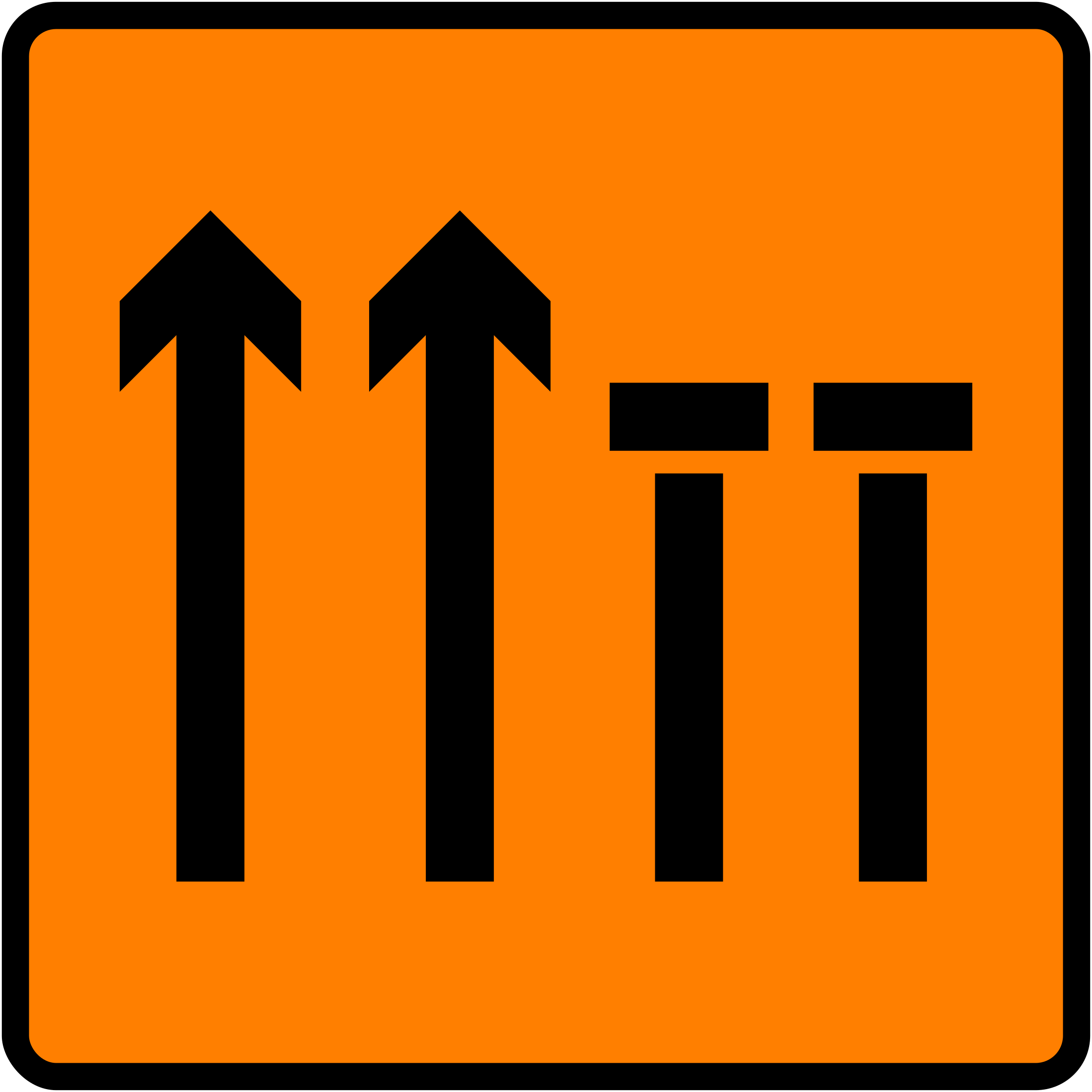
Two right lanes of four closed
Before you reach them, move into one of the two left-hand lanes: two of the four lanes are closed on the right.
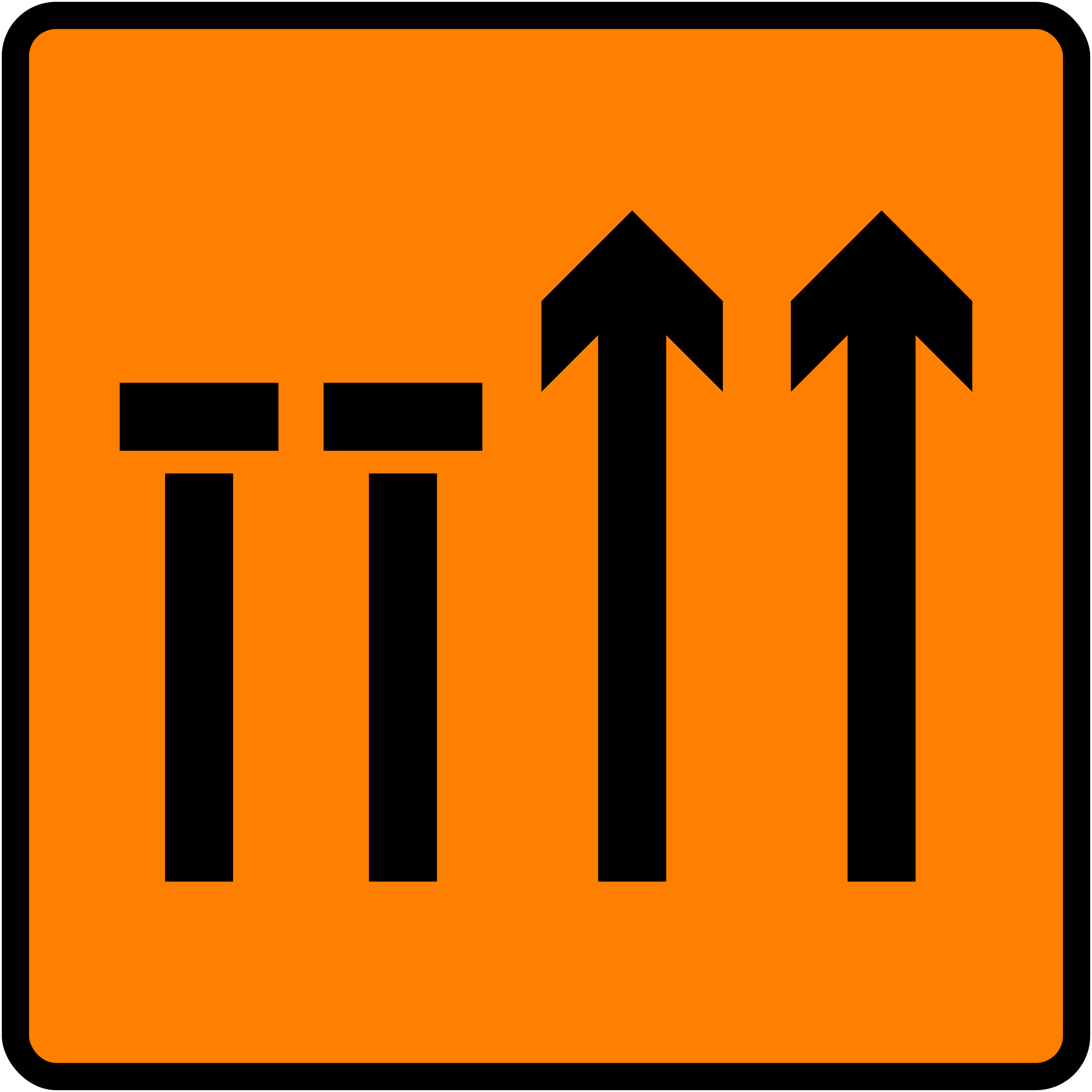
Two left lanes of four closed
The two left-hand lanes of four are closed; take one of the right-hand lanes and expect heavier traffic in them.

Site entrance
Expect lorries slowing, turning and crossing your path: this marks the point where site traffic turns in and out of the works.
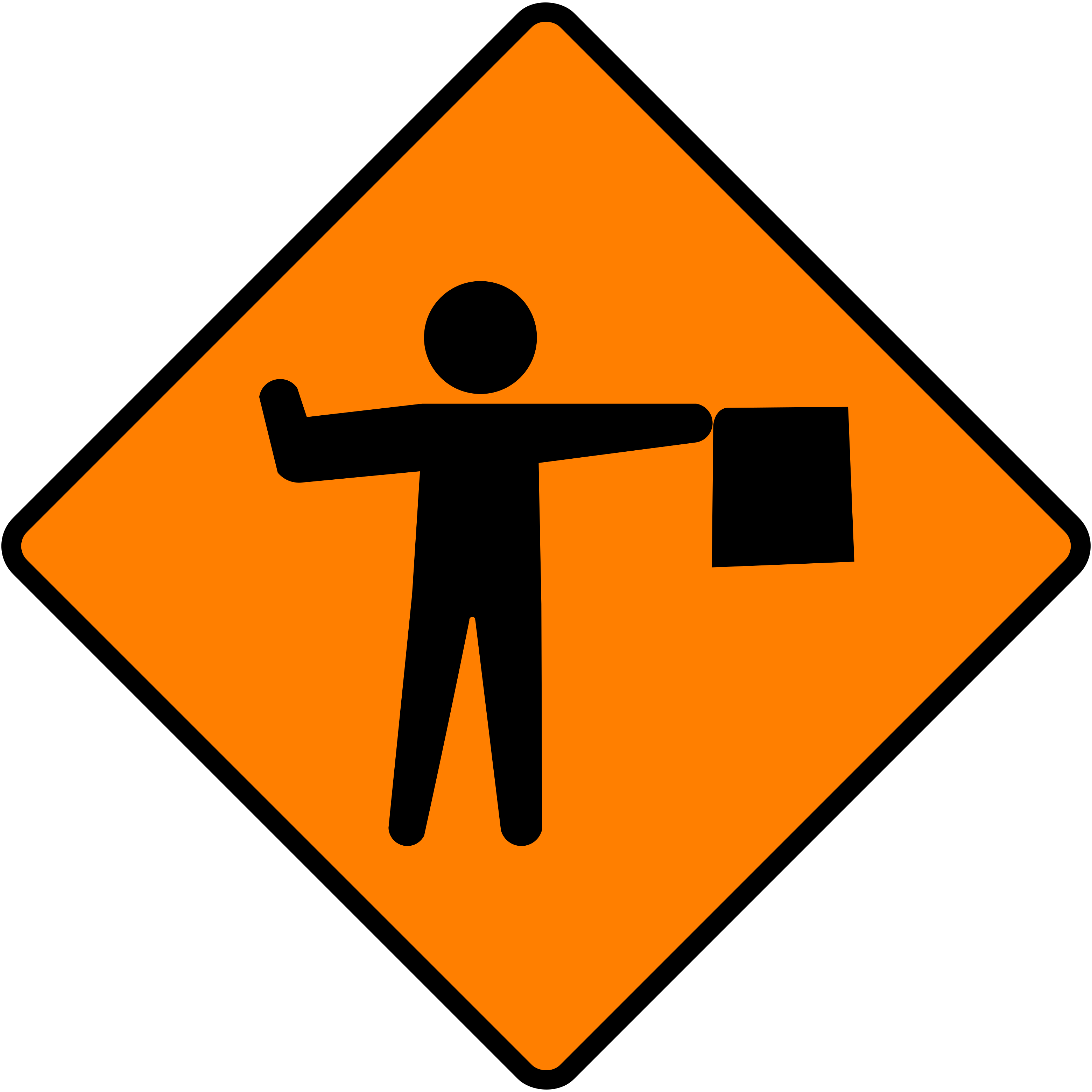
Traffic controlled by hand ahead
Slow down, be ready to stop and follow the signals given, because a person is directing traffic through the works.
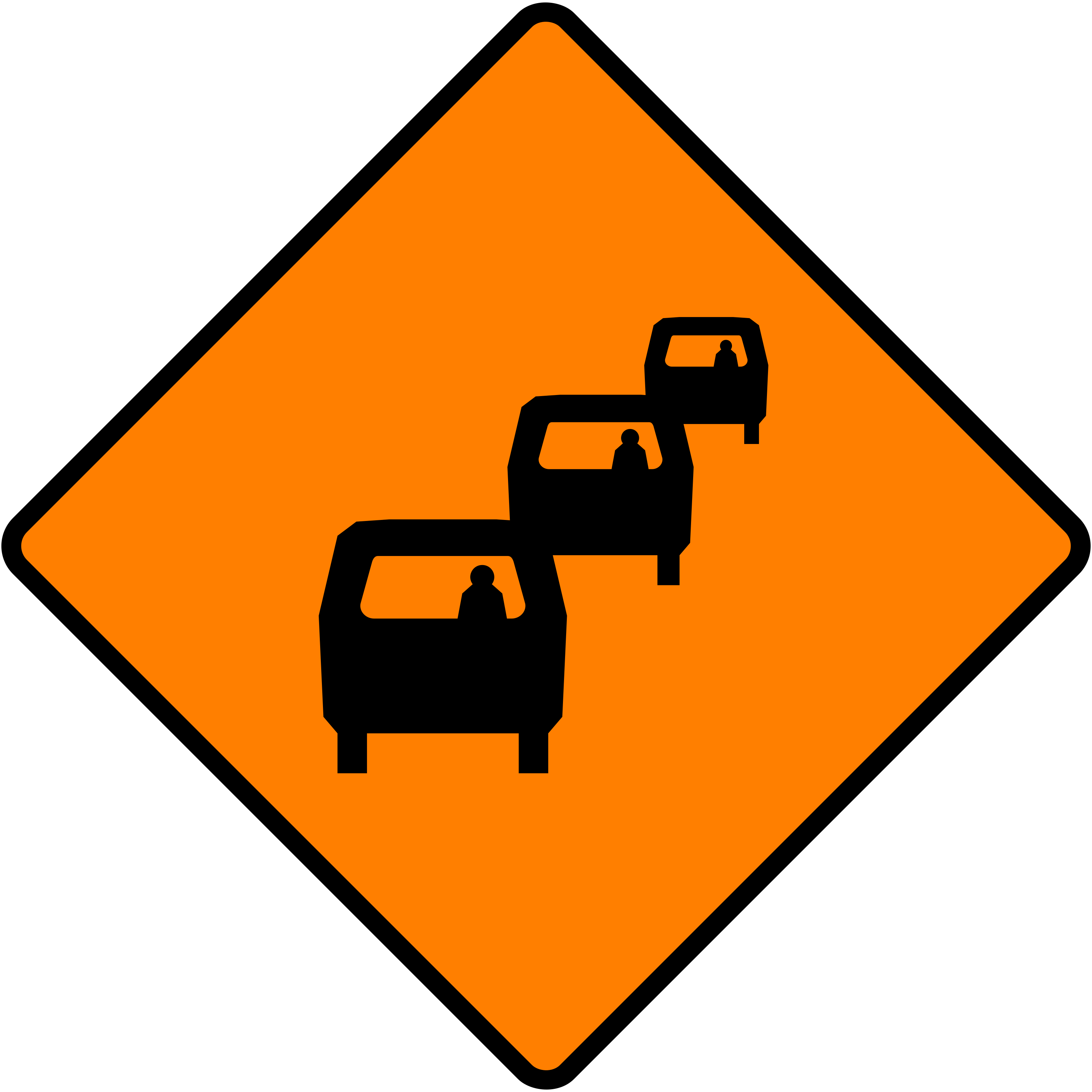
Queues likely ahead
Keep your distance, watch for brake lights and do not change lanes late: queues of stopped or slow traffic are expected here.
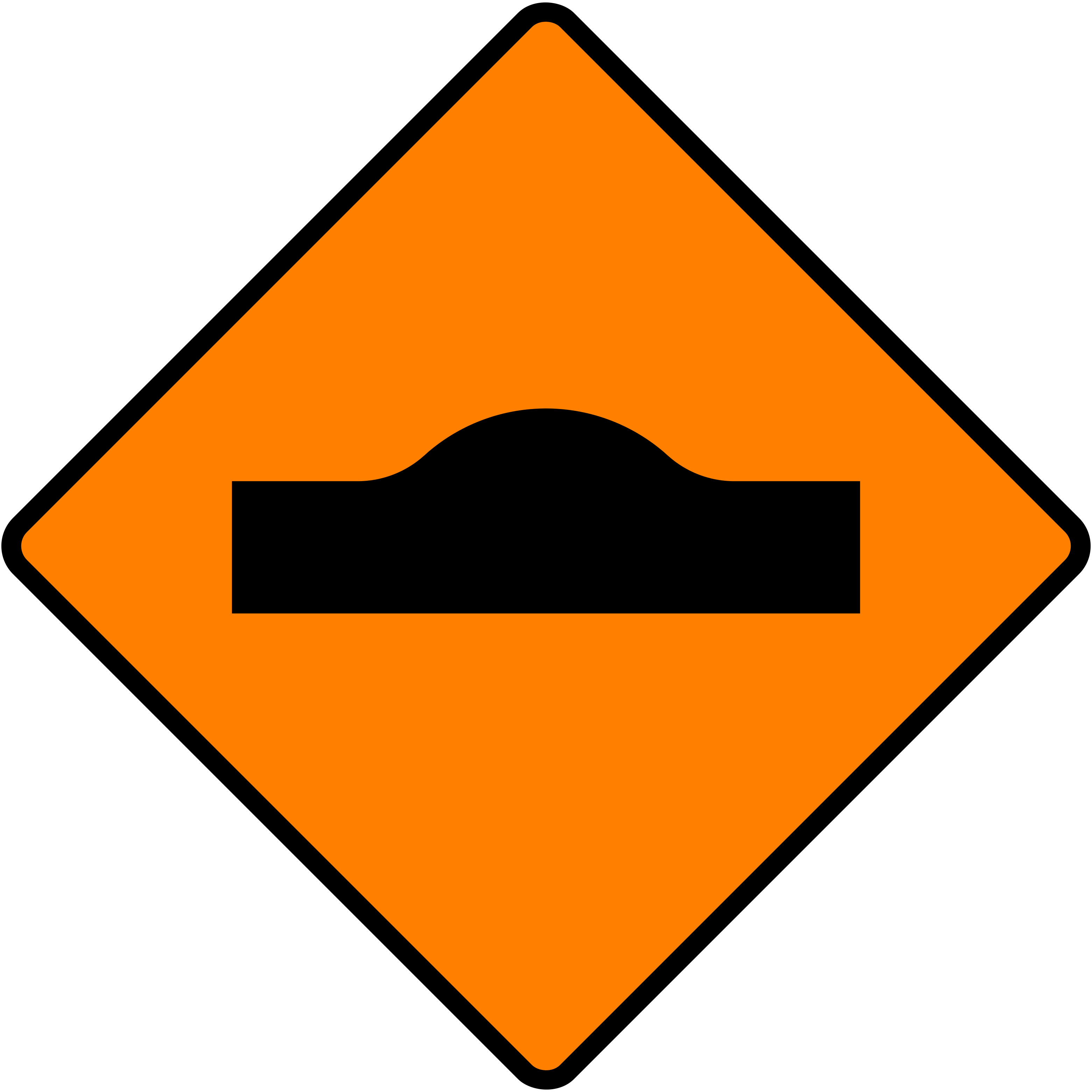
Ramps or humps ahead
Cut your speed before you reach the ramps or humps formed in the surface, to avoid damage or losing grip.
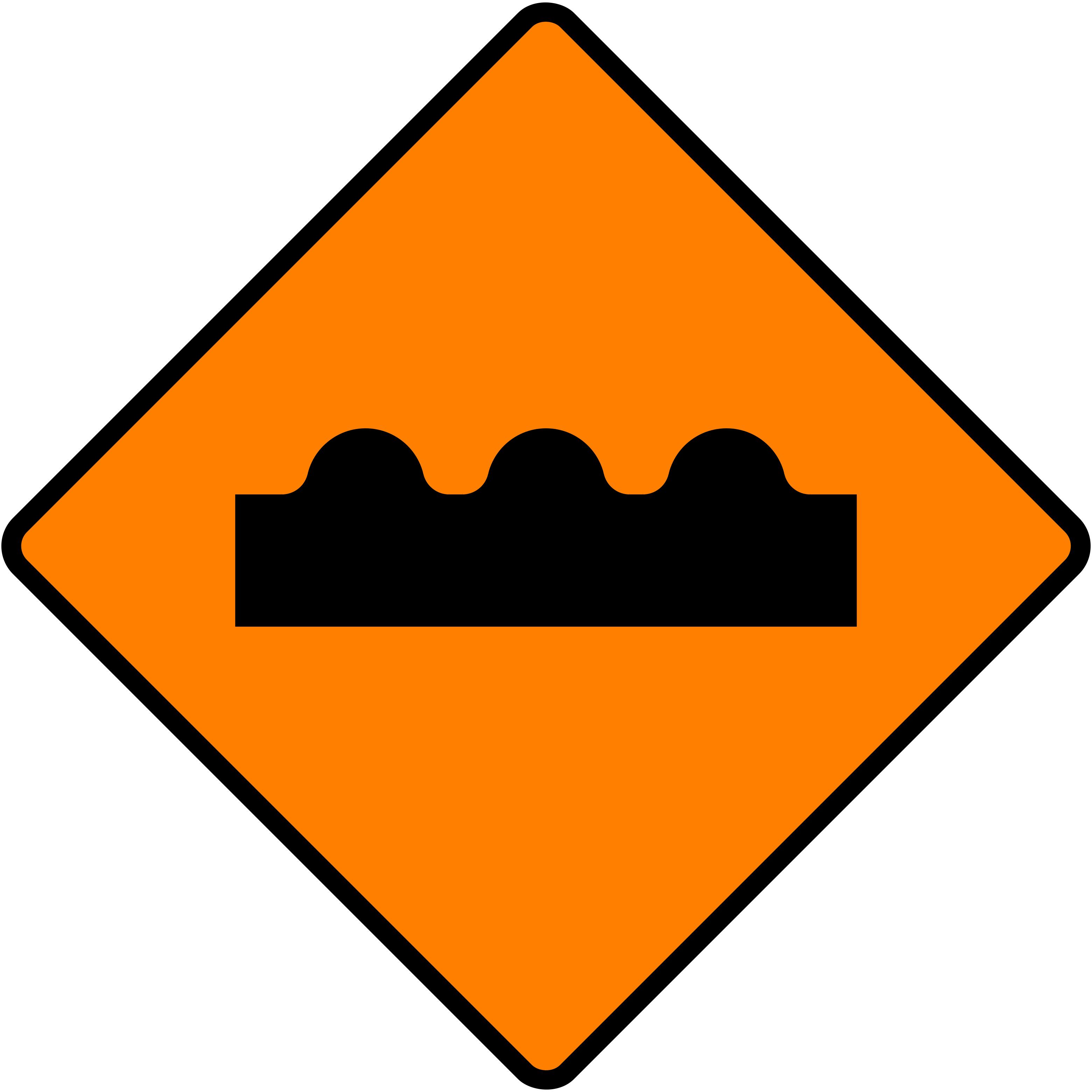
Uneven road surface, works sign
Keep your speed down and hold the wheel firmly through this stretch, where the surface is uneven, with ridges, hollows or exposed layers.
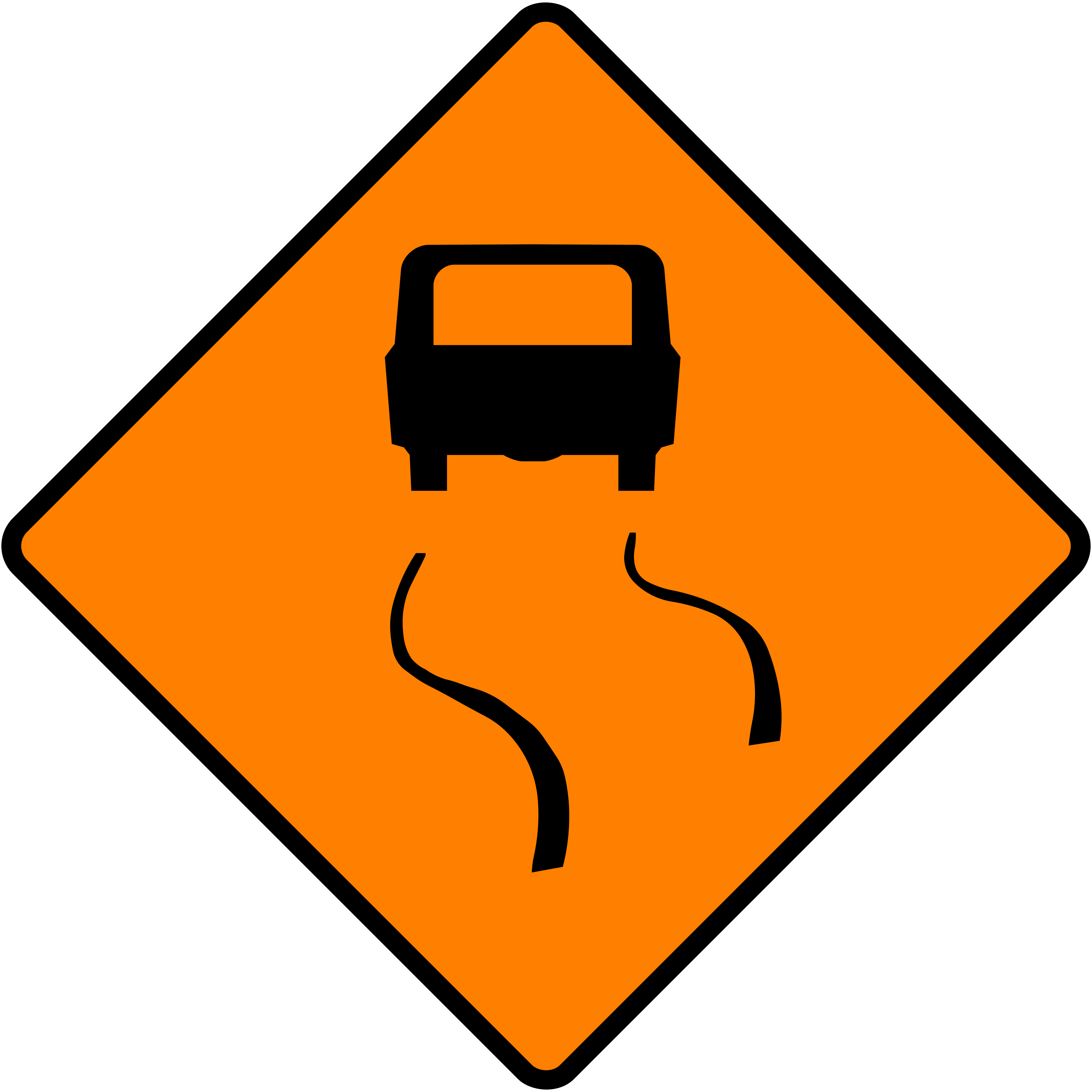
Slippery road surface, works sign
Reduce speed early, steer and brake gently and leave a bigger gap to the vehicle in front: grip is poor on the surface.
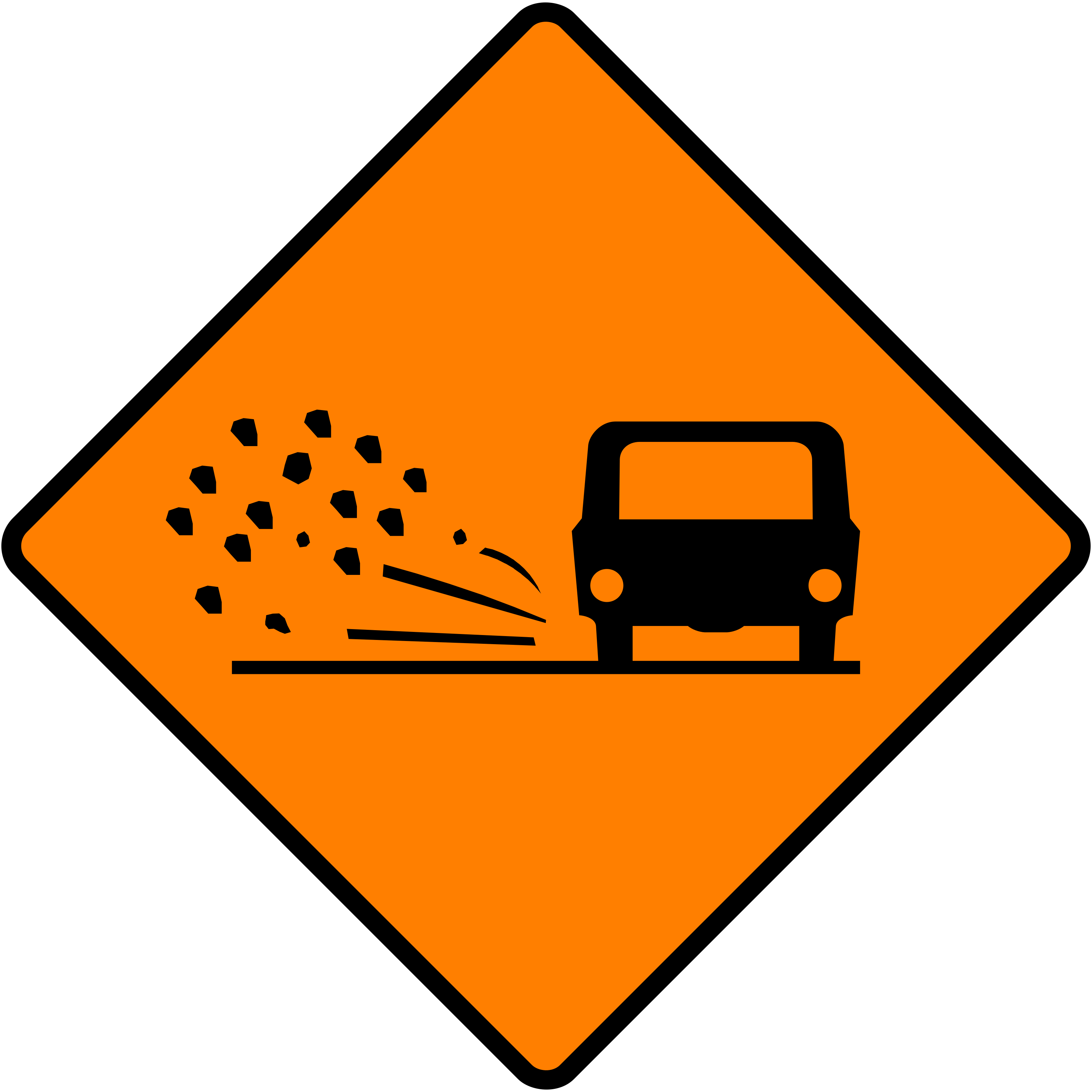
Loose chippings
Slow right down, keep well back and avoid throwing stones at other vehicles, because loose stone chippings lie on the road.
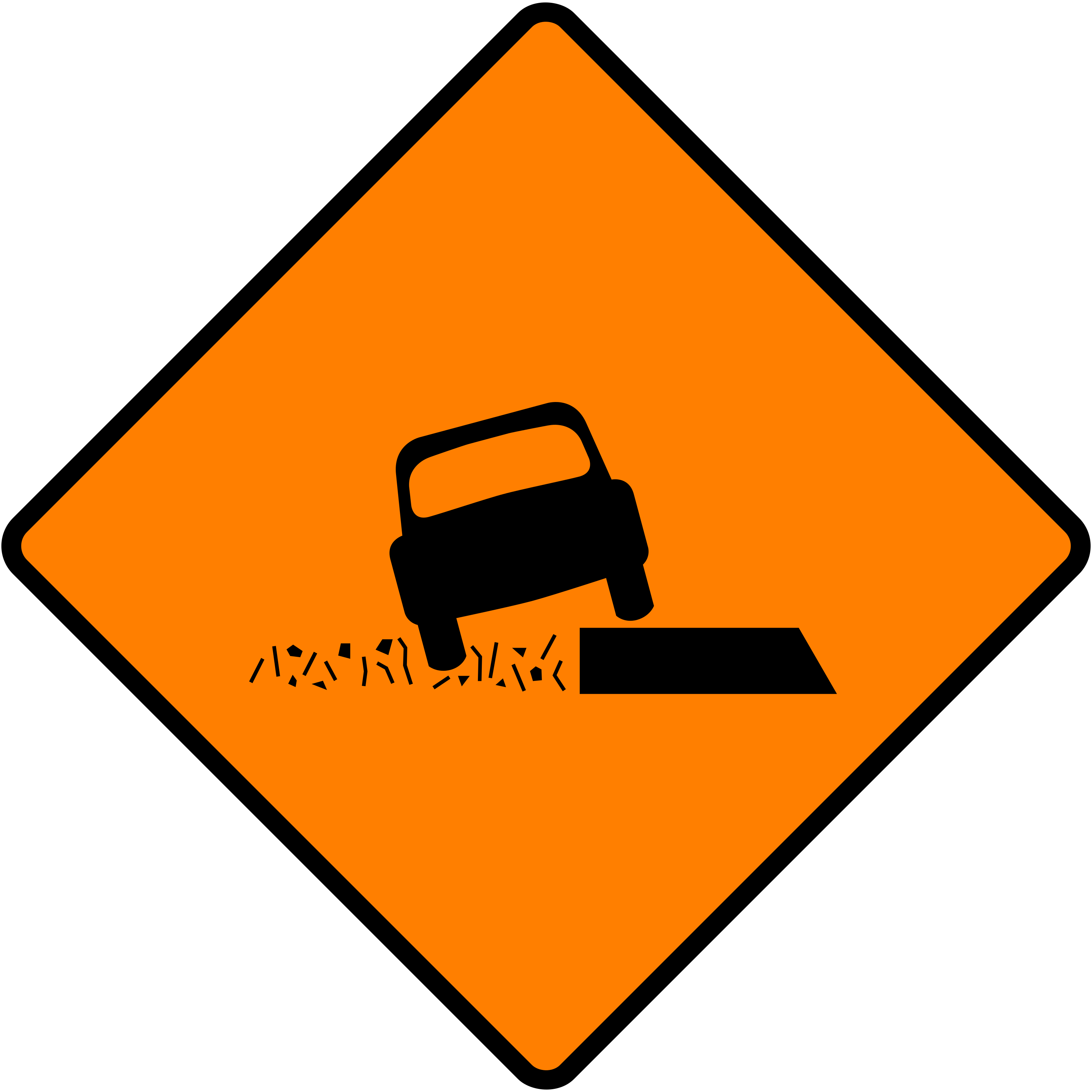
Soft verges, works sign
Do not pull onto the edge to pass, and keep your wheels on the hard surface: the verges here are soft.
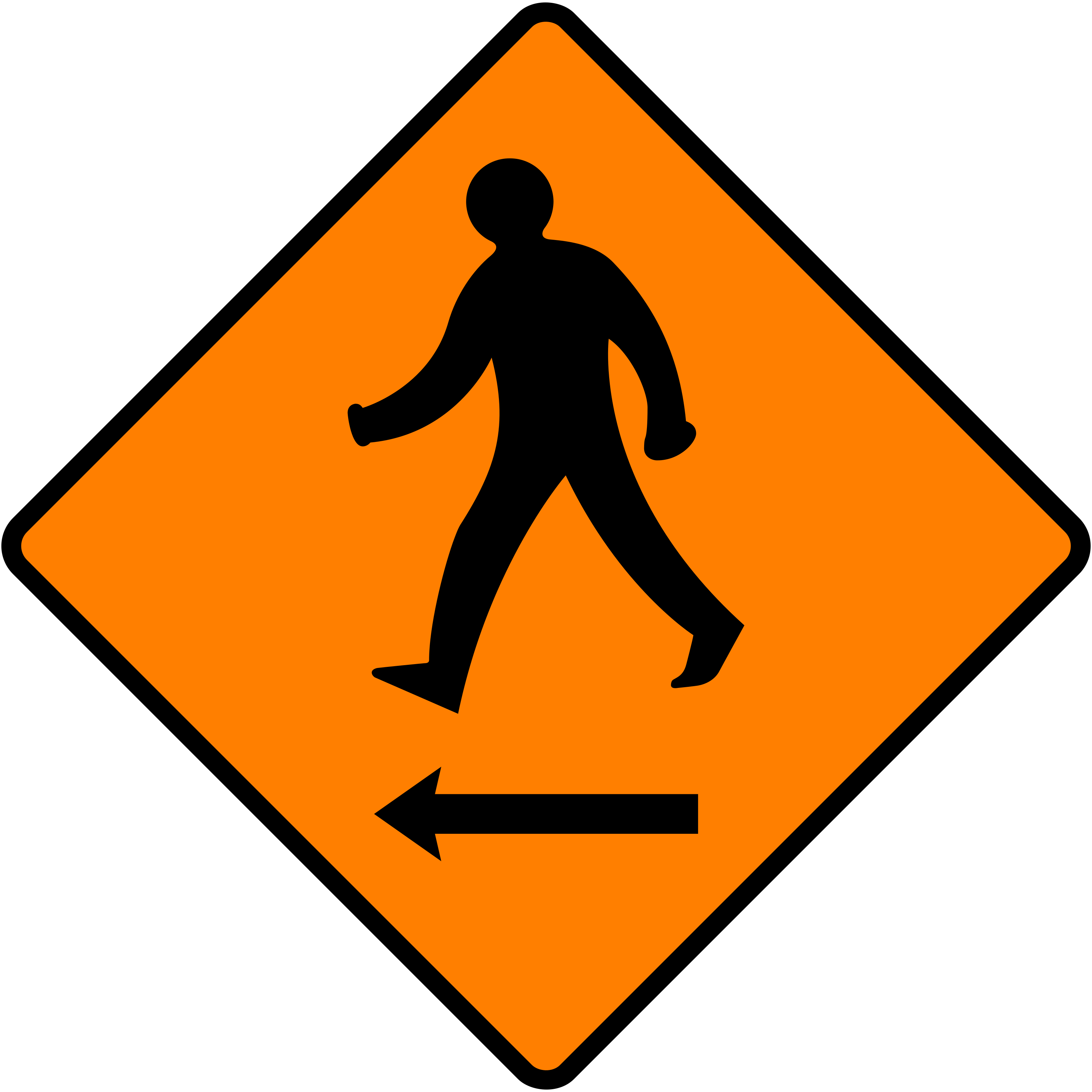
Pedestrians cross to the left
Drivers should expect pedestrians stepping into the road, because people on foot are directed to cross to the footpath on the left here.
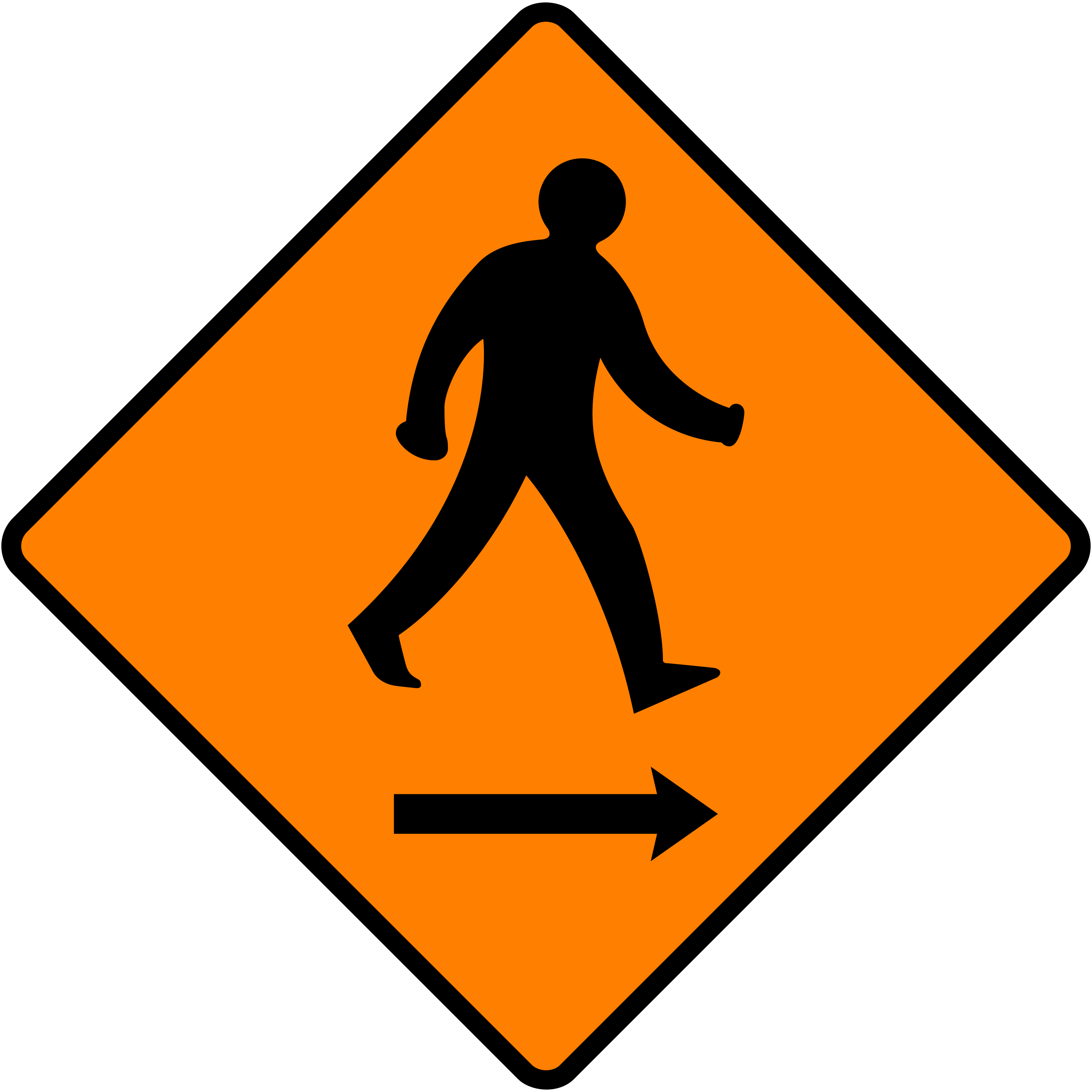
Pedestrians cross to the right
Watch for people crossing and be ready to slow: pedestrians are sent across to the footpath on the right at this point.
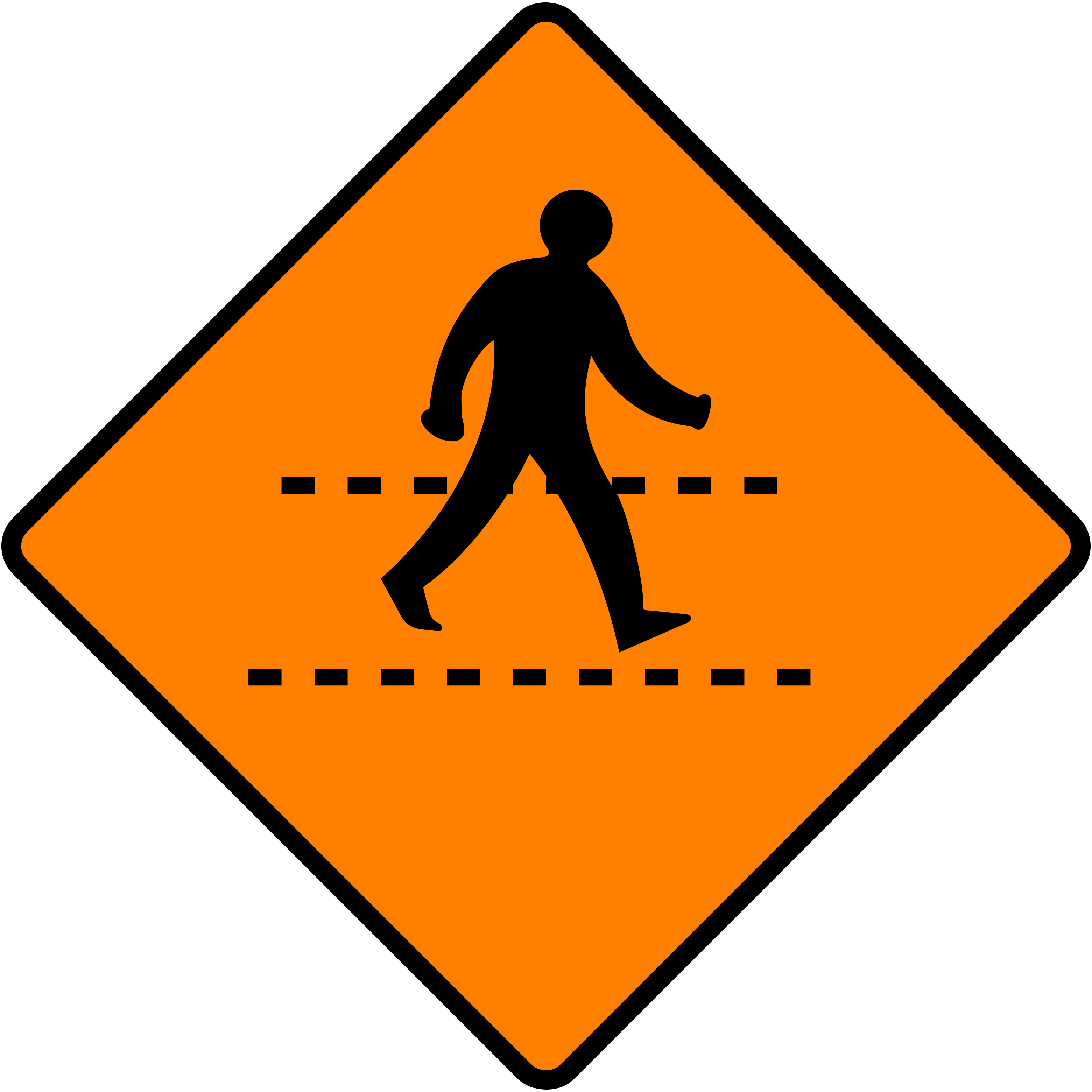
Pedestrian crossing ahead
At the crossing point for people on foot, often a temporary one set up for the works, reduce speed and be ready to stop.
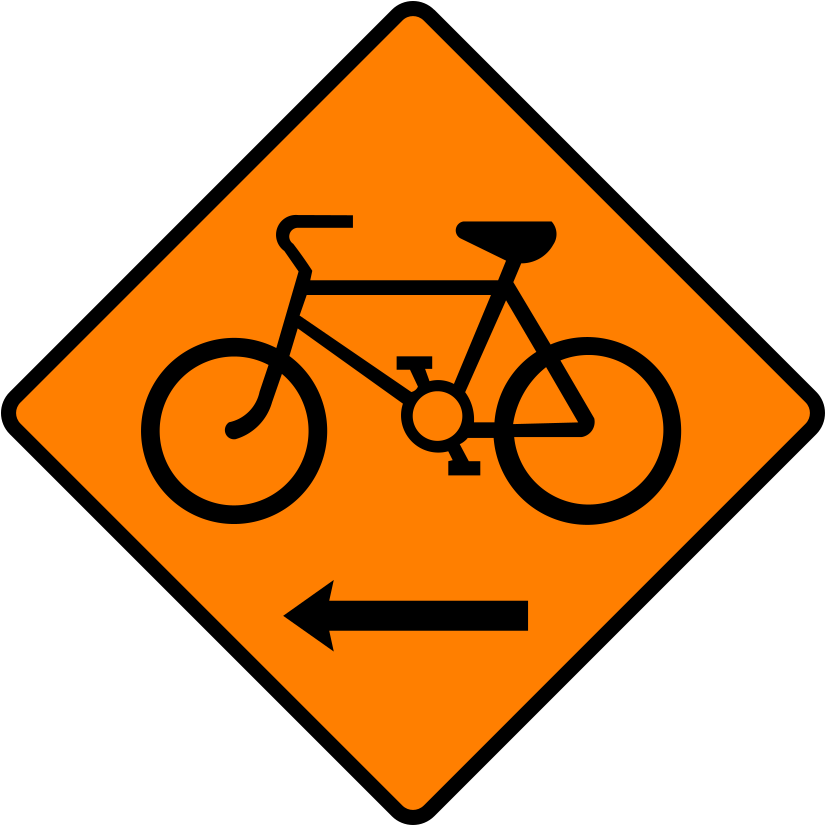
Cyclists keep left
People on bikes should follow the left here and drivers should leave them room, because cyclists are directed to keep to that side at this point.
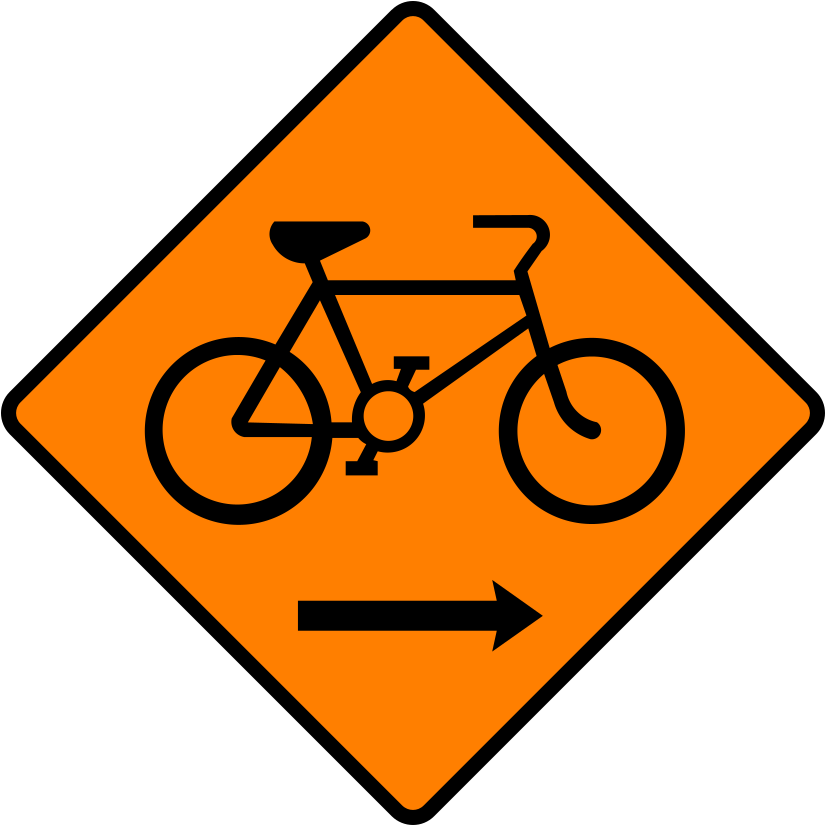
Cyclists keep right
Riders should move across and drivers should expect bikes on that side: at this point cyclists are directed to keep right.
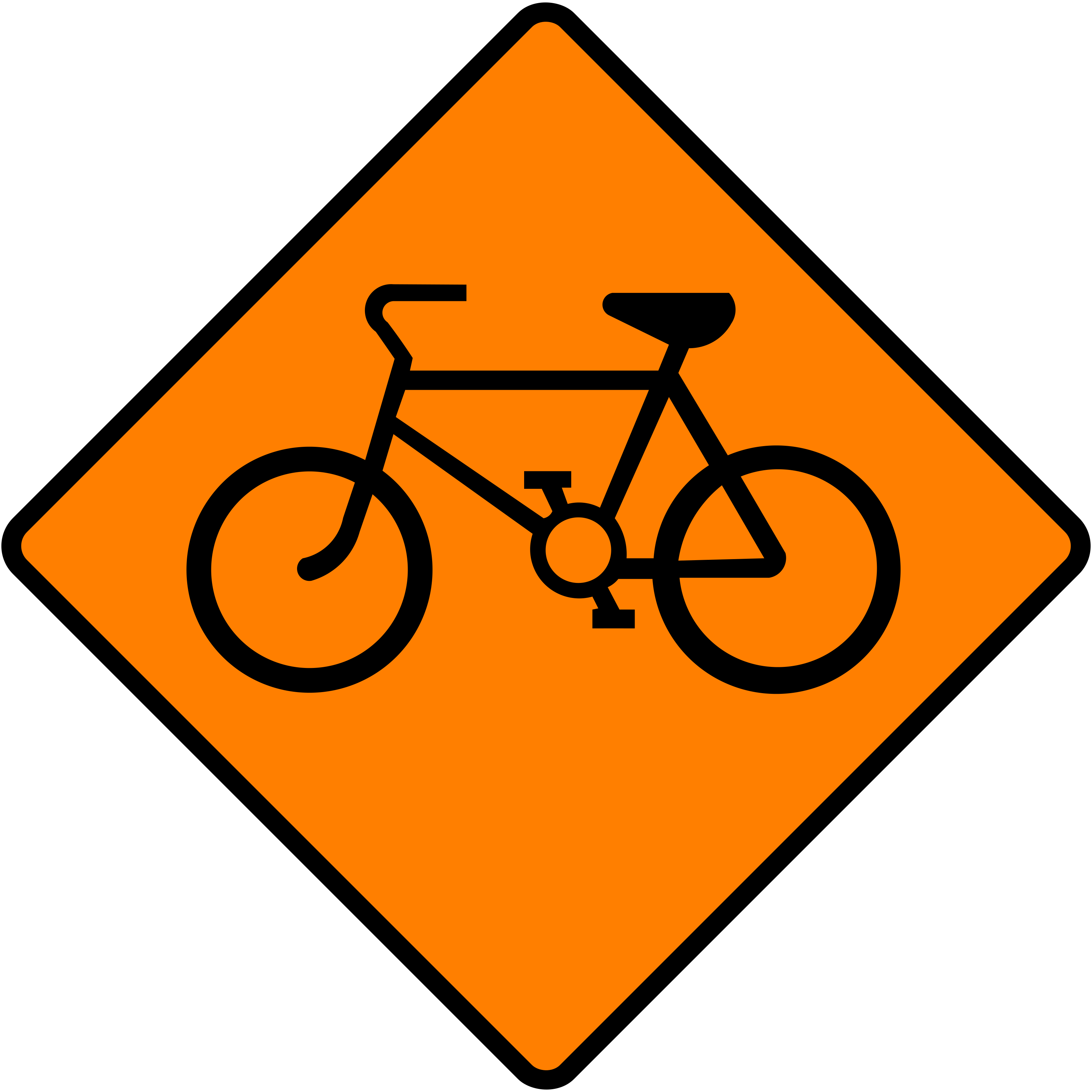
Cyclists ahead, works sign
Give people on bicycles plenty of space when passing, check for them before turning and watch for them on the road.
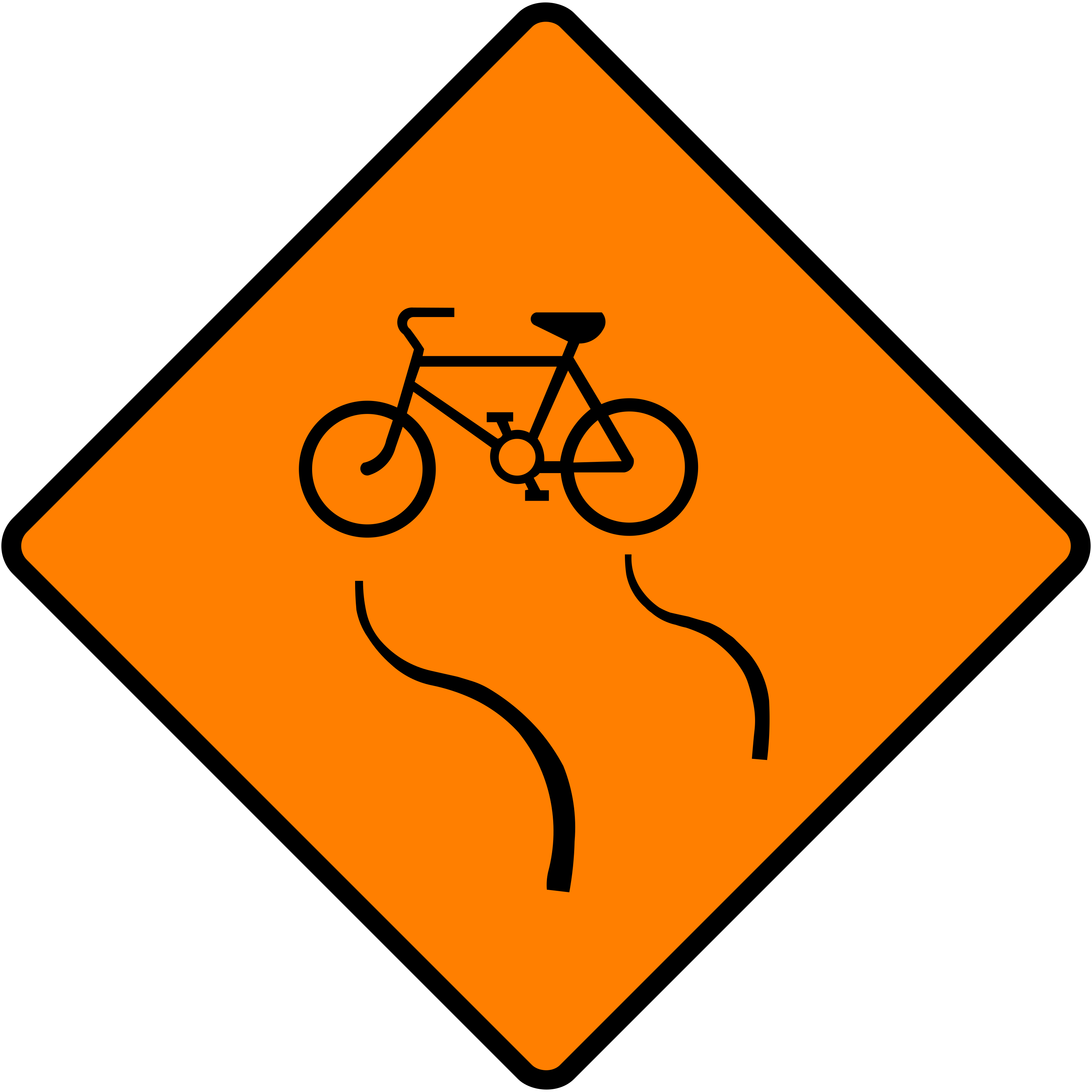
Slippery surface for cyclists
Cyclists should slow down, brake early and avoid sudden steering where riders face a slippery surface, and drivers should allow extra room.
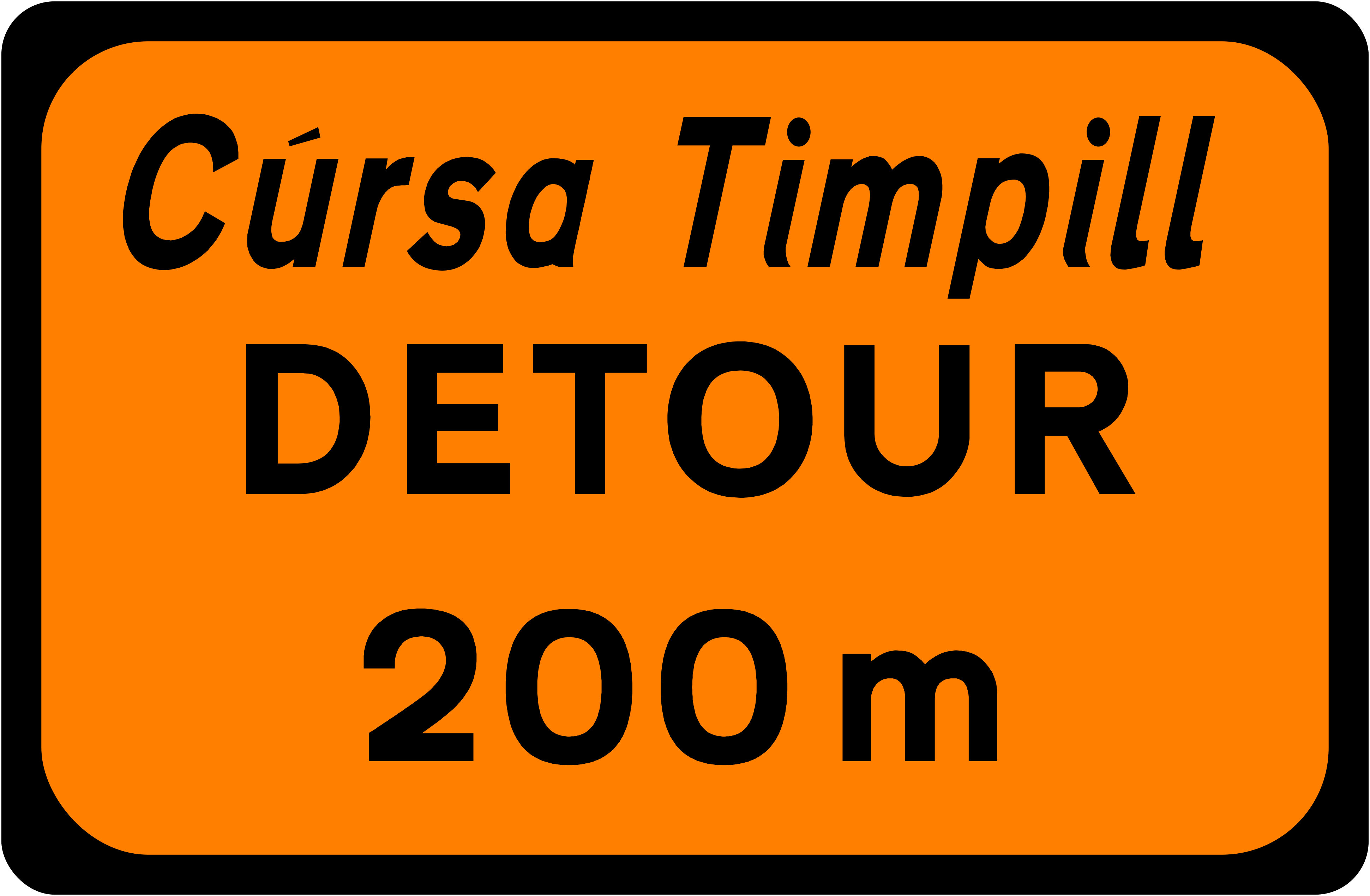
Detour ahead
Get ready to leave your usual route and follow the detour signs: the detour starts at the distance shown on the sign from this point.
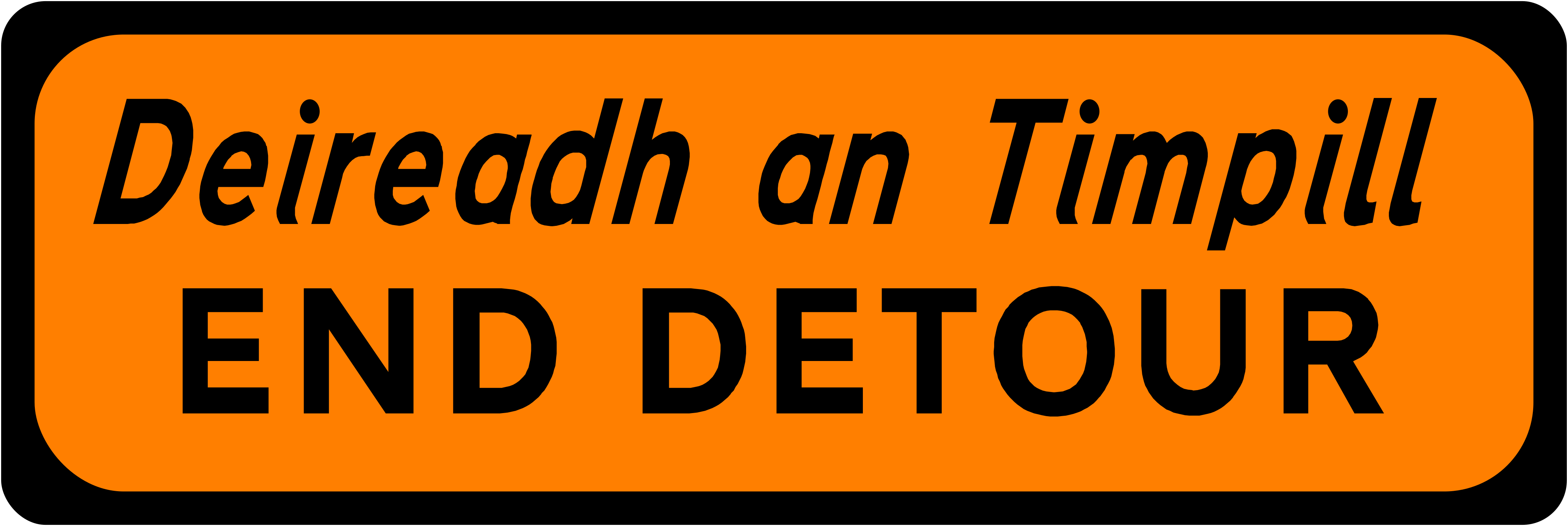
End of detour
The normal route starts again where the detour finishes here; you no longer need to follow the detour signs.
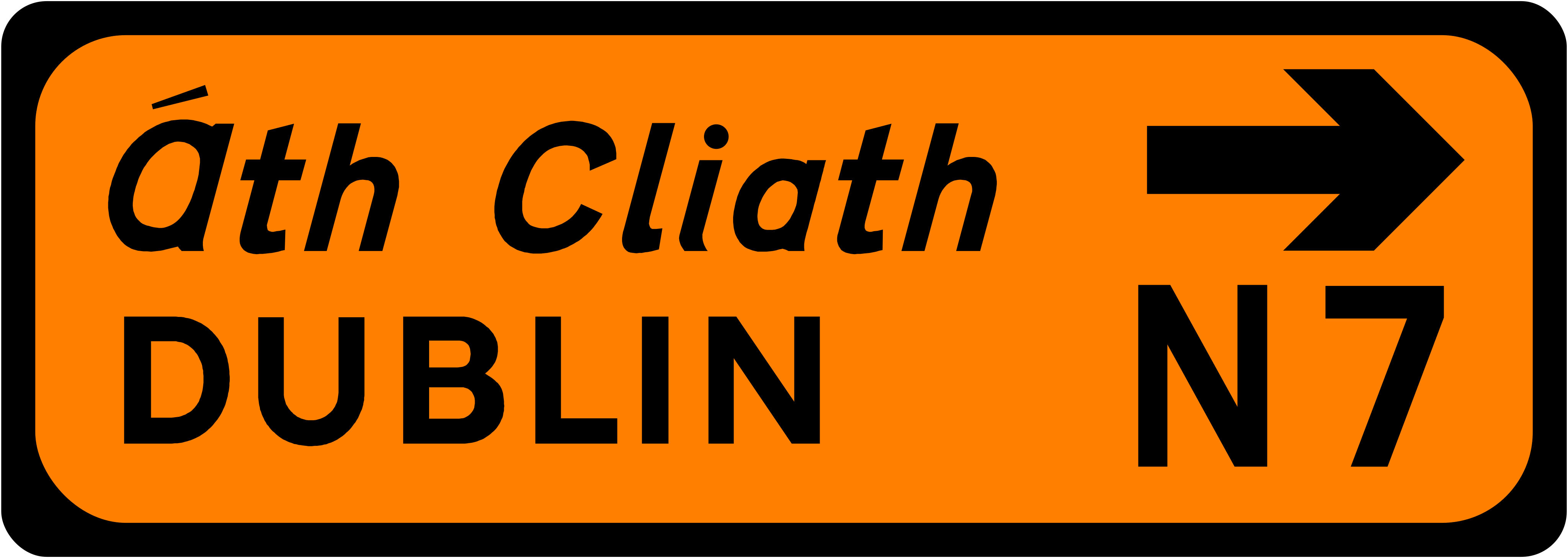
Detour route direction
This sign names the place the diverted route leads to and points the way; follow it to stay on the detour.
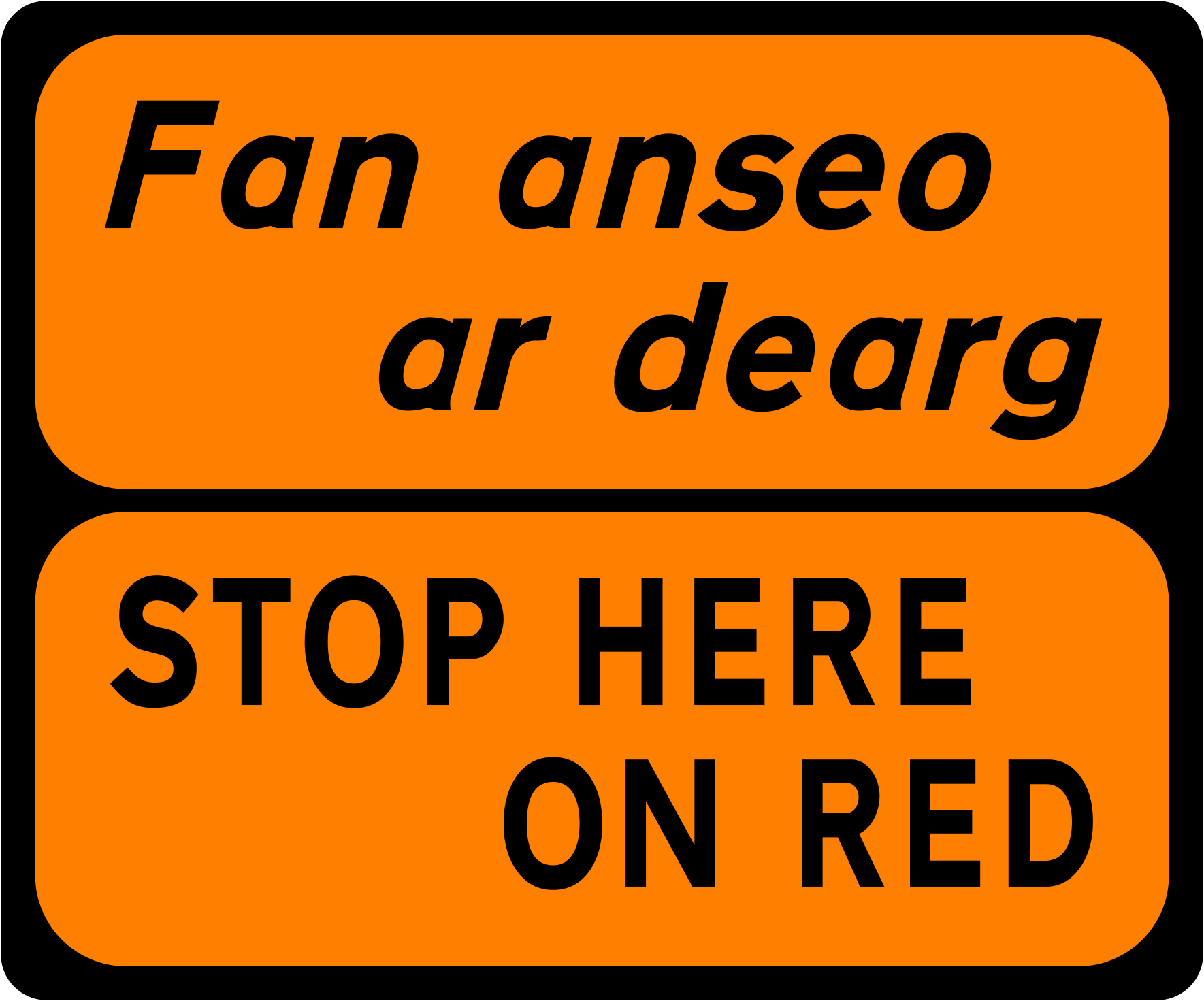
Stop here on red
Wait at the line beside this sign until the temporary signal lets you go, stopping there whenever it shows red.
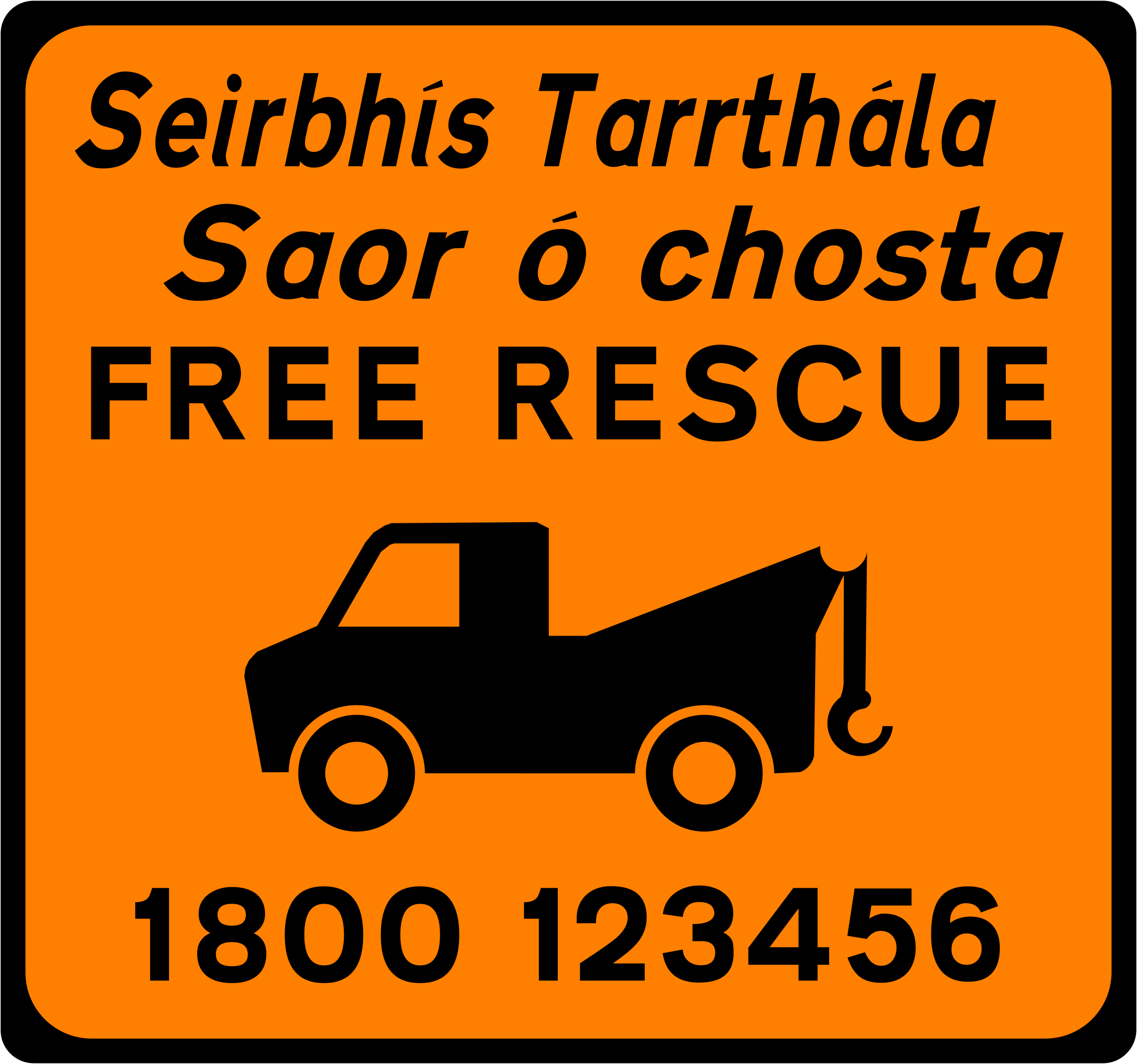
Free recovery starts
Do not try repairs in a live lane: from this point through the works, a breakdown will be towed clear at no charge.
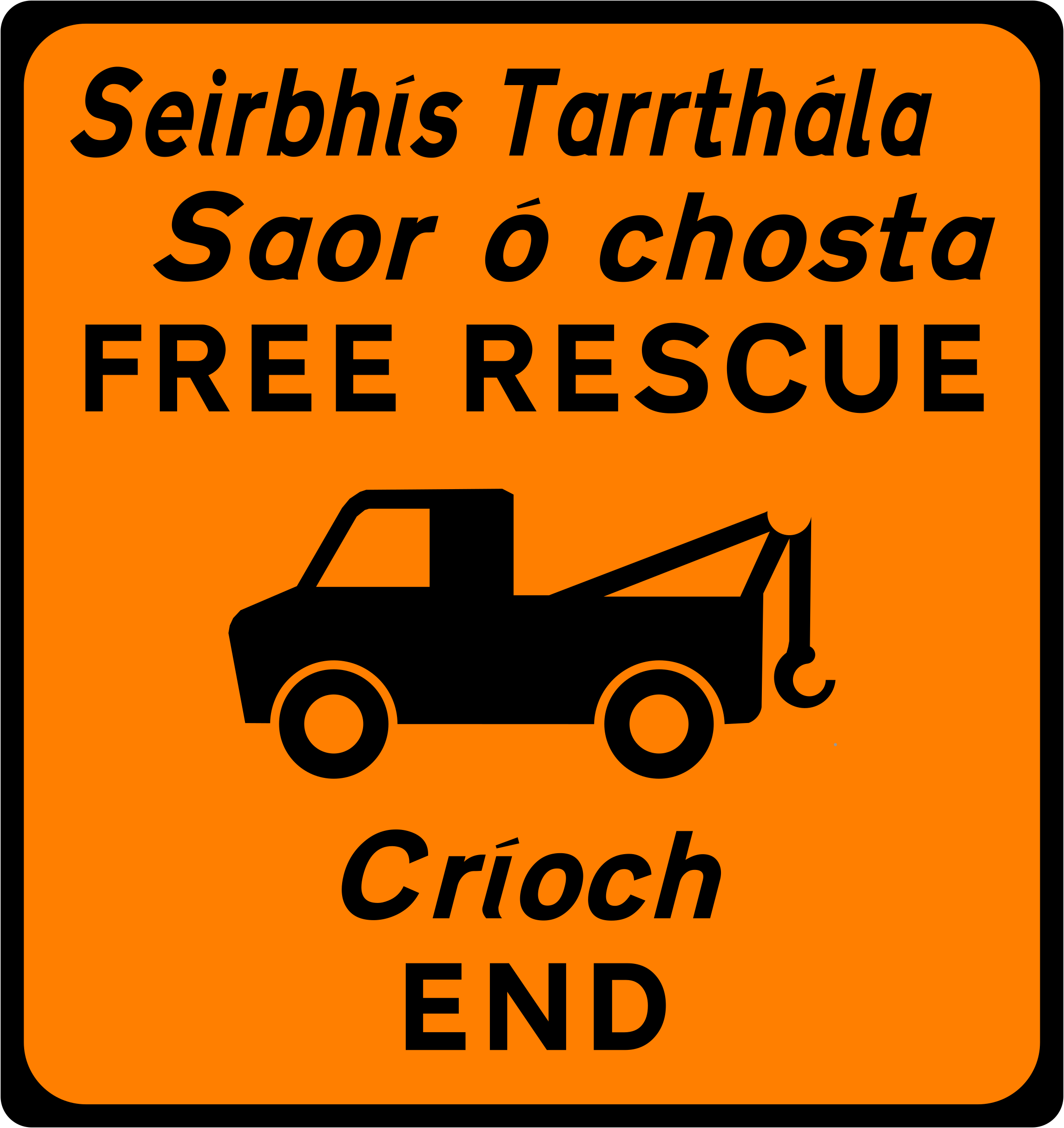
Free recovery ends
Normal breakdown cover applies again beyond this point on the road, where the free recovery arrangement ends.
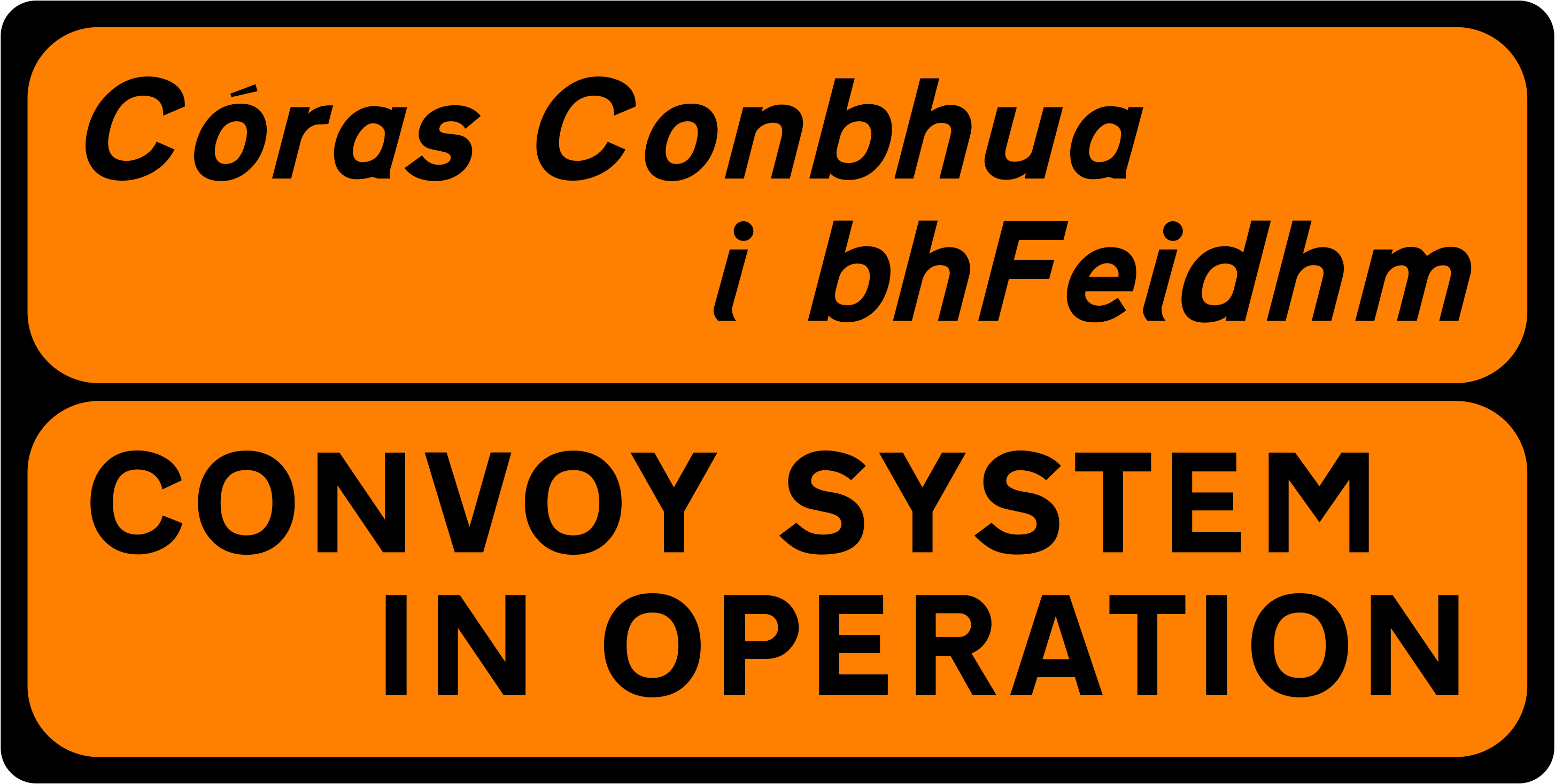
Convoy system in use
Join the queue, wait your turn and do not overtake: traffic is taken through the works in groups behind a lead vehicle.

Follow this vehicle
Carried on the lead vehicle, it tells you to drive behind at its speed until it leaves the works and pulls clear.
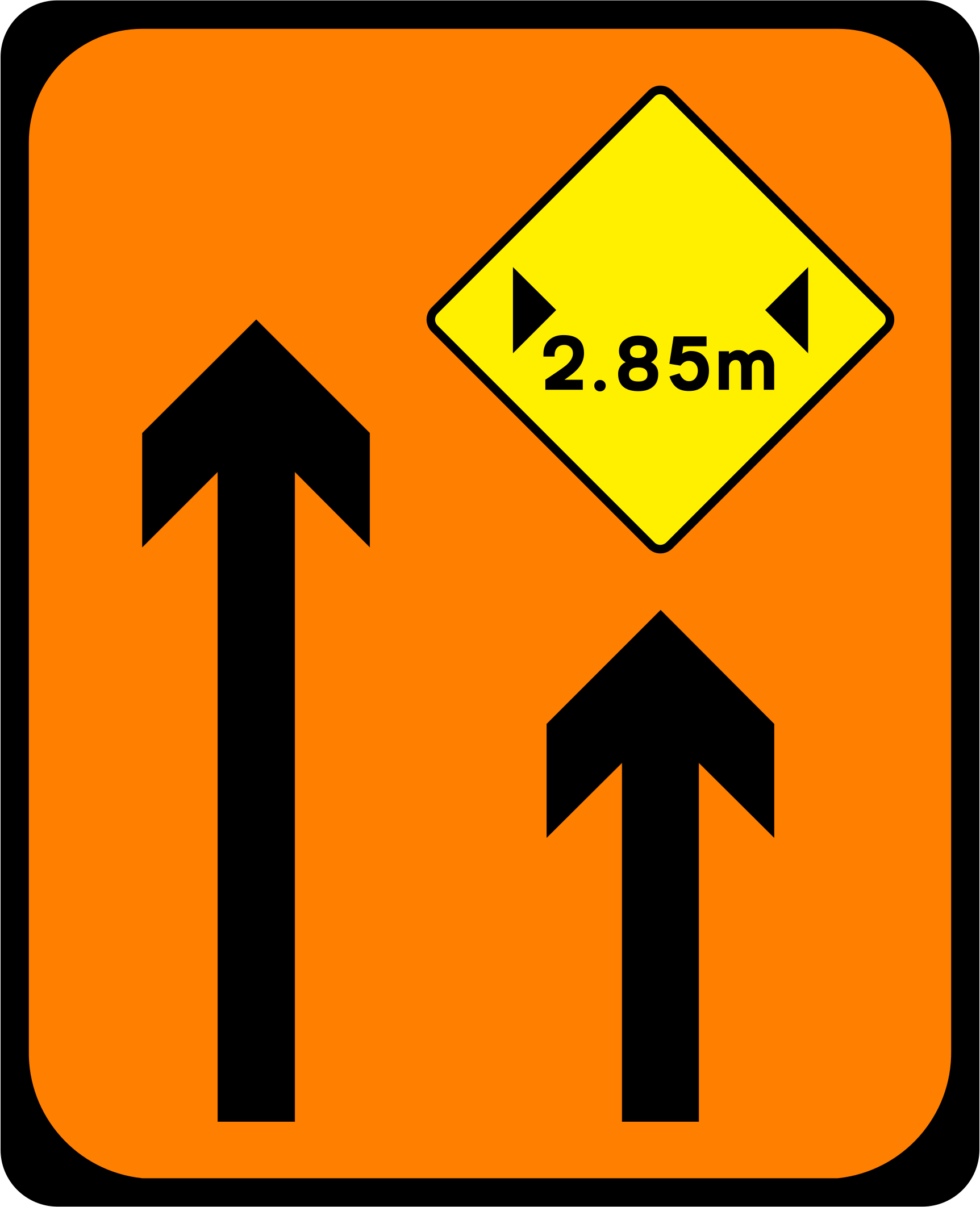
Right lane of two is narrow ahead
Wide vehicles should use the left lane well before the works, because the right-hand of the two lanes is narrower than usual.
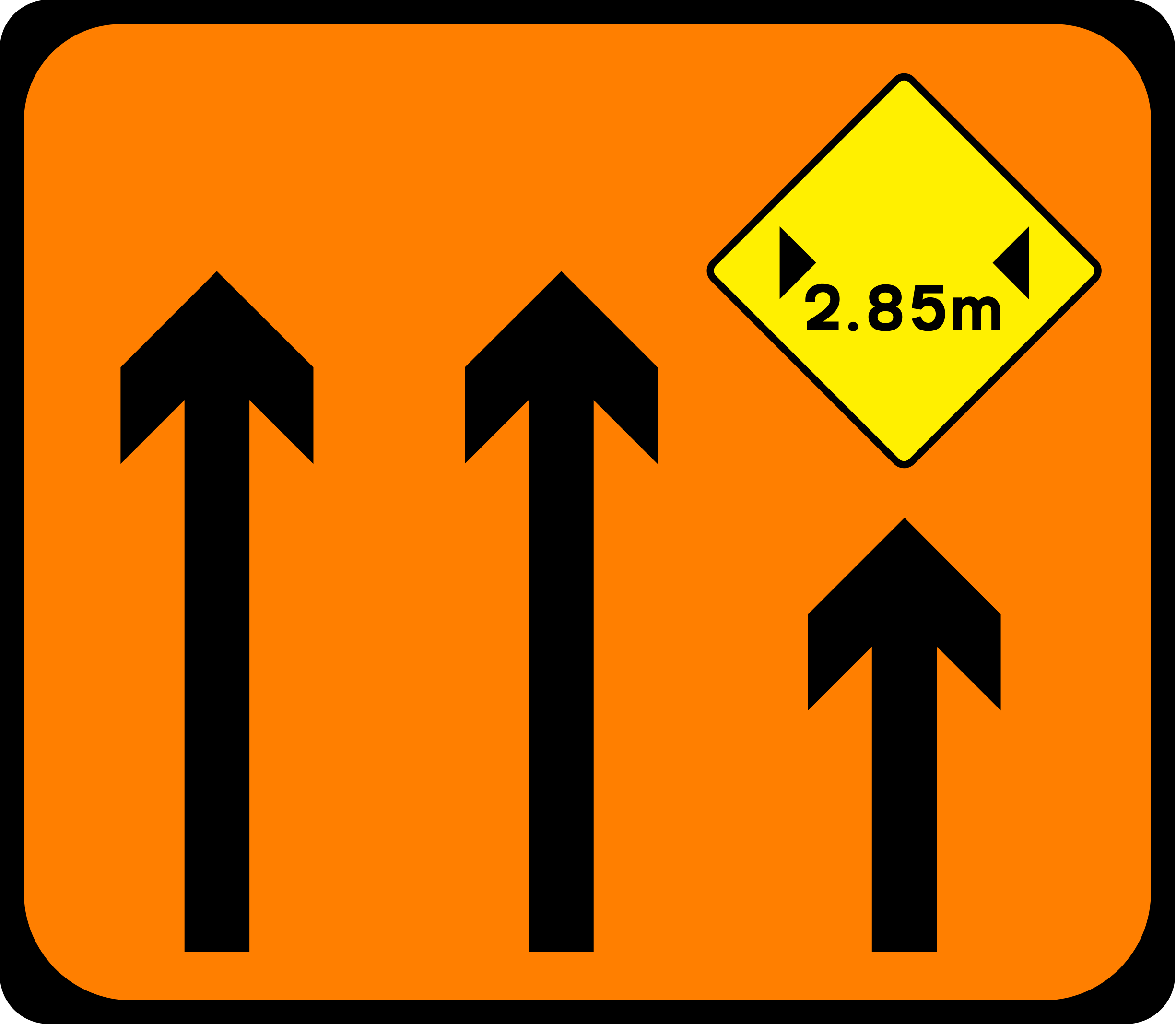
Right lane of three is narrow ahead
Drivers of wide vehicles should pick another lane early: of the three lanes, the right-hand one is narrowed.
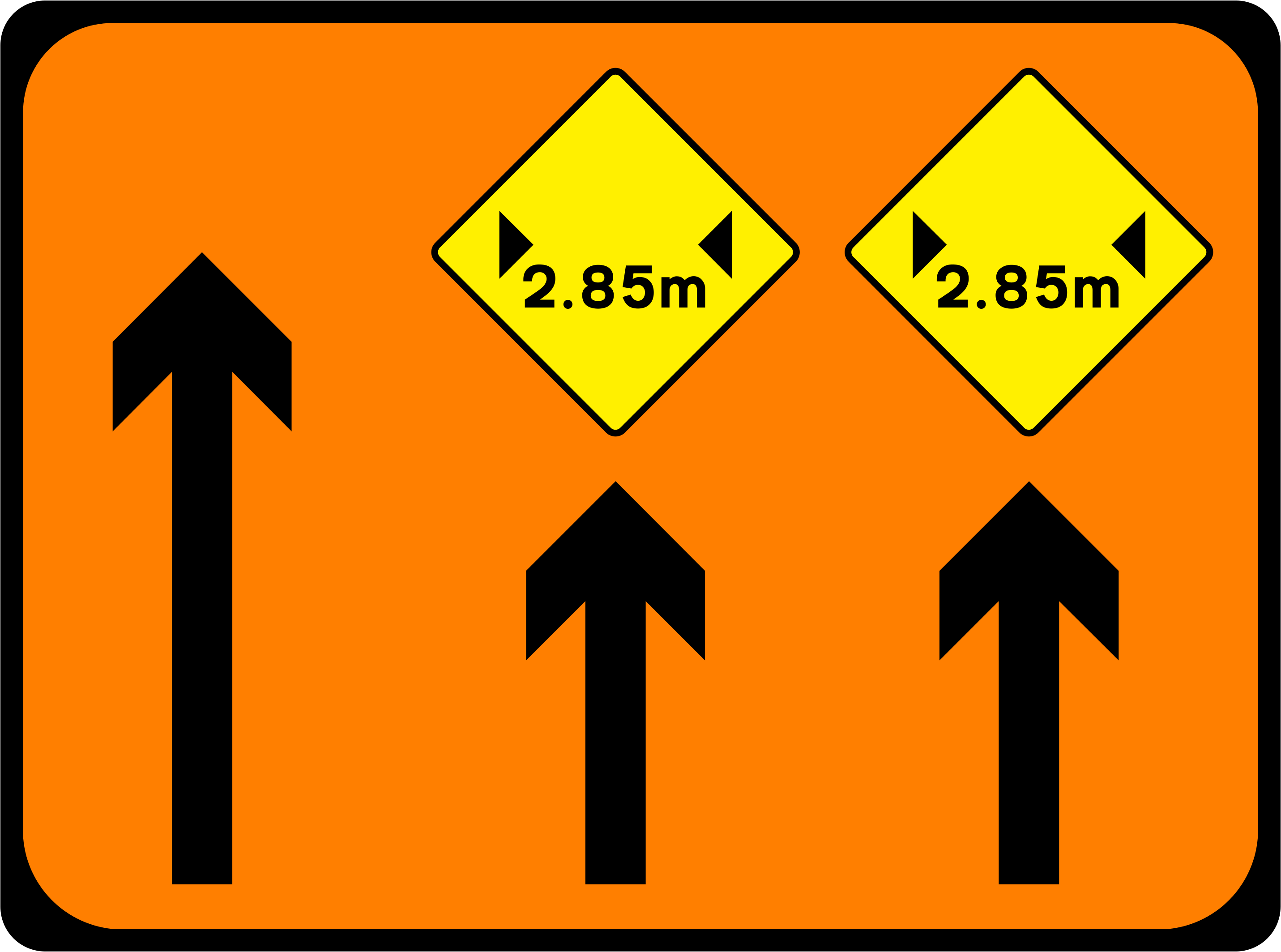
Two right lanes of three narrow ahead
Wider vehicles can use the left lane, which stays at normal width: the middle and right-hand lanes of three are narrowed.
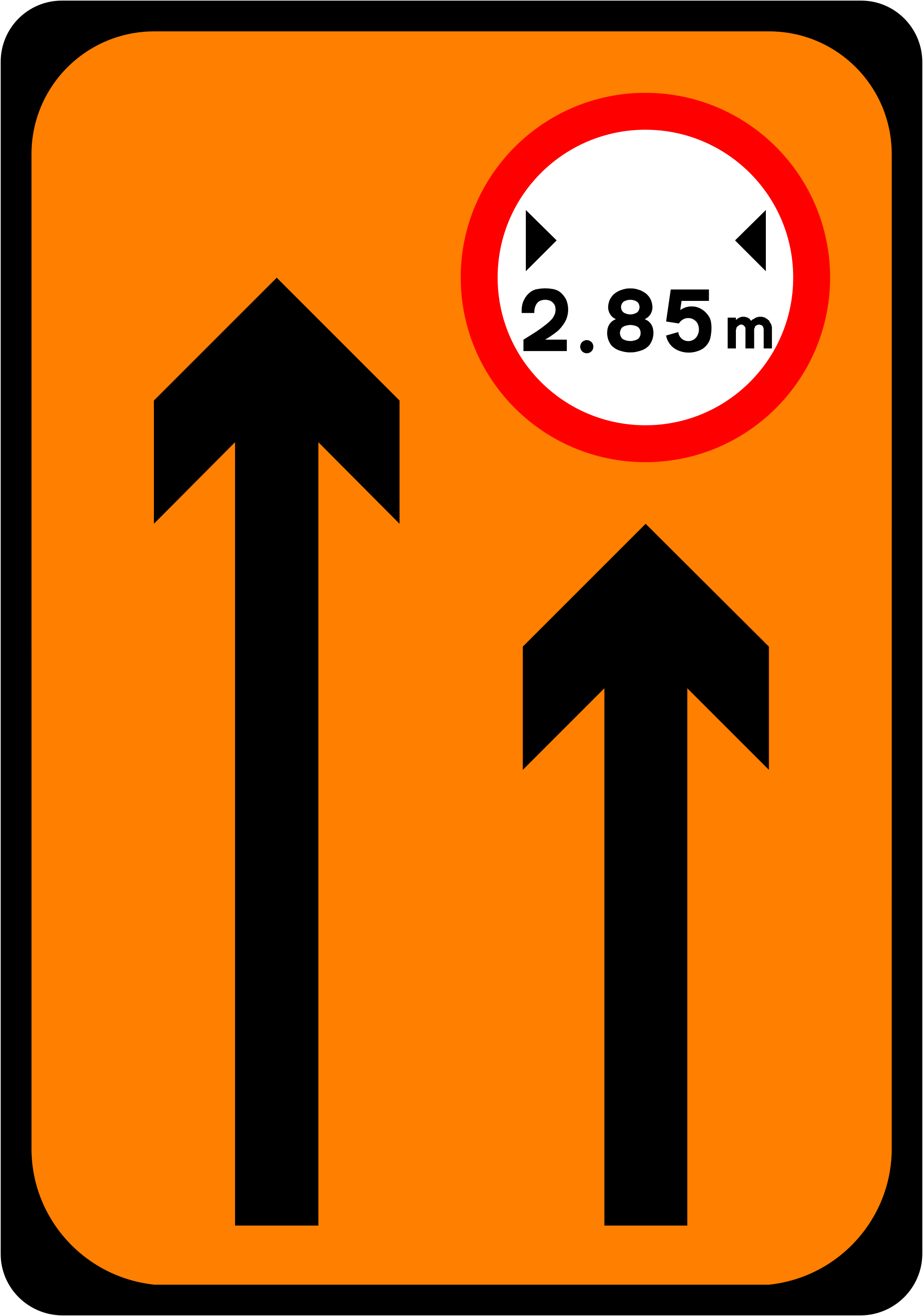
Width limit in the right lane of two
Anything wider than the limit shown must use the left lane, because a width limit applies to the right-hand of the two lanes here.
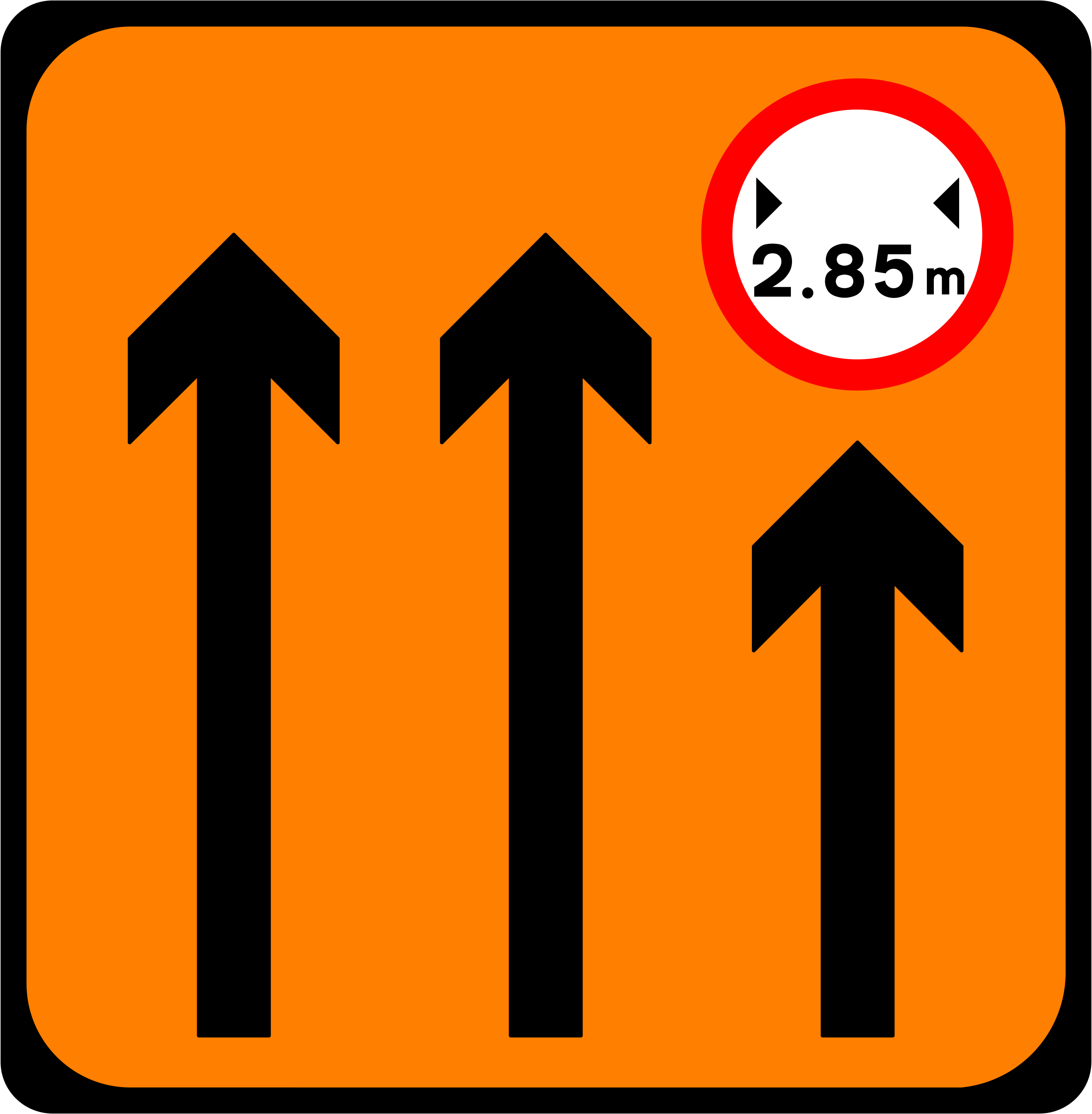
Width limit in the right lane of three
Vehicles wider than the limit shown must keep to another lane: here the right-hand lane of three carries a width limit.
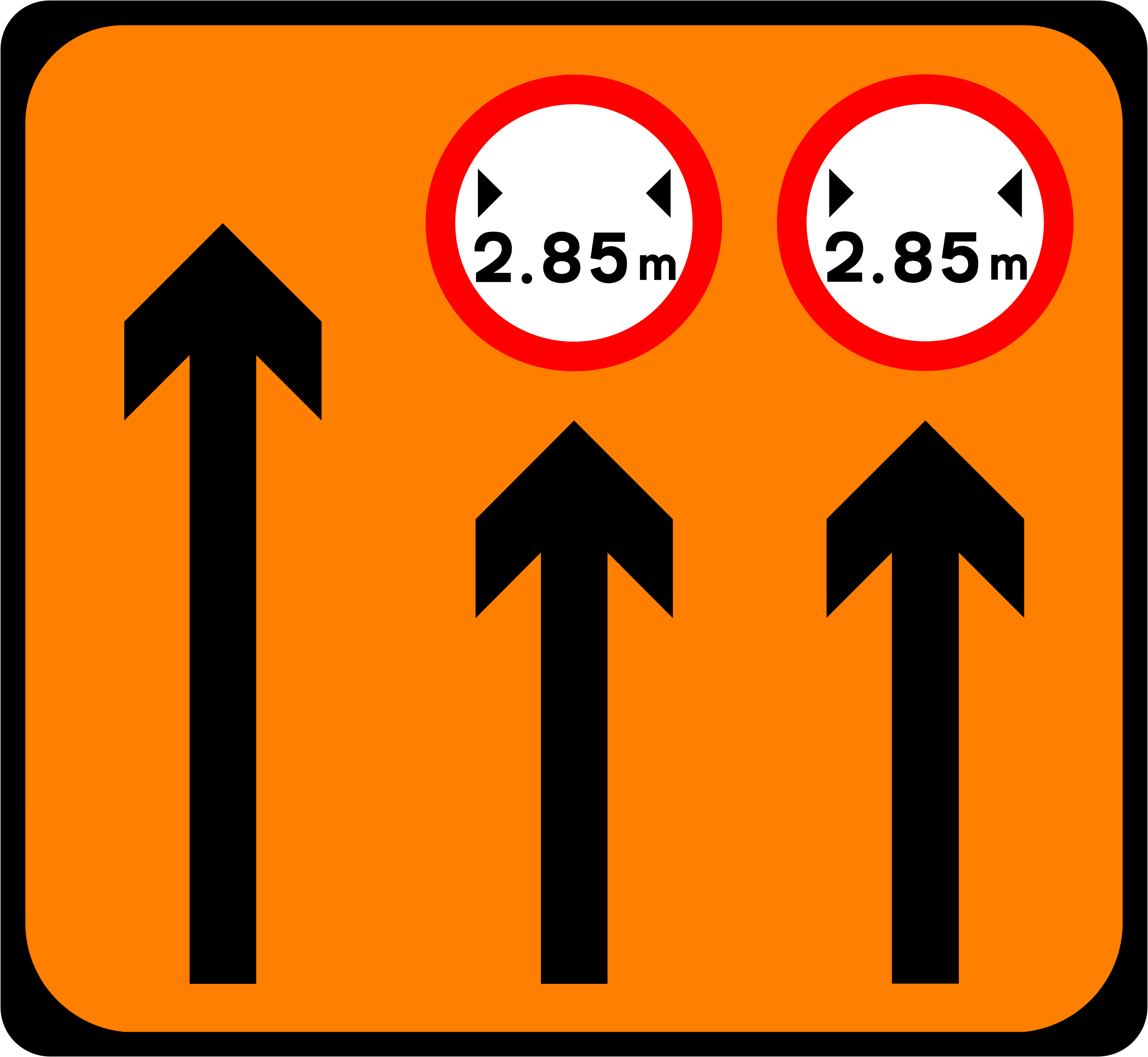
Width limit in two lanes of three
Wide vehicles must stay in the left lane at this point, where width limits apply to the middle and right-hand lanes of three.
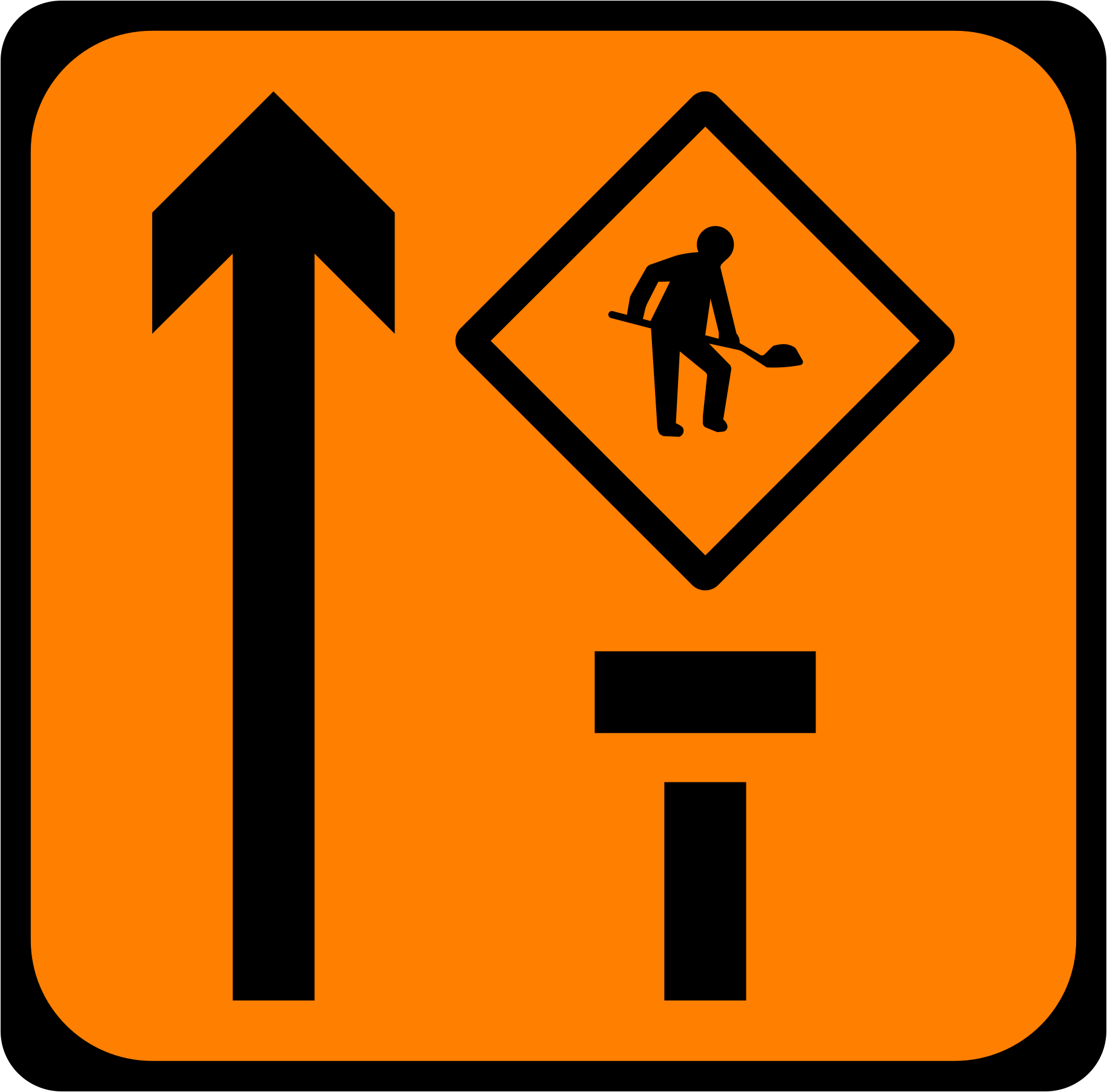
Works in the right lane of two
Move left early and pass the site at a steady speed: works take up the right-hand of the two lanes.
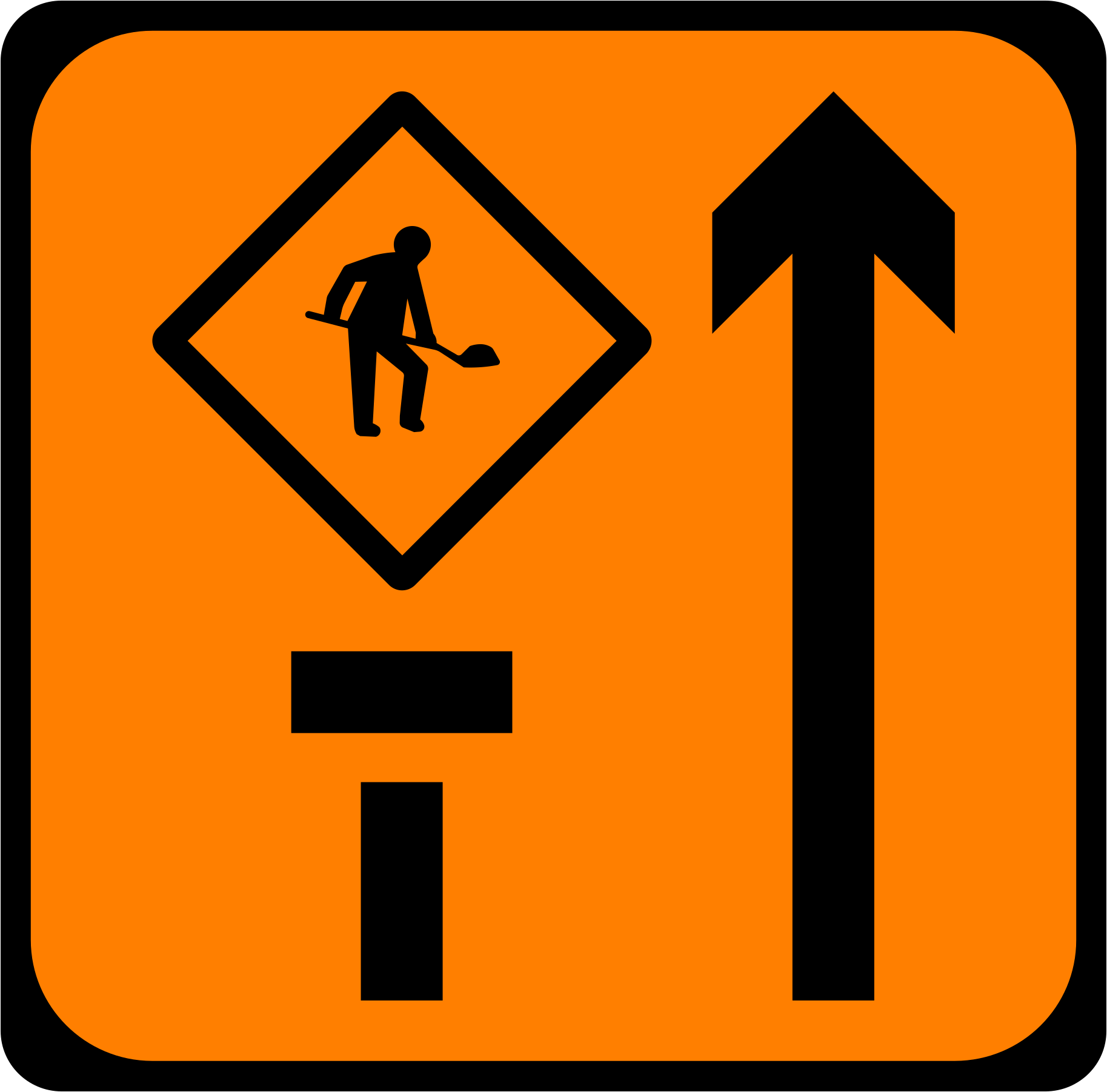
Works in the left lane of two
Works take up the left-hand of the two lanes; change to the right lane early and watch for site vehicles.
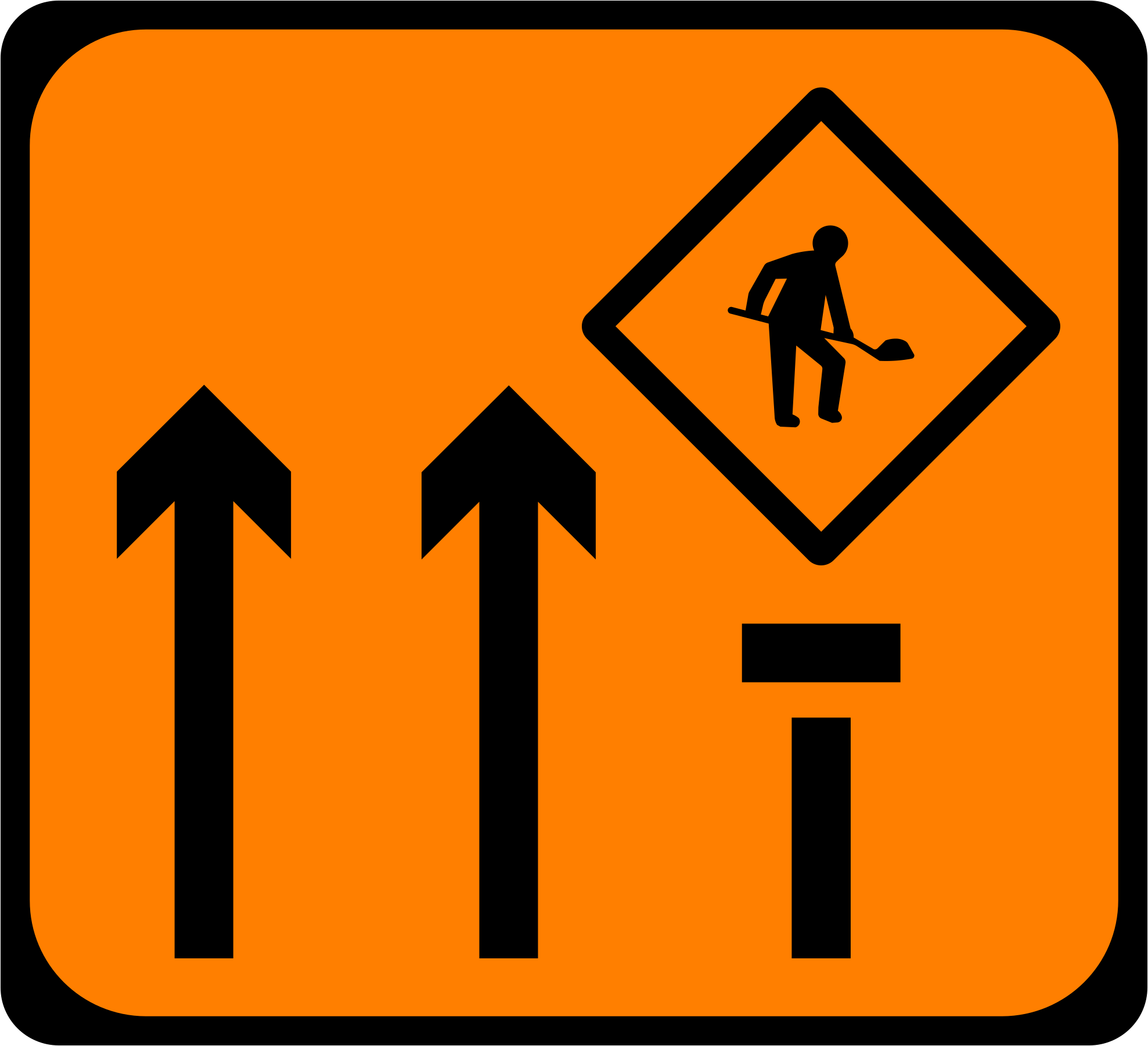
Works in the right lane of three
Move out of the right-hand lane of three early and keep clear of the people working there, because works occupy it.
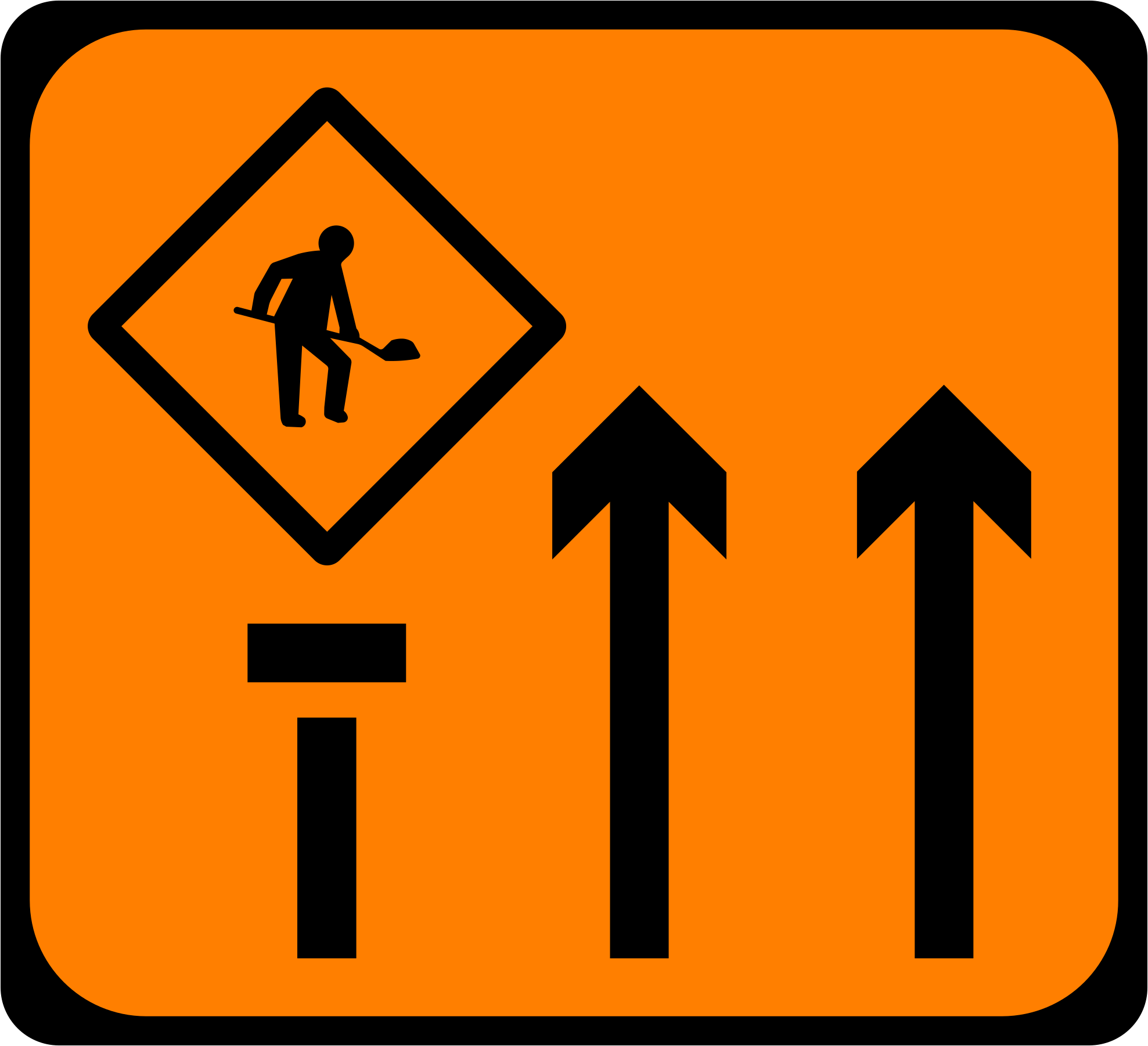
Works in the left lane of three
On a three-lane road, works block the left-hand lane; pull right early and expect slower traffic near the site.
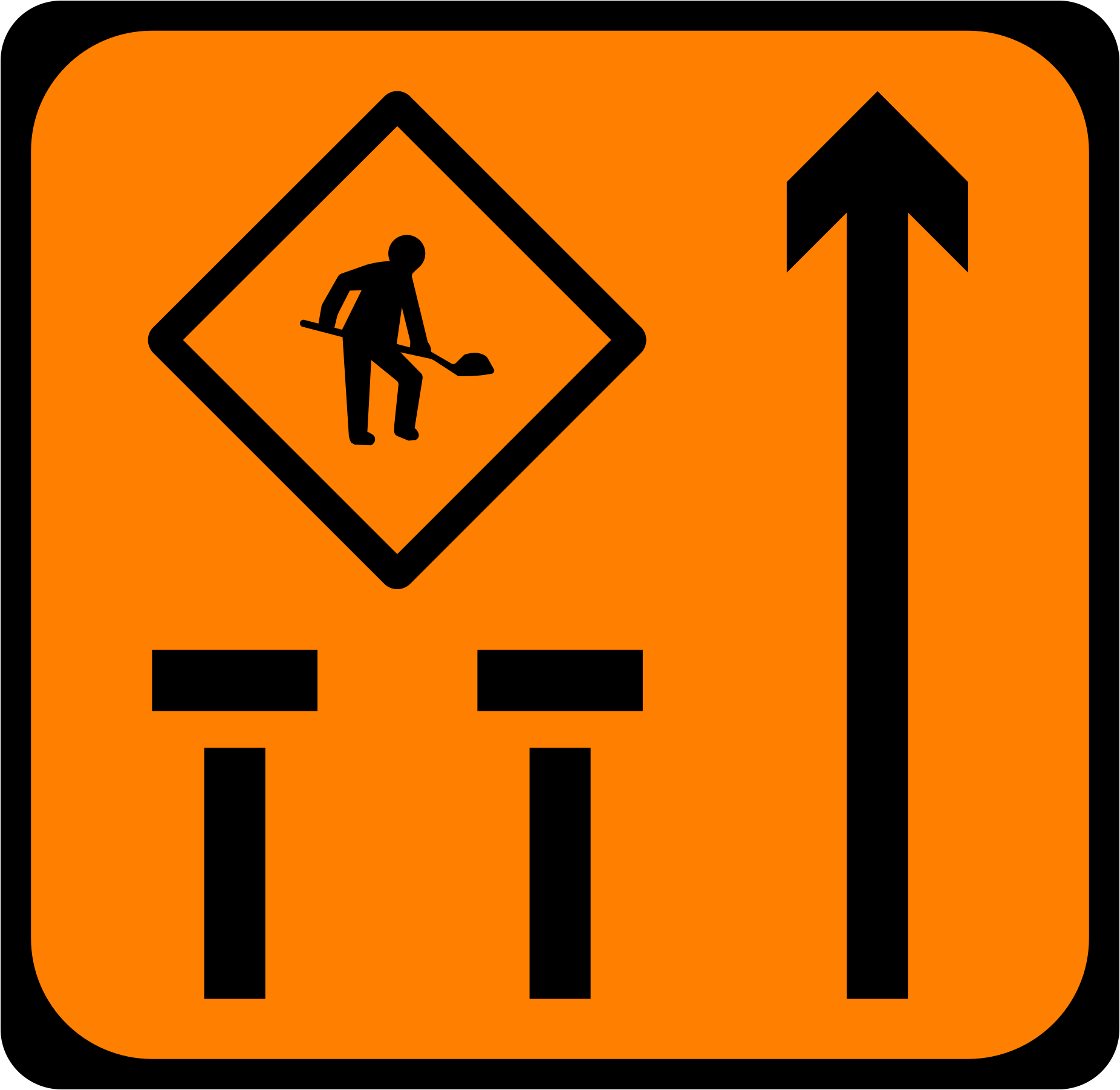
Works in the two left lanes of three
Works take the two left-hand lanes of three; every vehicle must use the right-hand lane past the site.
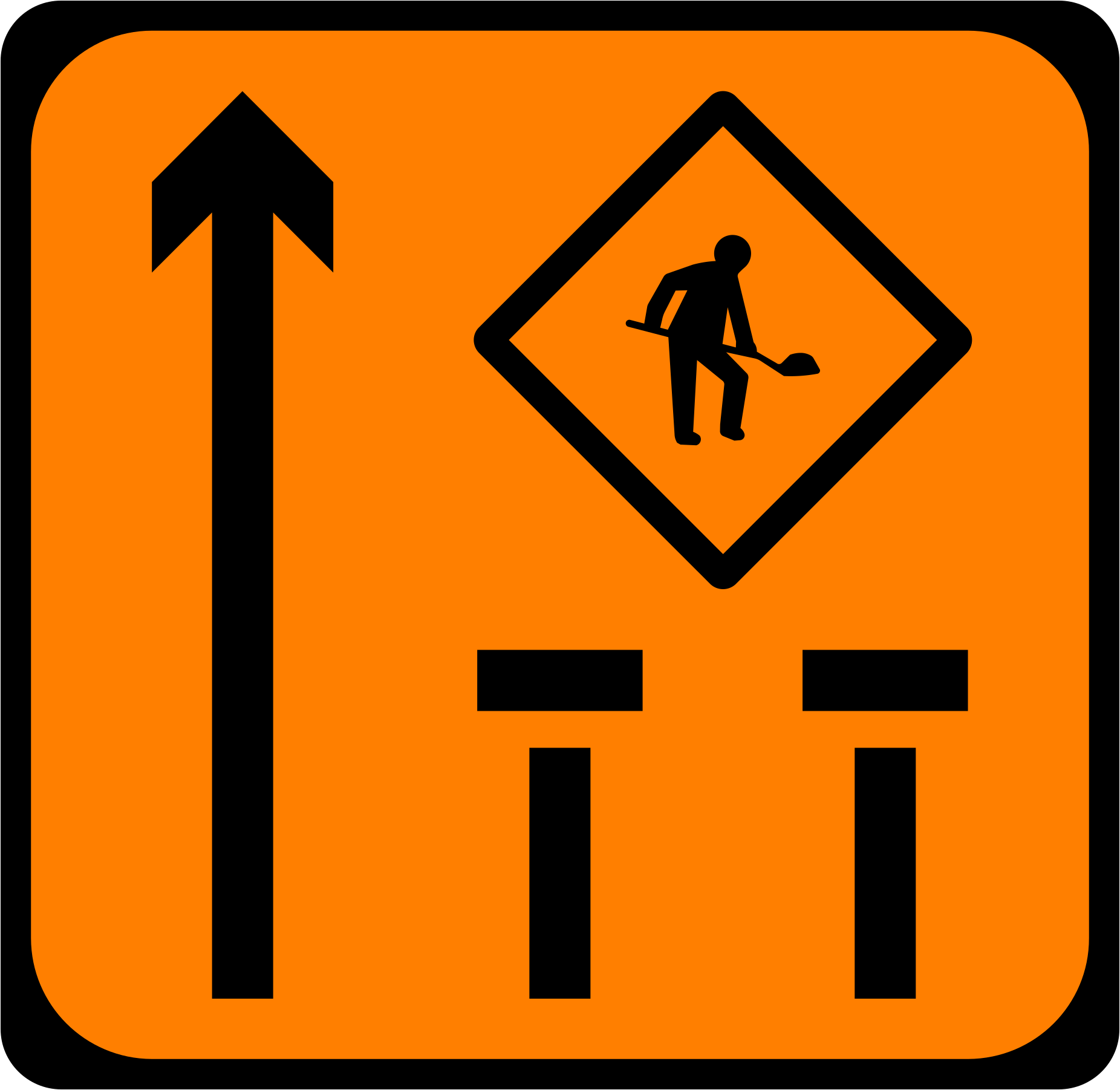
Works in the two right lanes of three
Move across early: the middle and right-hand lanes of three are given over to works, leaving only the left lane.
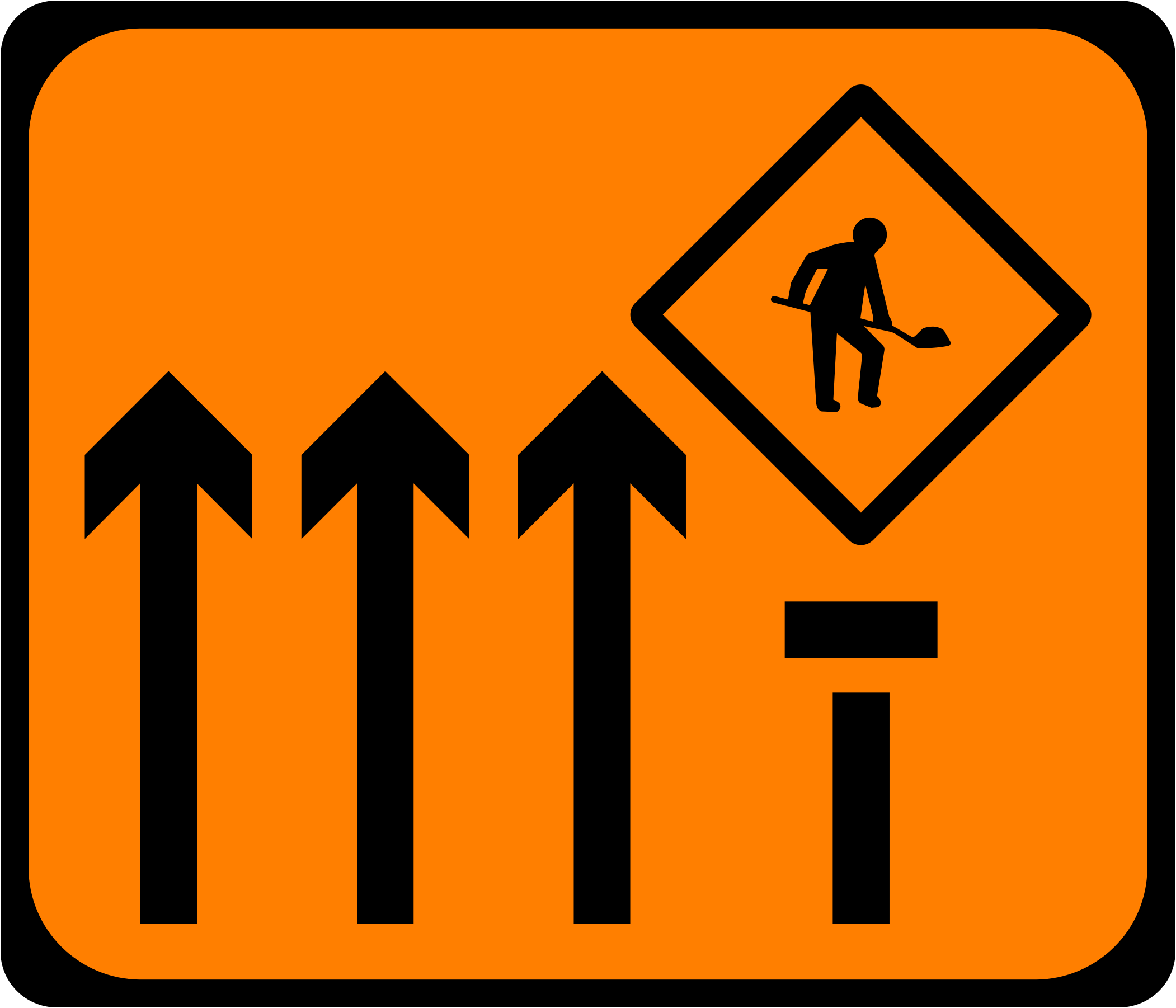
Works in the right lane of four
Where works take the right-hand lane of the four, pull out of it early rather than merging late at the cones.
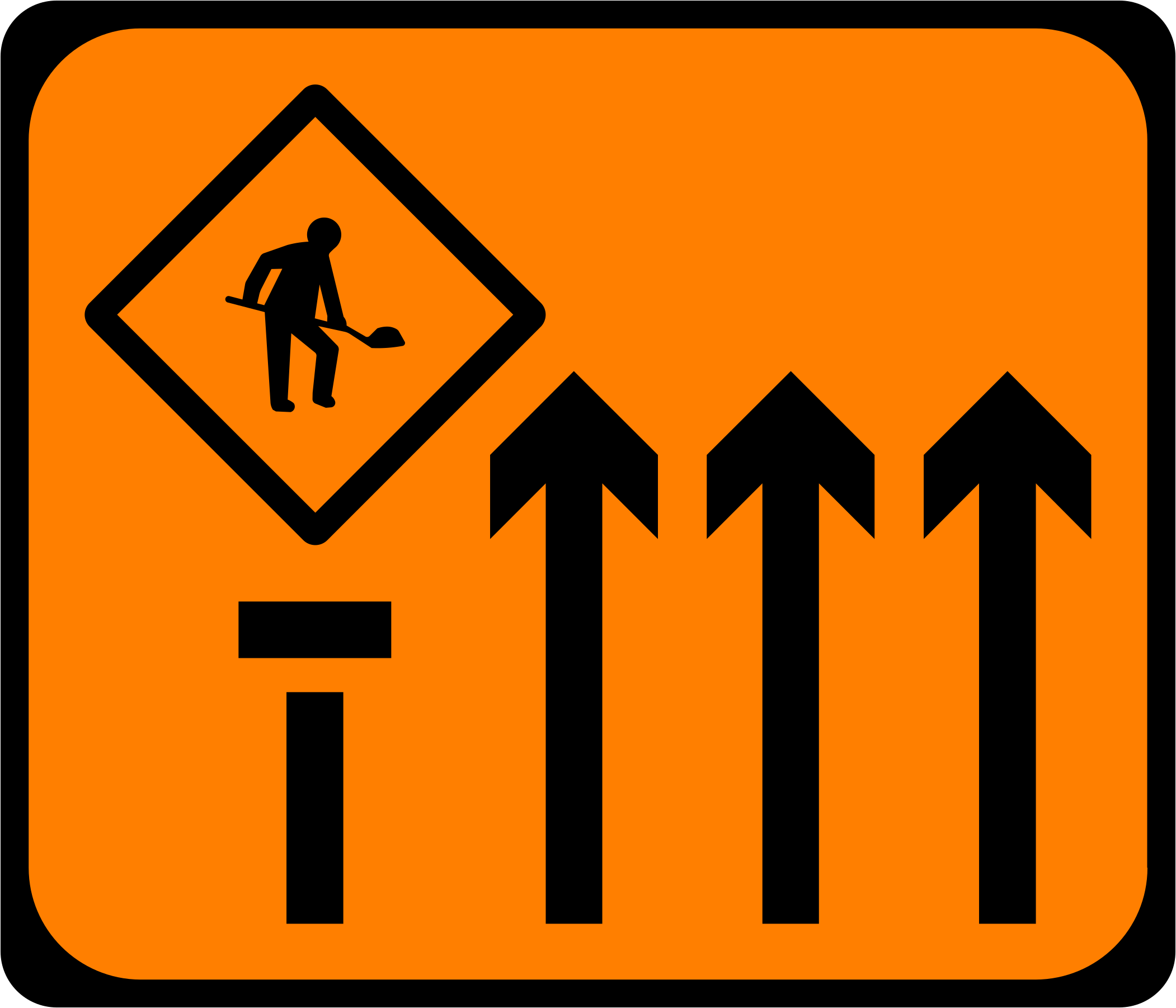
Works in the left lane of four
Move right early and give the site a wide berth as you pass: works block the left-hand of four lanes.
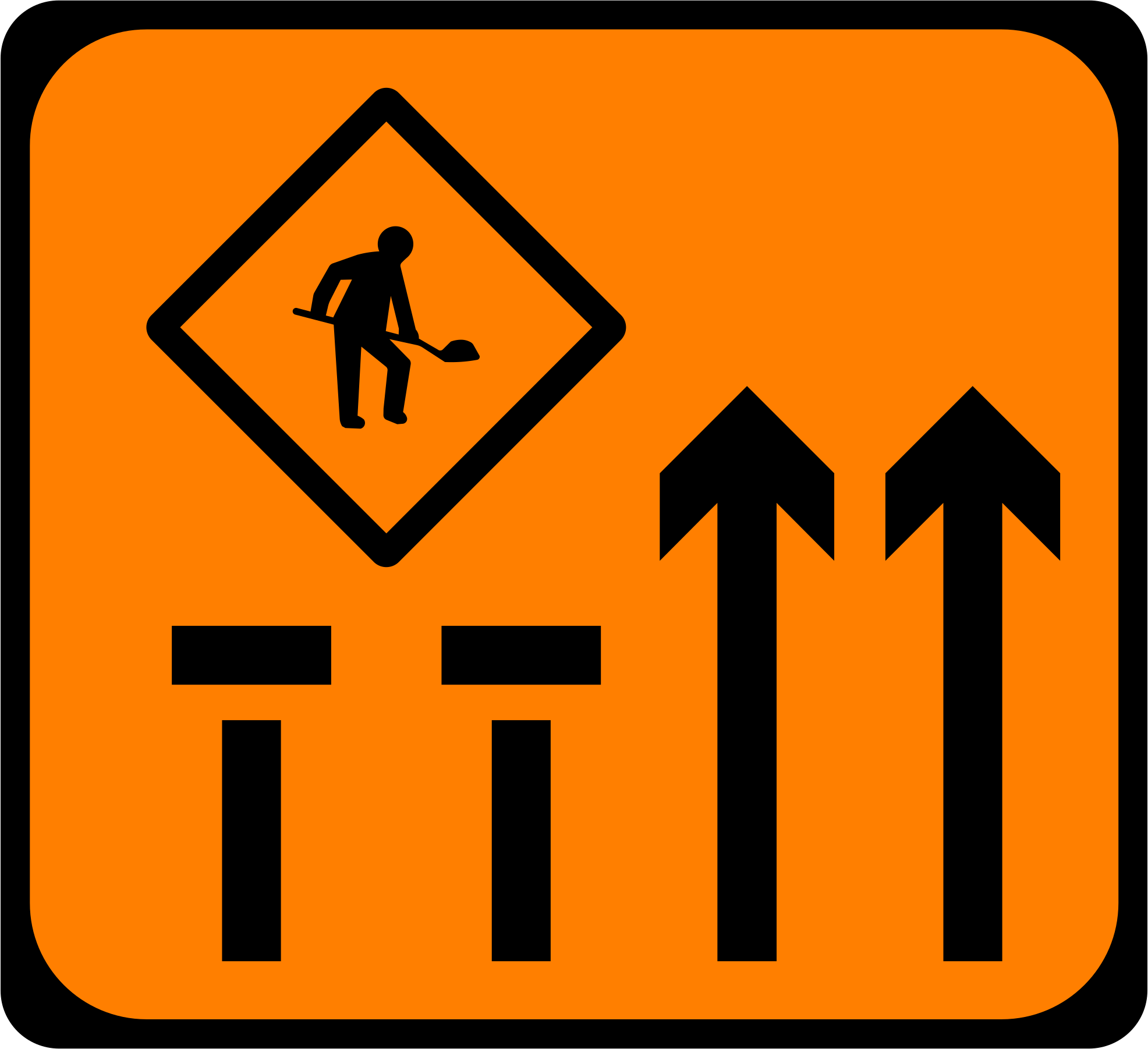
Works in the two left lanes of four
With works taking up the two left-hand lanes of four, take one of the two right-hand lanes and let one vehicle in at a time.
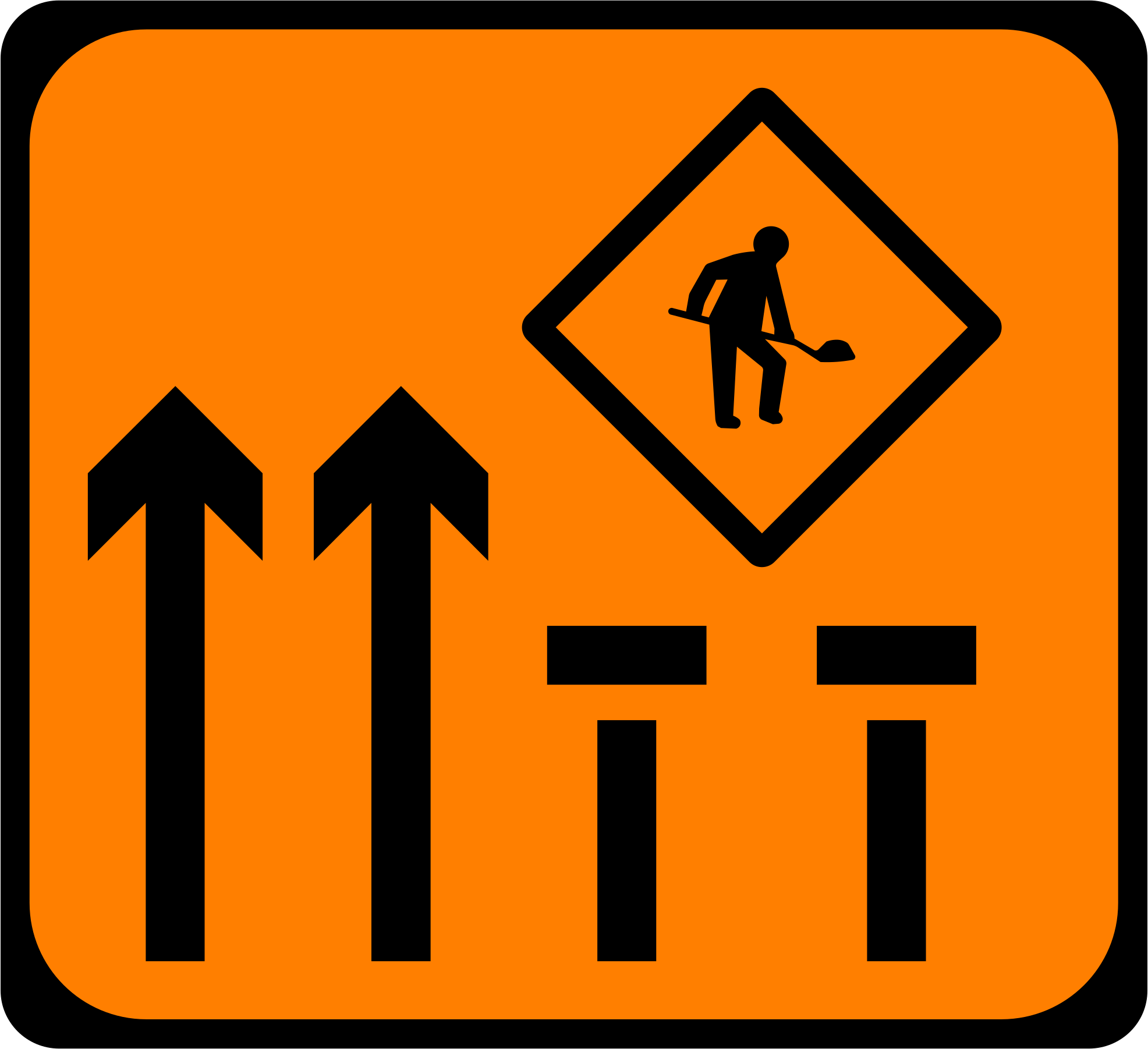
Works in the two right lanes of four
Works occupy the two right-hand lanes of four; move into one of the left-hand lanes well before you reach the site.
The Traffic Signs Manual numbers a further 14 codes in this chapter. They are not prescribed in the Road Traffic (Traffic Signs) Regulations 2025, and the manual's own wording is not ours to reprint, so they are not listed here. Sources: Department of Transport, Traffic Signs Manual; Irish Statute Book, Road Traffic (Traffic Signs) Regulations 2025, S.I. No. 433 of 2025; checked on 2026-09-15
84 sign codes
Source: Department of Transport, Traffic Signs Manual, Chapter 8 Temporary Traffic Measures and Signs for Roadworks (2019), dated 2019-08-22, checked on 2026-09-15
Roadworks signs are temporary, and they come from the roadworks chapter of the Traffic Signs Manual rather than from the Regulations, which is why a WK code carries no regulation beside it. The legal work at a site is still done by the Road Traffic (Traffic Signs) Regulations 2025 (S.I. No. 433 of 2025): they prescribe the stop and go discs, the orange markings that stand in for white ones, the signals that are mounted lower for temporary use and the speed limit signs a roadworks order puts up. That chapter of the manual has not been reissued with the current set, and official sources give its publication month differently, so we cite it by title.
Orange means temporary, and orange wins
Reg. 61 lets the centre lines, the lane line, the direction arrows and the hatched markings be laid in orange instead of white to show where roadworks are being carried out. Article 27A of the Road Traffic (Traffic and Parking) Regulations 1997 then gives those orange markings the same effect as the white markings they stand in for.
On the ground that means the orange paint is the layout. Where the old white lines are still showing through, they are not the ones you follow.
Stop and go discs
The two discs are prescribed signs, not improvised ones. STOP is a red disc with a white border and white letters; GO is a green disc with a white border reading GO or Téigh. An authorised person exhibits them by hand or through a manually controlled device, at intervals they judge or as the traffic demands (Reg. 32).
Two layouts are set out. Where both streams have to stop, two STOP faces can be mounted back to back as one panel. Where a shuttle is being run, STOP sits on one face and GO on the other, and the panel is turned to let one direction through at a time.
Signs and signals change at a site
Temporary traffic lights keep the same lamps, order and colours as permanent ones, but the lower edge of the lowest lamp may be much closer to the ground (Reg. 39). The same allowance is made for cycle signals provided for temporary traffic management.
Mandatory signs get a similar allowance. At roadworks the keep left, keep right and pass either side signs may be shown in a variable message format on a roadworks vehicle, whether it is stationary or moving along the road during mobile works, and they may be larger than the usual disc (Reg. 4(4)).
The limit through the works
A roadworks speed limit is not put up at will. It is made by order by the chief executive of a county or city council, or by the chief executive of the National Roads Authority on a national managed road, it may not be set below 20 km/h, and it lapses after at most 12 months (Road Traffic Act 2004, sections 10 and 10A).
The sign itself is the ordinary speed limit design, a white disc with a red border, provided under Reg. 33(3). While the order stands, that figure is the limit for the stretch, and the default limit for the class of road does not apply.
Sources
Source: irishstatutebook.ie, Road Traffic (Traffic Signs) Regulations 2025 (S.I. No. 433 of 2025), checked on 2026-09-16
Source: irishstatutebook.ie, Road Traffic (Traffic and Parking) Regulations 1997 (S.I. No. 182 of 1997), checked on 2026-09-16
Source: irishstatutebook.ie, Road Traffic Act 2004, sections 5 to 9 (speed limits), checked on 2026-09-16