Irish Regulatory Signs: Stop, Yield and No Entry
78 signs, each with what it means and the rule behind it.All 78 signs
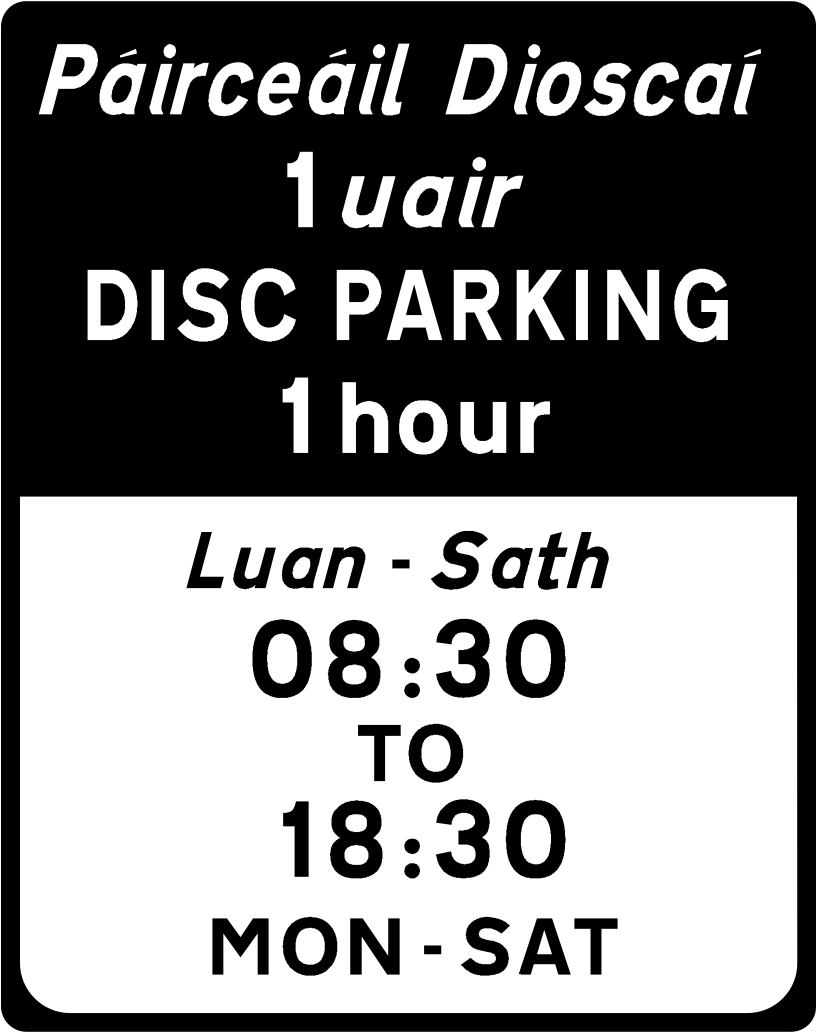
Disc parking hours and stay limit
This plate, placed under the parking sign, names disc parking, the longest stay allowed and the days and hours it applies; all the figures vary.
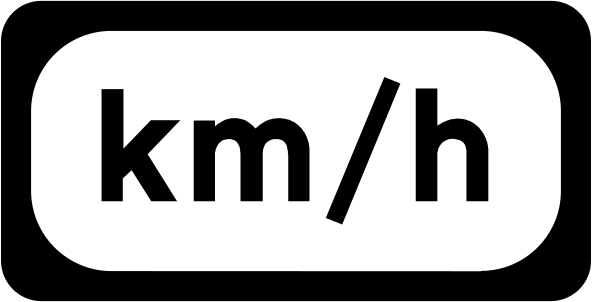
Speed shown in km/h
The unit for the speed figure shown on the electronic speed limit sign above is stated on this small plate, which reads km/h.

Keep Left
Keep left of this sign and of whatever it stands on; article 24 of the Traffic and Parking Regulations 1997 makes the blue disc an order and not a hint.

Keep Right

Pass Either Side
Pass either side is still mandatory: the blue disc leaves you the choice of hand, never the choice of ignoring it (Reg. 4, article 24).

Keep Straight Ahead
A blue disc with a straight arrow fixes the route you must take at the junction ahead, and articles 22 and 23 make ignoring it an offence.

Turn Right

Turn Left

Turn Left Ahead

Turn Right Ahead

With-flow cycle track sign

Clearway
A clearway comes with a times plate, and during those hours you may not stop or park on it even where another sign would let you (article 40).
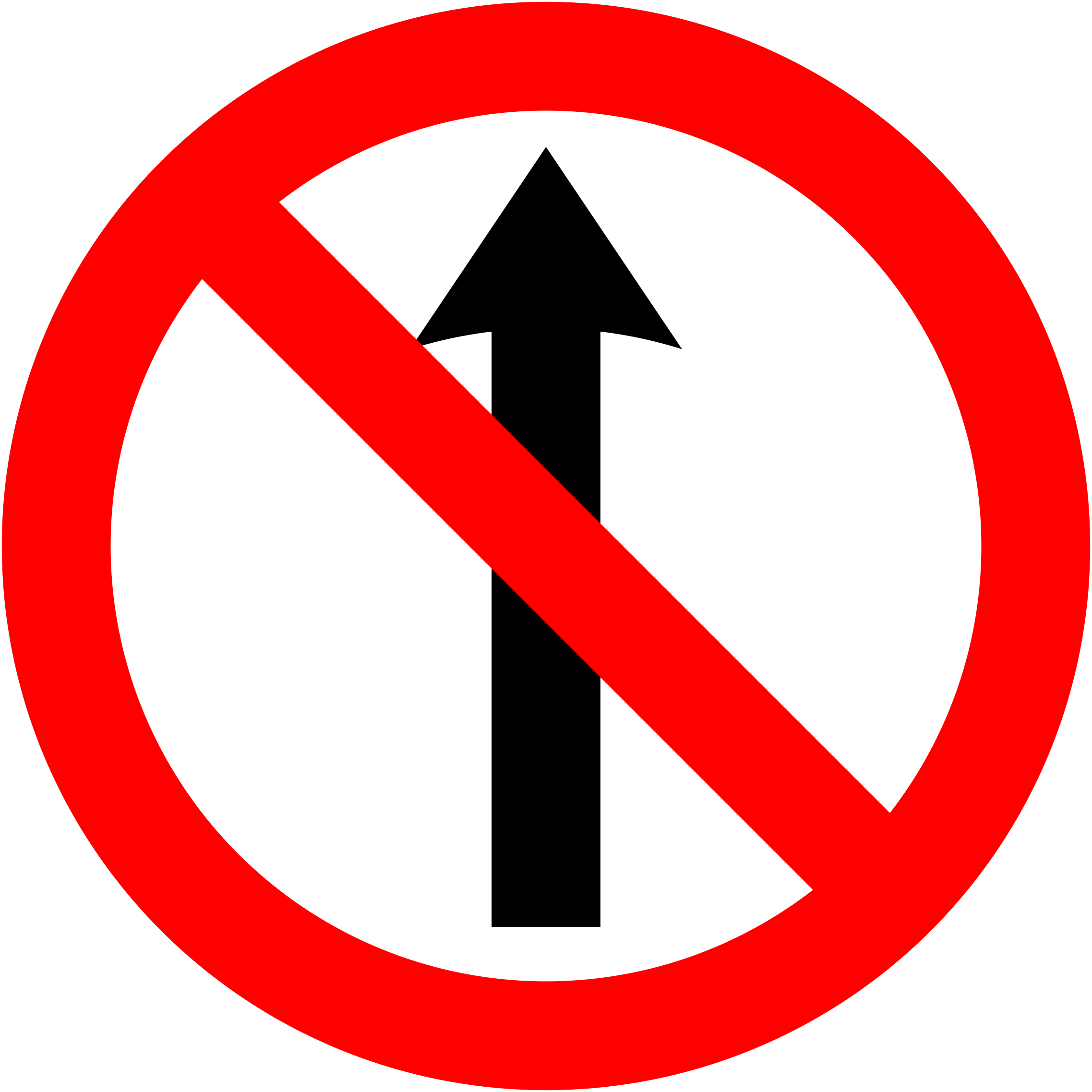
No Straight Ahead
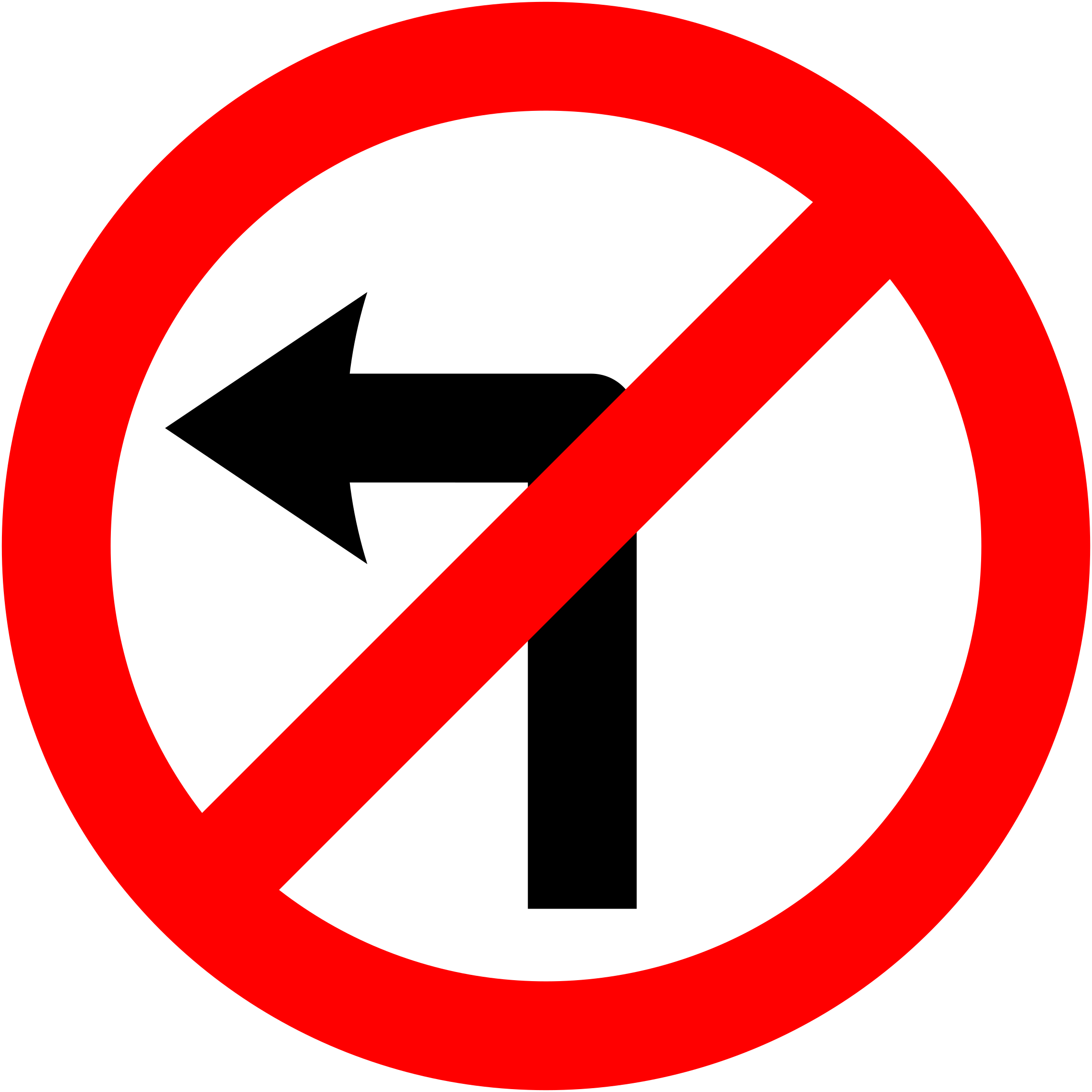
Before you treat the way ahead as closed, read the plate: Reg. 14(5) allows messages such as "Except Buses and Taxis" and "Except Cyclists" to lift the ban for those road users.
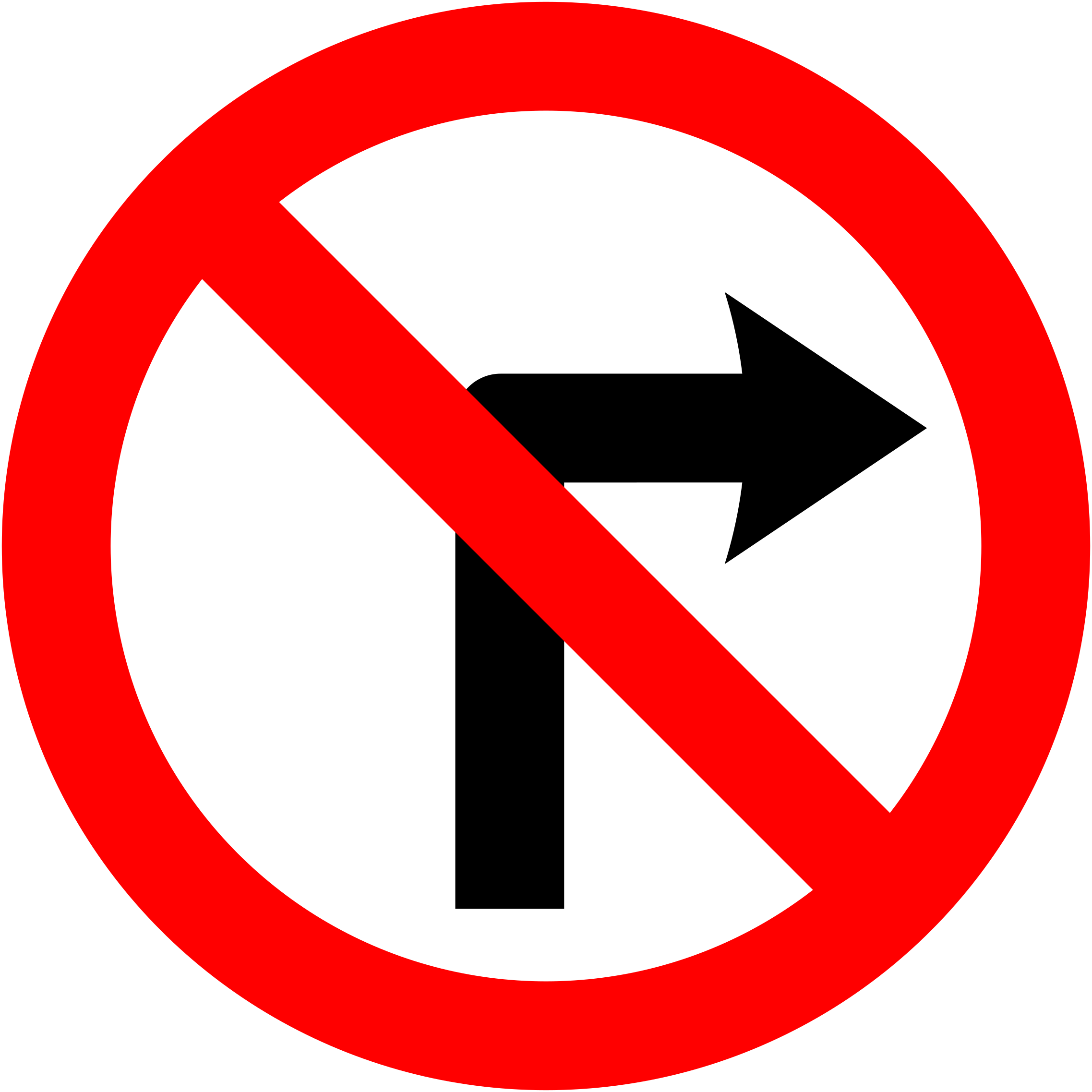
No Right Turn
No Left Turn
No Overtaking
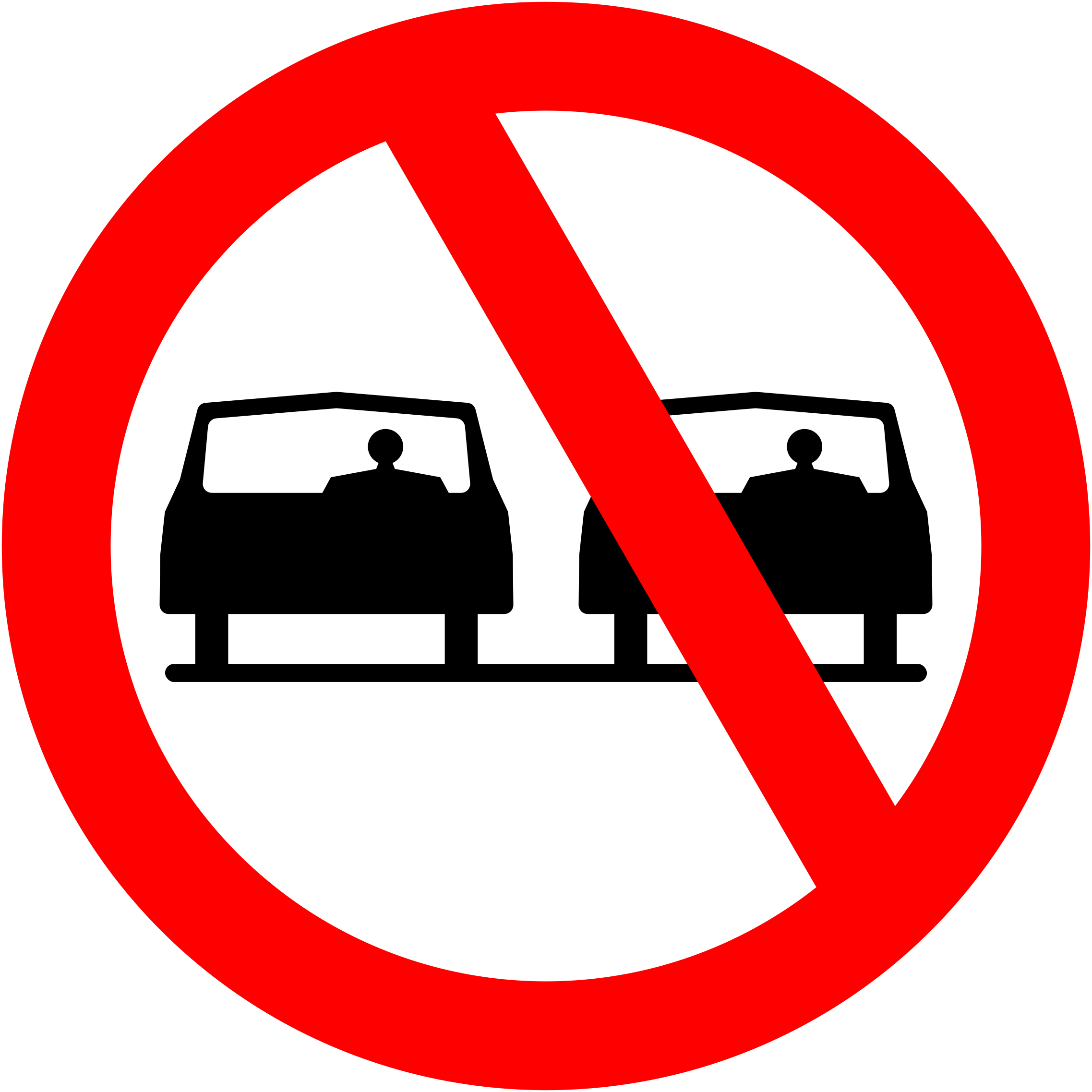
No overtaking runs until an END plate, and while it applies you may not park on that stretch either (article 10(3) and article 36(2)(n)).

Maximum Gross Weight (Traffic Management)
Height Restriction
No U-Turn
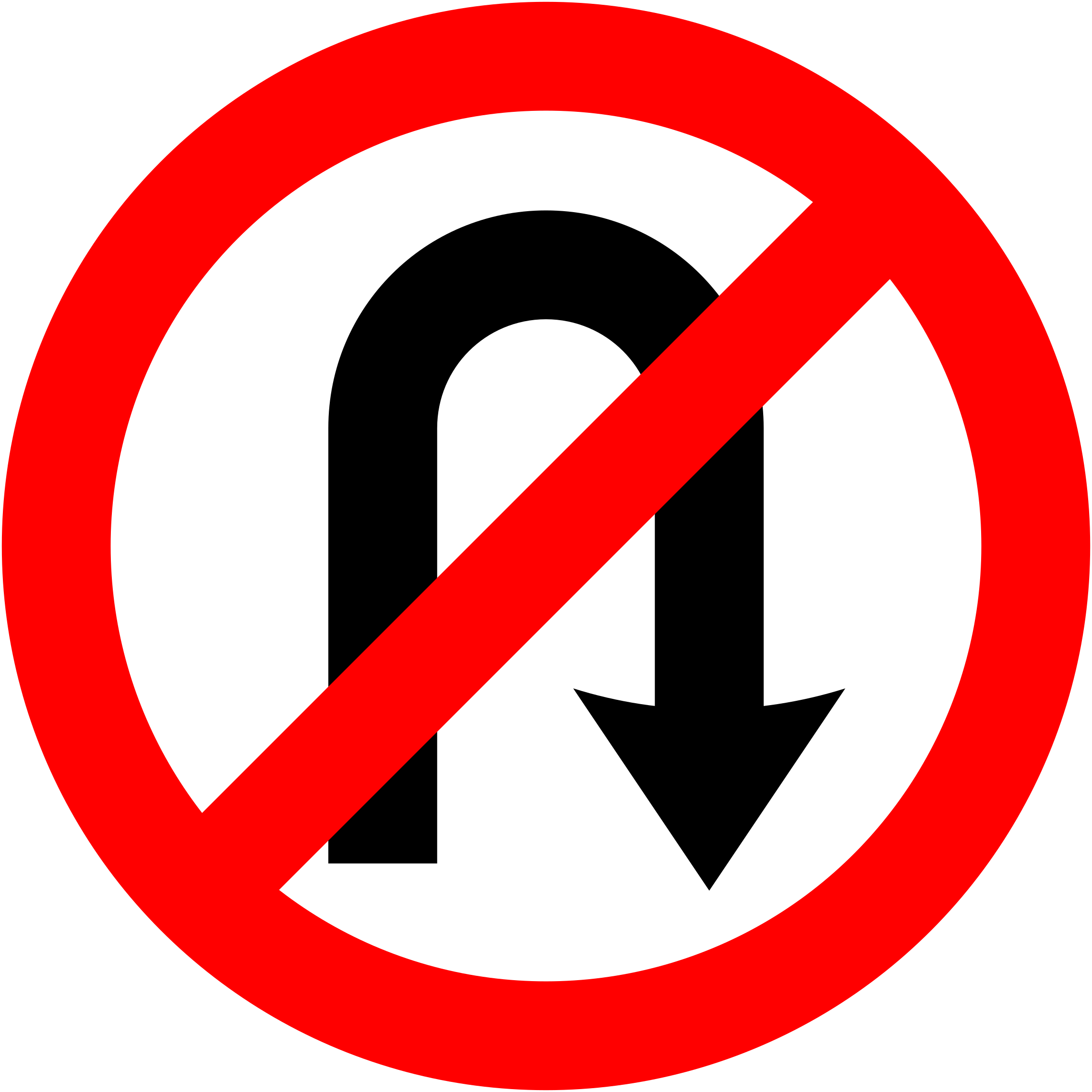
No U-turn is placed where a central reserve, a traffic island or a dual carriageway makes the turn dangerous, and article 35 bans the turn there.
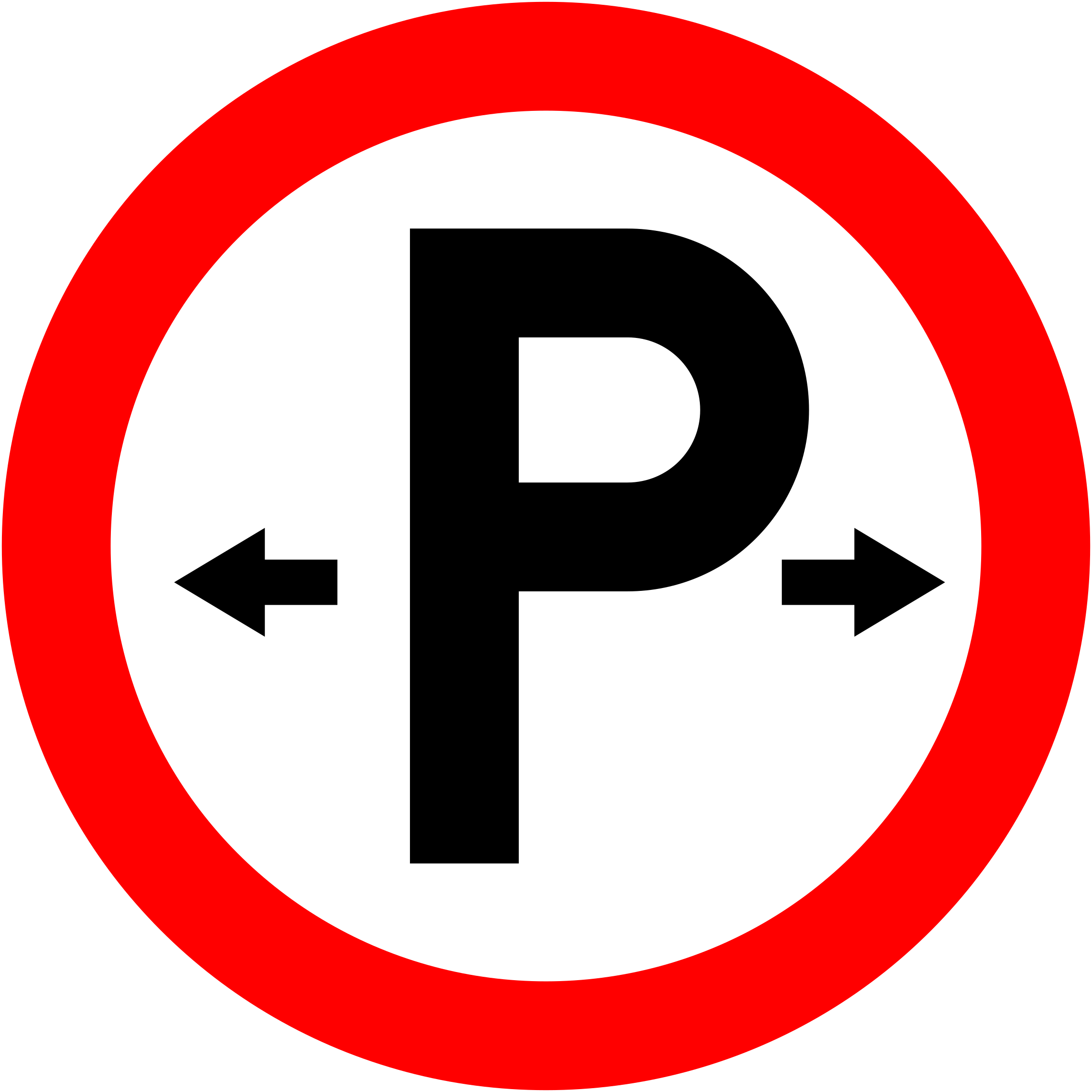
Parking Permitted
Where parking is permitted with a plate, the plate sets the longest stay and you may not come back to the same place within an hour (article 37(2)).
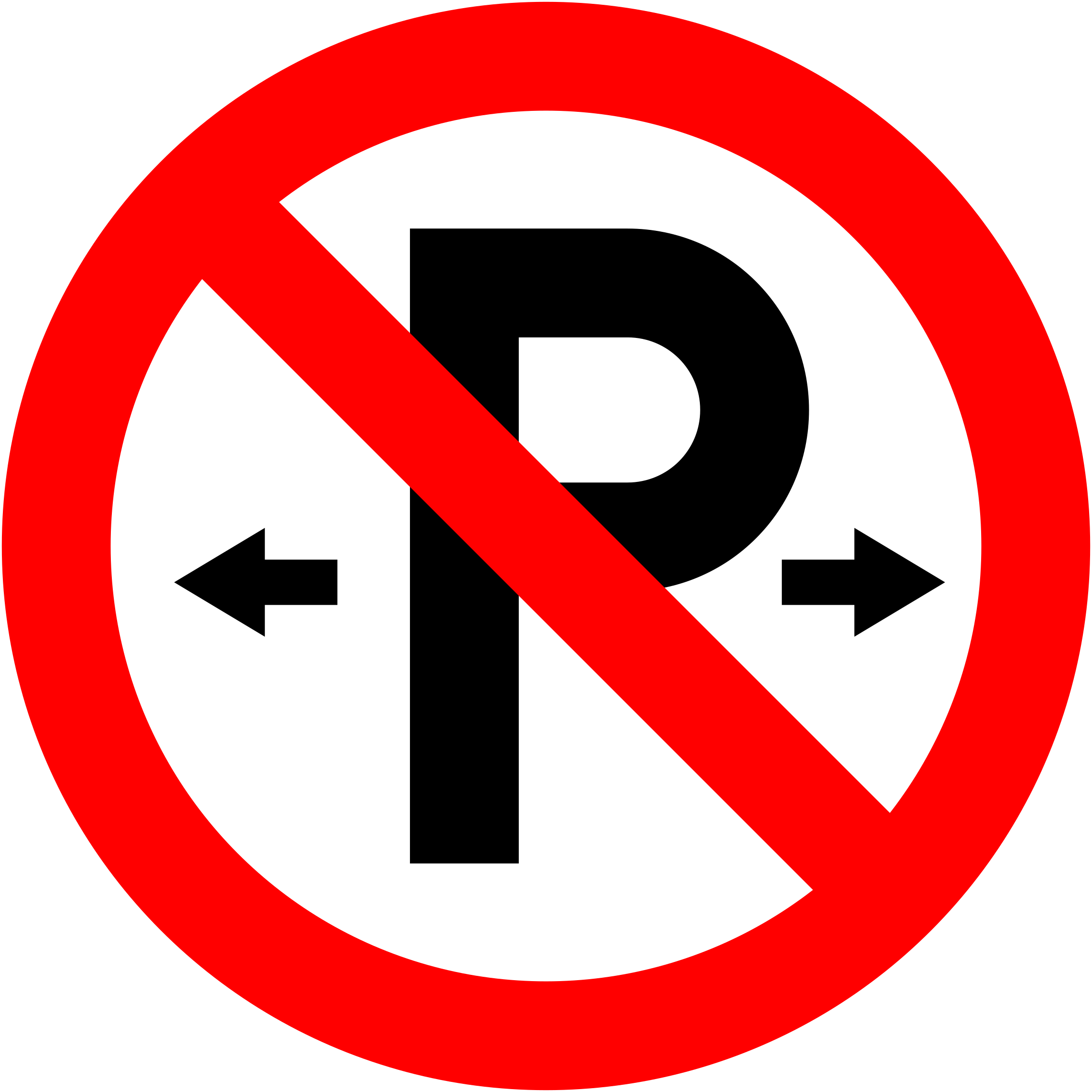
No Parking
With a large vehicle plate under it, no parking bans vehicles over the plated design gross weight from the whole area, with loading for up to 30 minutes the only way in (article 38).
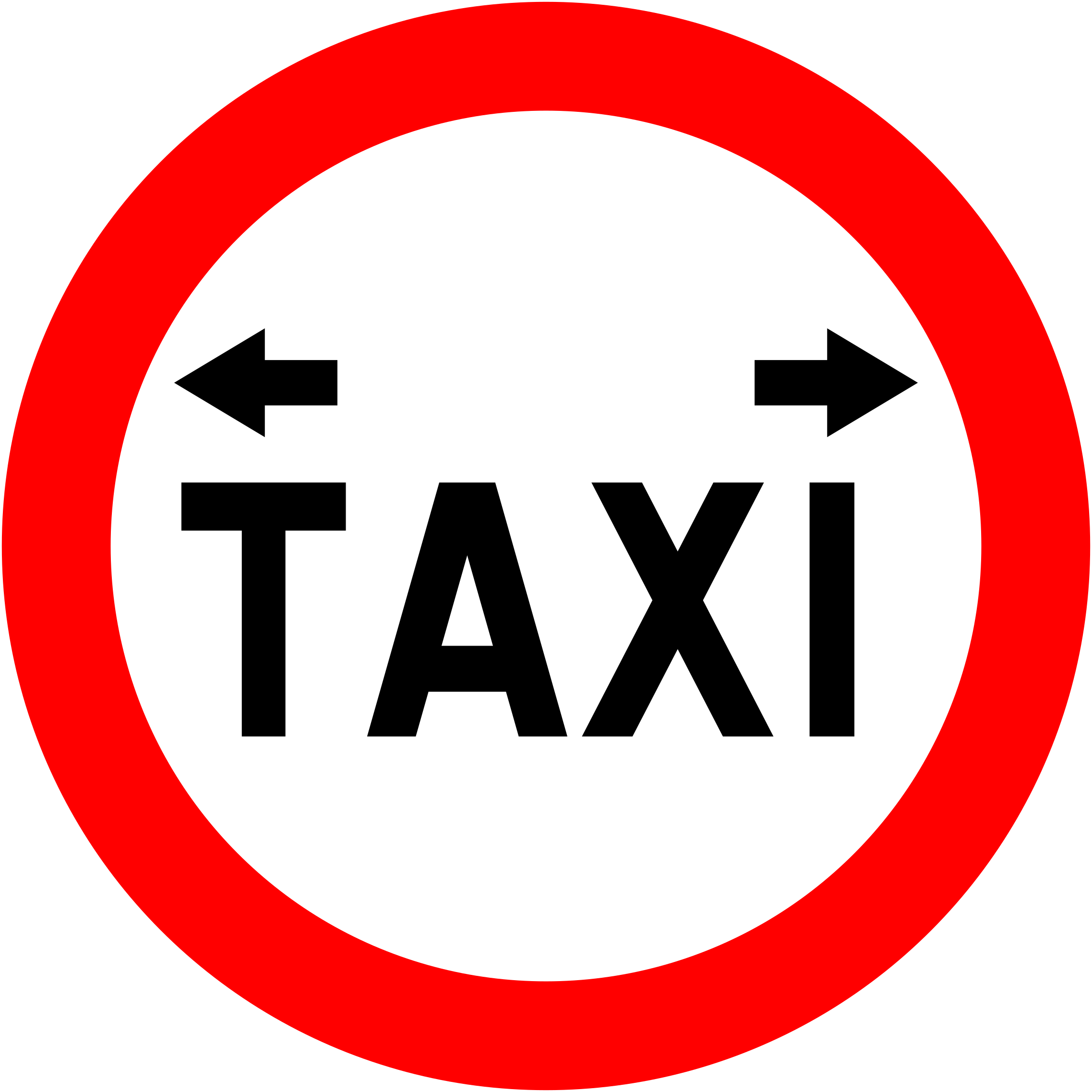
Taxi Stand

Electric Vehicle Recharging Only
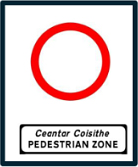
Pedestrianised Street
A pedestrianised street sign is a restriction with hours on the plate, and a car parked there beforehand has to be moved before those hours begin (article 45).
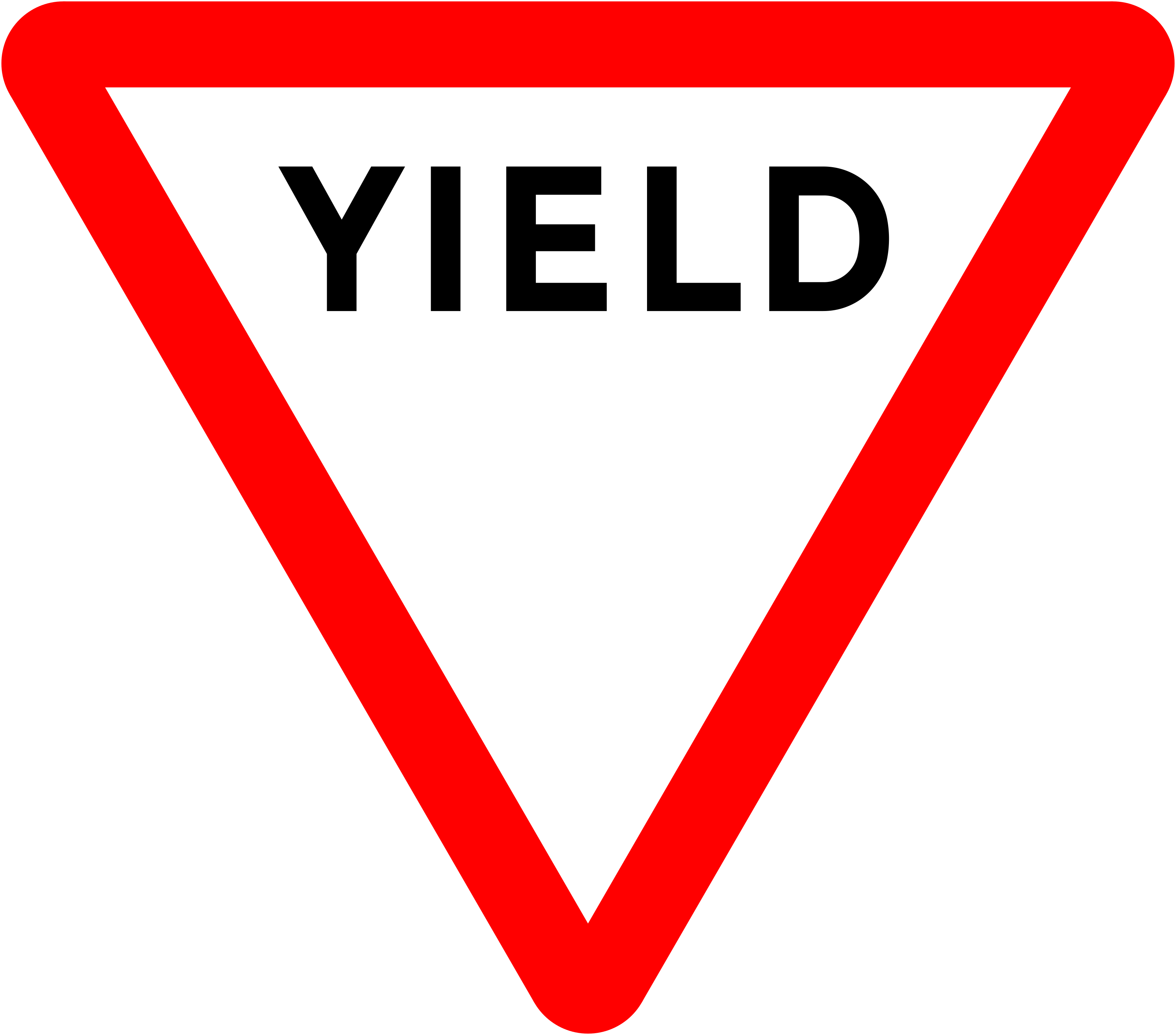
Yield
Yield asks for a real gap, not a stop: you give way to traffic on the major road ahead and move when it is safe (Reg. 29(2), article 21).
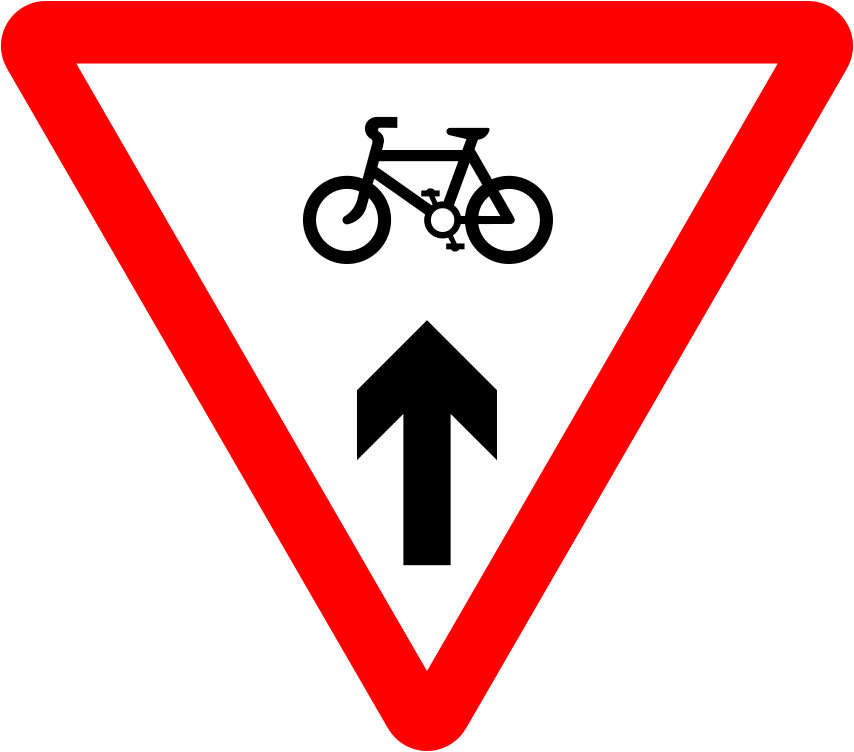
Yield Sign for Cyclists
The small cycle yield sign lets a cyclist or an e-moped or electric scooter driver go in the direction of its arrow on a red light, but only after yielding and only if nobody is endangered (article 30(6)).
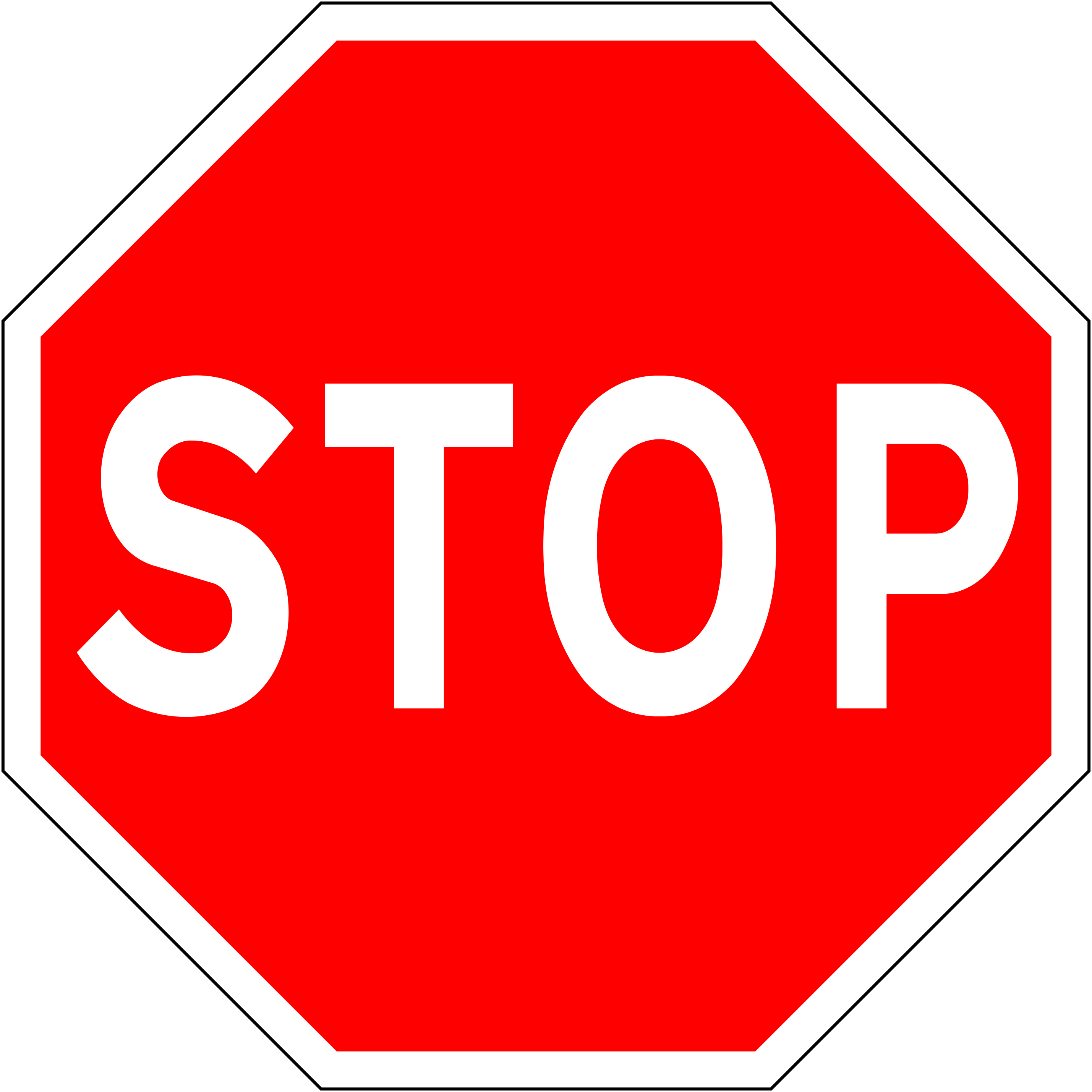
Stop
Stop is the one sign that needs a full stop every time, and where a stop line is painted as well you stop at the line (Reg. 29(4), article 20).
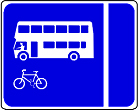
Nearside With-Flow Bus Lane
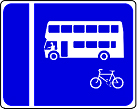
During its hours a with-flow bus lane belongs to buses, cycles, e-mopeds, electric scooters and working taxis; other drivers may cross it only to reach premises or a loading inset (article 32).
Offside With-Flow Bus Lane
Contra-Flow Bus Lane
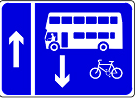
A contra-flow bus lane runs against the traffic around it and stays closed to ordinary vehicles at every hour, not only at the busy ones (article 32(3)).
Bus stop sign
Only a large public service vehicle may park at a bus stop, so pulling in there to drop someone off is still a parking offence (article 36(2)(l)).
School Warden Sign
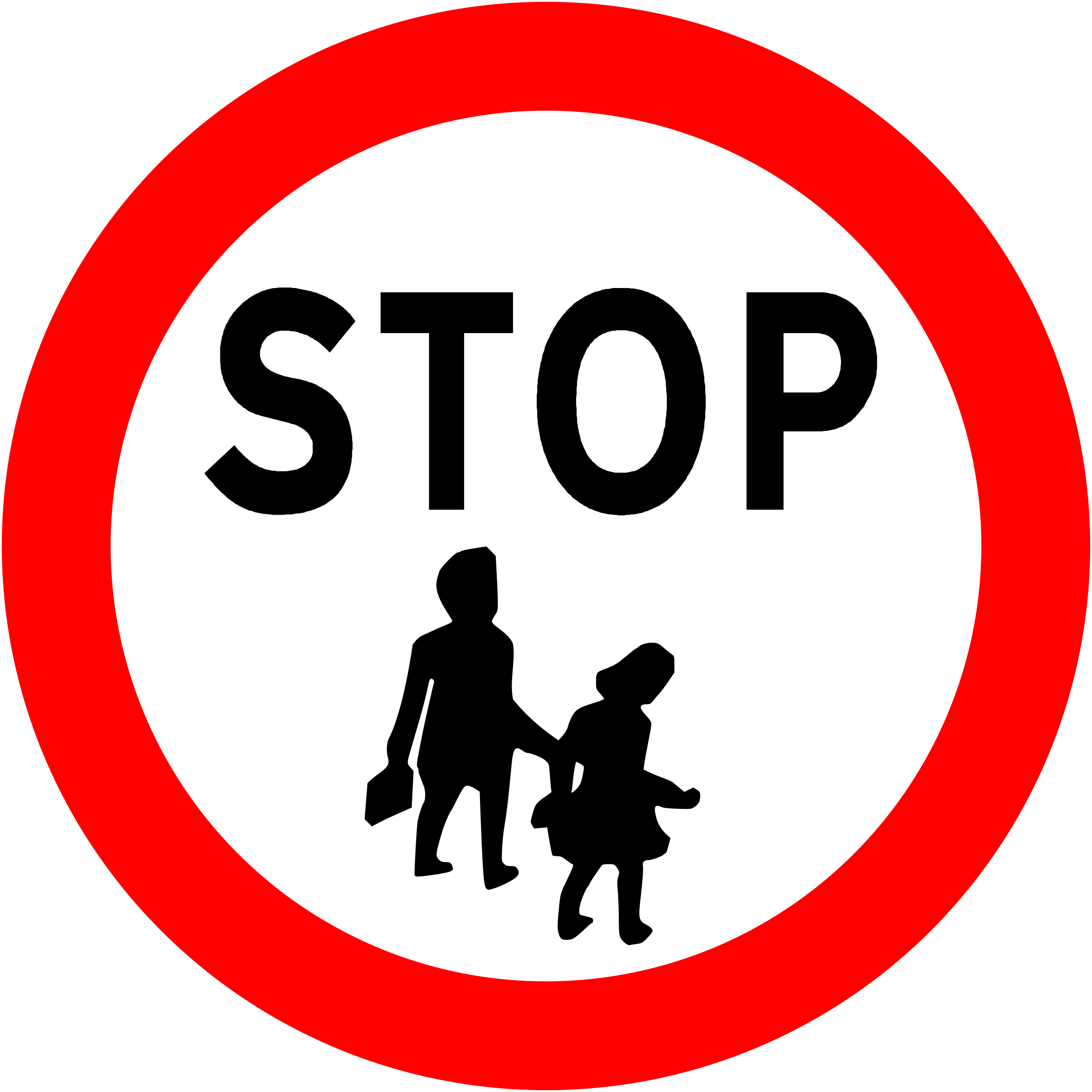
A school warden holds this disc up by hand, and section 96(2) of the Road Traffic Act 1961 requires traffic to stop and stay stopped while it is shown (Reg. 30).
School Street Sign
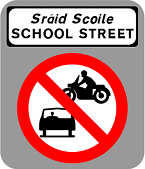
A school street is closed to motor vehicles during the hours on the sign; the exemption in article 45B(2) joins two conditions with "and", so treat the street as closed.
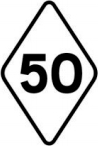
LRT SPEED LIMIT
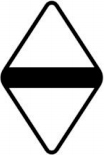
Light Rail Vehicles Stop Sign
The light rail stop sign is a white diamond with a black border and a black bar, and it speaks to the tram driver, not to you (Reg. 88).
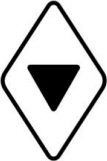
Light Rail Vehicles Yield Sign

Nearside Tram Lane

Offside Tram Lane
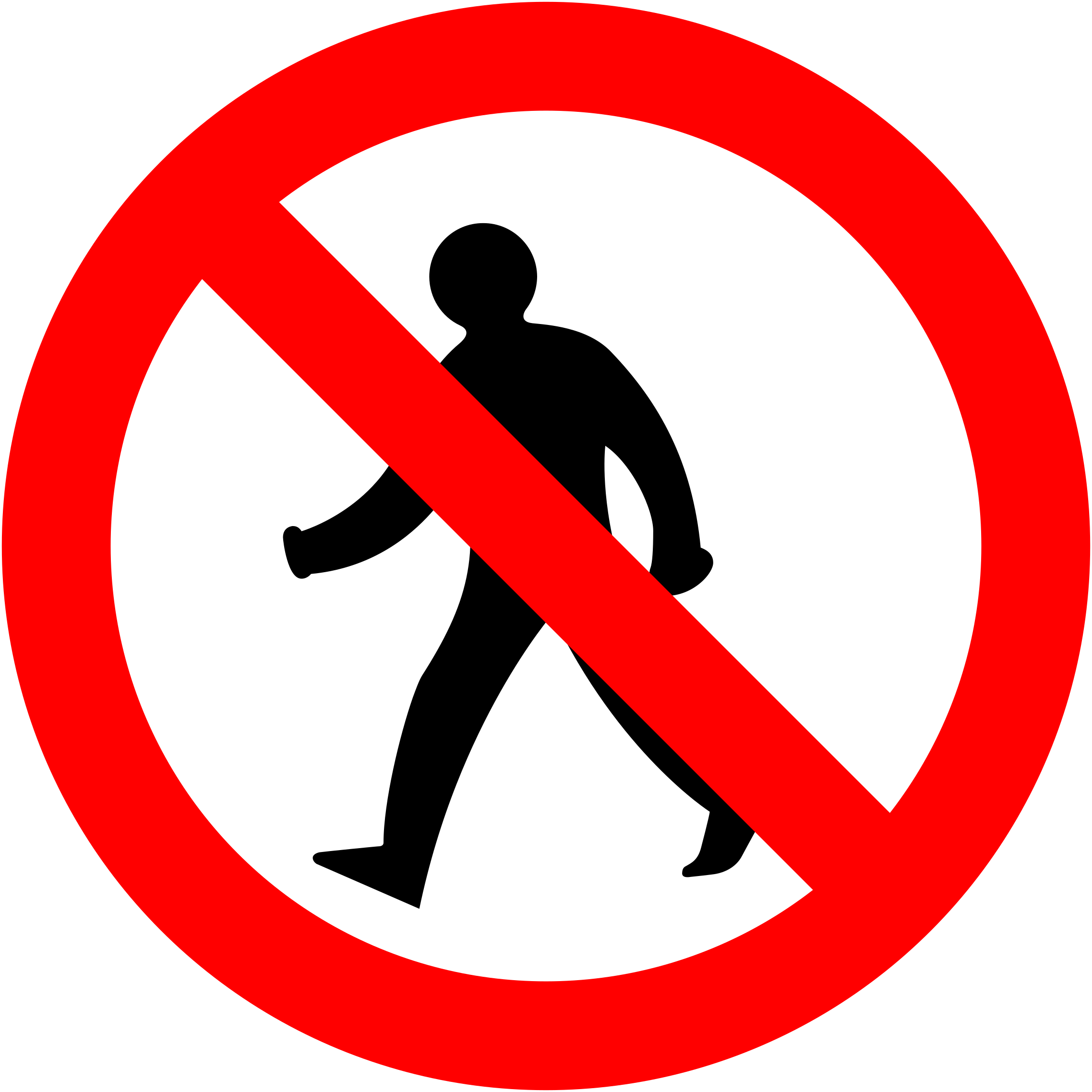
No Pedestrians

120km/h Speed Limit

100km/h Speed Limit

80km/h Speed Limit

60km/h Speed Limit
The 60 km/h disc has an alternative design for local roads, a white disc with a black border and black diagonal lines, and the limit it carries is the same (Reg. 33(4) and (5)).

50km/h Speed Limit

30km/h Speed Limit

Periodic Speed Limit
A periodic limit sign shows white figures on a black disc and is lit only while its limit is in force, so what you can read is what applies (Reg. 34).
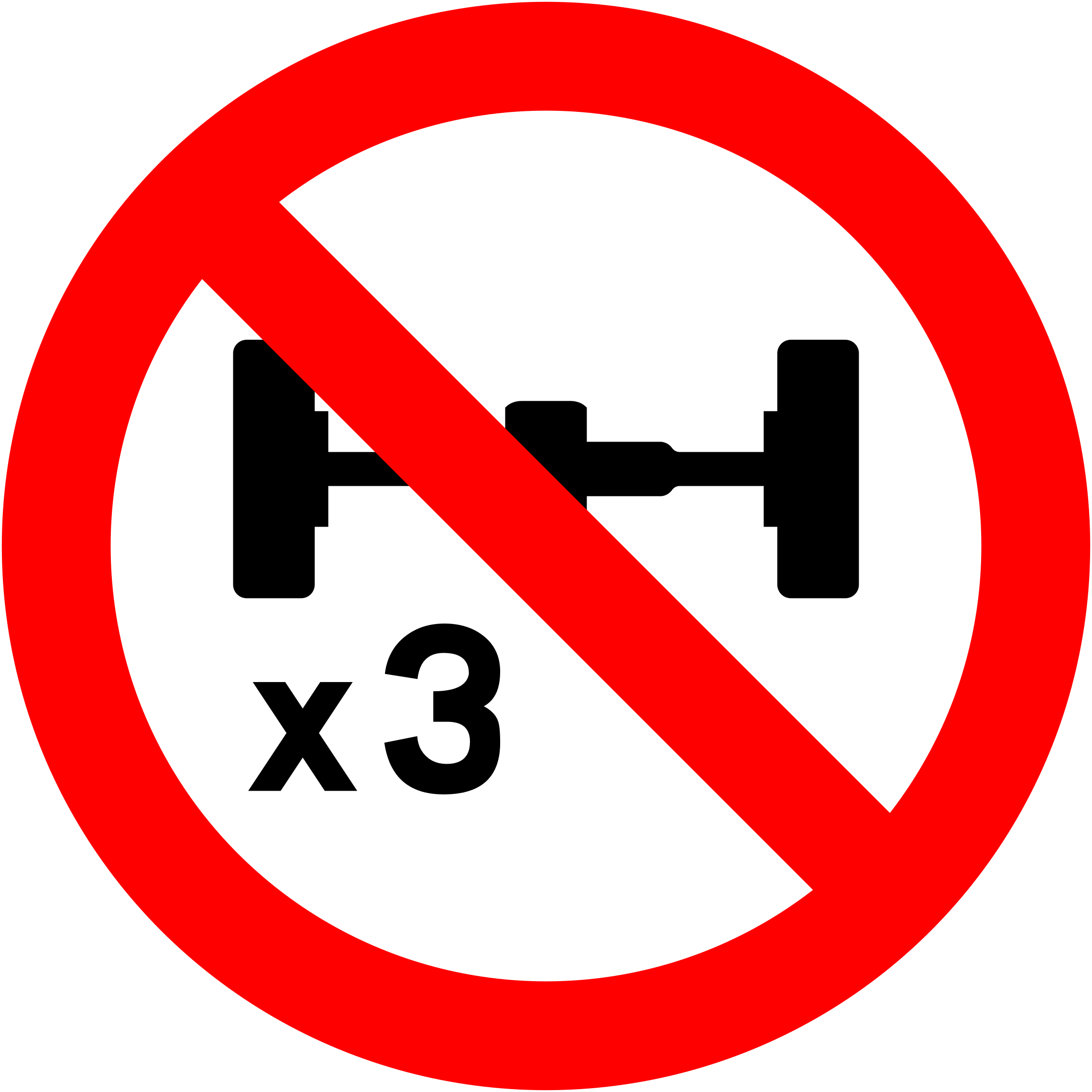
Prohibited Vehicles
Prohibited vehicles is counted in axles: the figure beside the axle symbol is the number of axles that may not pass the sign (Reg. 15).
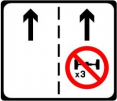
Prohibited Axles in Right Hand Lane (Road Tunnels)
At a two-lane tunnel carriageway this sign keeps heavier vehicles out of the right-hand lane rather than out of the tunnel (Reg. 16).
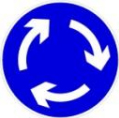
Mini roundabout ahead
The mini roundabout sign gives the direction you must take on entering, and the painted dome that goes with it is to be driven around, not over (Reg. 12; S.I. No. 332 of 2012, reg. 5).

No Entry to vehicles
No entry is a red disc with a white bar, and unless a plate reads "Except Cyclists" it stops every vehicle at that entrance (Reg. 24).

Maximum Vehicle Length
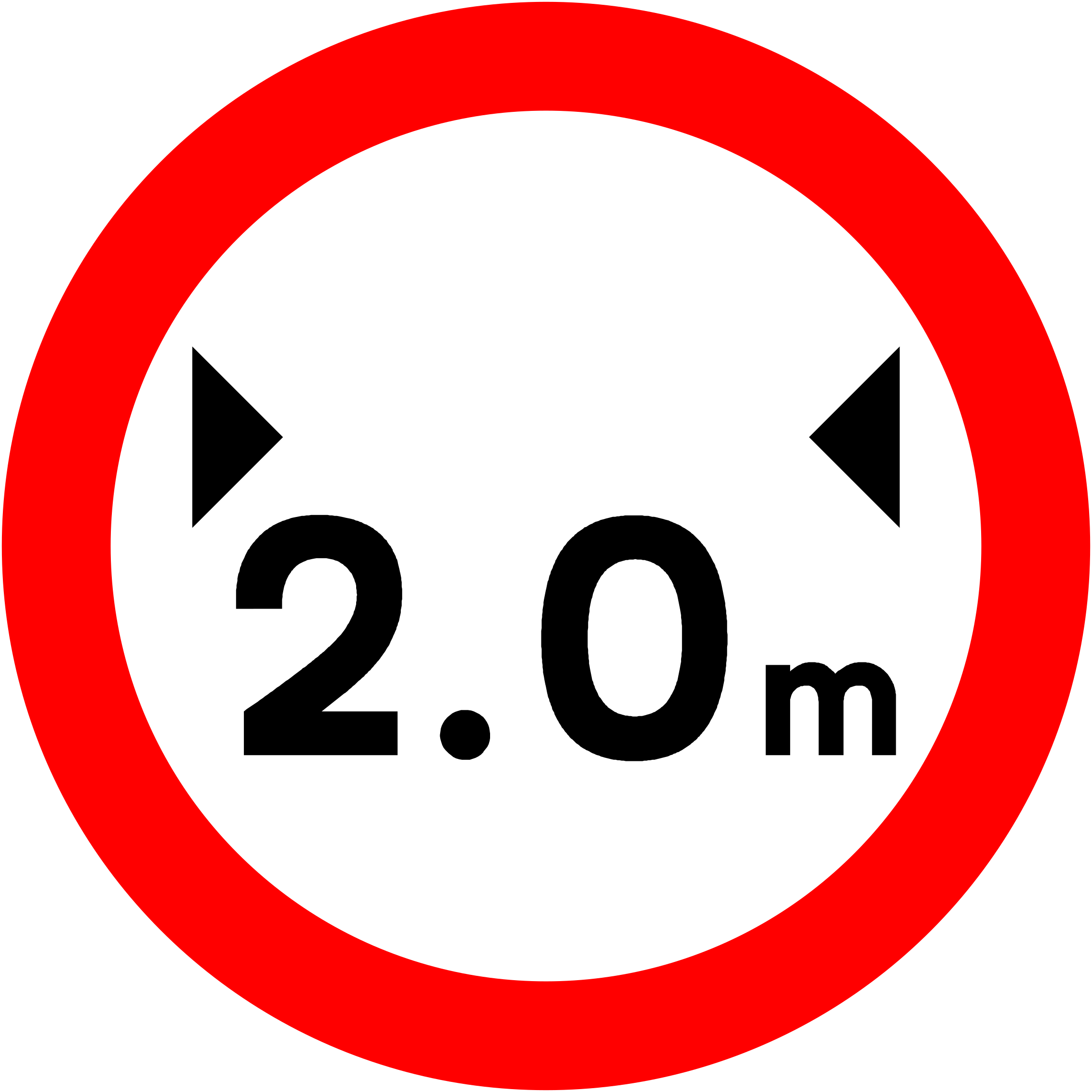
Maximum Vehicle Width
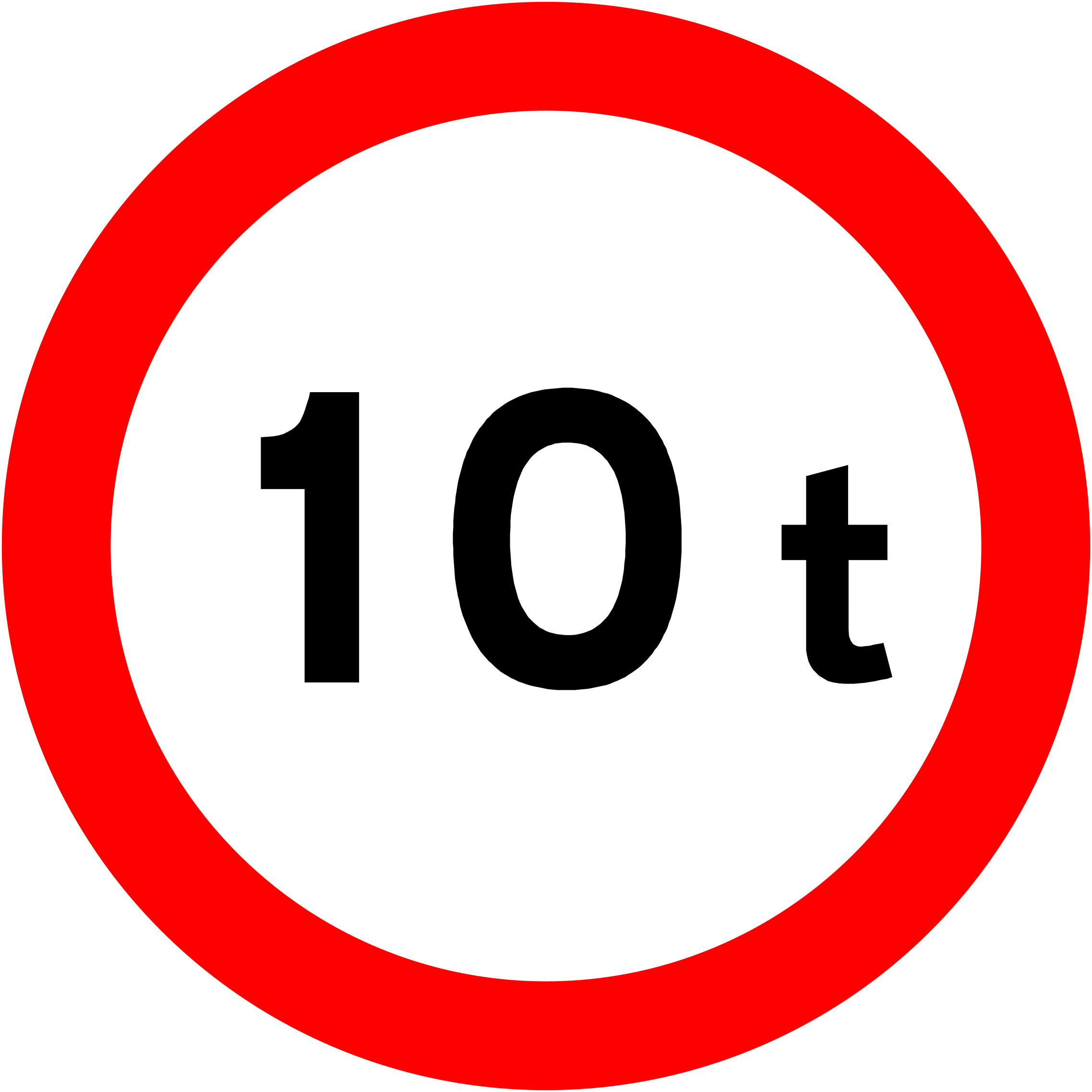
Maximum Gross Weight (Safety)
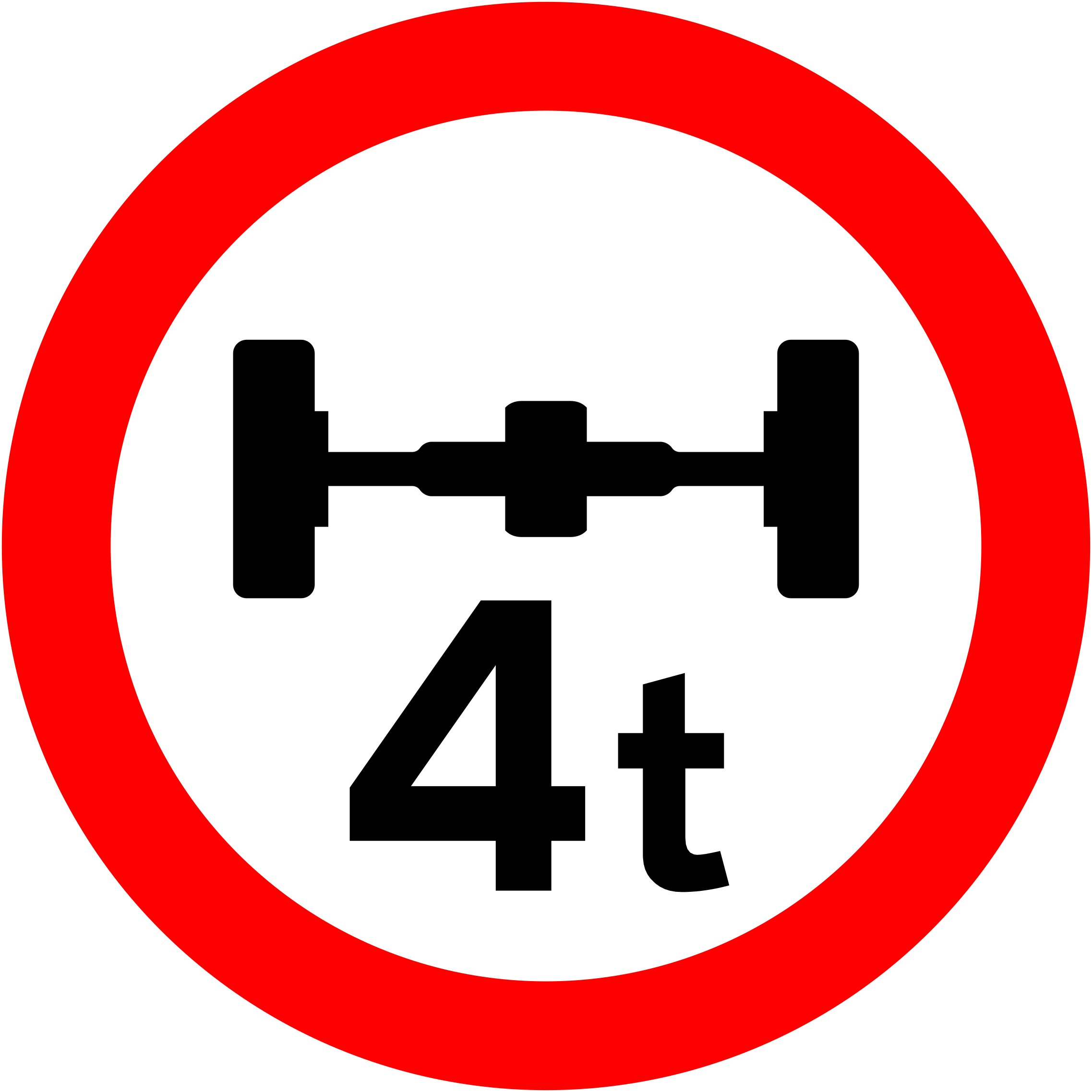
Maximum Axle Weight
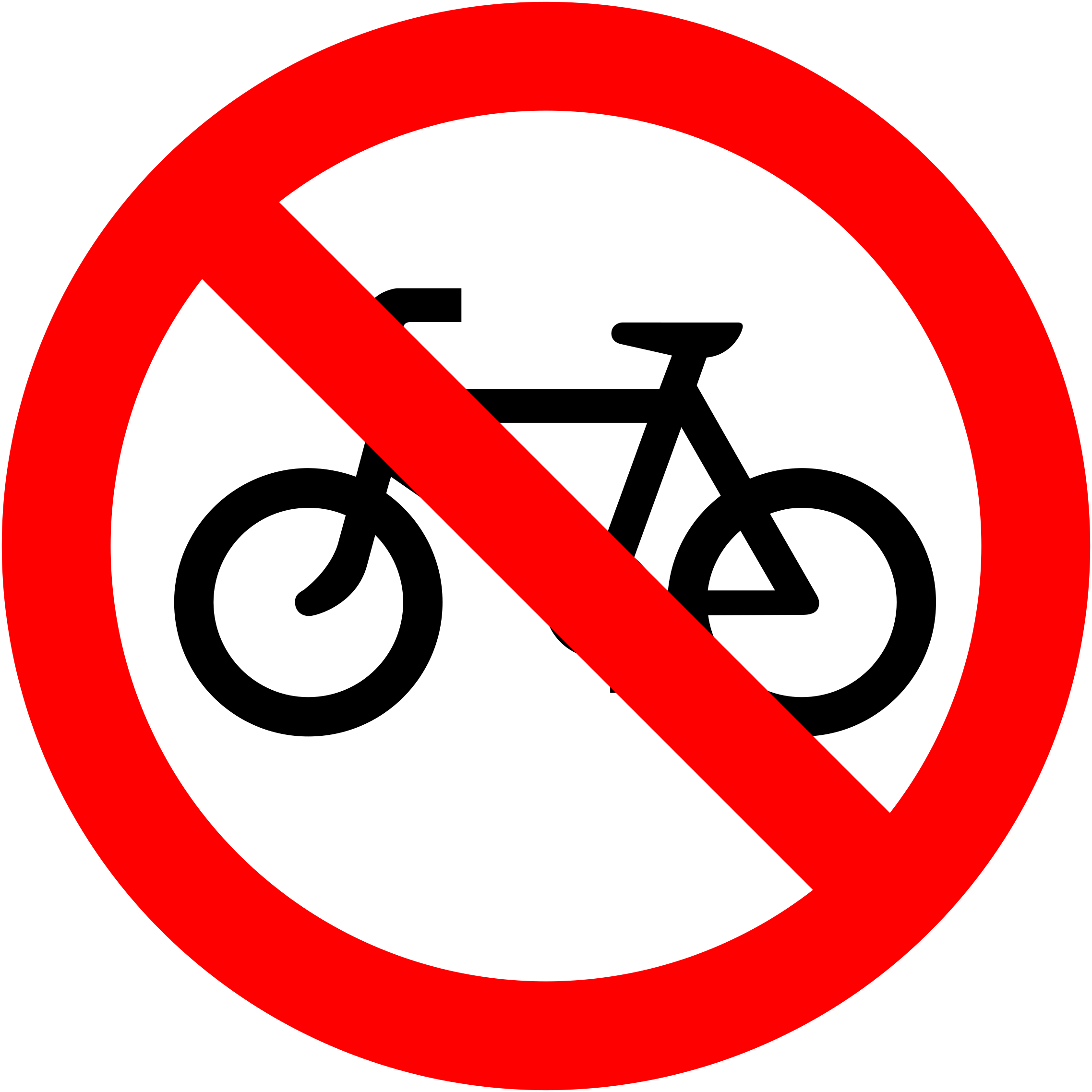
No Pedal Cycles, e-mopeds or Electric Scooters
The no cycling sign covers e-mopeds and electric scooters as well as pedal cycles, the wording the Regulations now use throughout (Reg. 17).
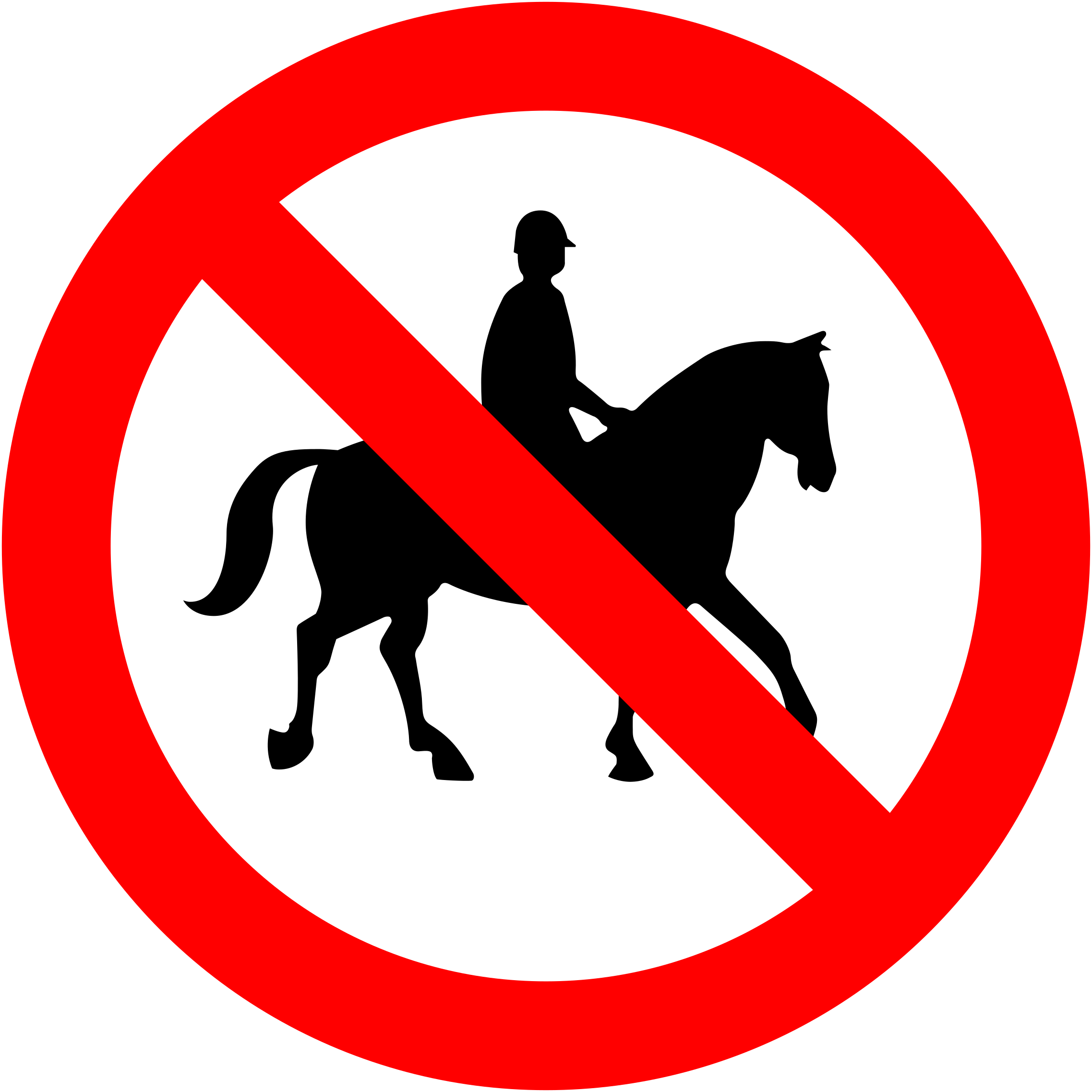
No Animals
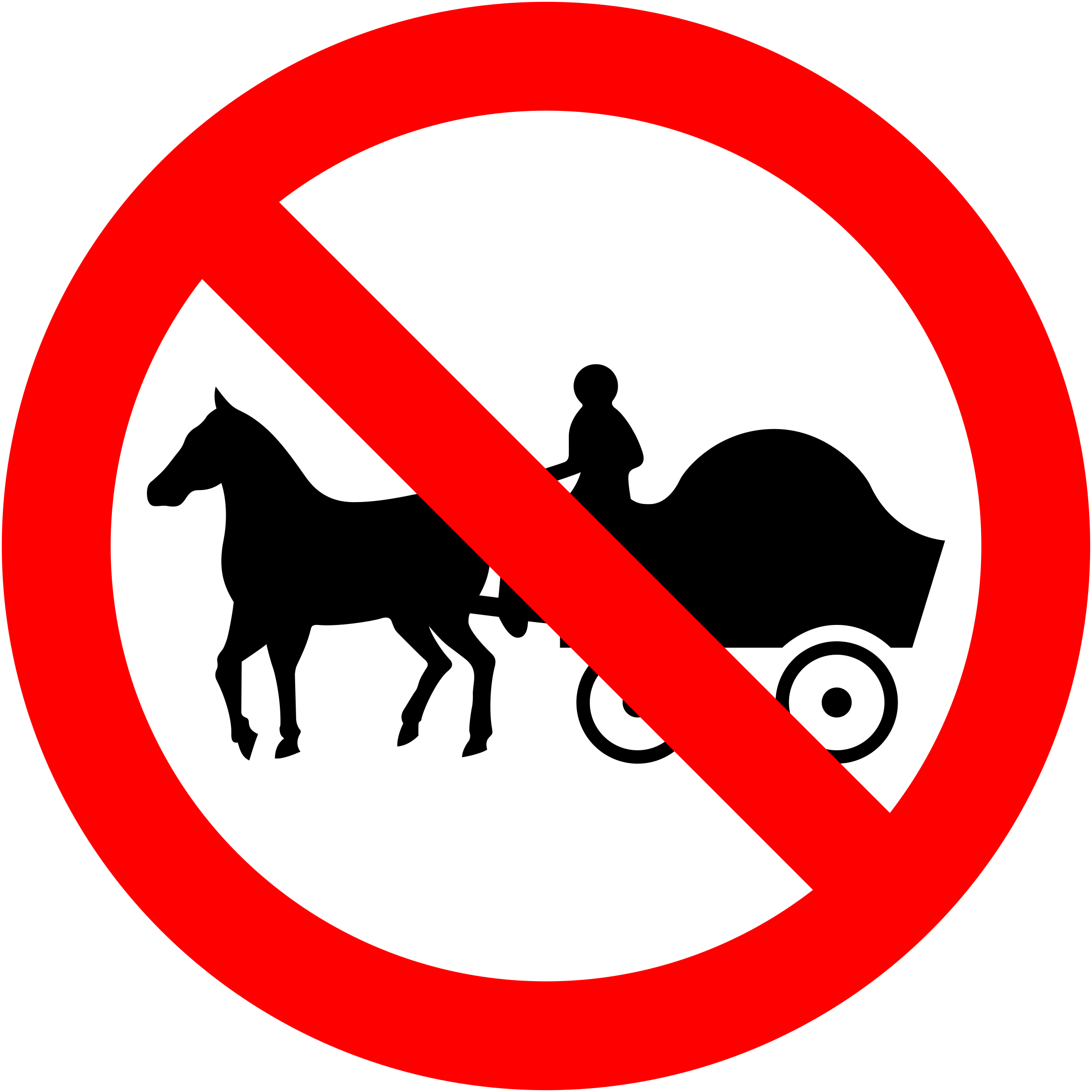
No Horse and Cart

Shared track for pedal cycles, e-mopeds, electric scooters and pedestrians

When the pedal cyclists/e-moped and electric scooter drivers are on the left

When the pedal cyclists/e-moped and electric scooter drivers are on the right

Contra-Flow Cycle Track

Contra-Flow Cycling On One-Way Street

Contra-Flow Cycling On One-Way Street

Stop and Go Disc: STOP
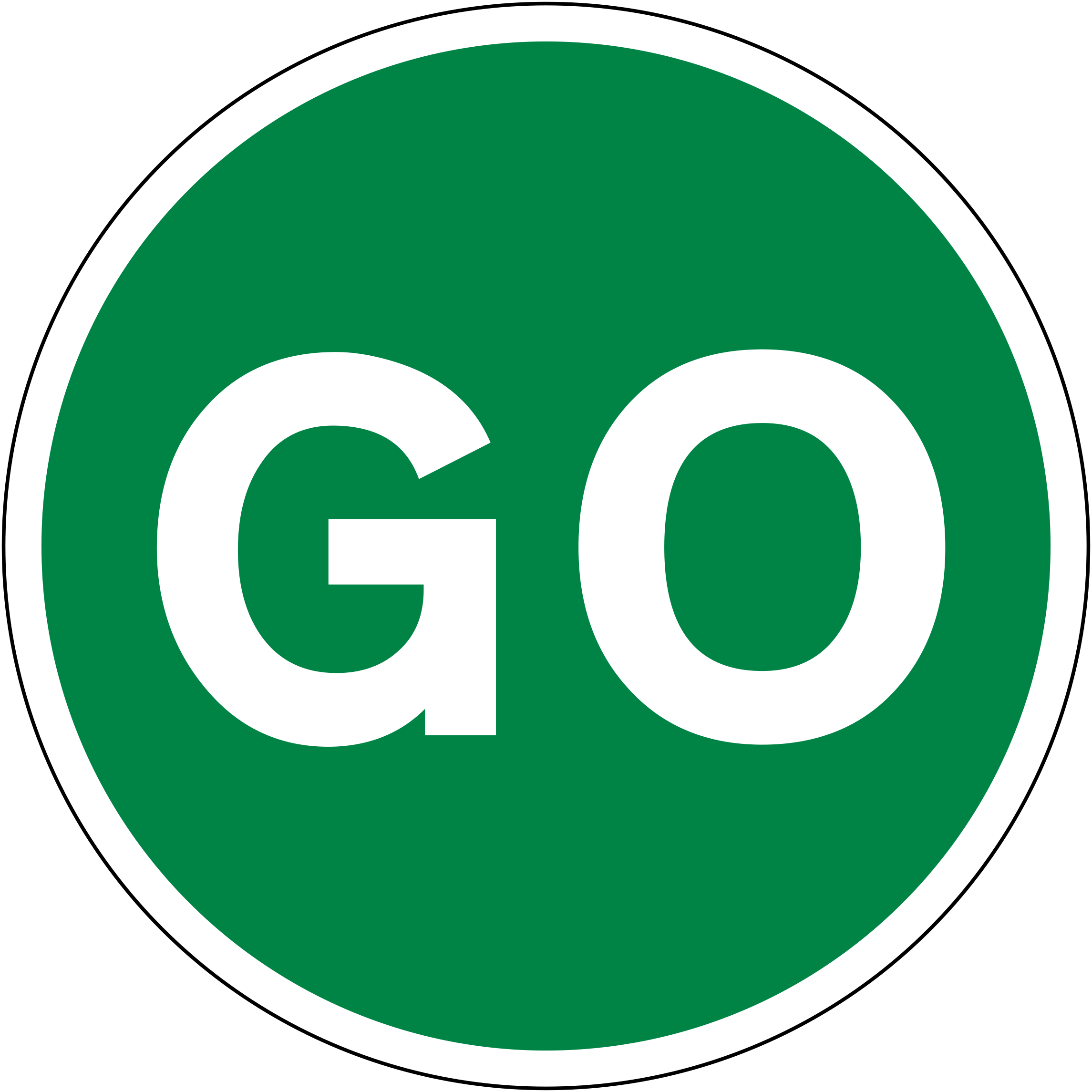
Stop and Go Disc: GO
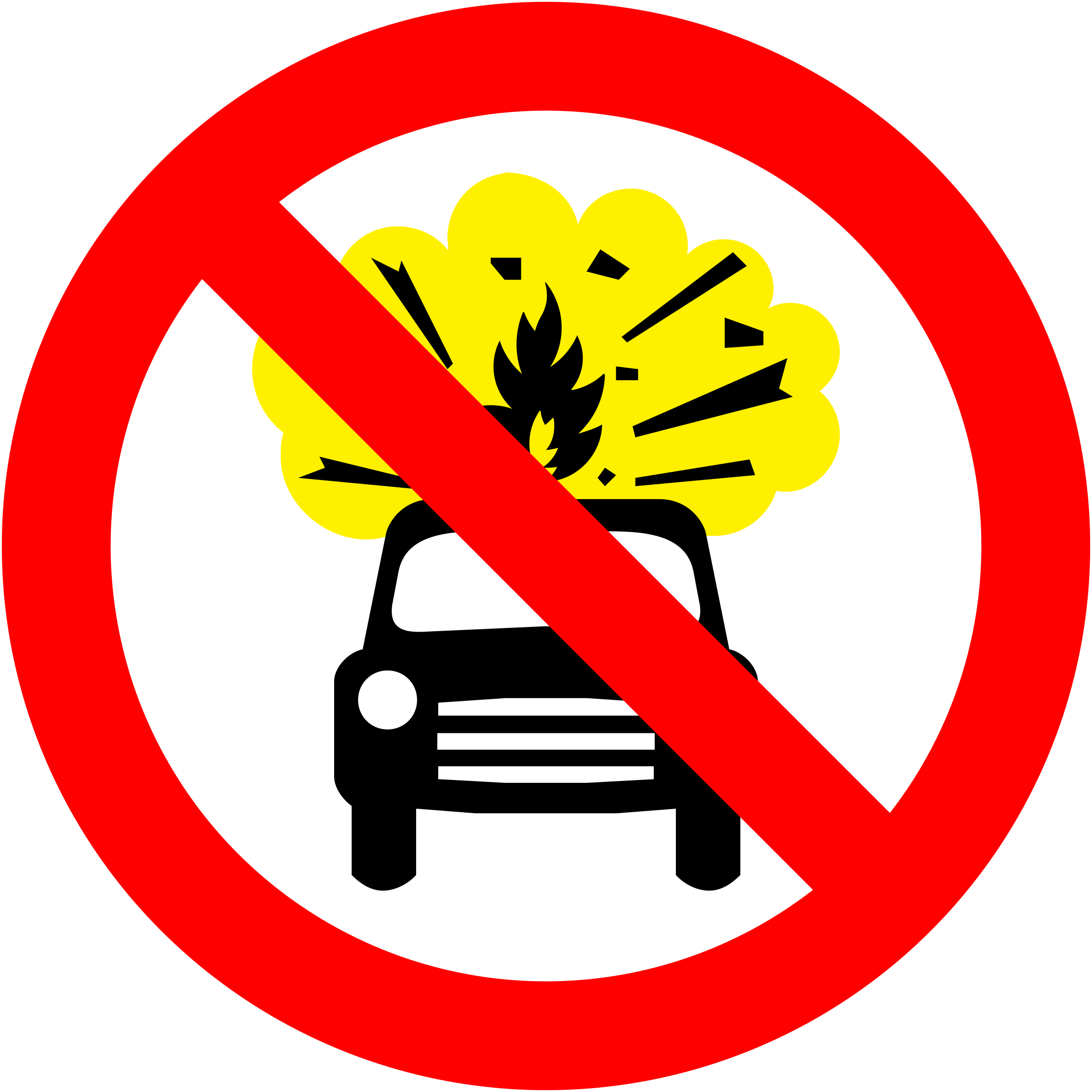
No Vehicles Carrying Explosives
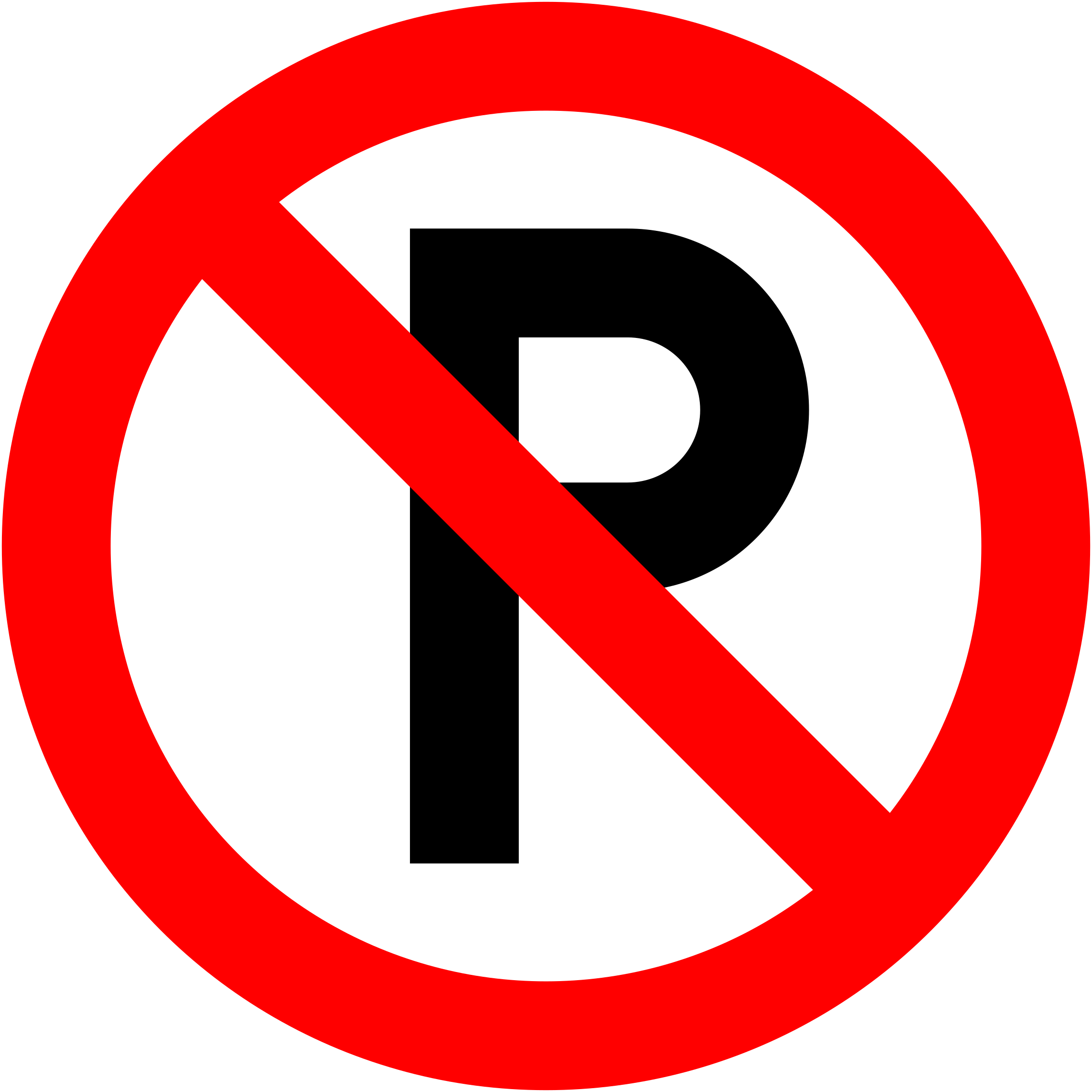
Restriction on Parking-Specified Events
Parking bans for a specified event are made by bye-laws, and the plate under the sign gives the dates and hours; the same sign with an "END/Críoch" plate marks where the bye-laws stop (Reg. 21).

40km/h Speed Limit

20km/h Speed Limit
Zebra Pedestrian Crossing
A zebra crossing puts the duty on the driver: yield to a pedestrian waiting at the kerb, not only to one already on the stripes (article 8(6)).
Combined/Parallel Zebra Crossing
Cycle Street
End of Cycle Street
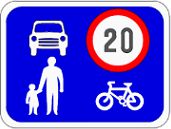
Shared Zone sign
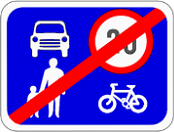
End of Shared Zone sign
Road Tunnel Speed Limit Sign
Where a tunnel carries this electronic limit sign, the ordinary speed limit discs are not required inside the tunnel and the displayed figure is the limit (Reg. 35).
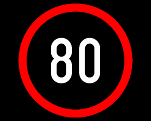
Electronic Speed Limit Sign
An electronic speed limit sign sets the limit for the road, carriageway or lane it faces for as long as the figures are displayed (Reg. 36).
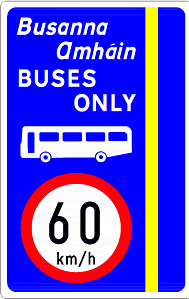
Bus Priority Facility Sign
This variable sign turns a hard shoulder into a bus priority facility; while it shows, buses may use the hard shoulder and everyone else stays off it (Reg. 10A, inserted by S.I. No. 205 of 2026).
The Traffic Signs Manual numbers a further 4 codes in this chapter. They are not prescribed in the Road Traffic (Traffic Signs) Regulations 2025, and the manual's own wording is not ours to reprint, so they are not listed here. Sources: Department of Transport, Traffic Signs Manual; Irish Statute Book, Road Traffic (Traffic Signs) Regulations 2025, S.I. No. 433 of 2025; checked on 2026-09-15
Some sign diagrams on this page come from the Irish Statute Book. Contains Oireachtas material, © Houses of the Oireachtas, reused under the Oireachtas (Open Data) PSI Licence (CC BY 4.0). Source: Houses of the Oireachtas, Oireachtas (Open Data) PSI Licence, clause 3.1, checked on 2026-09-15
73 sign codes
Source: Irish Statute Book, Road Traffic (Traffic Signs) Regulations 2025, S.I. No. 433 of 2025, Schedule 1, Part 2, dated 2025-09-22, checked on 2026-09-15
Regulatory signs tell you what you must do, what you must not do and what limit applies, and each one is prescribed in law. Their meanings, their colours and their codes are fixed by the Road Traffic (Traffic Signs) Regulations 2025 (S.I. No. 433 of 2025, as amended by S.I. No. 205 of 2026), and the Road Traffic (Traffic and Parking) Regulations 1997 set out what a driver has to do when one is in front of them. Traffic signals and light rail signs are prescribed in the same instrument, which is why they sit in this family too.
What the colour and the shape tell you
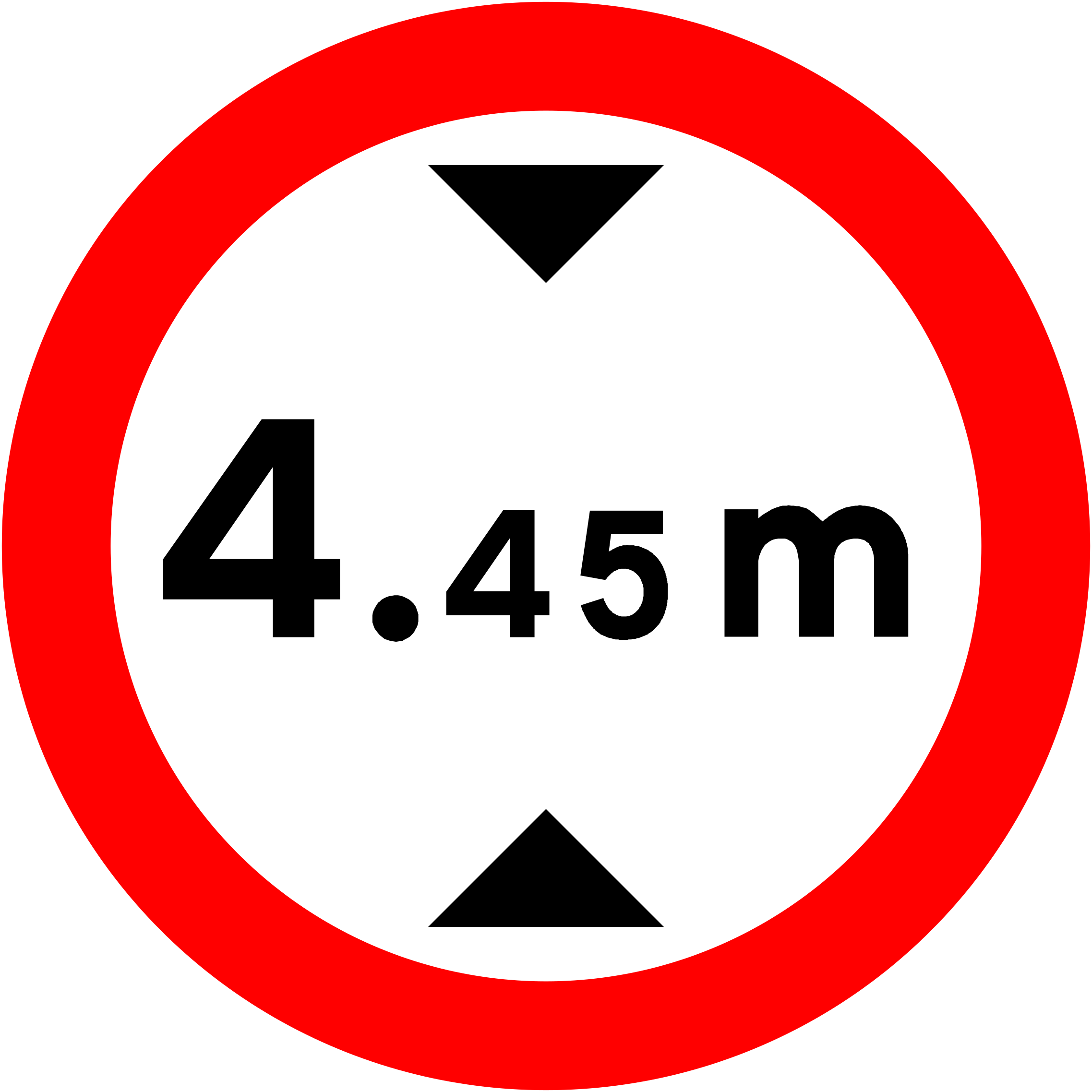
Three regulations carry most of the family. A mandatory sign is a blue disc with a white border and white symbols, and it gives the direction or route traffic must take, or marks a cycle track, a bus lane or a mini roundabout (Reg. 4). A prohibitory sign is a white disc with a red border, black symbols and one or more oblique red bars, and it stops you turning, entering, passing or parking (Reg. 14). A restrictive sign is the same white disc and red border without the bar, and it limits who or what may pass (Reg. 22).
Two shapes stand on their own. Yield is a red inverted triangle with a white centre, and stop is a red octagon with the word in white letters (Reg. 29). Speed limit signs are a white disc with a red border, black figures and km/h beneath them (Reg. 33).
- Blue disc: you must go that way, or the lane is for that class of traffic.
- Red border with a bar: the movement or the parking is prohibited.
- Red border without a bar: a limit applies to the vehicle, the load or the stay.
- Red triangle or octagon: yield, or stop before entering the major road.
The plate under the sign is part of the sign
A plate under a regulatory sign shows the period during which the restriction or prohibition applies, unless the Regulations say otherwise (Reg. 2(2)). That is why a clearway, a parking restriction, a bus lane and a pedestrianised street can all look the same until you read the plate.
Plates also lift a ban. Reg. 14(5) sets out the bilingual messages that exempt buses, taxis, cyclists, trams or authorised vehicles from a no straight ahead, no right turn or no left turn sign, and Reg. 22(4) does the same for a pedestrianised street with deliveries and access.
Where the official sources disagree
The lane control sign is numbered RVMS 101 in the Regulations and in the traffic signals chapter of the Traffic Signs Manual, and a different number in the regulatory signs chapter of the same manual. The official sources disagree. We render the code used in the Regulations.
The alternative rural speed limit design is listed in the Regulations under the code of the sign it varies, while the manual gives the alternative its own code. The official sources disagree here as well, and again we keep the code from the Regulations.
Signs the Regulations describe in words only
Not every prescribed code has a drawing in the instrument. The bus stop sign, the traffic light sets and most of the crossing codes are described in words, and for those the wording of the regulation is the design: the number of lamps, their order, their colours and how they are lit.
When you are checking an answer about a signal, read the regulation rather than a picture. Reg. 38 gives the ordinary three lamp set, Regs. 40 to 43 add arrows, bus displays and extra lamps, Reg. 44 covers directive lights and Reg. 45 covers the cycle signals.
Sources
Source: irishstatutebook.ie, Road Traffic (Traffic Signs) Regulations 2025 (S.I. No. 433 of 2025), checked on 2026-09-16
Source: irishstatutebook.ie, Road Traffic (Traffic Signs) (Amendment) Regulations 2026 (S.I. No. 205 of 2026), checked on 2026-09-16
Source: irishstatutebook.ie, Road Traffic (Traffic and Parking) Regulations 1997 (S.I. No. 182 of 1997), checked on 2026-09-16
Source: irishstatutebook.ie, Road Traffic (Traffic and Parking) (Amendment) Regulations 2012 (S.I. No. 332 of 2012), checked on 2026-09-16